
It usually starts on a Tuesday evening. Dinner is half-cooked, the toddler is melting into the kitchen floor, and you reach for the phone. "Just five minutes of Ms Rachel," you tell yourself. "Just enough time to drain the pasta." You hand it over. The crying stops instantly, like a switch was flipped. Peace. Forty minutes later you glance up from chopping parsley and your child is glassy-eyed, mouth slightly open, watching a stranger in a chicken costume unbox surprise eggs in a language you cannot identify. How did we get from Ms Rachel to this?
If you have searched "is YouTube bad for my toddler" or whispered to a friend that your three-year-old seems addicted, you are very much not alone. YouTube is, by a wide margin, the screen habit parents tell us is the hardest to break. Harder than tablets. Harder than TV. Harder, even, than the iPad games with the flashing coins. Something about the platform itself, not just the content on it, makes it uniquely sticky for small brains, and uniquely painful to take away.
This article is not here to shame anyone. Every parent reading this has handed over the phone, and most of us will again. What we want to do instead is explain, clearly and without panic, why YouTube hooks toddlers so deeply, why some content is genuinely worse than others, what you can realistically replace it with, and what the first two weeks look like when you decide enough is enough. We will be honest about the tantrums. We will also be honest about the fact that most families come out the other side calmer, with a child who plays longer, sleeps better, and asks for the phone less. Let us walk through it together.
Why YouTube Is Built to Be Unputdownable
Television, even bad television, has a built-in stopping point. The episode ends. The credits roll. There is a natural cue, baked into the format for decades, that tells a child's brain: this is over, time to do something else. YouTube has erased that cue on purpose. Understanding the design choices that make the platform so sticky is the first step in loosening its grip.
Infinite supply and autoplay
There is no end of show on YouTube. The moment one video finishes, another begins, usually within three seconds, often before your child has had time to look away. Autoplay is the single most consequential feature of the platform for young viewers, because it removes the one decision point a toddler might otherwise stumble into: "Do I want to keep watching?" That question never gets asked. The next video just arrives.
The algorithm learns your child
Every tap, every rewatch, every lingering second is data. The recommendation engine is extraordinarily good at finding the next video that will hold attention for one minute longer than the last. It does not care whether the content is calming, educational, or coherent. It only cares about watch time. For an adult, this is annoying. For a three-year-old with no impulse control and a developing prefrontal cortex, it is a perfectly tuned trap.
Ninety-second novelty
Most toddler-targeted YouTube content is edited at a pace that would have been unthinkable a decade ago. Cuts every two to three seconds. New character, new color, new sound effect, new song. The brain learns what to expect, and what it learns is that novelty should arrive constantly. When your child then sits down with a book, or a wooden toy, or even a slower show like Bluey, the pace feels unbearably slow. They are not bored in the old sense. They have been trained to expect a different rhythm of stimulation entirely.
The Distractatron problem
You may have heard about Moonbug, the company behind CoComelon, reportedly testing its content against a "Distractatron," a second screen playing distracting clips, to make sure their shows could out-compete other stimuli for a toddler's attention. Whether or not that exact name and process are accurate in every detail, the underlying principle is openly discussed in the industry: children's content on these platforms is engineered, scene by scene, to be maximally captivating. It is not made the way Mister Rogers was made. It is made the way slot machines are tuned.
Not All YouTube Is the Same
It would be unfair, and untrue, to say every minute of YouTube is harmful. The platform is a delivery system, not a single show. What matters enormously is what is being delivered through it, and how.
- Slow, narrative content (Bluey episodes, Mister Rogers reruns, nature documentaries, a grandparent on FaceTime, which is technically not YouTube but feels similar to a toddler) tends to be far gentler on attention. Scenes are longer. Characters have feelings that develop over minutes, not seconds. There is silence. There is breath.
- Fast-cut compilation content (CoComelon compilations, nursery rhyme megamixes, "learning colors with surprise eggs," most algorithmically generated channels) is the category that most parents describe as zombifying. The eyes go still. The mouth opens. The child does not respond to their own name.
- Algorithmic rabbit holes are the worst case. Your child started on Ms Rachel and is now twenty videos deep into something neither of you chose. Even YouTube Kids, which is better than the main app, is not immune to this drift.
The practical implication is useful: if you are not ready to remove screens entirely, you can dramatically reduce harm by switching from open YouTube to a downloaded, finite episode of a slow show watched on a TV or tablet with autoplay disabled. That single change, from open feed to closed episode, often shifts the household mood within a week.
The Echolalia and Language Question
One of the things that worries parents most, and rightly, is watching a toddler repeat YouTube phrases verbatim, in the exact intonation of the video, without seeming to understand what the words mean. This is a form of echolalia, and while it can be a typical part of language development, parents and speech-language pathologists have increasingly noticed a pattern in heavy-YouTube households: scripted phrases ("Let's count to ten, everybody!") used in social contexts where they do not fit, paired with a delay in the spontaneous, back-and-forth conversational language toddlers usually develop through interaction with caregivers.
The mechanism is not mysterious. Language is built through serve-and-return. Your child babbles, you respond, they try again, you scaffold. A video, no matter how well intentioned, never returns the serve. The child speaks and the screen continues on its own track. Heavy daily viewing can displace the interactions that build real language. This does not mean YouTube should be blamed for every speech delay. It does mean that, for some children, screen habits are worth discussing with a pediatrician or speech-language pathologist for individualized guidance.
Ten Replacements That Actually Hold a Toddler's Attention
"Just take it away" is not a plan. If you remove the phone without putting something in its place, you are going to have a very long afternoon. Here are ten replacements that families consistently tell us work, grouped so you can mix and match through a day.
Audio-only options
- Audiobooks and story podcasts. Sparkle Stories, Circle Round, Stories Podcast, and Pinna are excellent for ages 3 to 6. Audio gives the brain a rest from visual overstimulation while still being engaging.
- Yoto or Toniebox. Screen-free audio players designed for small hands. The child chooses a card or figurine, slots it in, and listens. The finite, physical nature of the cards mimics the "end of episode" cue YouTube has erased.
- Music with movement. Spotify playlists of children's music, or simply your own favorite albums. Dancing in the kitchen counts as physical activity, regulation, and connection all at once.
Long-form tactile play
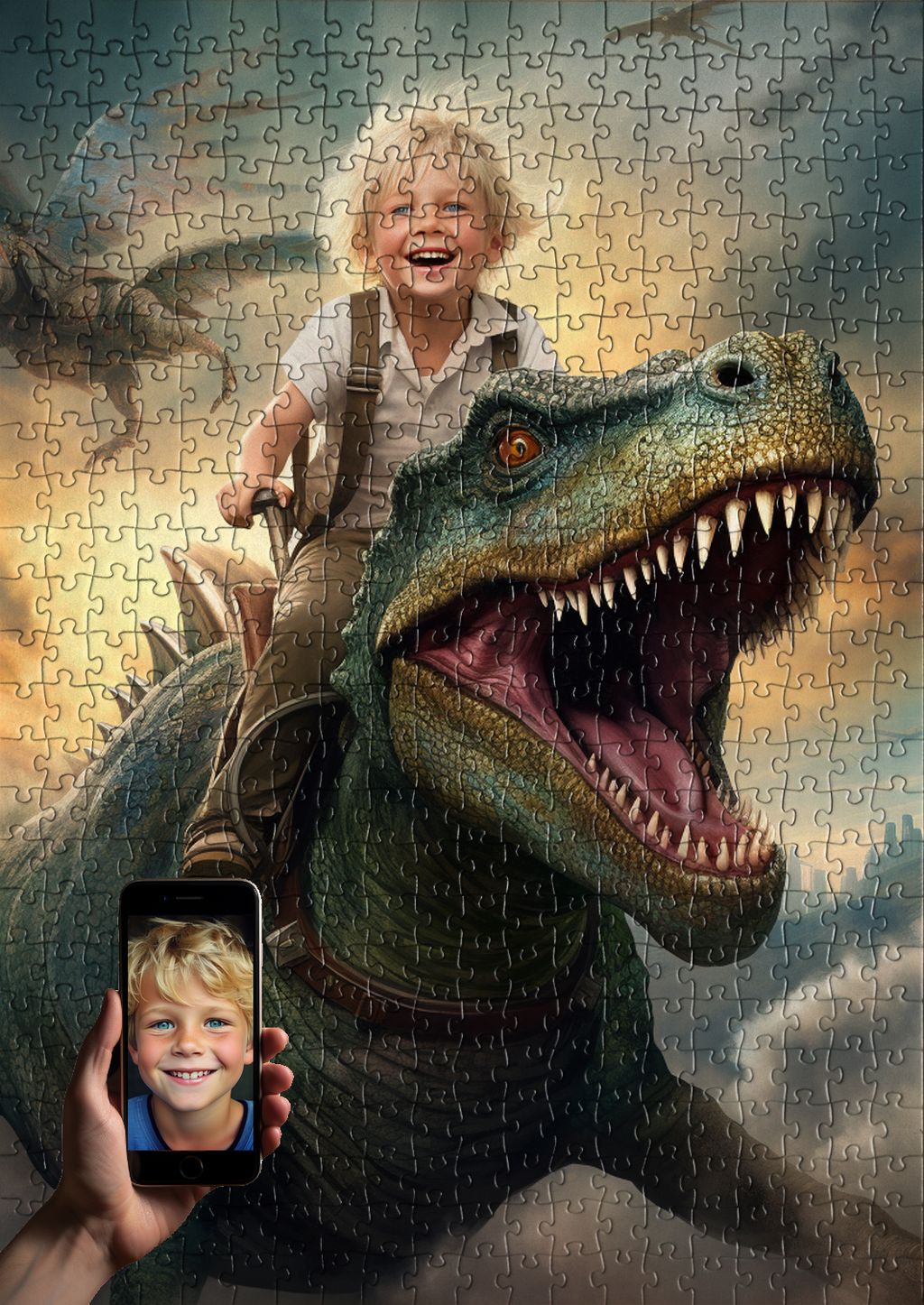
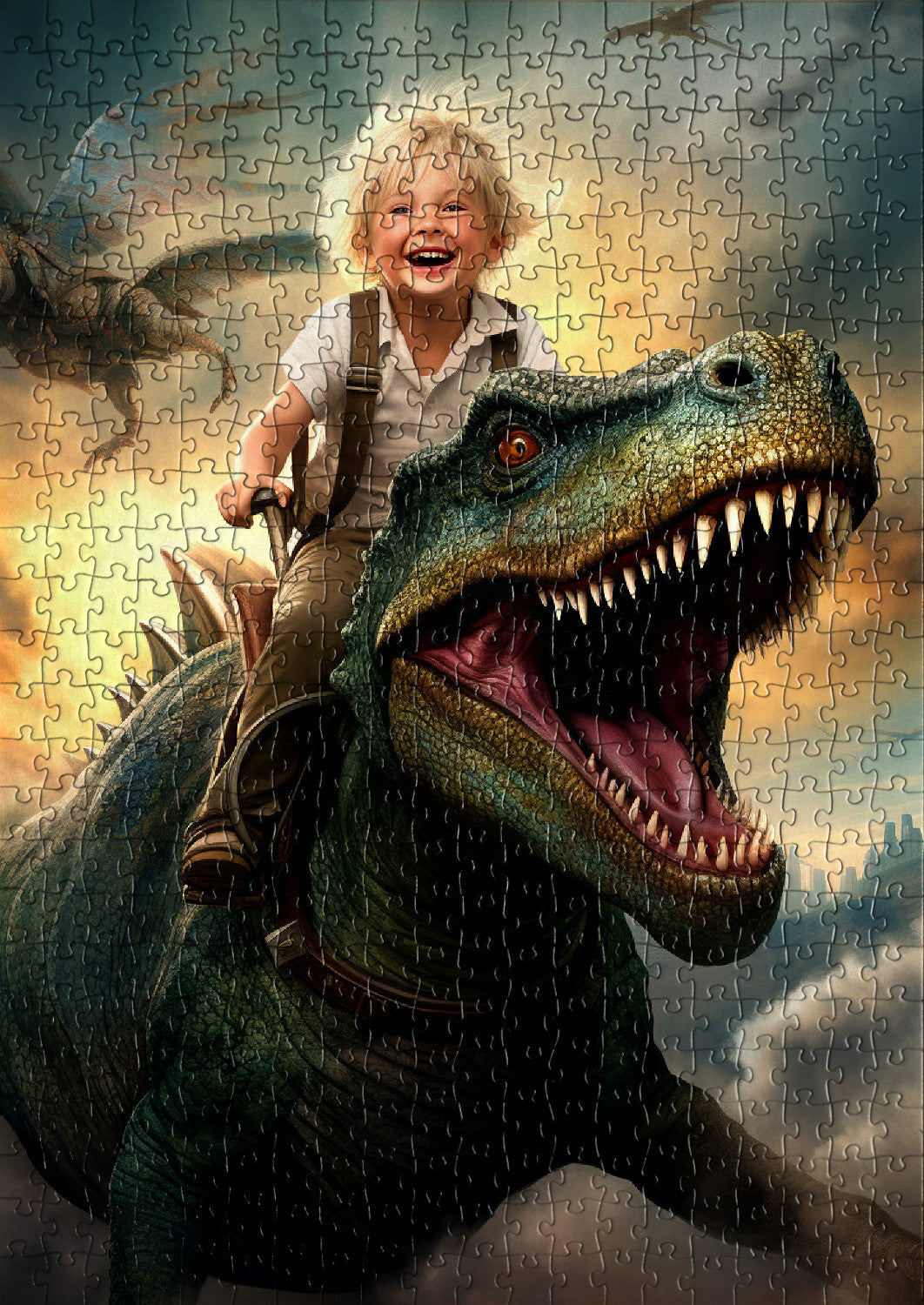
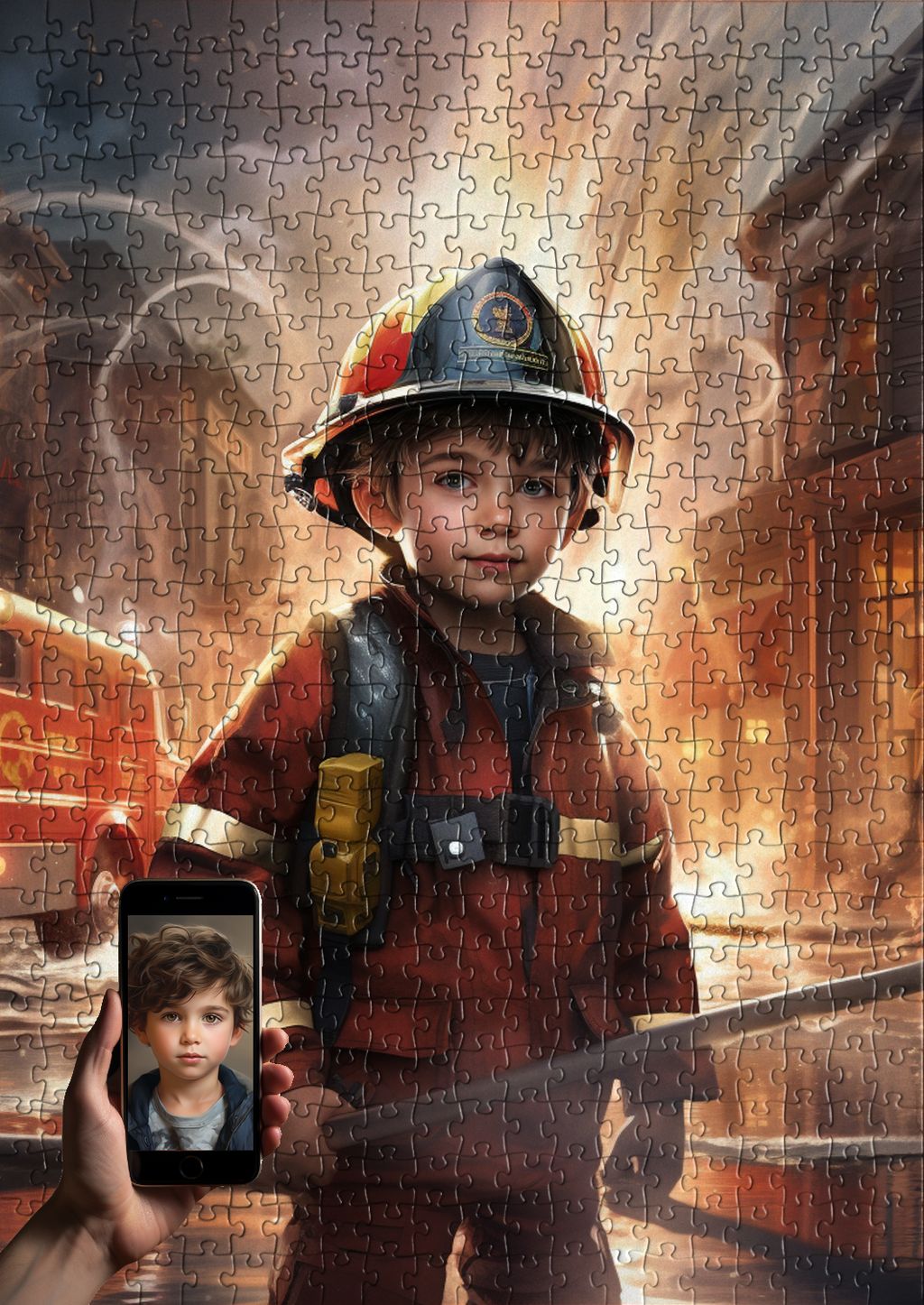
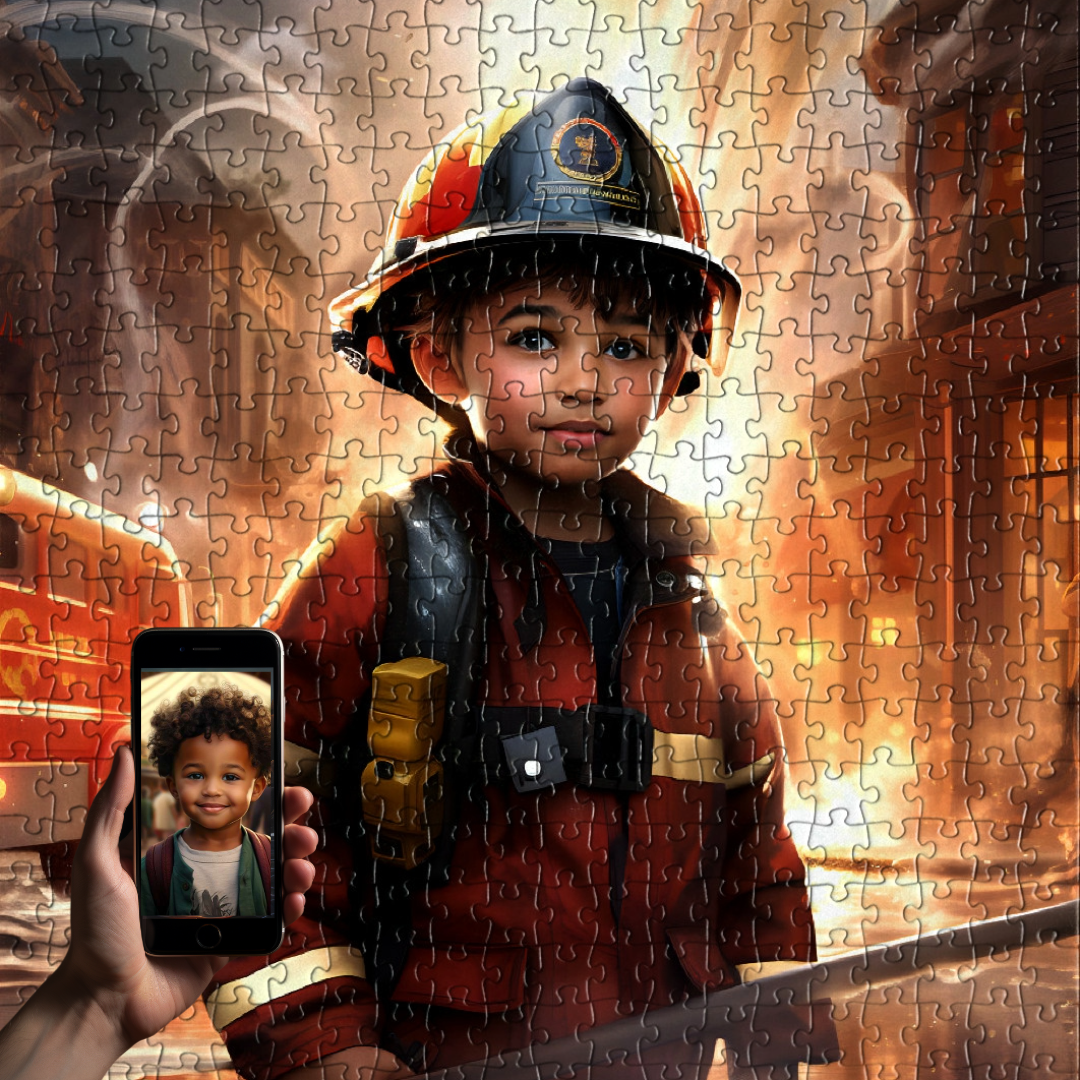
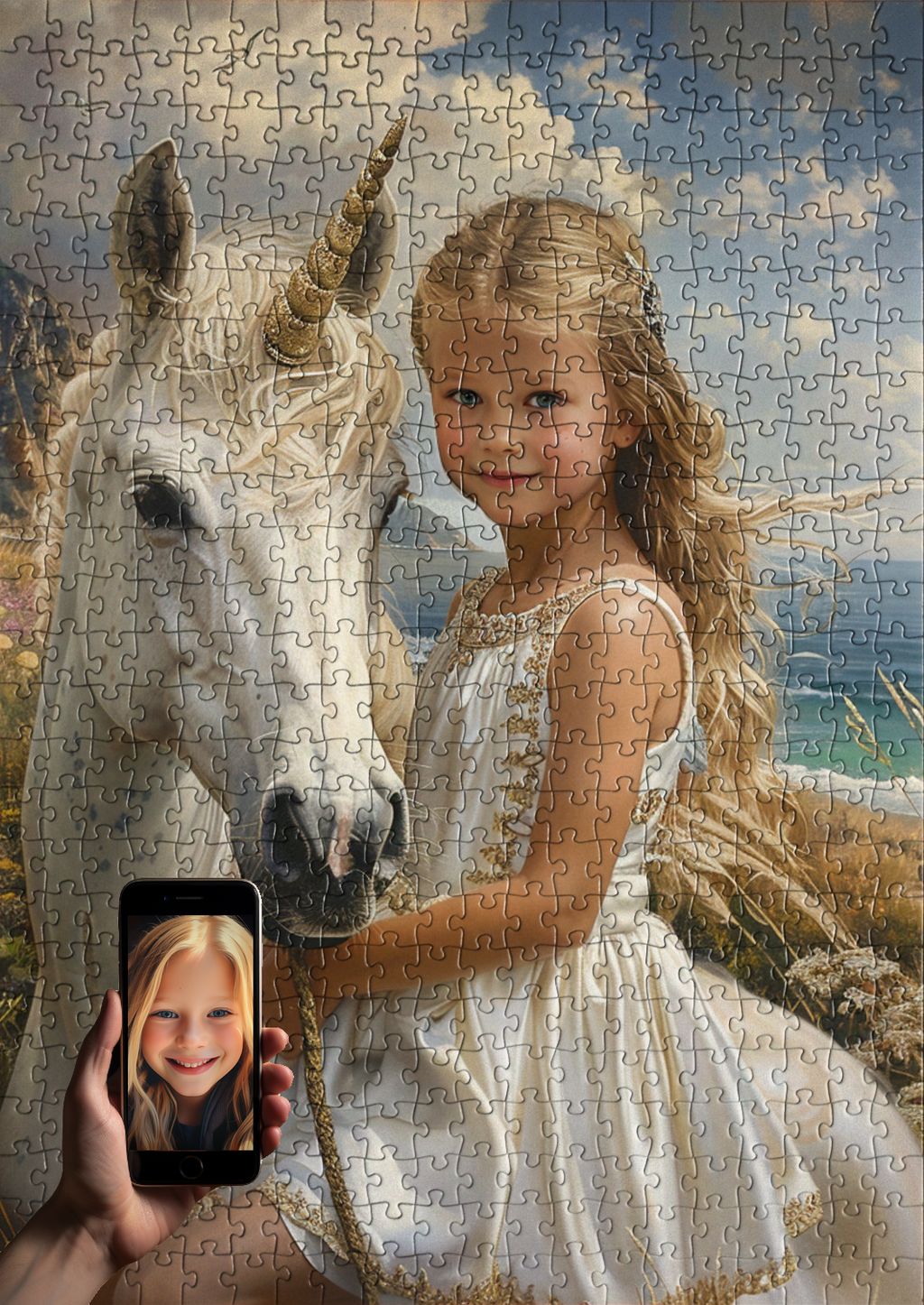
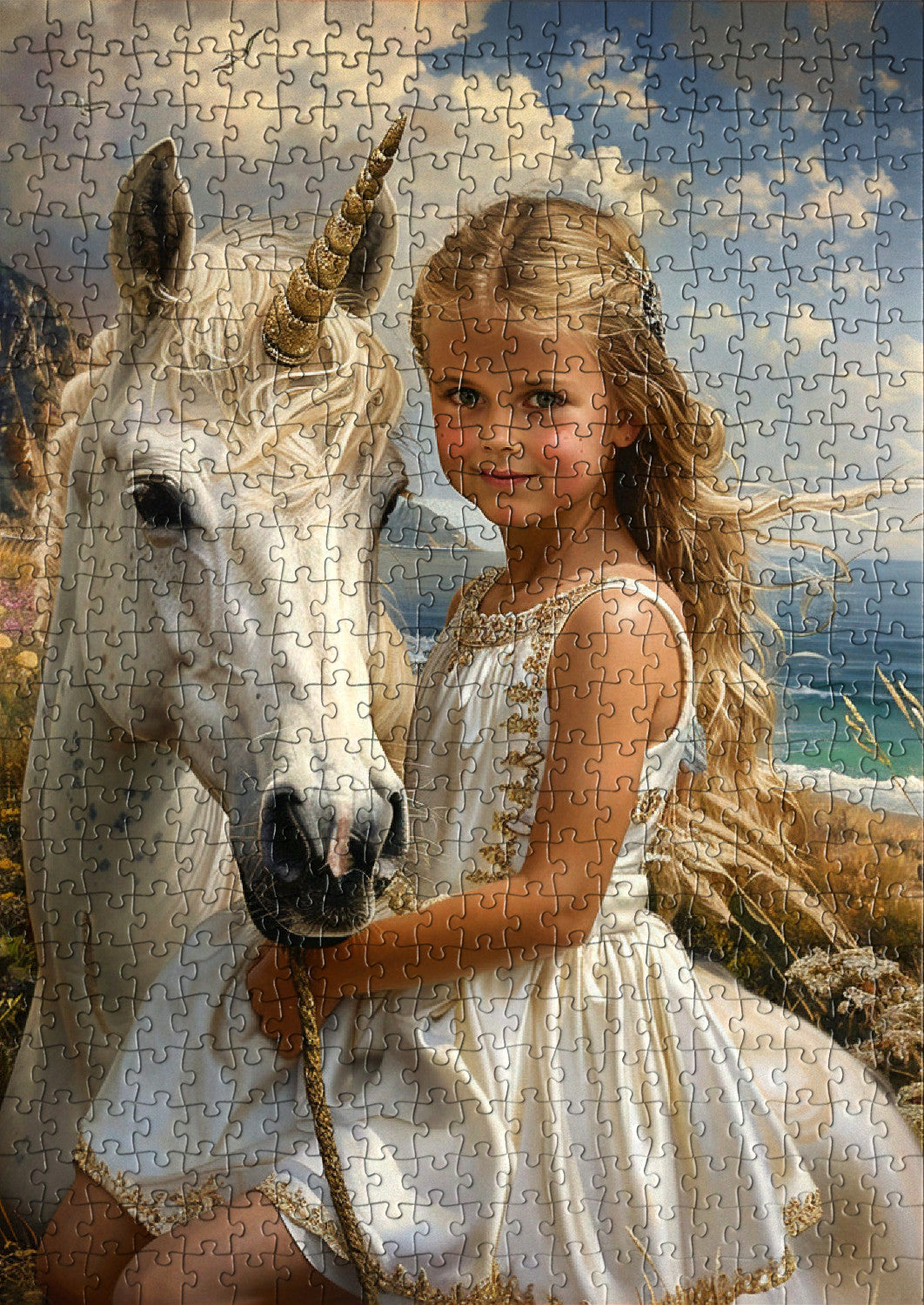
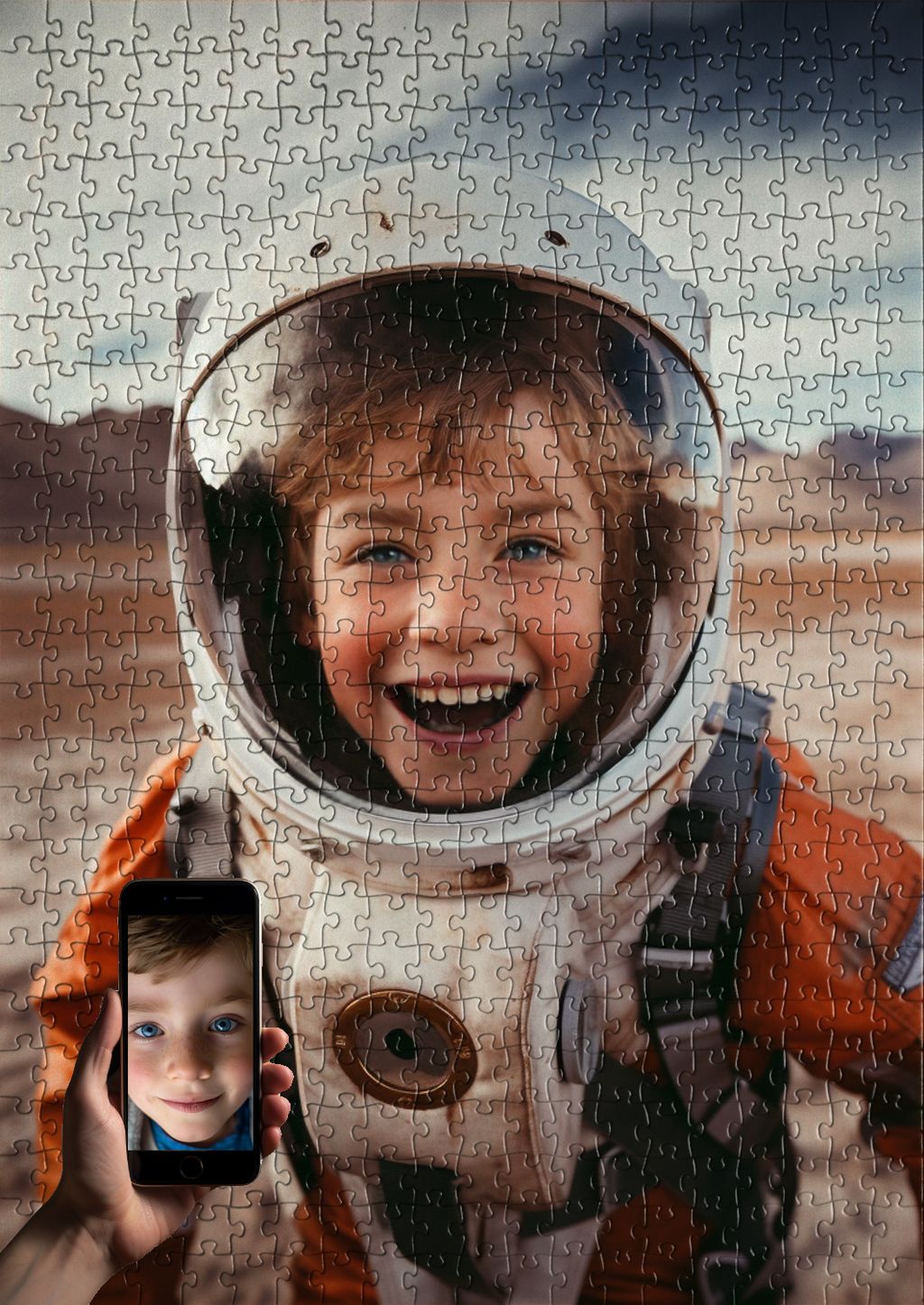
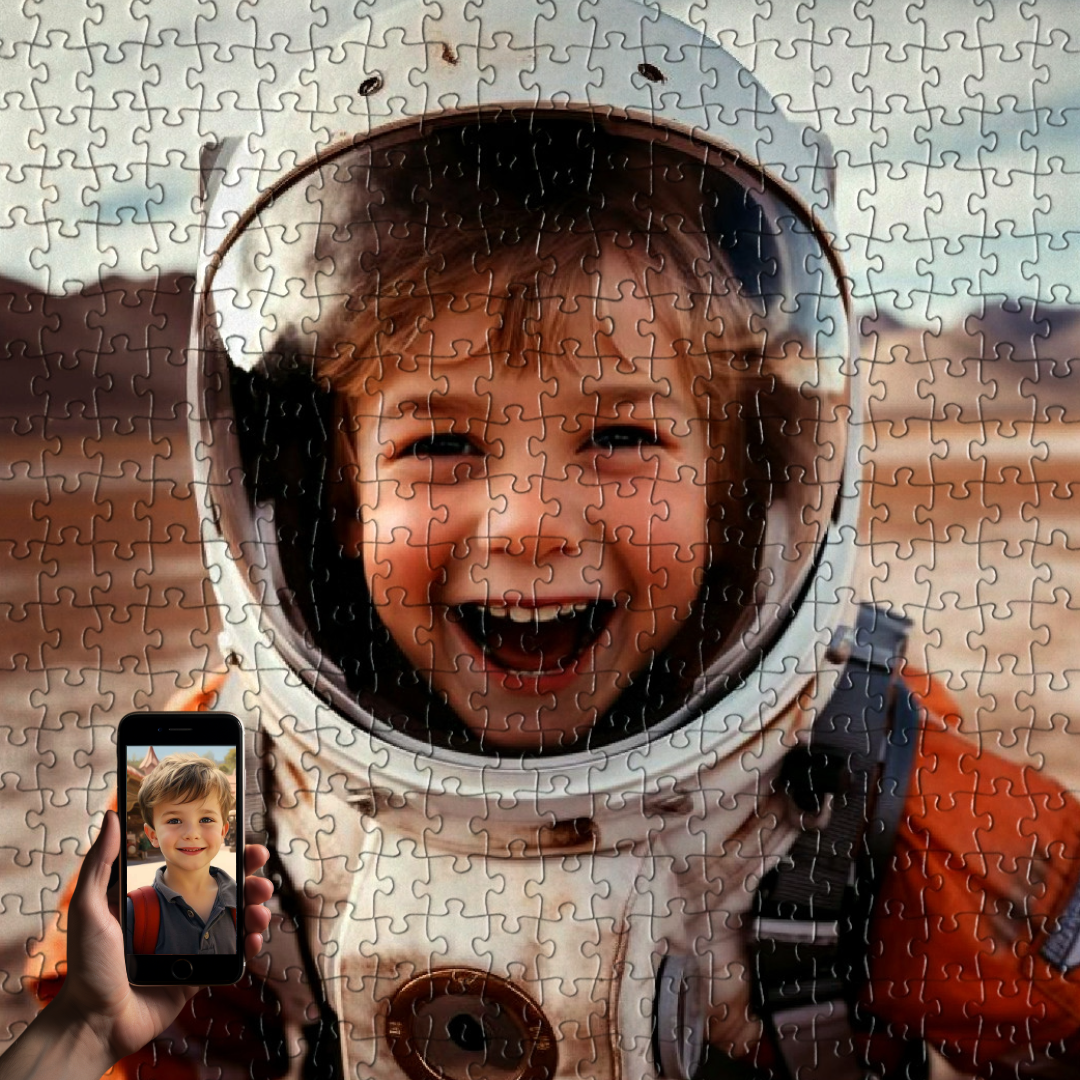
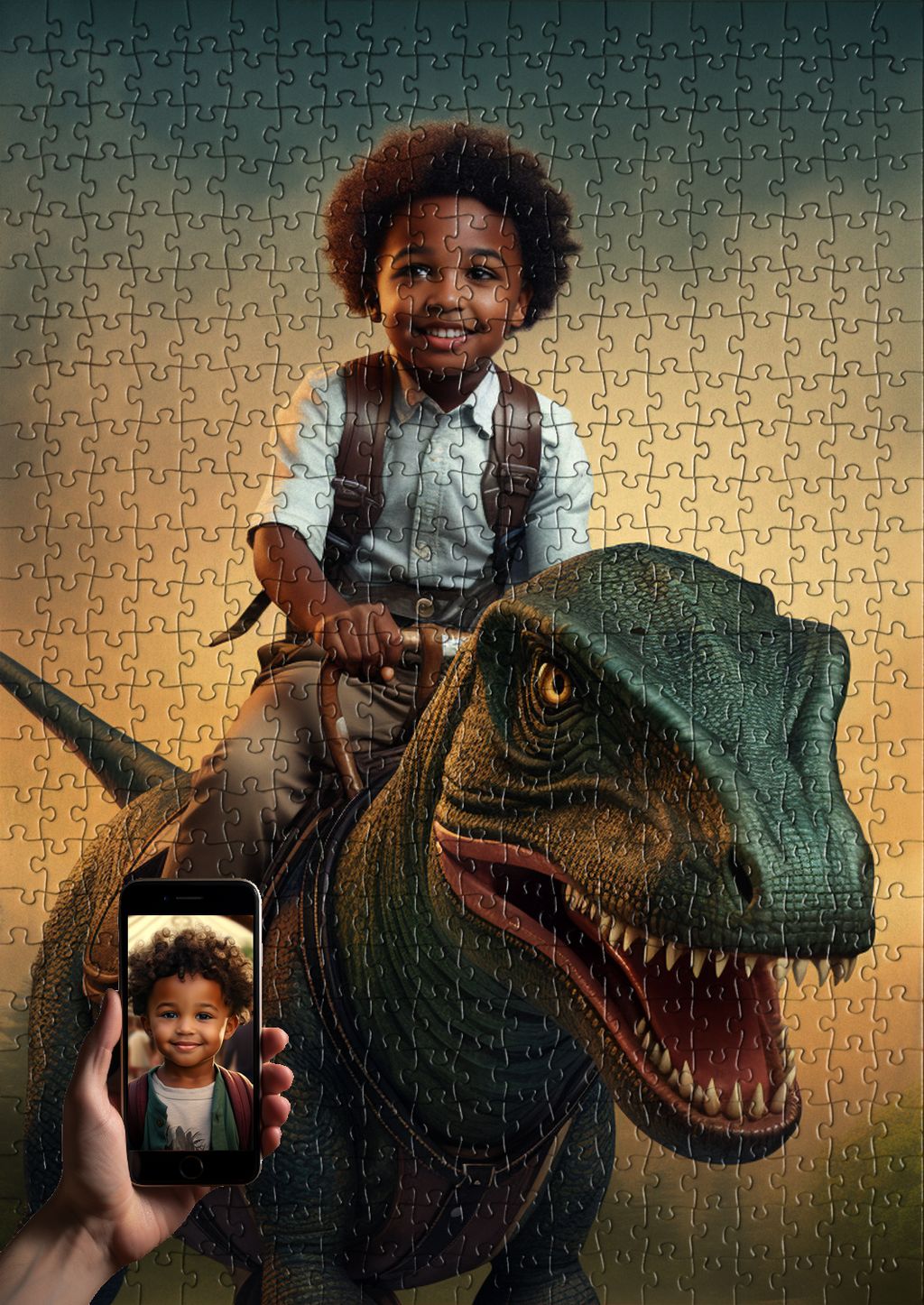
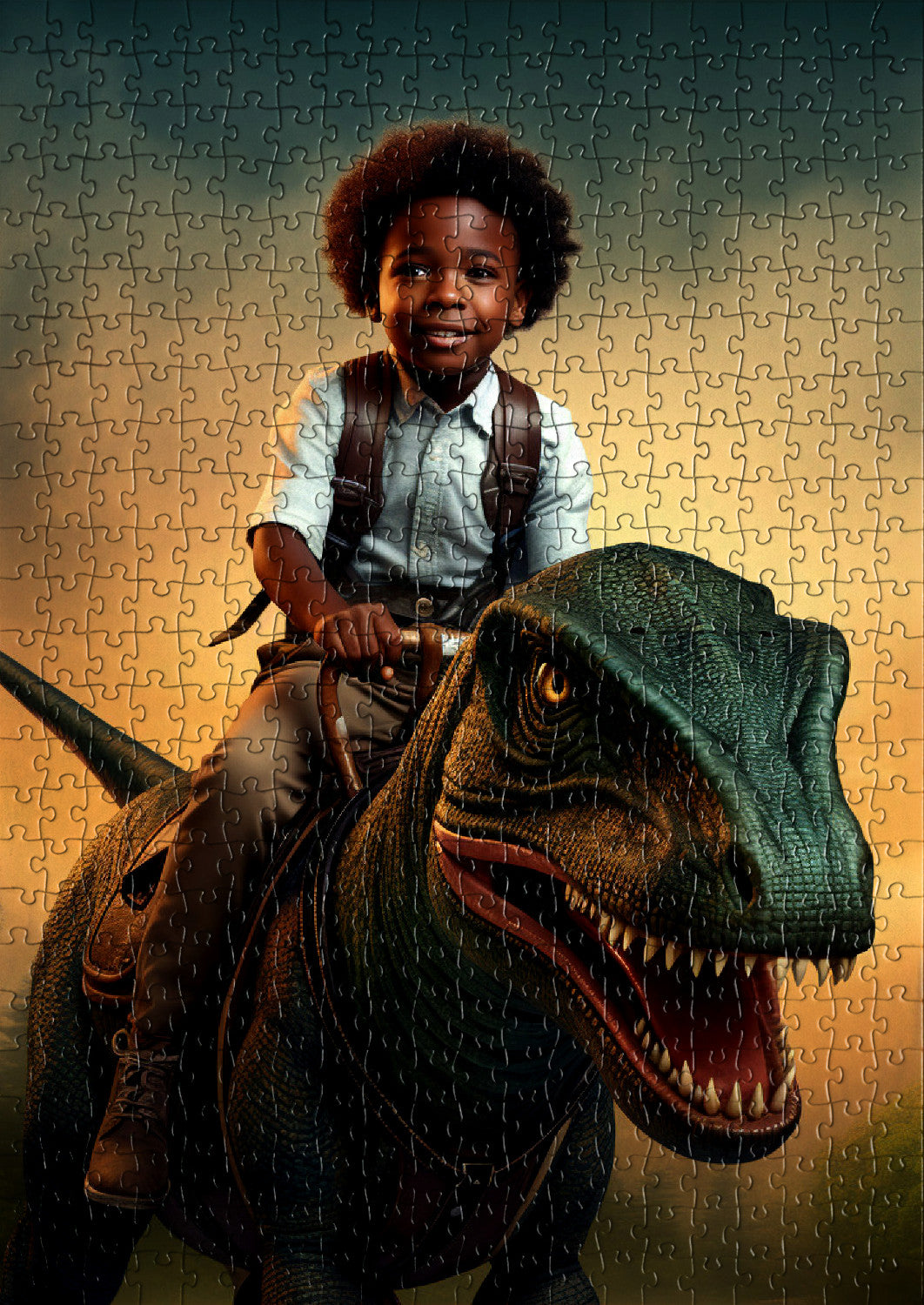
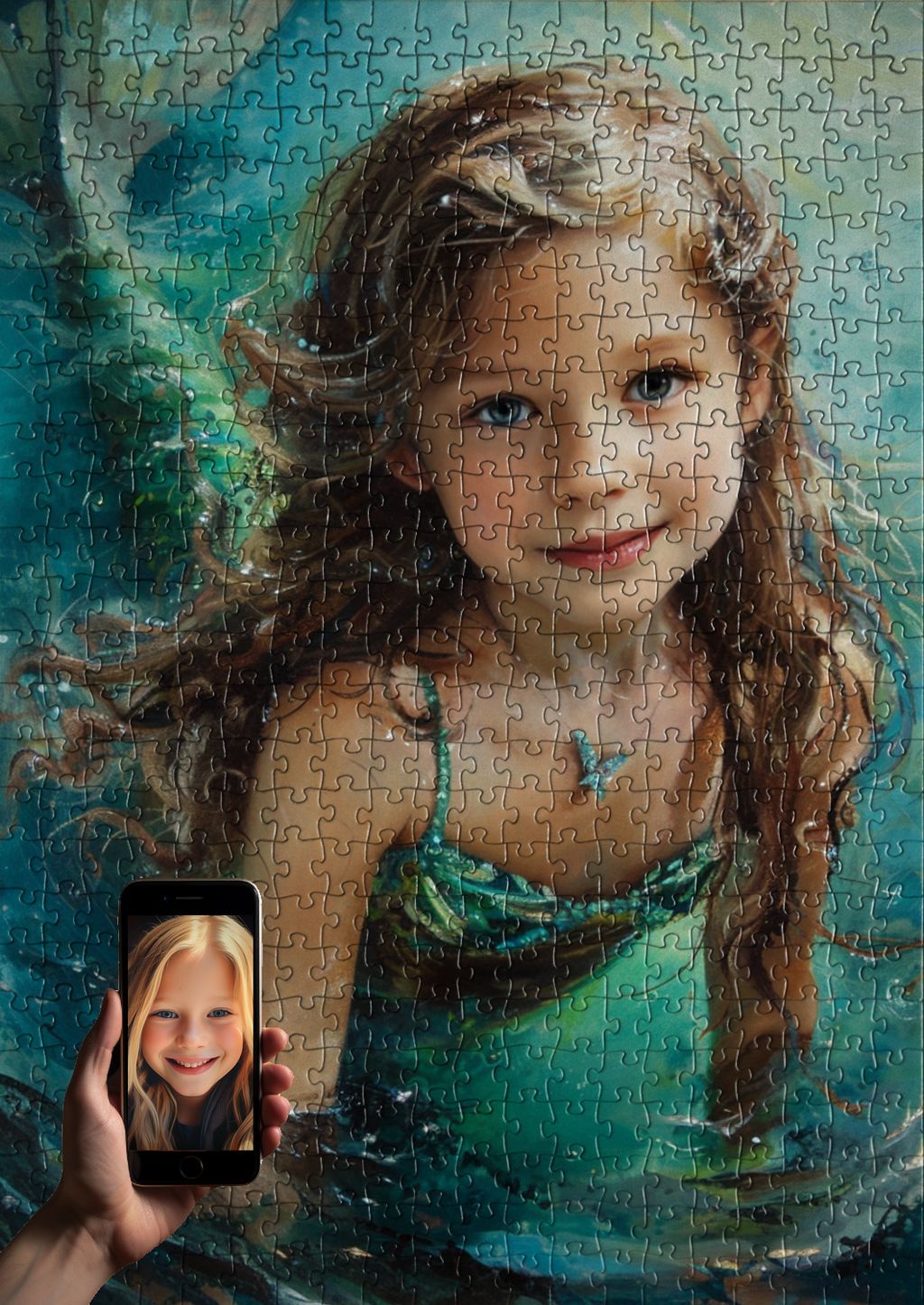
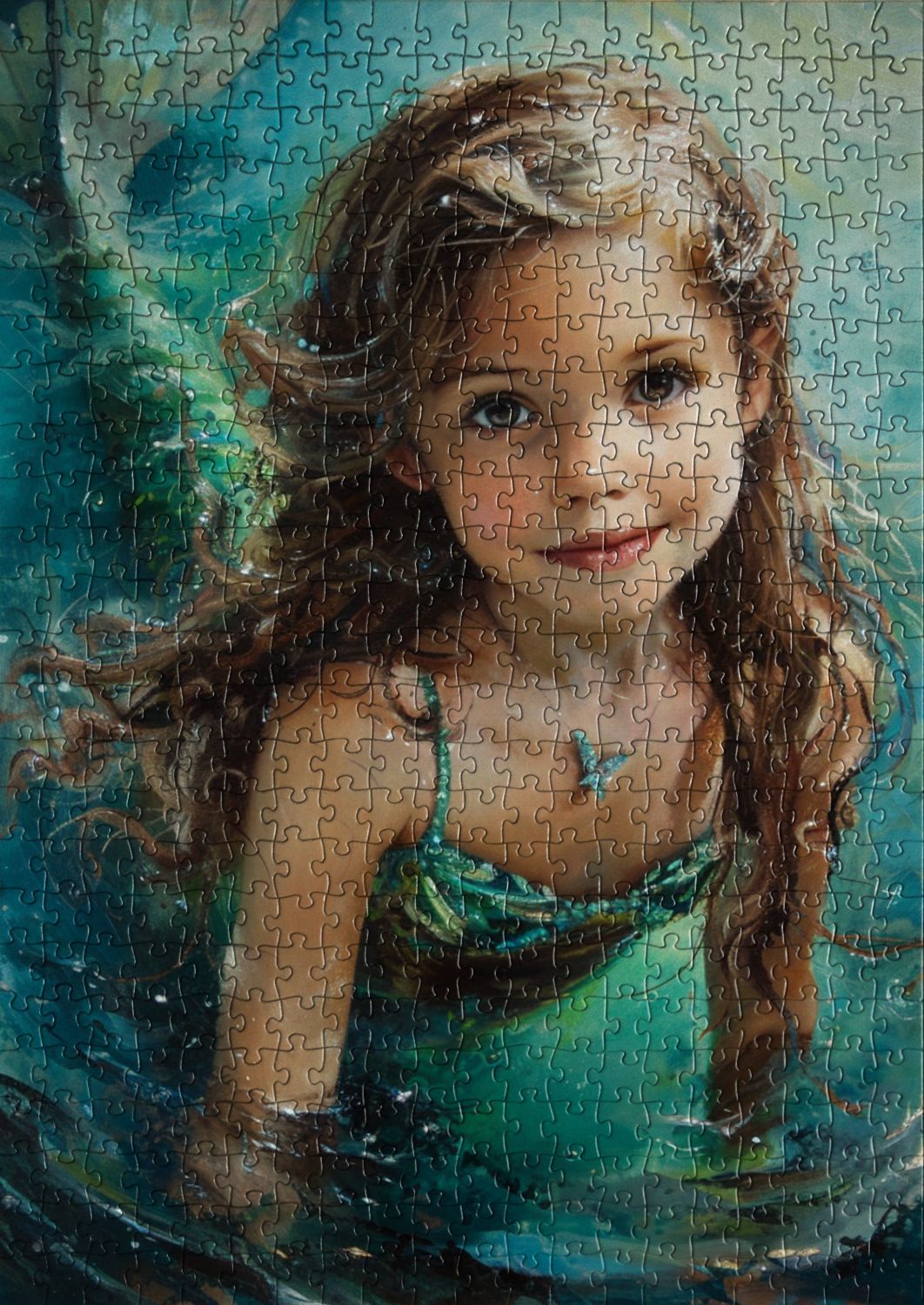
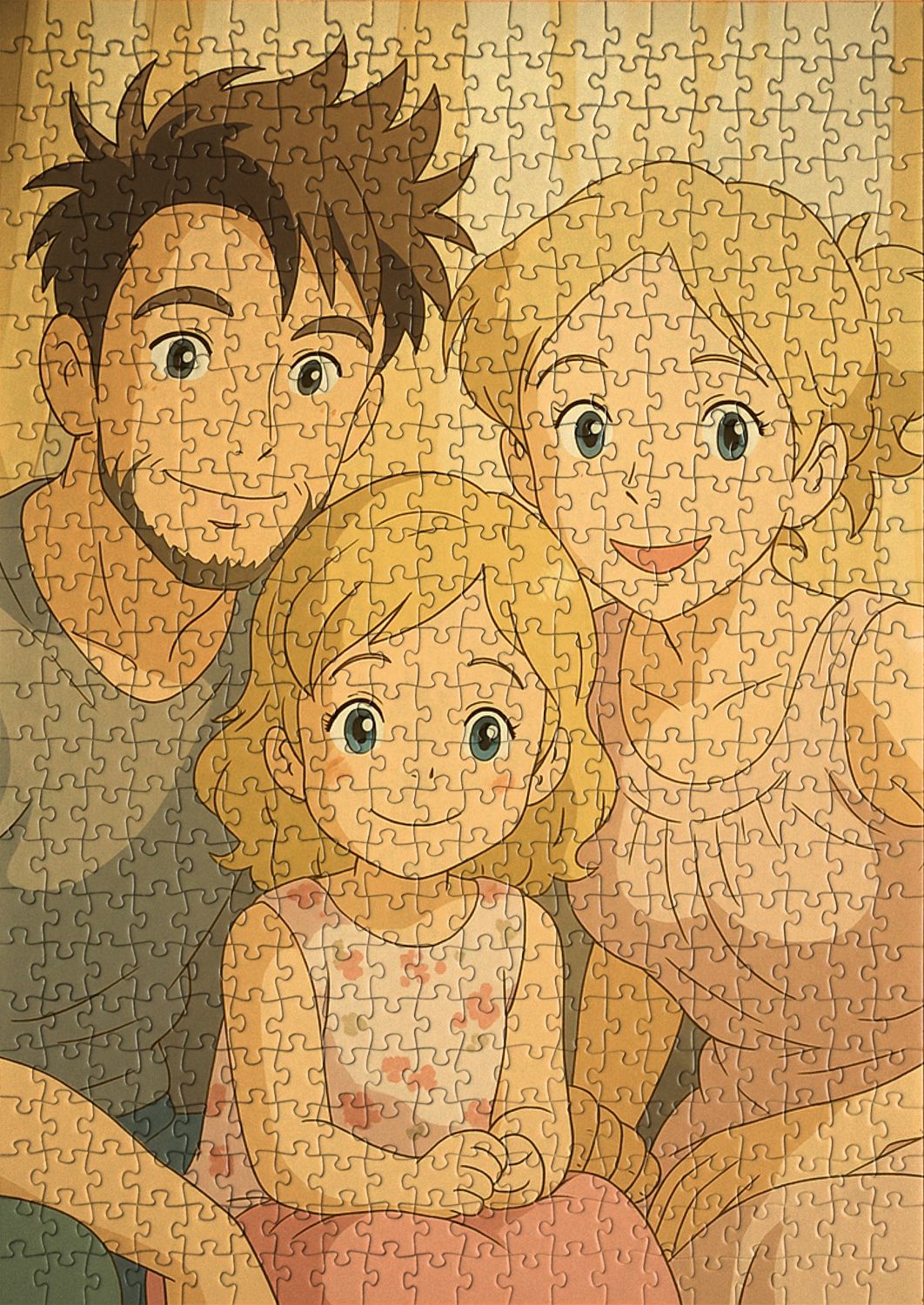
- Puzzles. A good puzzle at the right difficulty level is one of the few activities that can hold a three to six year old for thirty or forty minutes without an adult orchestrating every moment. The control of error is built in: the piece fits or it does not. We see families have particular success with personalized puzzles, where the child appears in the image, because the emotional pull of seeing themselves as the hero rivals the pull of the screen. A custom photo puzzle made from a favorite family picture or a one-of-a-kind puzzle imagined for your child tends to land differently than a generic shop-bought one.
- Open-ended building. Magnatiles, wooden blocks, Duplo. The same set, returned to weekly, becomes a different toy every time.
- Play dough, kinetic sand, water play. Sensory materials regulate nervous systems in ways screens never can. Yes, there is cleanup. The trade is worth it.
- Drawing and stickers. A roll of butcher paper taped to the floor, a pile of markers, and ten minutes of your attention to start it off is often all it takes.
Social and outdoor
- The "boring" outdoors. A walk around the block at toddler pace, where they are allowed to stop and examine every leaf, is more nourishing than any educational video.
- Cooking together. Stirring, pouring, tearing lettuce, peeling a banana. Real work, slowed down to their speed.
- Independent play near you. The underrated answer. A child playing alone on the rug while you cook, with occasional eye contact and a few words exchanged, is doing some of the most important developmental work of early childhood.
What the First Two Weeks Actually Look Like
We need to be honest with you. If your toddler has been on YouTube every day for the last six months, removing it will not be pleasant for the first one to two weeks. This is normal. It is not a sign you are doing the wrong thing. Most families we hear from describe a pattern that looks roughly like this.
Days 1 to 3: protest
Loud, dramatic, persistent asking. Tantrums that feel disproportionate. Sentences like "I NEED my show" delivered with operatic intensity. Your child is not manipulating you. Their brain is genuinely surprised that the dependable source of high-intensity stimulation is gone, and they do not yet have the internal tools to fill the gap. Hold the line warmly. Acknowledge the feeling. Do not negotiate the boundary.
Days 4 to 7: boredom and creativity
The protests get shorter but you hear "I'm bored" a lot, sometimes followed by aimless wandering. This is the most important phase. Boredom is the doorway to imaginative play, and a toddler has to walk through it themselves. Resist the urge to entertain. Have materials available (puzzles, blocks, paper, pretend kitchen), then let them find their way in.
Days 8 to 14: the new baseline
Sleep often improves first. Then attention span. You may notice your child sitting with a single activity for fifteen, then thirty minutes, when two weeks ago they could not stand a slow page in a picture book. Language often shifts from scripted to spontaneous. The asking for YouTube fades, not entirely, but to a manageable hum. You start to feel like you have your child back.
Not every family follows this exact arc. Some kids breeze through. Some take three weeks. Some need professional support if there are other factors in play. But the shape is reliable enough that if you are on day five and despairing, we want you to know: day ten almost always looks different.
Practical Boundaries That Stick
You do not have to go cold turkey, and for many families a sustainable middle path is better than a heroic abolition that collapses in a month. A few principles that tend to work.
- No open YouTube on personal devices. If screens happen, they happen on a TV, with a chosen show, no autoplay.
- One show, one episode. Decide before pressing play. The decision happens once, not after every twenty-two minutes.
- Screens out of bedrooms and out of the morning routine. Morning screens set the tone for the day, and the day rarely recovers.
- A predictable yes. "We watch one Bluey after dinner on Fridays" is easier for a child to accept than "sometimes, if you're good." Predictability reduces asking.
- Replace, do not just remove. Put the puzzles, the audio player, the art supplies, somewhere visible and easy to reach. The path of least resistance has to lead somewhere good.
One small note on personalized puzzles in particular: parents often tell us their child returns to a puzzle that features them, like a superhero kid puzzle with their own face, far more often than to standard ones. The personalization is doing real work. The child is the hero. The image is meaningful. That kind of meaning is exactly what fast-cut YouTube content cannot offer, and it is part of why slower, tactile activities can hold ground that screens used to occupy.
Frequently Asked Questions
Is YouTube actually bad for toddlers, or am I overreacting?
You are not overreacting. The concern is not the existence of video itself. The concern is the combination of autoplay, algorithmic recommendation, fast-cut editing, and unlimited supply, which together create a viewing environment quite different from a single chosen episode of a single show. If your child watches a downloaded episode of Bluey on a TV with no autoplay, that is a very different thing from a tablet open to the YouTube app for an hour. The format matters at least as much as the content.
My child uses YouTube Kids. Is that safer?
Safer, yes. Safe, not entirely. YouTube Kids filters out the worst of the unsuitable content, but it still uses autoplay and a recommendation algorithm tuned for watch time, and it still serves a great deal of fast-cut, low-narrative content. It is a meaningful improvement over the main app, but it is not equivalent to choosing a single episode of a quality show.
How much screen time is okay at this age?
Most pediatric guidelines suggest no more than about one hour per day of high-quality content for ages 2 to 5, watched together with a caregiver where possible. The "watched together" part matters. A parent on the couch talking about what is happening on screen turns passive watching into something closer to a shared book. The exact number is less important than the shape of the use: chosen, finite, shared, and ideally on a larger screen rather than a phone.
What if I need the screen so I can cook dinner or take a shower?
You are allowed to need this. Every parent does. The honest answer is that an audio option (an audiobook on a Yoto, a podcast on a speaker) often buys the same fifteen quiet minutes without the cost of fast-cut video. A puzzle on the kitchen floor near you also works surprisingly well once your child is past the very early withdrawal phase. Save video for when you truly need it, and choose a finite episode rather than the open app.
My toddler already seems addicted. Where do I start?
Pick a start date, tell your partner, and prepare the environment first. Have two or three replacement activities visible and ready: a new puzzle they have not seen, an audio player loaded with stories, a basket of art supplies. Then make the change calmly. Expect three days of protest, a week of recalibration, and a meaningful improvement by day fourteen. If you want a structured version of this, our 14-day screen reset plan walks through it day by day.
A Gentle Closing Thought
None of this is about being a perfect parent or raising a screen-free child in a screen-saturated world. It is about noticing, honestly, when a tool stops serving your family and starts shaping it. YouTube is harder to put down than other screens because it was built to be. Knowing that is half the battle. The other half is having something good and tangible to put in its place, something that meets your child where they are and rewards their attention rather than fragmenting it. A long walk. A pile of blocks. A slow story. A puzzle of themselves as the hero of an adventure. These small, unhurried things are not consolation prizes for losing the screen. They are the actual childhood we were trying to protect all along.


Share and get 15% off!
Simply share this product on one of the following social networks and you will unlock 15% off!