
Walk into a thoughtfully designed preschool classroom this year and you will likely notice something that would have been unusual a generation ago. Next to the cubbies, an attendance chart features a small photo of every child, which they move from "home" to "school" as they arrive. In the reading corner, a basket holds laminated books with each child's name and family pictures inside. On a low shelf near the practical life area, a wooden puzzle shows the whole class smiling on a field trip, the pieces worn smooth by months of small hands. None of these materials came from a catalog. The teachers made them, or had them made, on purpose.
This shift is not decorative. Across Montessori, Reggio-inspired, and high-quality play-based programs, educators are increasingly weaving personalized learning materials into the daily fabric of early childhood classrooms. Parents who tour these schools often ask the same question: why? Is it just sweet, or is something deeper happening? And if it matters at school, does it matter at home too?
The short answer is that personalization is one of the most well-supported, low-cost ways to strengthen the conditions young children need to learn: a secure sense of belonging, a stable identity, and a felt connection between home and school. The longer answer involves attachment research, decades of guidance from the National Association for the Education of Young Children (NAEYC), and the everyday wisdom of teachers who watch three to six year olds light up when they see themselves reflected in their environment.
Below, we look at what the research actually says, walk through three concrete ways educators are using personalized materials in classrooms today, share what a veteran preschool teacher told us about why she keeps doing it, and then translate the principles into practical ideas parents can use at home. The goal is not to add another thing to anyone's to-do list. It is to help parents and educators recognize a quiet, practical classroom strategy for what it is, and use it well.
The research behind personalization in early childhood
Personalization in early childhood is not a marketing trend. It sits at the intersection of three well-established bodies of research that any early childhood program leaning on best practice will recognize.
Attachment and the secure base
John Bowlby and Mary Ainsworth's foundational work on attachment showed that young children explore, take risks, and learn most readily when they feel safely connected to a caregiver. In a classroom of 15 or 20 children, teachers cannot replicate the one-to-one bond a child has with a parent, but they can build what attachment researchers call a secure base: a predictable, warm environment that signals "you belong here, you are known here." Personalized materials are one of the simplest tools for that. A photo on the cubby, a name on a chair, a book that mentions the child's grandmother all communicate the same message: an adult here noticed you, prepared for you, and is glad you came.
Identity-affirming pedagogy
Children between three and six are doing the developmental work of forming a self. They are noticing skin color, family structure, language, gender, and ability, and they are watching adults closely to learn what to make of those differences. Researchers in culturally responsive teaching, including Gloria Ladson-Billings and Django Paris, have argued for decades that classrooms which actively reflect children's identities support stronger engagement and academic outcomes than classrooms that treat children as interchangeable. Personalized materials are concrete identity work. When a child sees their face, name, family, and home language in the learning environment, the message is not "you are special and everyone else is not." The message is "every one of us belongs here, fully."
NAEYC and developmentally appropriate practice
NAEYC's position statement on developmentally appropriate practice, updated most recently in 2020, is explicit that high-quality early learning is both individually and culturally responsive. Teachers are asked to know each child as a person: their interests, their family, their developmental edges. Personalized materials are one of the most visible ways a program demonstrates that knowing. They are also one of the ways teachers prove to families that the school sees their child, not a generic four-year-old.
Put together, the research points in a consistent direction. Young children learn best when they feel safely connected, fully seen, and meaningfully reflected in their environment. Personalized materials are not the only way to create those conditions, but they are an unusually efficient one.
Application one: identity and attendance charts
The most visible use of personalized materials in early childhood classrooms is also the simplest. Many teachers begin the year by photographing each child and using those photos throughout the room.
A typical setup looks like this. A morning attendance board displays every child's photograph next to their printed name. As children arrive, they move their own photo from a "home" column to a "school" column. Their photo also appears on their cubby, their place at the snack table, their job chart, and the sign-in clipboard. Some teachers add a small family photo inside the cubby, facing inward, where the child can glance at it during the day.
From the outside, this can look like a sweet decorative choice. From a developmental standpoint, it is doing significant work.
- It supports separation. A three-year-old who can physically move their photo into the classroom is participating in the act of arriving, rather than being delivered. The ritual gives them agency over a transition that can otherwise feel out of their control.
- It builds early literacy. Children learn to recognize their own name first, then their friends' names. A photo paired with a name is a perfect early reading material because the child has a powerful reason to decode it.
- It teaches community. By the end of the first month, most children can name every classmate, find their photo, and notice who is absent. That is the beginning of social awareness and empathy.
- It anchors classroom management. Job charts with photos, turn-taking lists with photos, and small-group rotations with photos remove the cognitive load of remembering "whose turn is it?" Children can self-manage routines that would otherwise require constant teacher direction.
None of this requires expensive materials. A printer, a laminator, and ten minutes per child at the start of the year is enough. What it requires is intention.
Application two: personalized reading materials
The second classroom application is quieter but, in terms of measurable outcomes, possibly the most powerful. Teachers are creating personalized books and reading materials for individual children and for the class as a whole.
A personalized book in this context is not necessarily a published custom-name storybook, though those exist. More often, it is a simple bound document a teacher makes: photos of the child doing different activities, a sentence per page, the child's name woven through the text. "Maya pours her own water. Maya washes the table. Maya feeds the fish." Other versions include class books with one page per child, family books that travel between home and school, and "all about me" books children dictate and illustrate themselves.
Why personalized texts work
Reading research consistently finds that engagement is one of the strongest predictors of early literacy growth. A child who wants to look at a book again and again gets more practice with print concepts, vocabulary, and sound-letter relationships than a child who looks at it once. Personalized texts are unusually engaging because the protagonist is the reader. Studies of personalized storybooks have found increased attention, longer sustained reading sessions, and stronger recall of vocabulary compared with generic versions of the same text.
There is also a confidence effect. Many early readers freeze when they sit down with an unfamiliar book. They do not freeze when they sit down with a book about themselves. They already know the story. They are willing to point to words, predict, and try. That is exactly the disposition early literacy instruction is trying to cultivate.
What teachers actually make
- Individual photo books documenting a child's week, a special project, or a family event.
- Class books on a shared theme, such as "Our favorite places" or "What we do when we feel sad," with one contributed page per child.
- Travel journals that go home with a different child each weekend and come back with photos, drawings, and a sentence from the family.
- Name and letter cards with the child's photo on the back as a self-checking control of error, a Montessori principle that lets the child verify their own work without an adult.
Educators consistently report that these materials are the ones children request most often, take the best care of, and return to long after a unit has ended.
Application three: keepsake projects that bridge home and school
The third application is the one parents tend to notice most, because it usually comes home. Many programs now build keepsake projects into their year. These are personalized materials that intentionally bridge classroom and family life.
Memory boxes and year-end portfolios
A growing number of preschools assemble a personal portfolio or memory box for each child by the end of the year. These typically include photographs of the child working, samples of their drawings and writing across several months, dictated stories, and short observation notes from the teacher. Done well, a portfolio is not a scrapbook. It is documentation, in the Reggio Emilia tradition, that helps a child see their own growth and helps parents understand what their child has been doing all those hours away from home.
Class puzzles, books, and group keepsakes
Some teachers go further and create a shared keepsake from a class photograph, a group drawing, or a documentation panel. Personalized class puzzles, for instance, are increasingly popular as year-end gifts. A puzzle made from a photo of the whole class on a memorable day gives children a physical, repeatable experience of belonging to a group. They can assemble it together, name every face, and remember what they did. The same idea applies to a class book printed for every family, or a documentation panel reproduced as a small poster.
Many early-childhood educators describe the same classroom pattern: children often engage more deeply when the material feels personally connected to them. When I hand them something at the end of the year that has their face and their friends' faces on it, I am not giving them a souvenir. I am giving them evidence. Evidence that this group was real, that they were part of it, and that they were loved here. They carry that into kindergarten."
Her favorite keepsake, she added, is a custom puzzle made from a photo of the class on their spring nature walk. "They put it together at home with their parents. Their parents finally know who Theo is, who Amara is. The puzzle does the work that I cannot do from inside the classroom." A simple option many teachers and parents use for this kind of project is a custom photo puzzle made from a class or family photograph, which turns a single meaningful image into something children can return to again and again.
Translating the principles to home
If you are a parent reading this, the encouraging news is that everything teachers are doing in the classroom rests on principles you can use at home, with very little effort and no special training. The goal is not to recreate a preschool. The goal is to apply the same three ideas, belonging, identity, and bridging, in a domestic setting.
Label belongings and spaces with care
Young children thrive when their physical environment tells them where they belong. A coat hook at their height with their name on it, a drawer labeled with a photo of what goes inside, a small chair that is clearly theirs at the table: each of these is a personalized material in the early childhood sense. They give the child orientation and ownership. Hand-lettered labels are entirely adequate. The personalization matters more than the polish.
Make or buy personalized books
You do not need to be a designer to make a child's favorite book. A small photo album with one picture per page and a sentence written underneath is a personalized reader. Take photos of your child doing ordinary things, brushing their teeth, helping cook, visiting a grandparent, and add a simple caption. Read it before bed. Children three to six will request it dozens of times. The same effect can be achieved with commercially personalized books, but the homemade version has the added benefit of being specifically about your child's life.
Use personalized puzzles and play materials
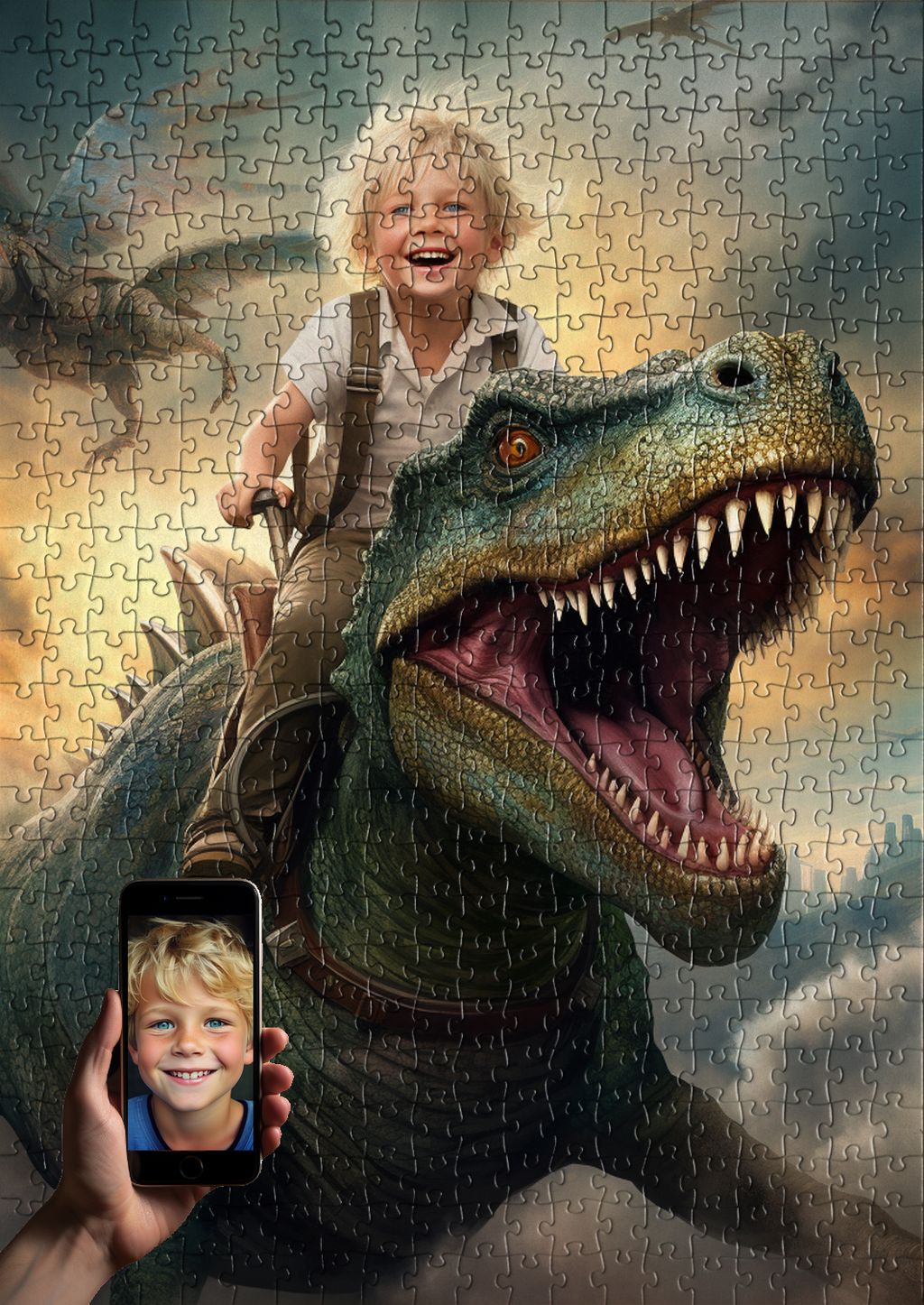
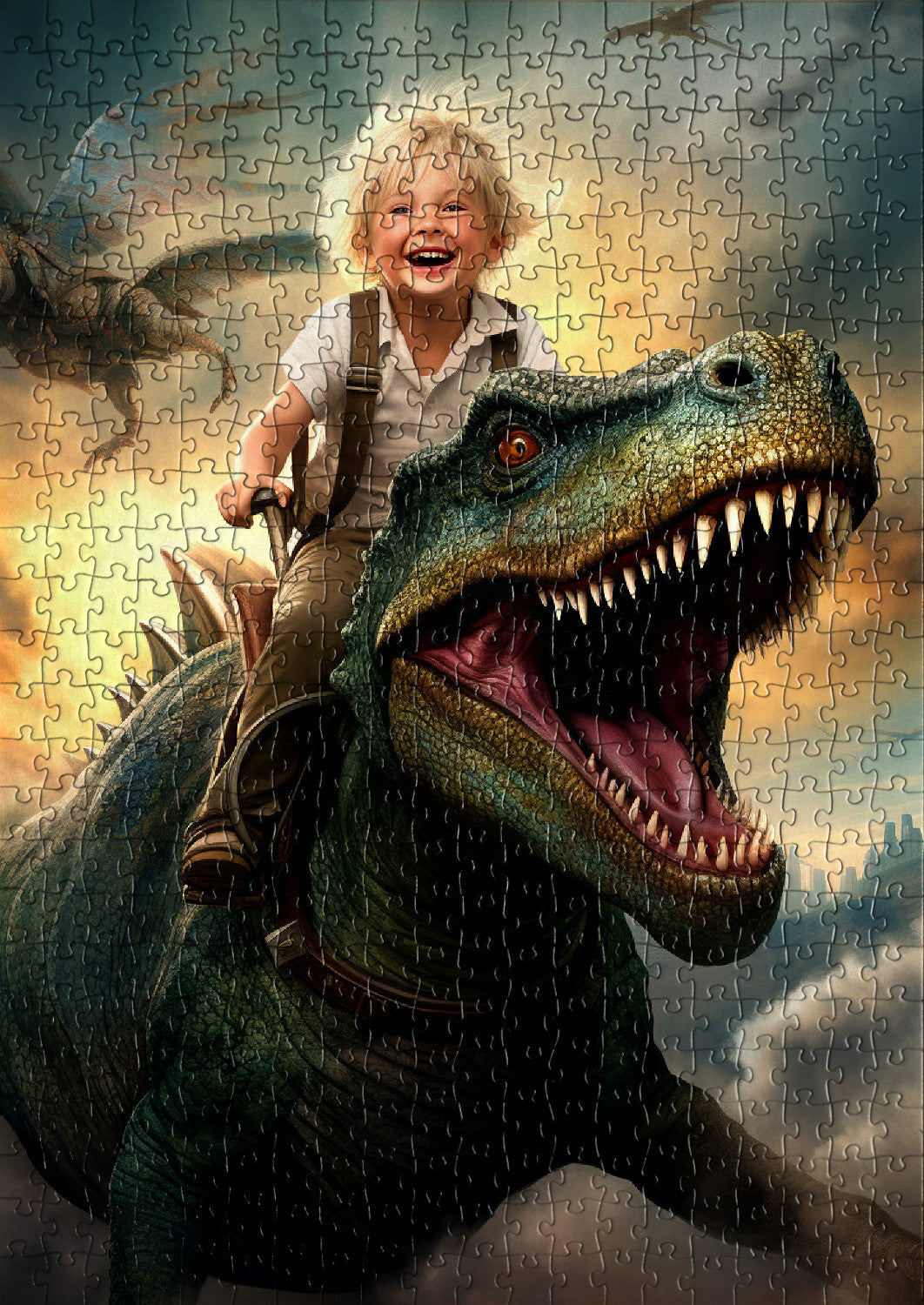
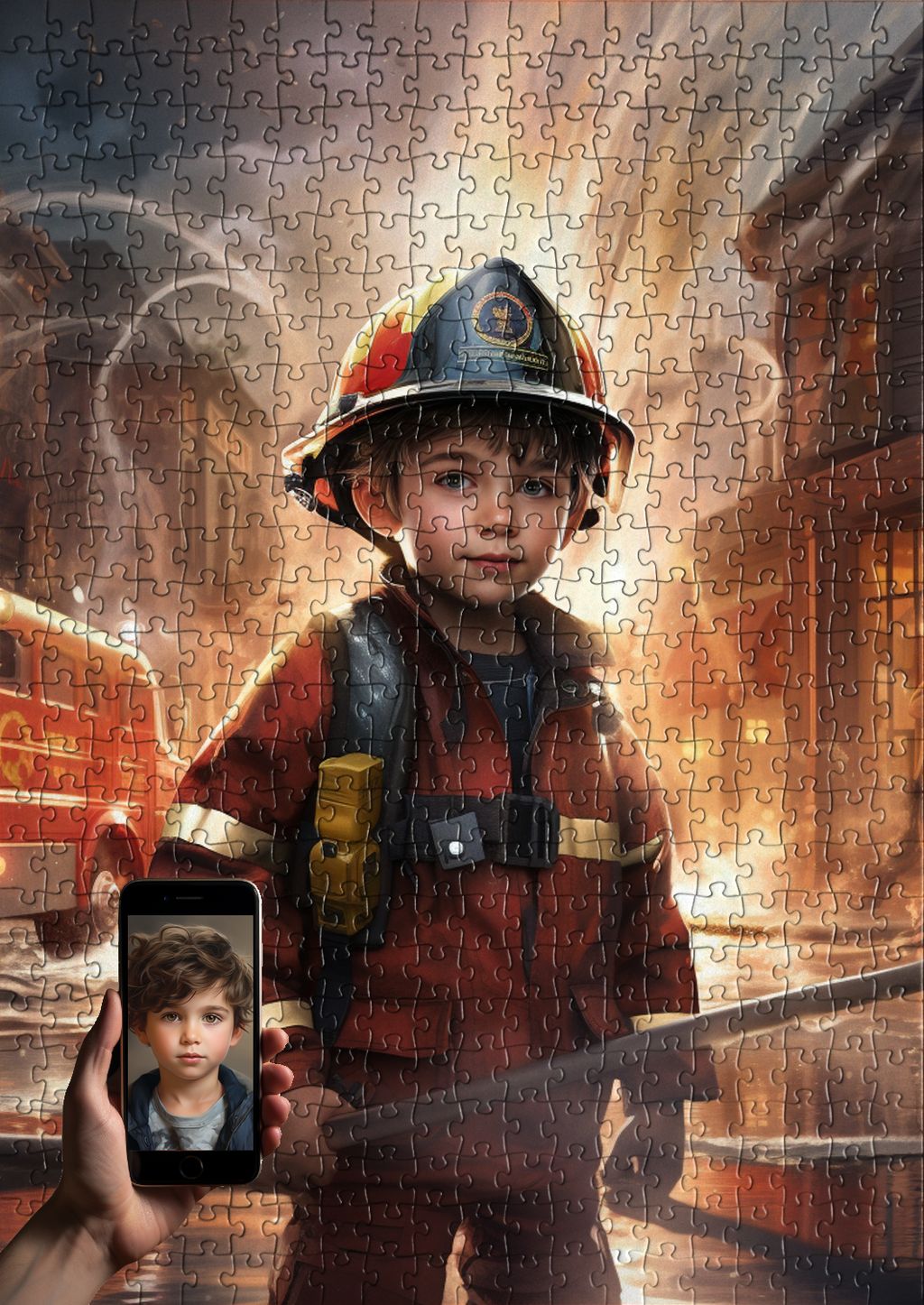
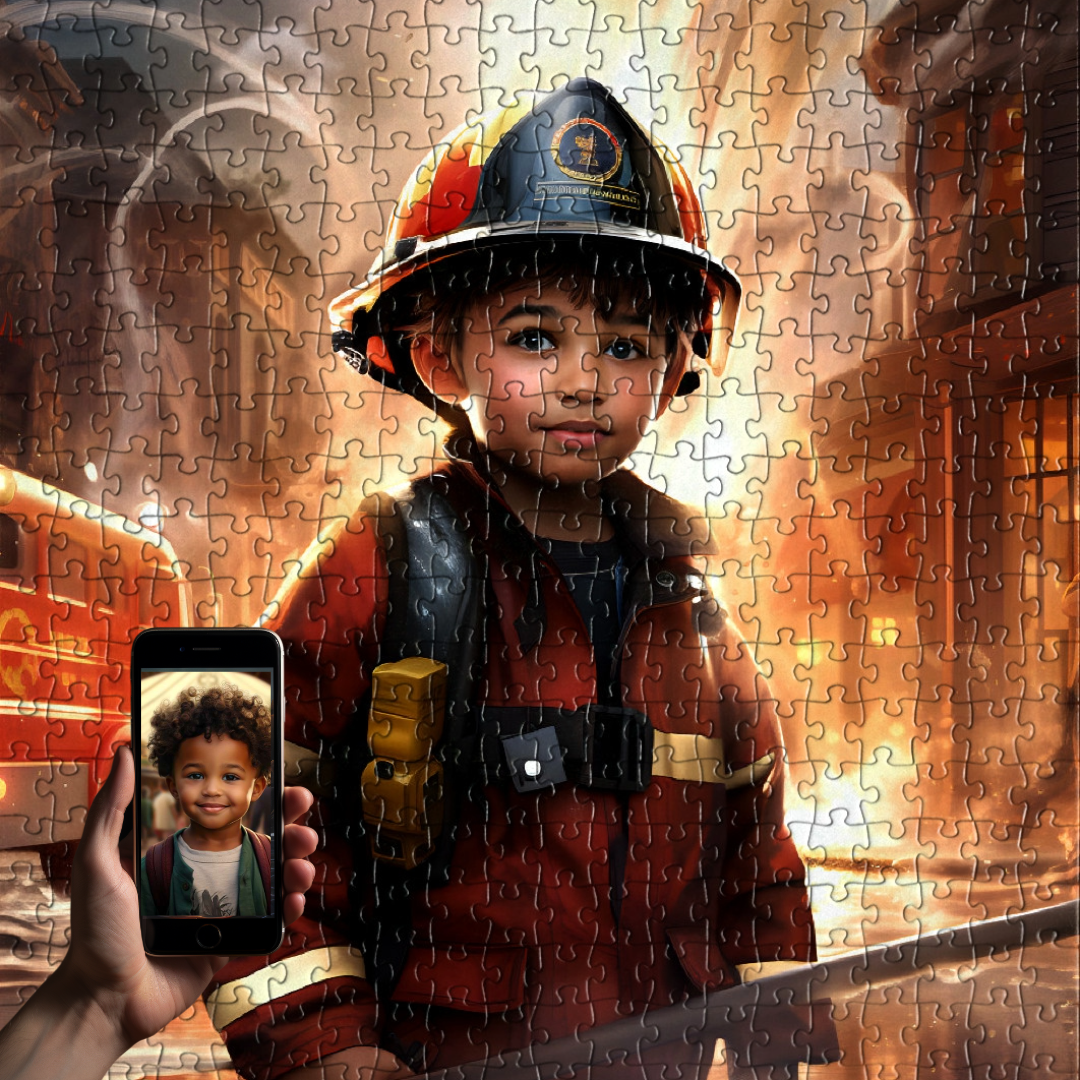
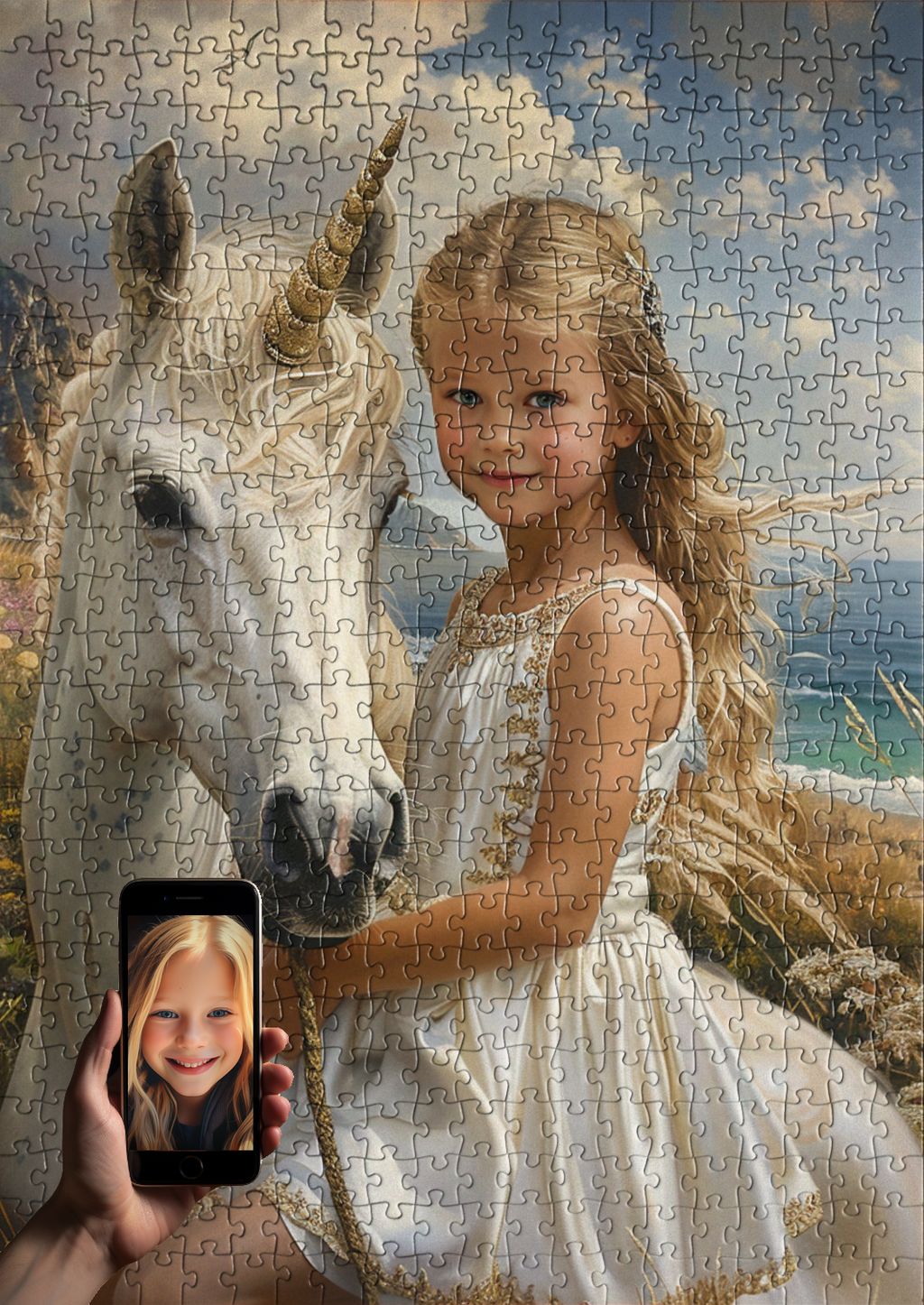
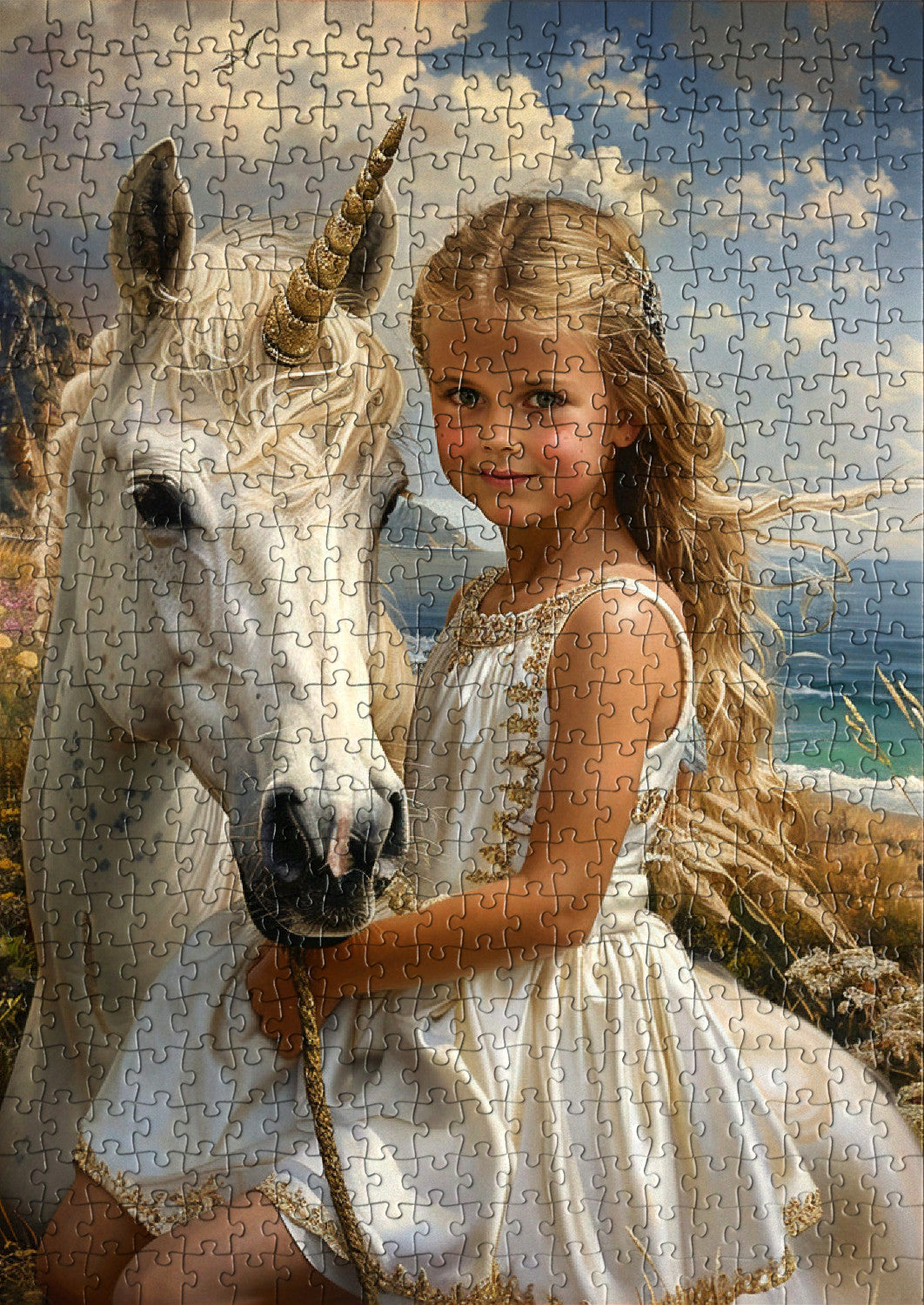
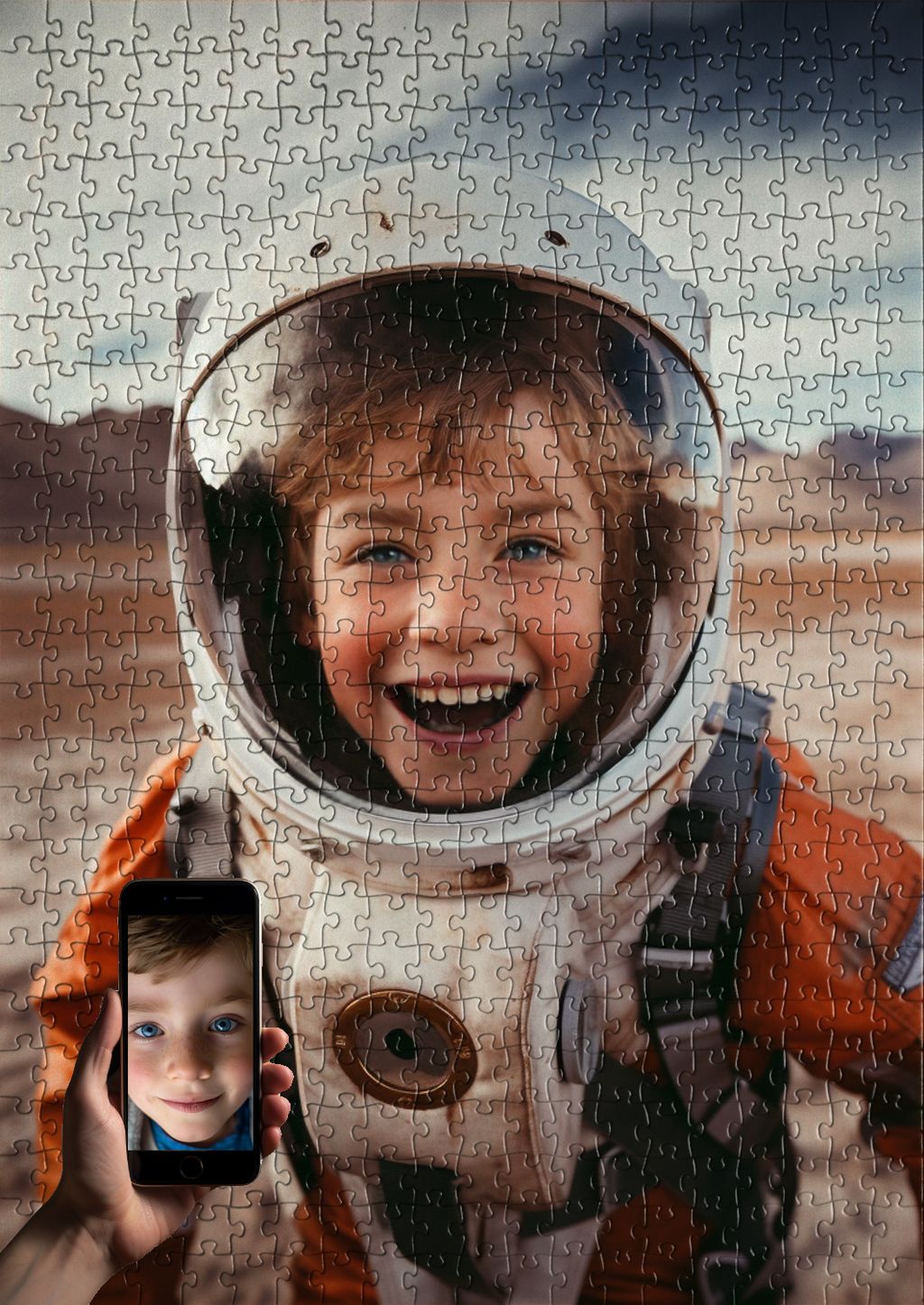
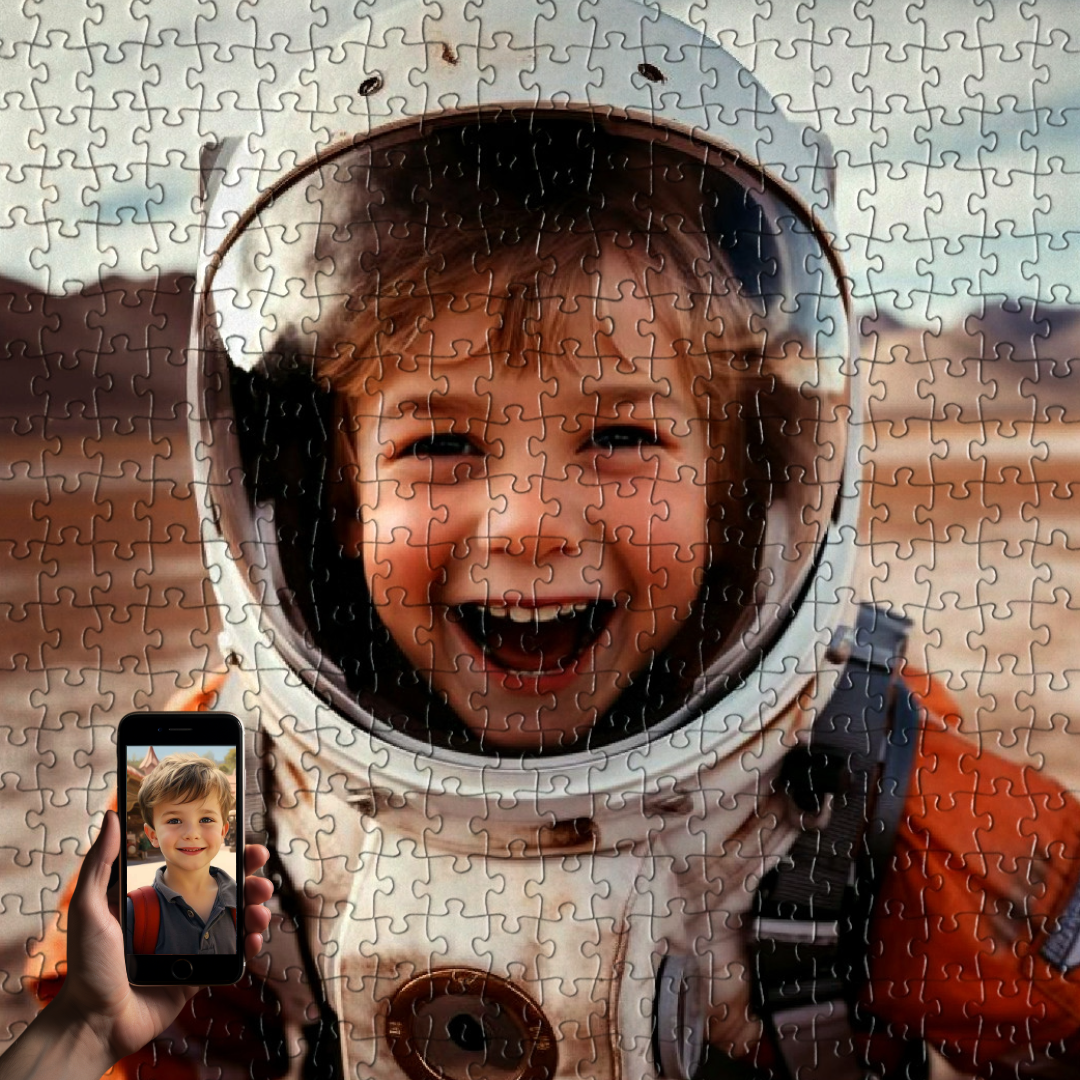
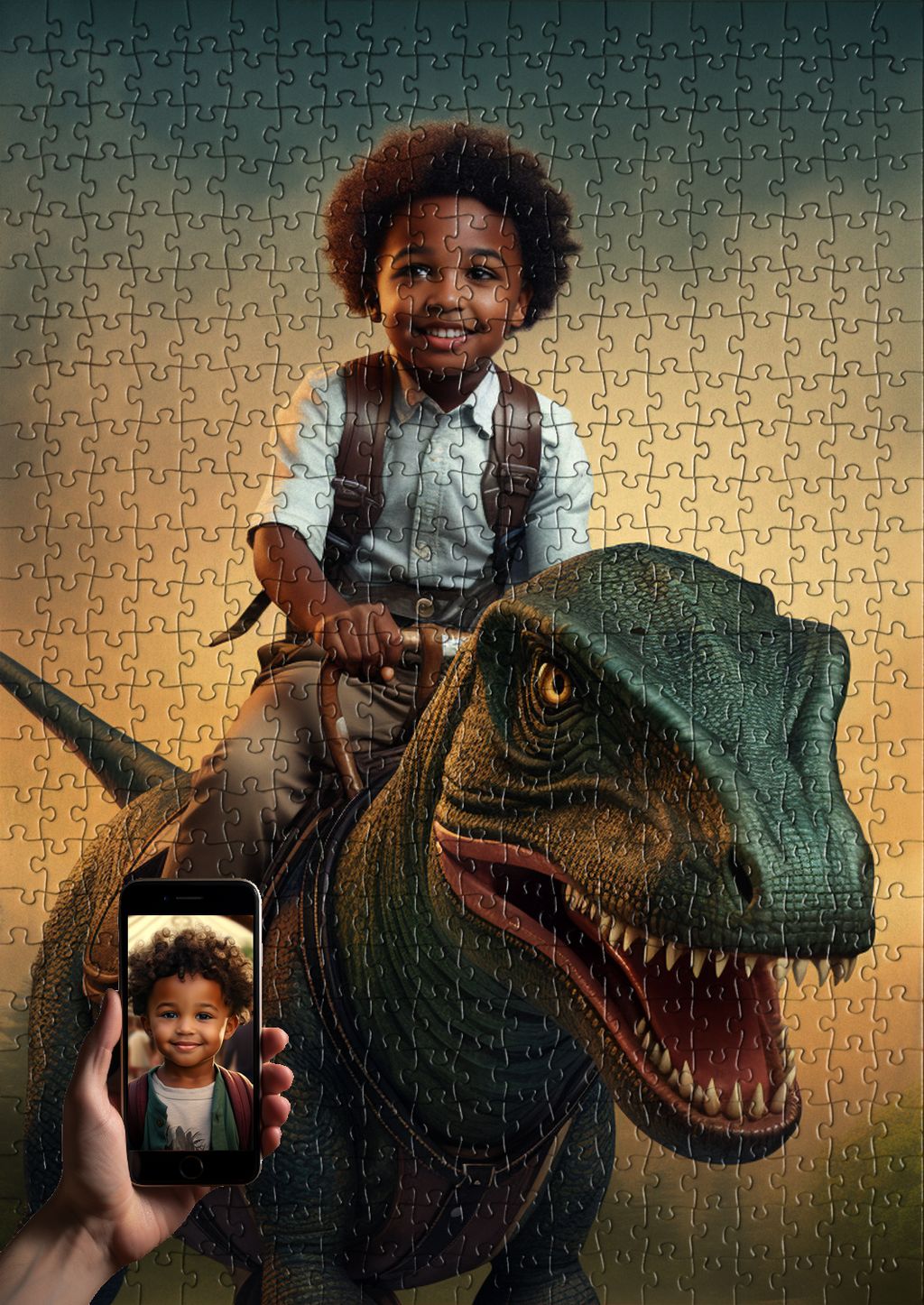
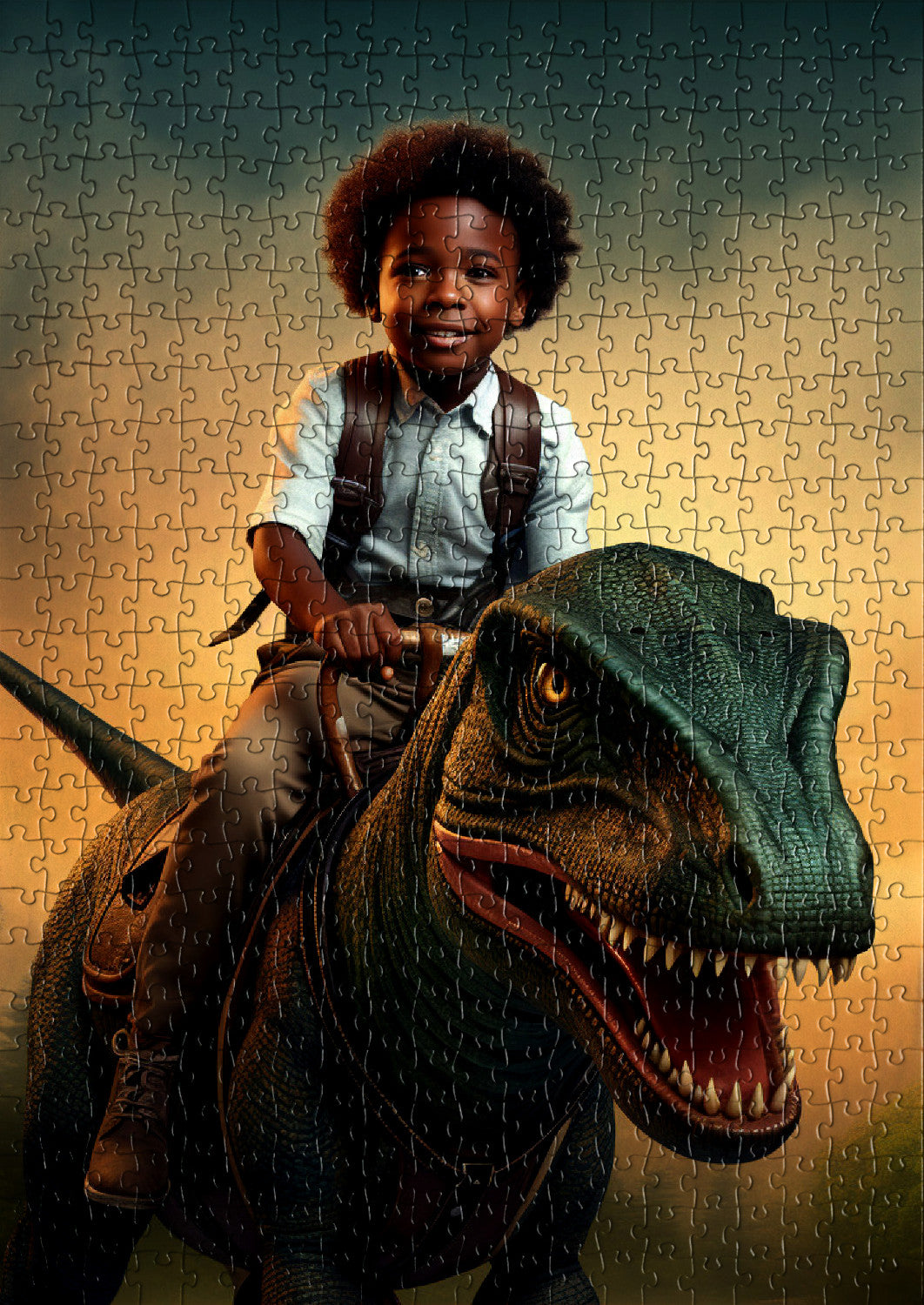
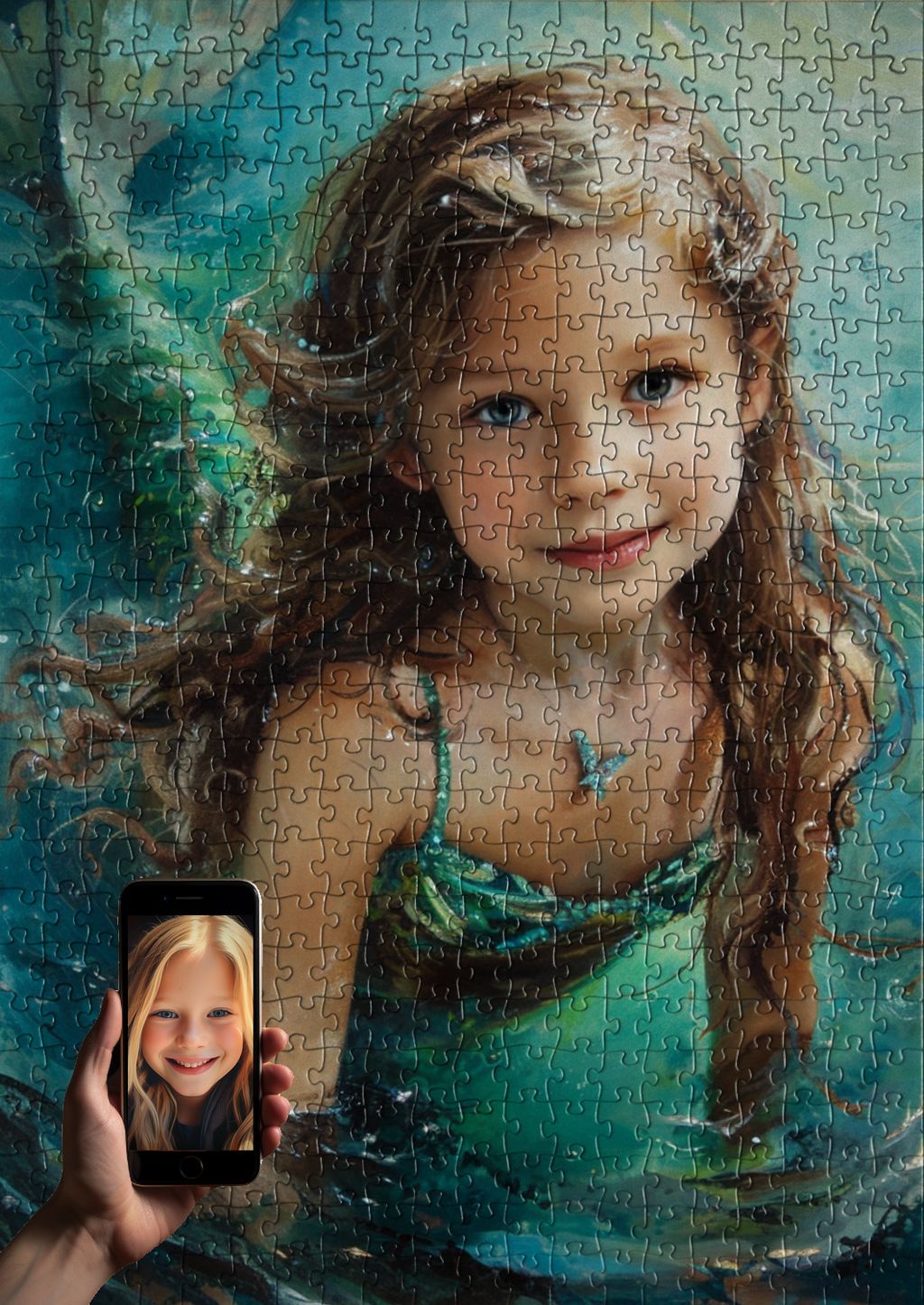
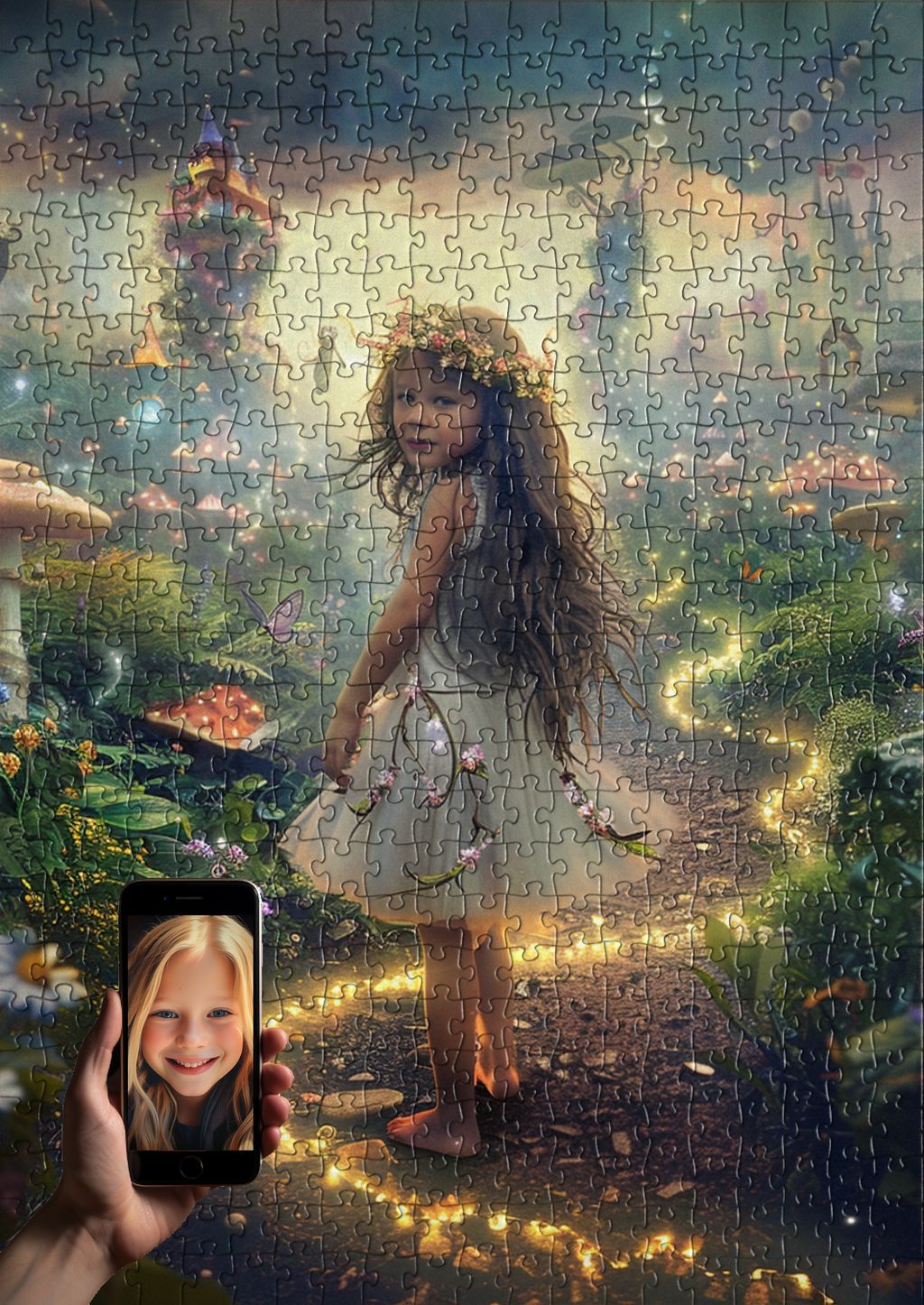
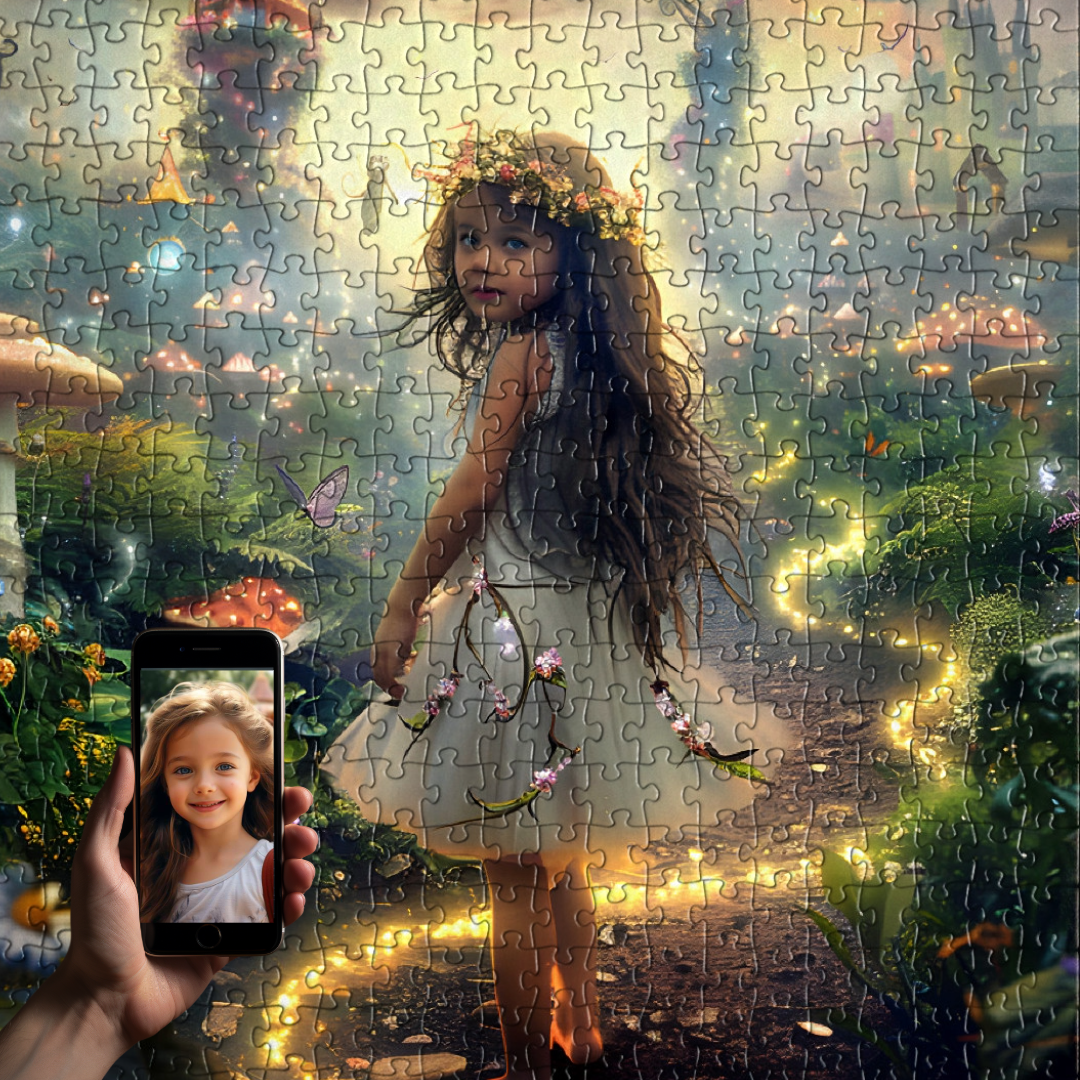
Puzzles are an especially good fit for this work because they invite repeat use and slow attention. A puzzle featuring the child themselves, or a scene that reflects the child's interests, gets pulled out far more often than a generic puzzle and tends to be completed more carefully. For a child who loves dinosaurs, something like a kid riding a dinosaur puzzle sits at the sweet spot between fantasy play and a familiar self-image. For families who want a fully tailored option, services that integrate a child's face into an illustration, or that turn a family photo into a puzzle, extend the same classroom principle into the home. A one-of-a-kind puzzle imagined for a specific child is exactly the kind of identity-affirming object the research supports. SwappyPrint is one option for this, alongside others, and the underlying point is the same regardless of which provider a family chooses: the personalization is what makes the material work.
Keep a family documentation habit
Take a cue from the Reggio tradition and keep a light documentation practice at home. A simple folder or box per child, where you drop in a few drawings, a photo or two, and a sentence the child said each month, becomes a portfolio over time. Children love revisiting their own past work. It builds a sense of continuity and competence that no purchased product can replicate.
A few words on language: scaffolding and schema
Two terms come up often in conversations about personalization, and they are worth a quick definition because they are useful but not always explained.
- Scaffolding is the support an adult provides that lets a child do something they could not yet do alone. A photo next to a child's name on a job chart is scaffolding for reading their name. The scaffold can be removed as the child becomes able to read the name on its own.
- Schema refers to the mental frameworks children build to understand the world. Identity is one of the most important early schemas. Personalized materials feed that schema with consistent, accurate information: this is my name, this is my family, this is my place.
Knowing the terms is not necessary to use the practices well. But when a teacher mentions them at a parent meeting, you will know they are not jargon for its own sake. They describe real, observable processes.
What to look for in a high-quality program
Parents researching preschools often ask what concrete signs distinguish a thoughtful program from one that is merely pleasant. Personalization offers several useful indicators.
- Children's photographs appear in the environment in functional ways, not just on a decorative welcome wall.
- Teachers can speak specifically about each child's interests, family, and developmental edges without consulting a roster.
- Documentation is visible: drawings dated, observation notes posted near projects, growth shown over time.
- Materials reflect the actual children in the room, including their languages, family structures, skin tones, and cultural backgrounds.
- Year-end keepsakes go beyond a generic class photo and reflect the specific year these specific children had together.
None of these require an expensive school. Many of the most personalized classrooms operate on modest budgets, with teachers who simply prioritize this work.
Frequently Asked Questions
Is personalization just another word for spoiling a child?
No. Personalization in the early childhood sense is about recognition, not indulgence. A name on a cubby and a photo on an attendance chart do not teach a child they are the center of the universe. They teach a child they are a known and accountable member of a community. The data on attachment and engagement are clear: feeling seen supports learning, it does not undermine it.
My child's classroom does not do much of this. Should I be concerned?
Not necessarily. Many excellent programs personalize in ways that are not immediately visible to a visitor, through teacher knowledge of each child, individualized observations, and small daily rituals. If you are curious, ask the teacher how they get to know each child and how they share that knowledge with families. The answer will tell you more than the wall decor.
Are personalized materials appropriate for children with sensory or attention differences?
Often, yes, and sometimes especially so. Children who find busy environments overwhelming frequently anchor to personalized cues: their own photo, their own name, their own labeled spot. Occupational therapists and special educators have used personalized visual supports for years. As with any material, the right choice depends on the individual child, but personalization is generally a help rather than a hindrance.
Can I do this if I cannot print photos at home?
Yes. The principle matters more than the format. Hand-drawn name cards, a child's own self-portrait taped to their door, or a small collection of objects that belong to the child in a clearly defined space all do the same work. Photo printing is convenient, not required.
At what age does this stop mattering?
It changes form rather than stopping. Older children still benefit from environments that reflect them, but the materials shift from photos and name cards to chosen books, displayed work, and meaningful personal objects. The underlying need to feel known and to see oneself in the learning environment persists well into adolescence and arguably for life.
Closing thought
What teachers are doing with personalized materials is not new, and it is not complicated. They are taking the everyday tools of a classroom and quietly tuning them to the specific children in the room. Parents can do the same at home, with photos on a shelf, a homemade book at bedtime, or a puzzle that puts a child's own face into the story. The objects are small. What they signal is large: you are known here, you belong here, and the people who care for you have prepared this place with you in mind. That is a foundation worth building, one personalized piece at a time.

Share and get 15% off!
Simply share this product on one of the following social networks and you will unlock 15% off!