
You know the moment. The host has just walked you to the table, your toddler is already kicking off her shoes, the menus are oversized, the waiter looks rushed, and somewhere in the back of your brain a clock has started ticking. Forty-five minutes minimum. Three courses if you're being optimistic. One small human who has, generously, twelve minutes of patience in her body. Your phone sits in your bag, glowing faintly, whispering that one episode of Bluey would solve everything.
If you've ever caved and handed over the tablet in a restaurant, you are not a bad parent. You are a hungry parent who would like to eat a warm meal and have a sentence with another adult. That is a reasonable thing to want. This article is not here to shame anyone for the occasional screen rescue. It exists because most parents we talk to actually want a Plan A that isn't the iPad, and they want it to be realistic. Not a Pinterest fantasy kit that takes ninety minutes to assemble. Something you can actually keep in your bag and pull out when the bread basket runs dry.
The trick, we've found, is preparation that happens once, not every time. A small restaurant kit, refreshed gently every week or two, that lives in your diaper bag or car. A few categories of activities that work with how a toddler's brain actually functions at a table: short bursts of focus, sensory input, novelty, and connection with the adults around them. Below we walk through five categories of alternatives, what's realistic at each age between two and four, and a printable checklist you can screenshot before your next dinner out. We'll also address the screen-time guilt head-on, because pretending it doesn't exist helps no one.
The goal here isn't a perfect, screen-free meal. The goal is having more tools in your back pocket than just the one in your hand.
What's Actually Realistic at the Table by Age
Before we get to the kit, let's set honest expectations. A lot of restaurant meltdowns happen because we're asking a toddler to behave like a slightly smaller adult, and they cannot. Their bodies are not built for stillness, their stomachs do not want a three-course tasting menu, and their sense of time is more or less nonexistent.
The two-year-old
A two-year-old can reasonably sit and engage with something for about five to ten minutes at a stretch, then needs a change. Plan for two or three short activity cycles before food arrives, plus a walk around the restaurant or a trip to look at the fish tank if there is one. Don't aim for stillness, aim for contained movement.
The three-year-old
By three, attention span at a table stretches to ten to fifteen minutes on a beloved activity, especially something with their hands. They can follow a simple game ("can you find something red on this menu?") and they're starting to understand waiting, even if they don't enjoy it. This is the sweet spot for sticker books.
The four-year-old
A four-year-old can often manage fifteen to twenty-five minutes on a focused activity and can be drawn into adult conversation in short bursts. They love being given a "job" (counting people in the restaurant, picking the dessert). Puzzles, drawing prompts, and conversation games really start to land here.
If you keep these windows in mind, a one-hour meal is roughly three to four activity cycles. That's the math. Your kit needs to cover four shifts, not one long stretch.
1. Sticker Books and Reusable Sticker Pads
If we could only recommend one thing, it would be this. Stickers are the workhorse of restaurant survival because they hit every developmental note at once: fine motor practice, choice-making, quiet focus, and visual delight. They also have a built-in time structure, peel, place, admire, repeat, that suits a toddler's rhythm perfectly.
A few things make stickers work better in restaurants specifically:
- Reusable cling stickers (the static-cling vinyl kind) won't leave residue on the table or your toddler's chair, which servers will love you for.
- Scene-based sticker books from brands like Usborne or Melissa & Doug give your child a backdrop and a goal, not just a sheet of random shapes. The structure helps with longer attention.
- One small book per outing, kept "only for restaurants." Novelty is half the magic. The book your toddler has been peeling at home for three weeks will not save you.
Rotate two or three sticker books in and out of your bag every couple of weeks. A book that disappears for a month feels brand new when it comes back.
2. The Mini Activity Bag (Rotated Weekly)
This is the closest thing to a magic trick in our experience. Take a small zippered pouch, the size of a pencil case, and fill it with three or four tiny things. Not toys from home that your child already plays with. Slightly novel things, refreshed every Sunday night.
What goes inside:
- A small wind-up toy or a finger puppet
- A tiny notebook and two or three chunky crayons or twist crayons (no caps to lose)
- A few wooden animals or mini figurines
- A short board book or two
- One "surprise" item your child has never seen, picked up for two dollars at a craft store
The key word is rotation. The same four items will lose their charm by the third restaurant trip. Take two items out each week, replace them with something from a "rotation box" you keep at home. You're not buying more stuff, you're recycling novelty.
Present the pouch only at the restaurant. Never in the car, never at home. Its job is to be the restaurant friend.
3. Snack-as-Entertainment
One of the most underused tools is the snack itself. Toddlers don't separate eating from playing the way adults do, so a thoughtfully arranged snack plate can buy you a solid fifteen minutes that otherwise would have been pure squirming.
Some ideas that work well in a restaurant context, where you've usually got bread, butter, olives, and whatever you've smuggled in from your bag:
- Deconstructed foods. Instead of handing over a sandwich, give the toddler the components: a small pile of cheese cubes, a few crackers, a couple of cucumber sticks. The building is the activity.
- Dipping sauces. A tiny ramekin of ketchup, hummus, or yogurt turns any plain food into an event. Bring a small silicone cup with a lid if your restaurant doesn't reliably offer one.
- Themed snack plates. Arrange three foods into a face. A blueberry mouth, two raspberry eyes, a banana-slice nose. It takes thirty seconds and gets a genuine giggle.
- Bread, slow. If there's a bread basket, tear one roll into small pieces yourself rather than handing the whole thing over. You've just turned one roll into ten servings.
This isn't about making your toddler eat more. It's about using food they were going to interact with anyway as a structured, hands-on activity.
4. Conversation Games and "I Spy" Variants
The category most parents skip is also the cheapest: just talking to your kid. Restaurants are sensory goldmines if you frame them that way. There are paintings on the walls, plants in pots, weird light fixtures, other people's hats, a chalkboard menu, fish in a tank.
A few games that work without any equipment:
- I Spy, toddler edition. "I spy something blue." Keep the categories simple, colors, shapes, animals on the menu illustrations.
- Counting hunts. "How many lights can you count on the ceiling?" "How many people are wearing glasses?" Works beautifully for ages three and up.
- Would you rather, gentle version. "Would you rather have a pet dragon or a pet penguin?" Four-year-olds especially love this and will keep it going for a startling length of time.
- Menu detective. Hand them the menu (yes, the real one) and ask them to find letters they know, or pictures of foods they've eaten before.
- Story building. "Once upon a time there was a small frog who walked into a restaurant... what happens next?" Take turns adding one sentence.
These cost nothing, weigh nothing, and have the side effect of being actual connection time with your child, which is what you probably wanted from the meal out in the first place.
5. Travel-Sized Puzzles with Contained Pieces
Puzzles in restaurants get a bad reputation because parents picture a 100-piece set sliding off the table onto a sticky floor. The trick is scale and containment. A puzzle of around 20 to 30 pieces, packaged in a sturdy box or tin that doubles as a tray, fits the brief perfectly. Pieces stay on the table, the activity has a clear end, and your child gets the deep, almost meditative focus that comes with fitting one shape into another.
Why puzzles work especially well at a restaurant:
- They have built-in control of error, the piece either fits or it doesn't, so your child can self-correct without you needing to intervene every thirty seconds.
- They're quiet, which both the restaurant and the parents at the next table will appreciate.
- A finished puzzle gives a four-year-old a sense of accomplishment, which often translates into a calmer, more cooperative end-of-meal mood.
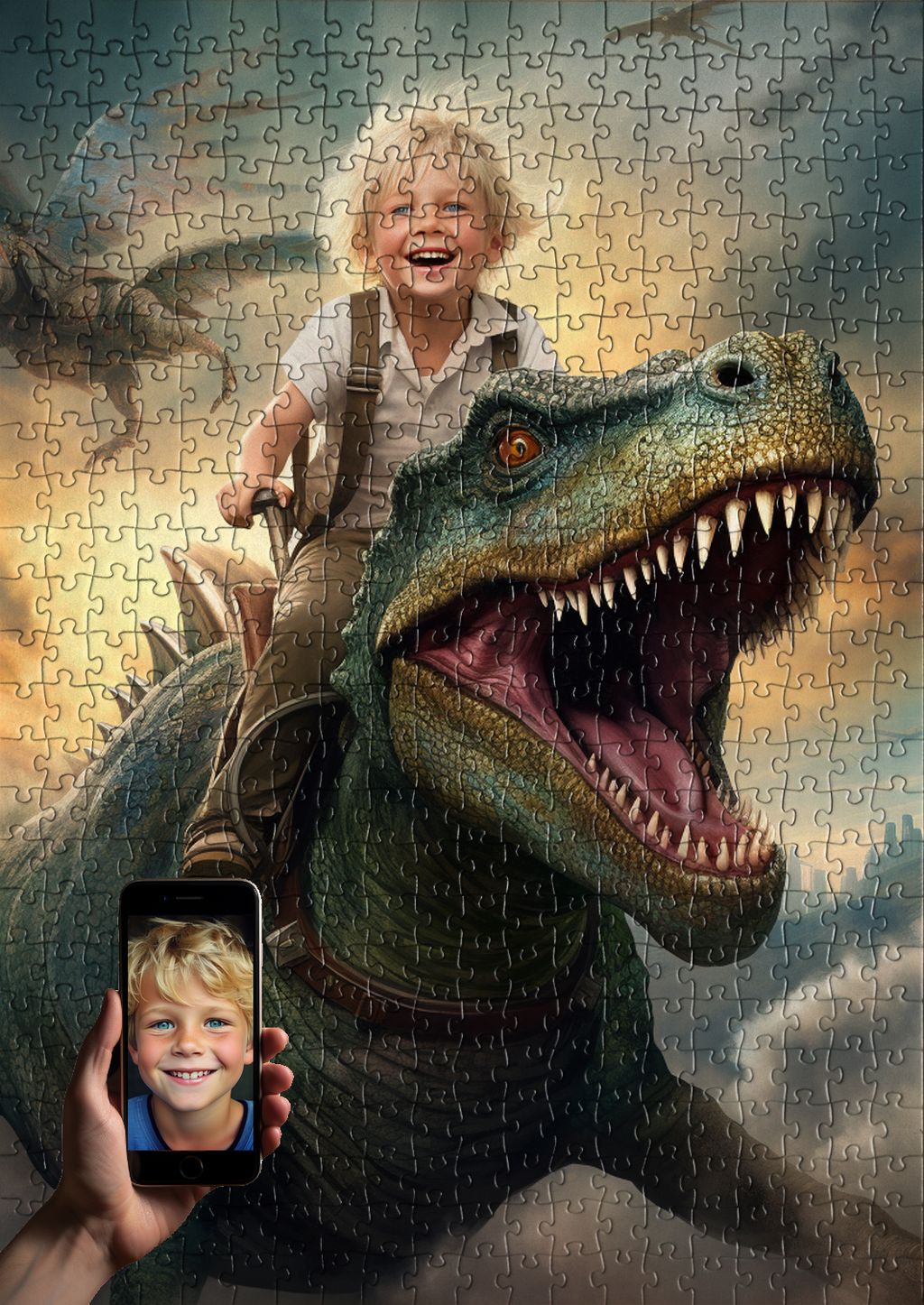
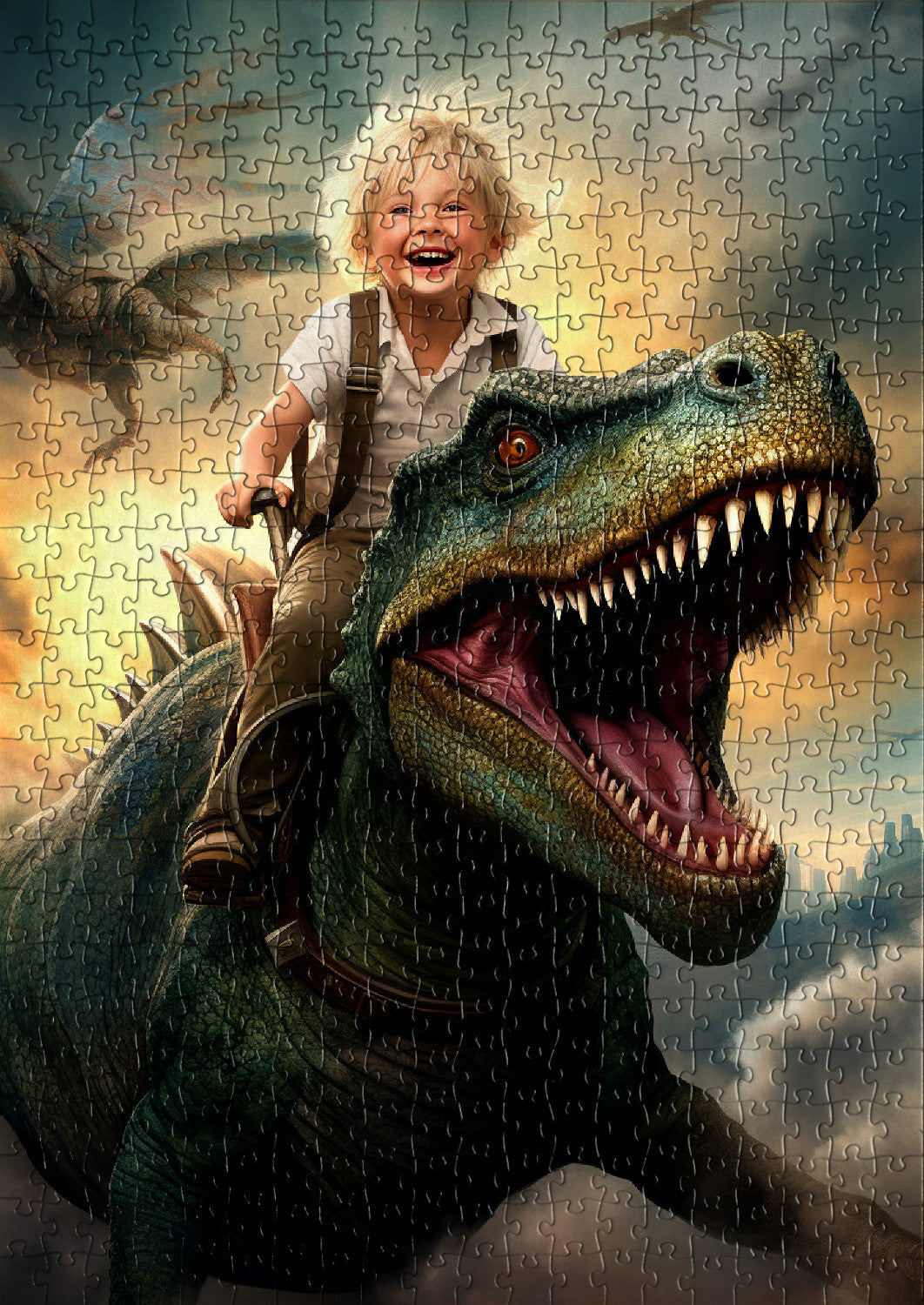
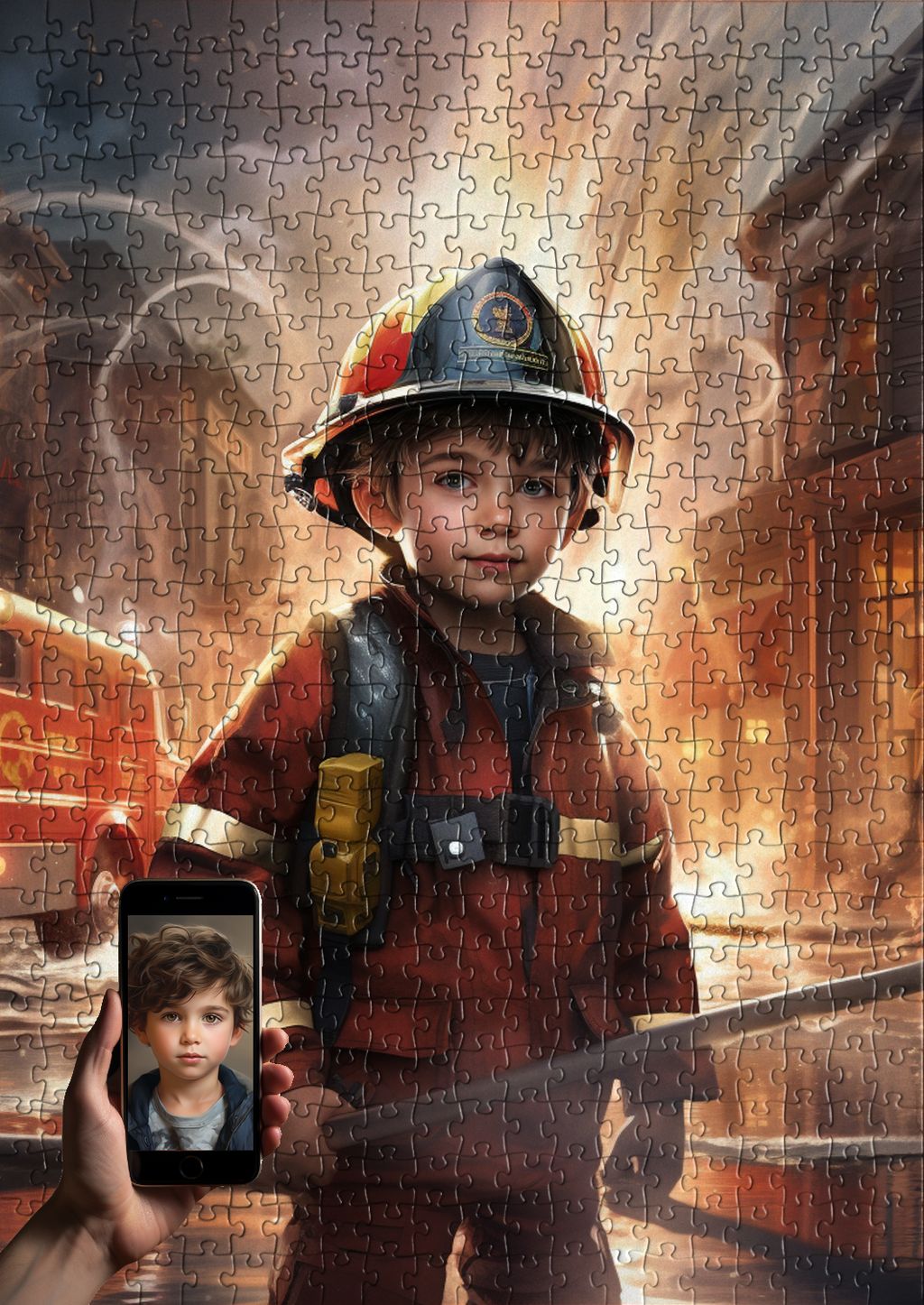
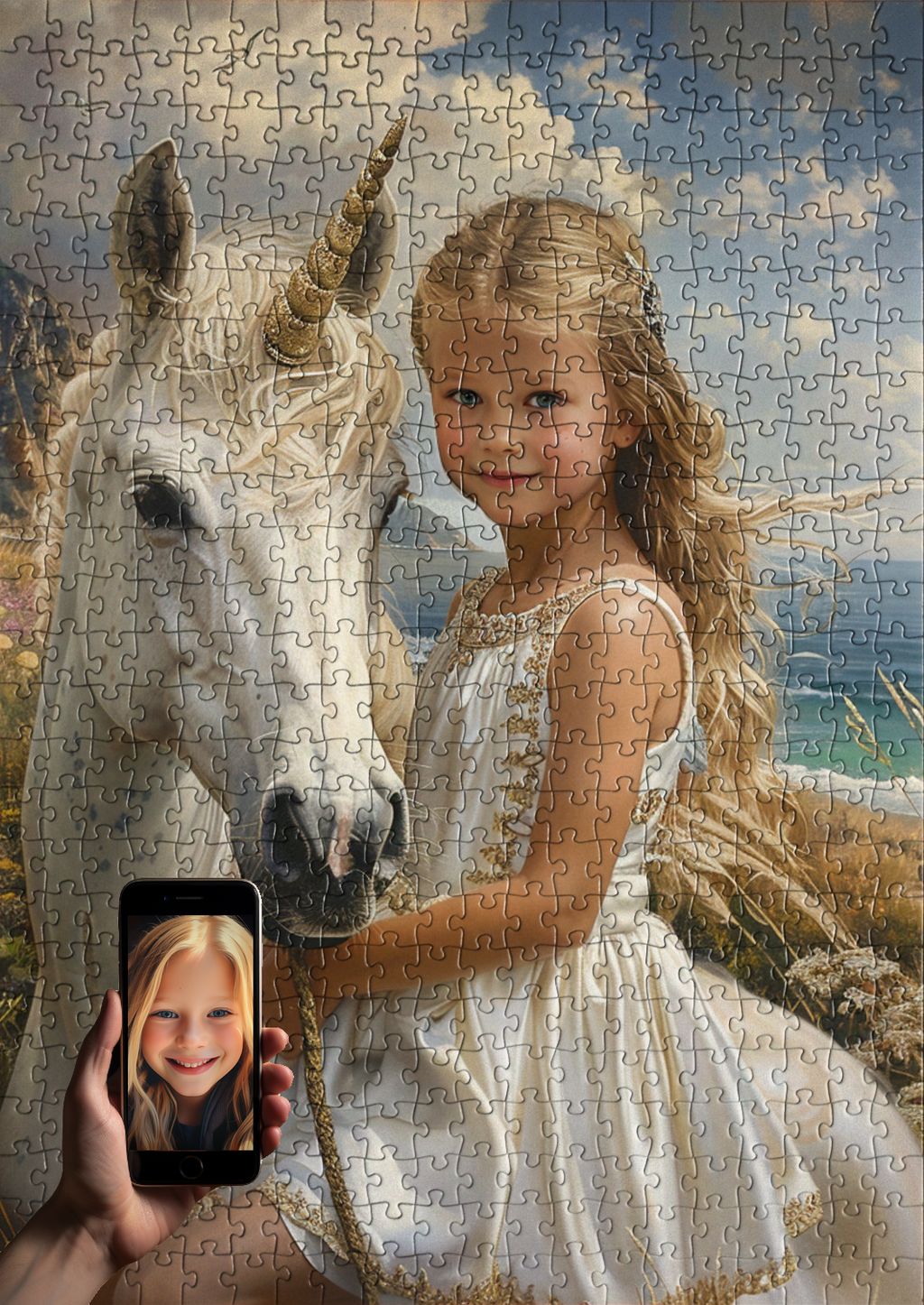
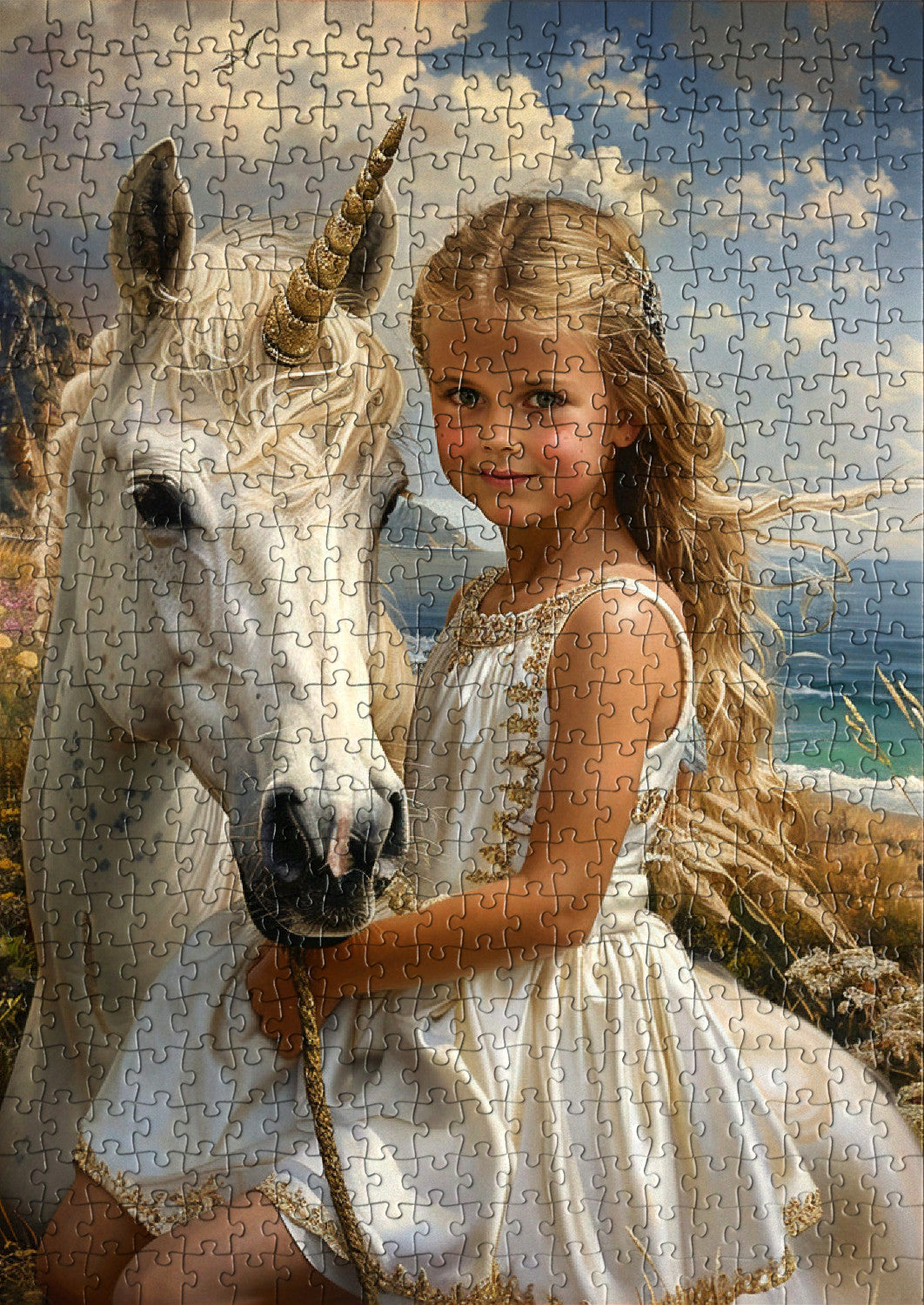
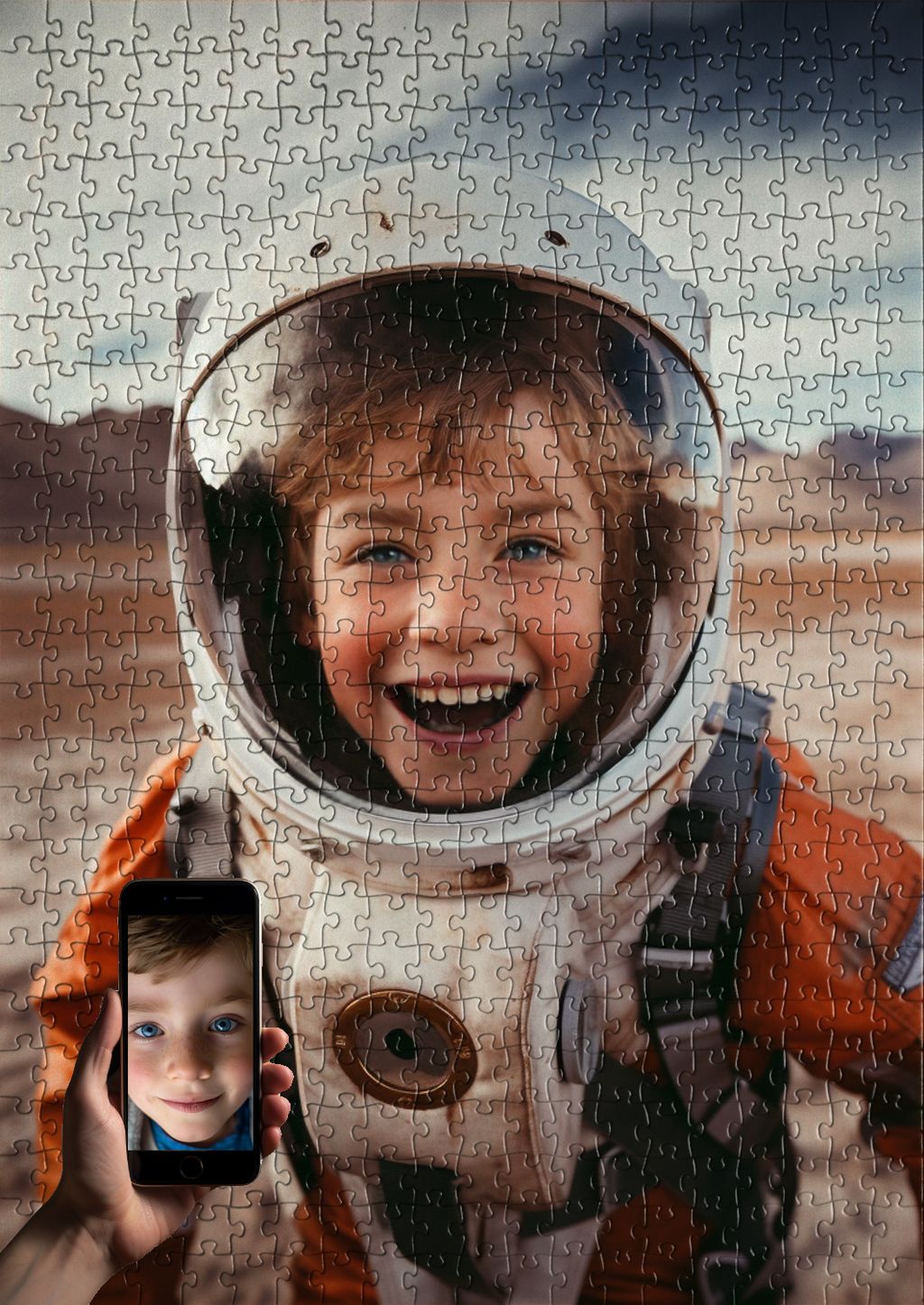
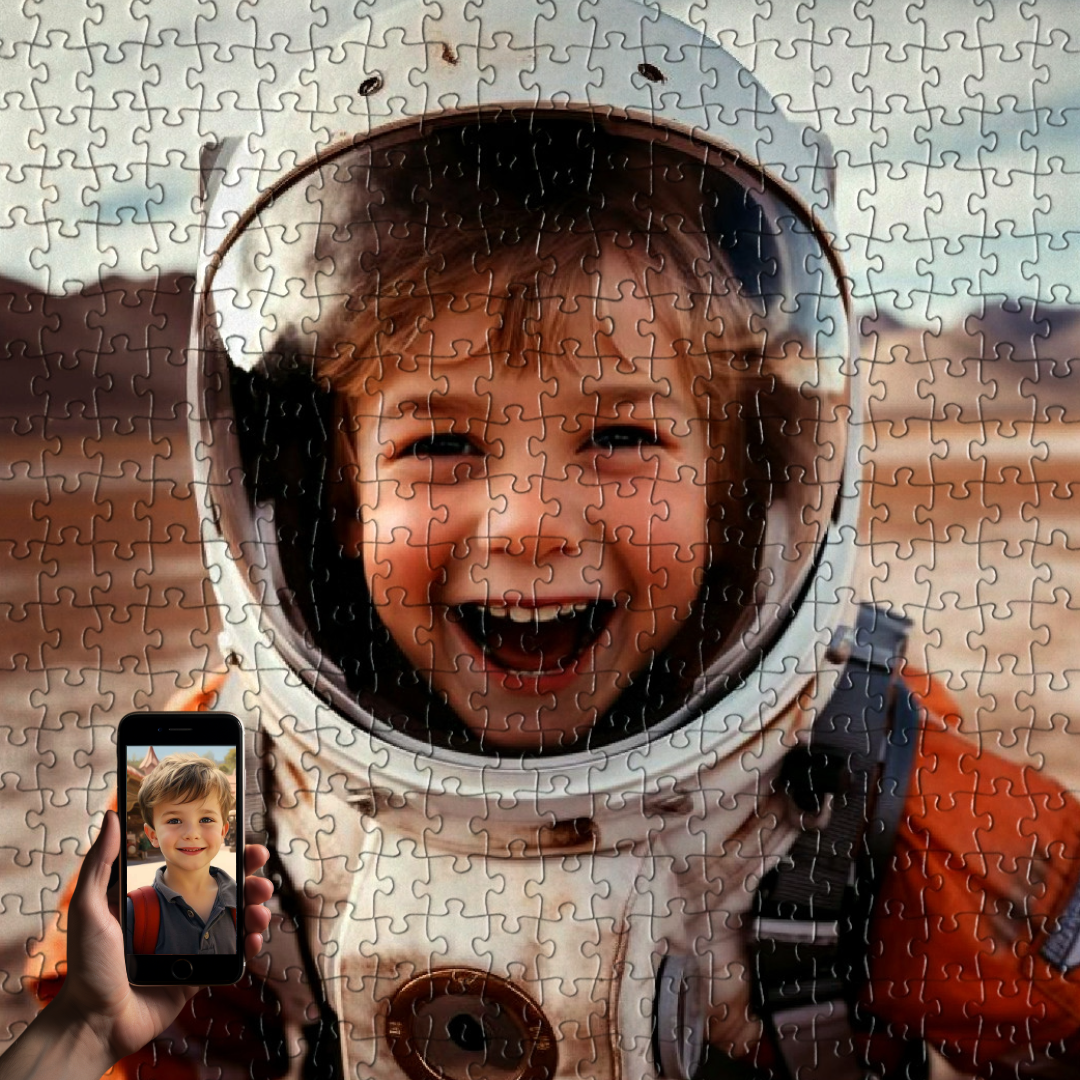
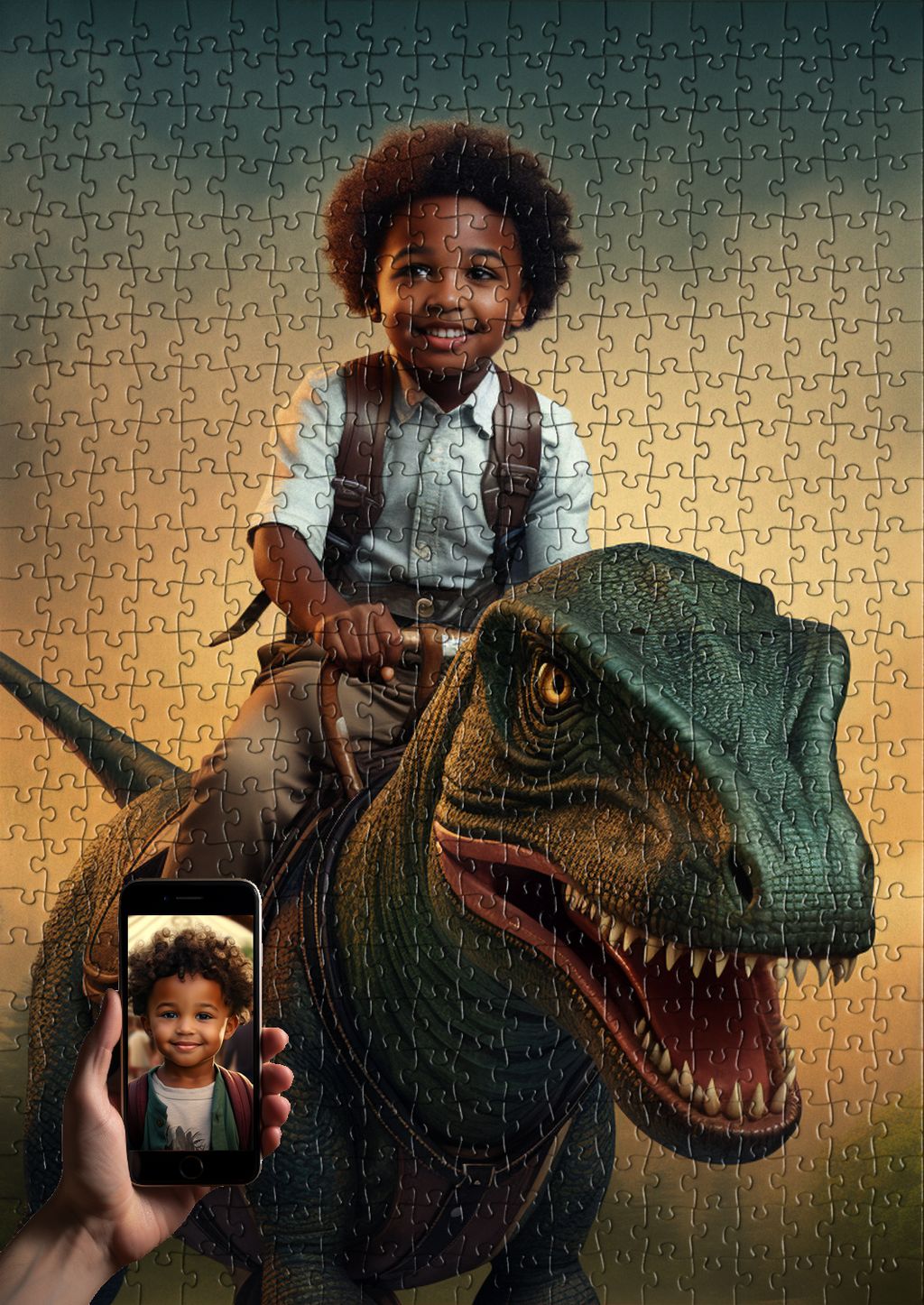
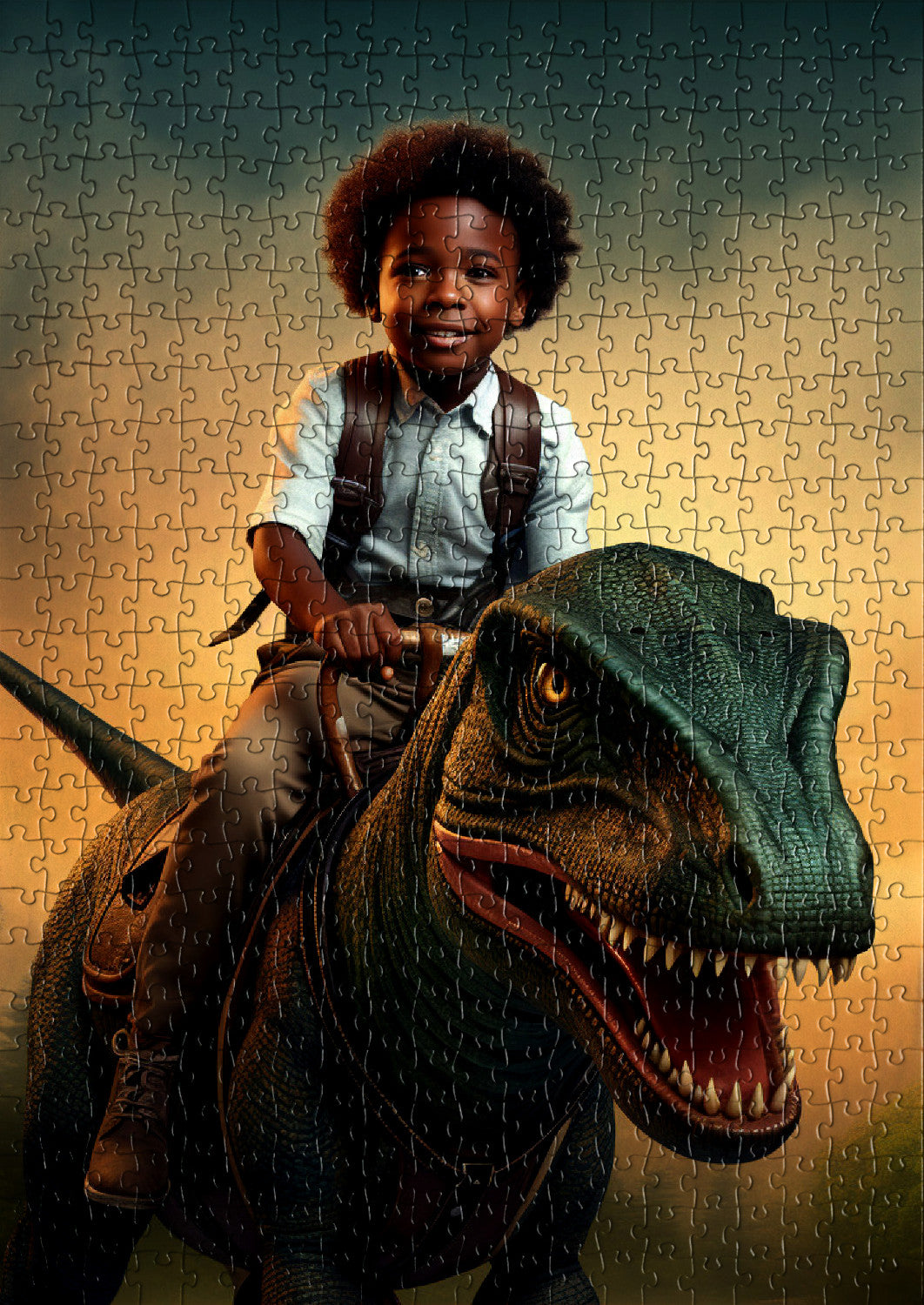
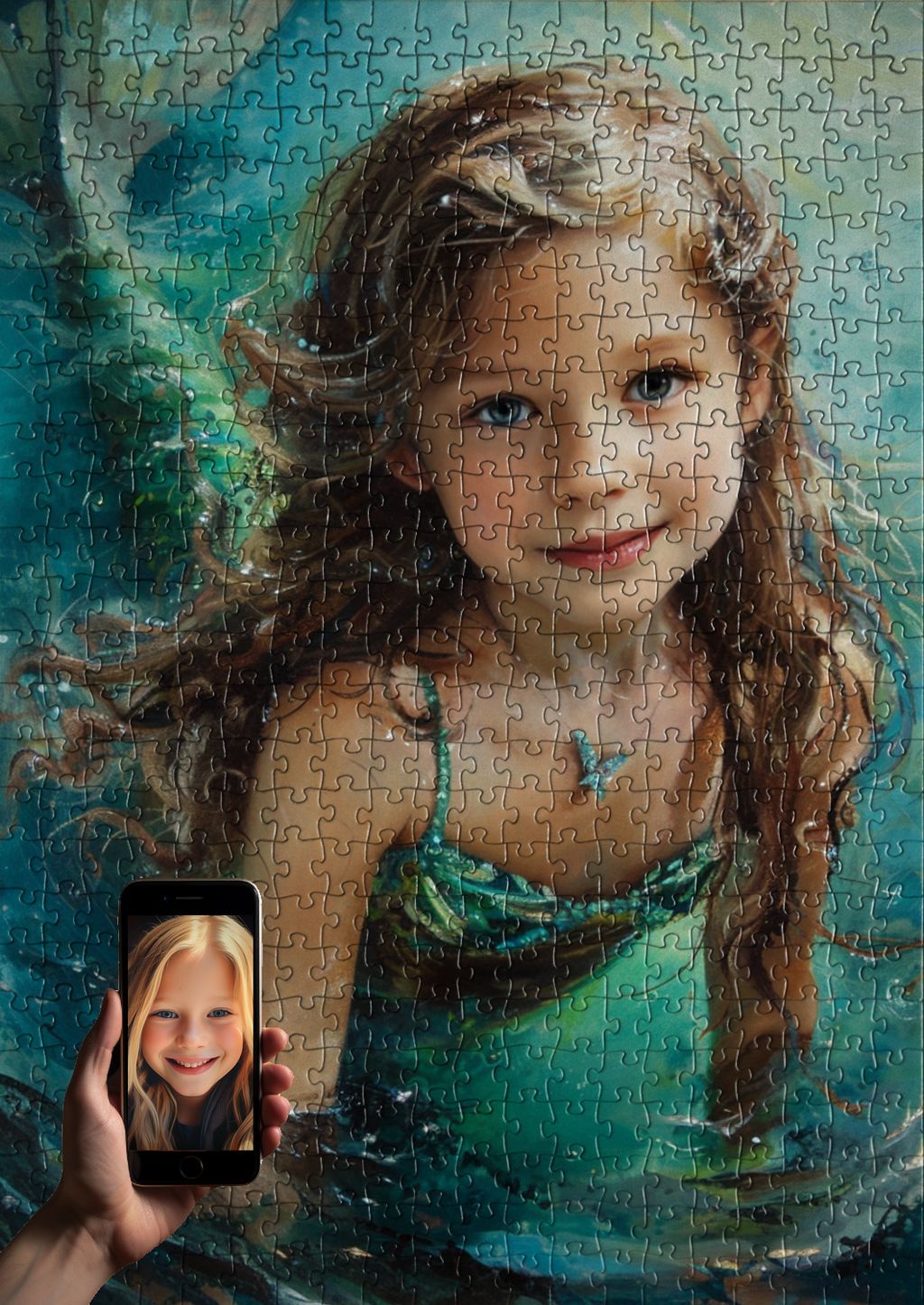
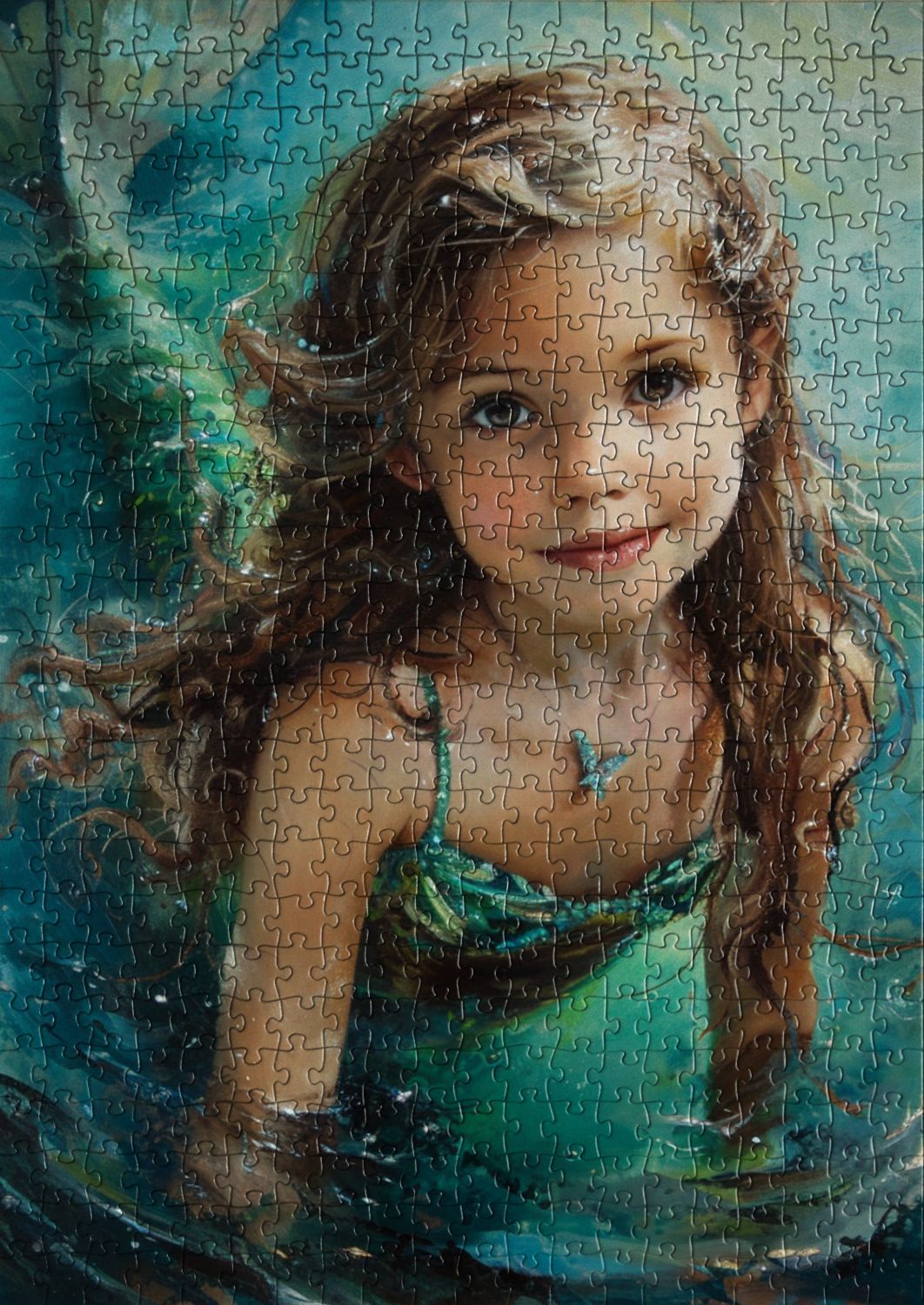
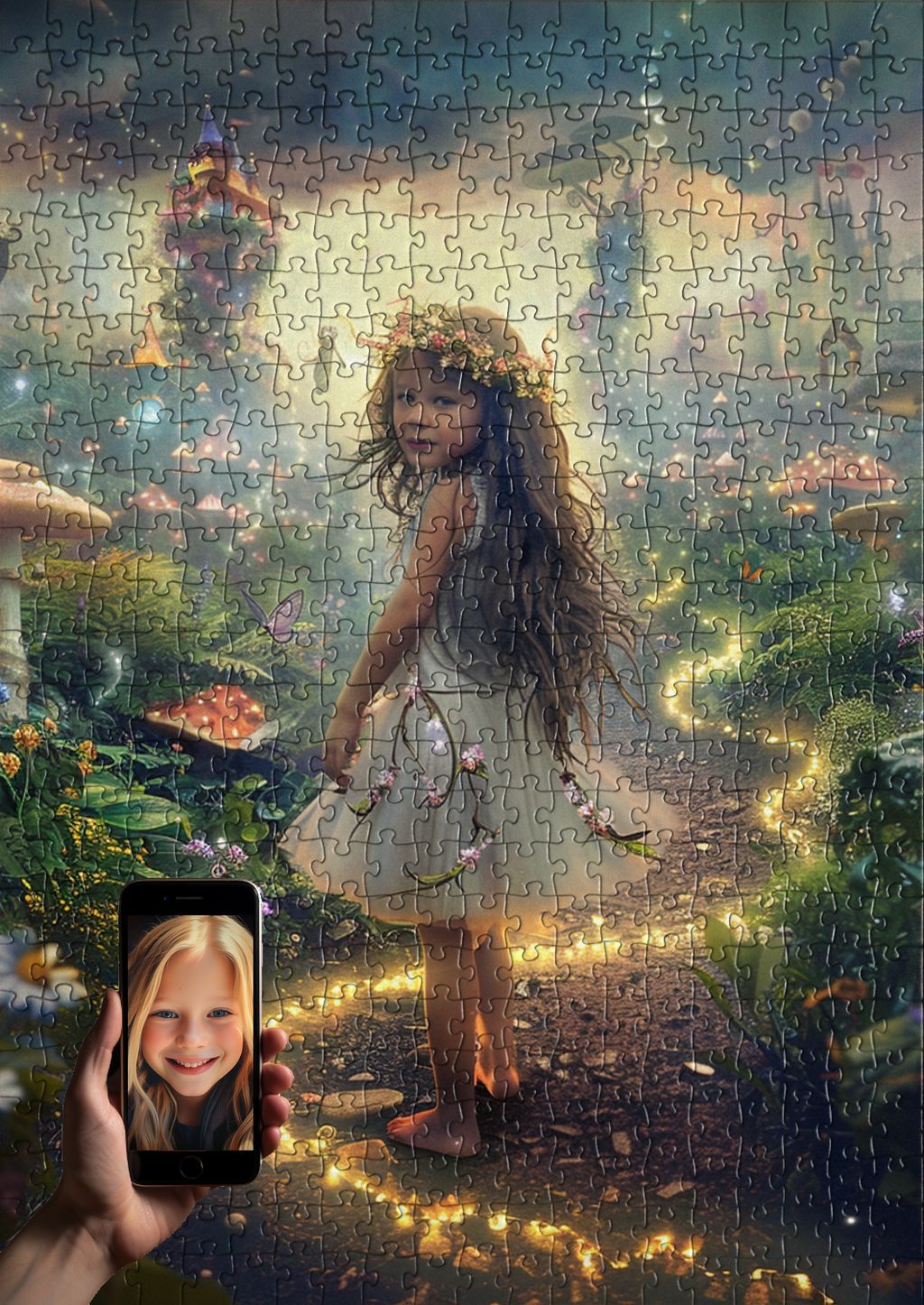
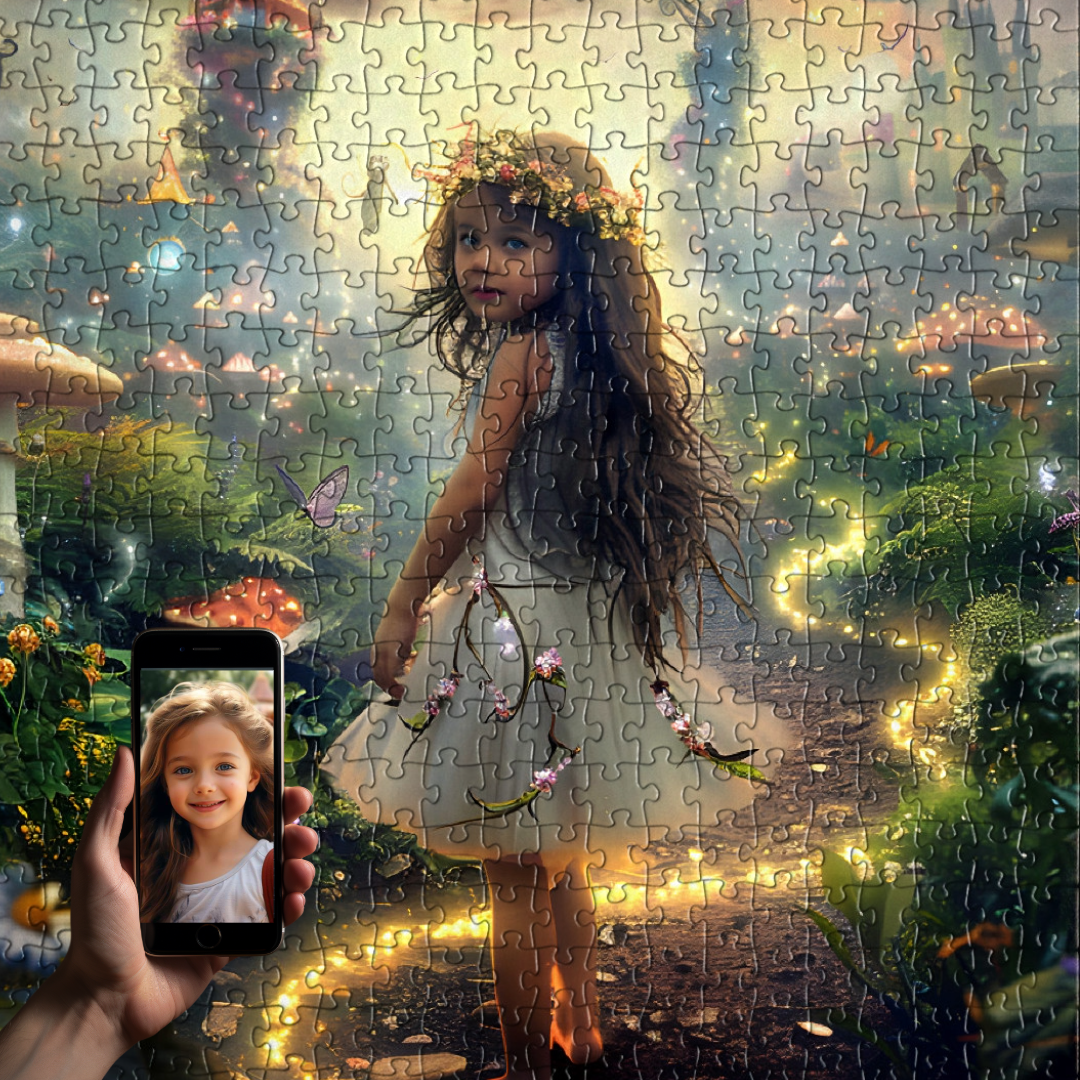
If you want to make the puzzle truly irresistible, consider a personalised one where your child is the hero of the picture. A four-year-old will sit through a dessert course she doesn't even like in order to finish assembling a picture of herself as a superhero, a pirate, or a custom photo puzzle of last summer's beach trip. SwappyPrint's travel-friendly formats are designed to sit on a restaurant table without pieces wandering, and they double as a quiet at-home activity later in the week.
The Screenshot Checklist: Your Restaurant Kit
Here's the kit, distilled. Screenshot this before your next outing and use it as a packing list.
- One small zippered pouch (the size of a pencil case)
- One sticker book reserved for restaurants only
- Two or three chunky crayons or twist crayons
- One small notebook or pad of paper
- One travel puzzle, 20 to 30 pieces, in a contained box
- One wind-up toy or finger puppet
- One "surprise" item rotated weekly
- A silicone cup with lid for dipping sauces
- A small cloth napkin (doubles as a play mat, a peekaboo prop, a puppet)
- A pack of wet wipes (non-negotiable)
- A mental list of three "I Spy" prompts for your specific child
That's it. The whole thing fits in a gallon-sized bag. Once you've assembled it, the only ongoing work is rotating two items per week so novelty stays alive.
About That Screen-Time Guilt
Let's say it plainly: handing your toddler a phone in a restaurant once in a while is not a parenting failure. It is a coping tool, like coffee or a babysitter or take-out on a Wednesday. The research that worries pediatricians is about chronic, daily, passive screen use, especially as a default emotional regulator. An iPad during your anniversary dinner once a quarter is not that.
What we've found, though, is that parents who have a Plan A actually use the screen less, and feel less stressed about it when they do use it. The kit isn't about being virtuous. It's about giving yourself options. Some nights the sticker book will hold for the whole meal. Some nights you'll get through three activities and still need to hand over the phone for the last fifteen minutes so you can pay the bill in peace. Both are fine. Both are parenting.
A few gentle reframes that have helped families we talk to:
- The kit is for you, not just for them. Your enjoyment of the meal matters too.
- If you do use a screen, headphones and a short, calm show is very different from a loud, fast-cut autoplay loop.
- Build the kit when you're not stressed, not at the table.
- Don't expect your toddler to behave like a different child than they are. A wiggly two-year-old will be wiggly. Choose family-friendly restaurants when you can.
Frequently Asked Questions
What can I give my toddler at a restaurant instead of a phone?
The most reliable swaps are sticker books, a small rotating activity pouch, a contained travel puzzle, deconstructed snacks with dipping sauces, and conversation games like "I Spy." The trick is rotation: the activities feel novel because your child only sees them at restaurants, not at home.
How long should I expect a toddler to sit at a restaurant?
Honestly? Around 45 to 60 minutes, with activity changes every 10 to 15 minutes. A two-year-old will need more breaks and probably a walk. A four-year-old can sit through a longer meal if they have a focused activity like a puzzle or sticker scene. Pick restaurants with reasonable service speed when your child is younger.
Is it bad to give my toddler a tablet at a restaurant?
Occasional screen use at restaurants is not harmful. The research that concerns experts is about heavy daily use, not the once-in-a-while rescue. If screens are your only tool every meal out, it's worth building a small kit so you have alternatives. But there is no shame in using a tablet on the nights you need to.
What's the best quiet activity for a 4-year-old at dinner?
A small puzzle is hard to beat. Twenty to thirty pieces is the sweet spot, big enough to be absorbing, small enough to finish before dessert. A personalised photo puzzle works particularly well because the image is meaningful to the child, which extends focus considerably.
How do I keep restaurant toys novel without buying constantly?
Keep a "rotation box" at home with twelve to fifteen small items. Each week, swap two items between the box and the restaurant pouch. Items your child hasn't seen in three weeks feel brand new. You're recycling novelty, not buying it.
The next time you slide into a booth with a toddler and an oversized menu, you'll have more in your bag than a phone and a prayer. A sticker book, a tiny puzzle, a snack that doubles as a game, and a few conversation prompts in your back pocket. None of it has to be perfect. The point isn't a screen-free badge of honor, it's giving your child interesting things to do with their hands and giving yourself the chance to actually taste your dinner. If you'd like to add a quiet, contained puzzle to your kit, our custom travel-sized puzzles were designed with exactly these moments in mind: small enough for a restaurant table, beloved enough to come out again at home.


Share and get 15% off!
Simply share this product on one of the following social networks and you will unlock 15% off!