
The tooth wobbles for days. Your child wiggles it at dinner, at bath time, in the car. Then, one ordinary evening, a tiny pearl lands in the palm of a sticky hand and the whole household erupts. A milestone. A rite of passage. And then, a few hours later, you find yourself standing in the hallway at 11pm, holding a five-euro note, wondering when this magical childhood moment quietly turned into a cash transaction.
You are not imagining the shift. The Delta Dental Original Tooth Fairy Poll, which has tracked tooth fairy payouts in the United States since 1998, has reported average gifts climbing past five dollars in recent years, with many households leaving ten or even twenty for a first tooth. Parents in France, Spain, Belgium and beyond report the same creeping inflation. What used to be a shiny coin slipped under a pillow now feels suspiciously like a payday. And while children certainly do not complain, plenty of parents have started to. The ritual was supposed to feel enchanted. Instead, it feels like an ATM that visits at night.
Here is the good news: you can absolutely opt out of the cash race without disappointing your child. In fact, the families who report the most joyful tooth fairy traditions tend to be the ones who replaced (or supplemented) the bill with something a little more imaginative. A handwritten note. A trail of glitter on the windowsill. A tiny book. A keepsake that says, this mattered.
Below are twelve tooth fairy gift ideas that bring the magic back, organized roughly from smallest gesture to most heirloom-worthy. Most cost between five and thirty euros. All of them work beautifully for children aged four to nine, which is the typical window for losing baby teeth. Pick one. Mix a few. Build your own family tradition.
Why the Cash Habit Started (and Why It's Okay to Break It)
The tooth fairy as we know her is surprisingly young. The character only became widespread in English-speaking households in the mid-twentieth century, riding the wave of postwar Disney enchantment and a new cultural appetite for child-centred rituals. Before that, the customs were stranger and far more tactile. A lost tooth might be buried in the garden, tossed onto the roof, fed to a mouse, or tucked into a hole in a tree.
In other words: cash was never the point. The point was marking a transformation, the body of a small child quietly preparing to become a bigger one. When we slip a banknote under the pillow, we are using money as a stand-in for that meaning. It works, but only just. A more imaginative gesture often lands deeper, both for the child and, honestly, for us.
12 Tooth Fairy Gift Ideas That Feel Like Magic Again
1. A tiny letter from the fairy herself
Write a short note on the smallest paper you can find, ideally no bigger than a playing card. Sign it with a swirly initial, sprinkle a pinch of fine glitter inside the fold, and slip it under the pillow. Mention something specific: a kind thing your child did this week, the brave way they wiggled the tooth, the colour of their pyjamas. The specificity is what makes it land. Budget: free. Sweet spot: ages 4 to 8.
2. A glitter trail on the windowsill
A pinch of biodegradable glitter (or edible sugar sparkles) traced from the window to the pillow tells a whole story without saying a word. Children will inspect it in the morning like tiny forensic scientists. If glitter horrifies you, a few silver star-shaped paper punches work just as well and vacuum up easily. Budget: 2 to 5 euros. Sweet spot: ages 4 to 7.
3. A single small book
One picture book, chosen with intention, can outlast a hundred coins. Look for stories about bravery, growing up, or tiny magical worlds. Slip it under the pillow with a ribbon and a note that says the fairy thought your child might like it. Reading it together becomes part of the ritual. Budget: 8 to 15 euros. Sweet spot: ages 4 to 9.
4. A milestone coin
Instead of regular cash, leave one special coin: a foreign euro from a country you have travelled to, a commemorative two-euro piece, or a polished old centime. Tell your child the fairy collects coins from around the world and chose this one just for them. Over the years, the collection itself becomes the gift. Budget: 2 to 10 euros per visit. Sweet spot: ages 5 to 9.
5. A tooth fairy "passport"
Make or buy a tiny notebook and call it the Fairy Passport. At each visit, the fairy adds a stamp (a star, a moon, a thumbprint in coloured ink) and writes one short line: which tooth was lost, the date, something brave that happened. By the time the last molar falls, your child holds a complete record of their first big chapter of growing up. Budget: 5 to 12 euros. Sweet spot: ages 4 to 9.
6. A keepsake box for the teeth themselves
A small wooden or porcelain box with labelled compartments lets you actually keep the teeth (yes, parents do this, and yes, future-you will be glad). Many come engraved with the child's name. The fairy "borrows" the tooth for the night and returns it tucked into its proper slot. Budget: 15 to 30 euros. Sweet spot: ages 4 to 9.
7. A framed photo of the gap-toothed smile
Take a close-up portrait the day the tooth comes out. Print it small, frame it simply, and let it appear on the bedside table the next morning as a "gift from the fairy who wanted to remember you exactly like this." Children find this hilariously flattering. You will treasure it more than they do. Budget: 10 to 20 euros. Sweet spot: ages 4 to 9.
8. A personalized puzzle marking the milestone
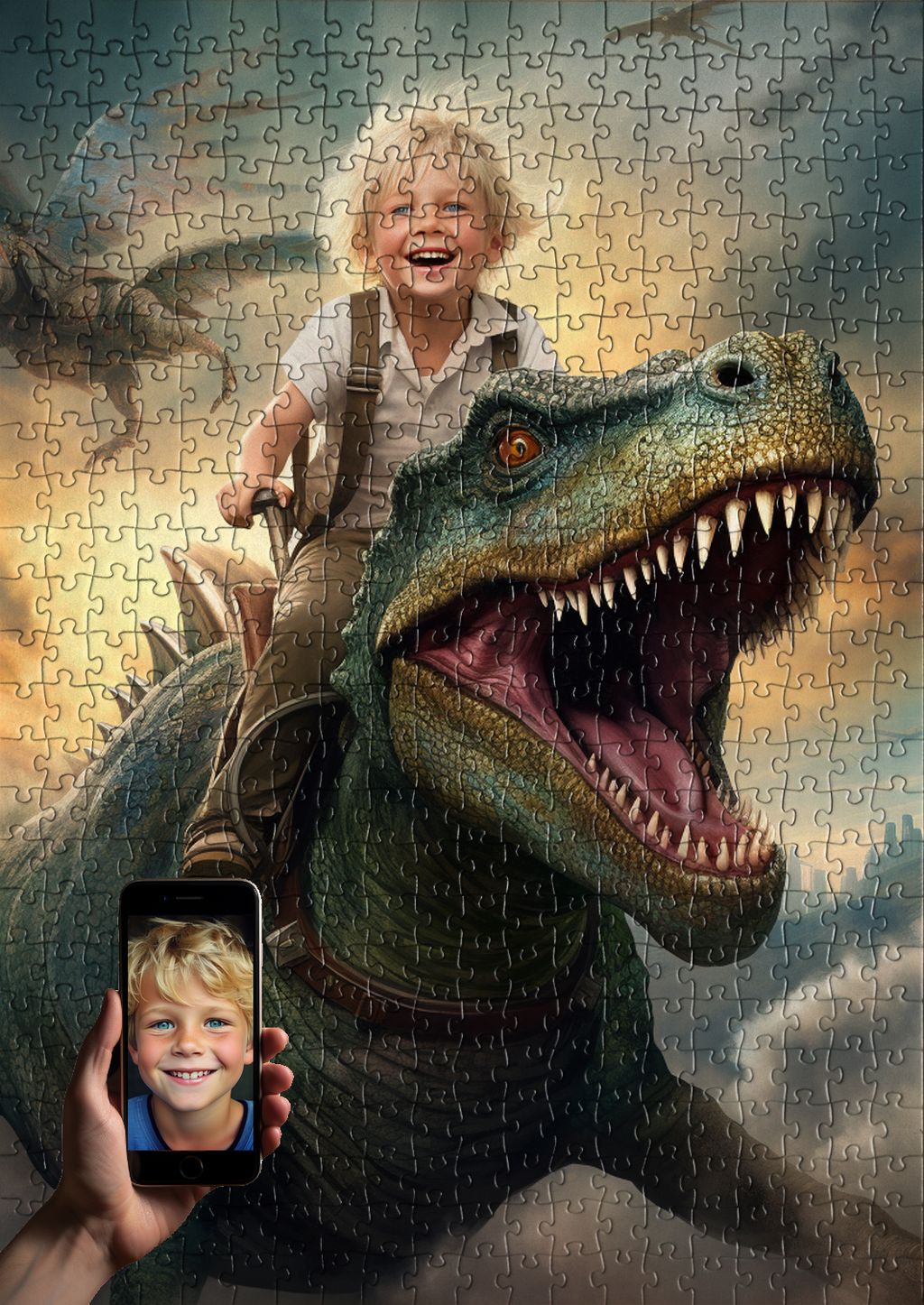
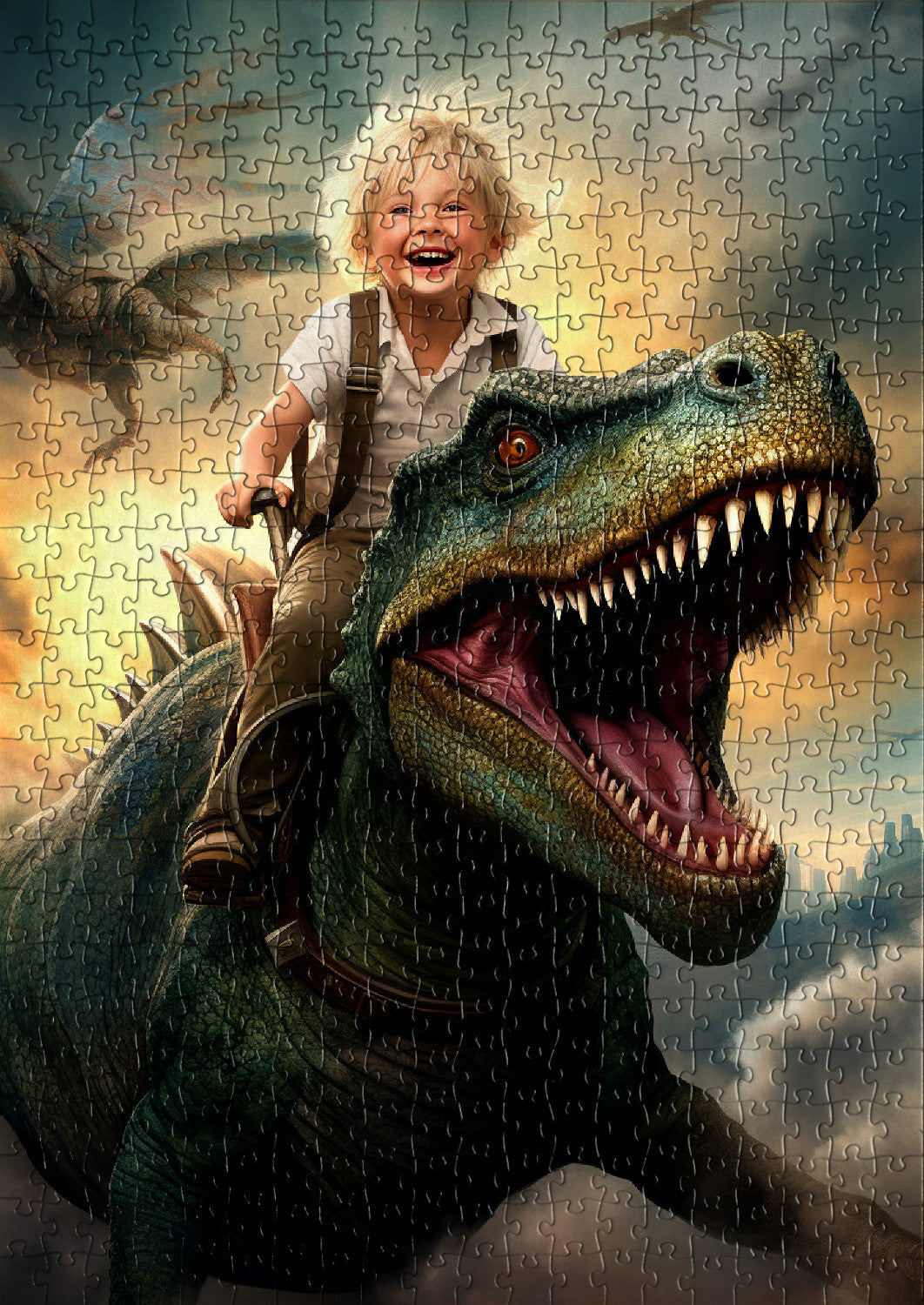
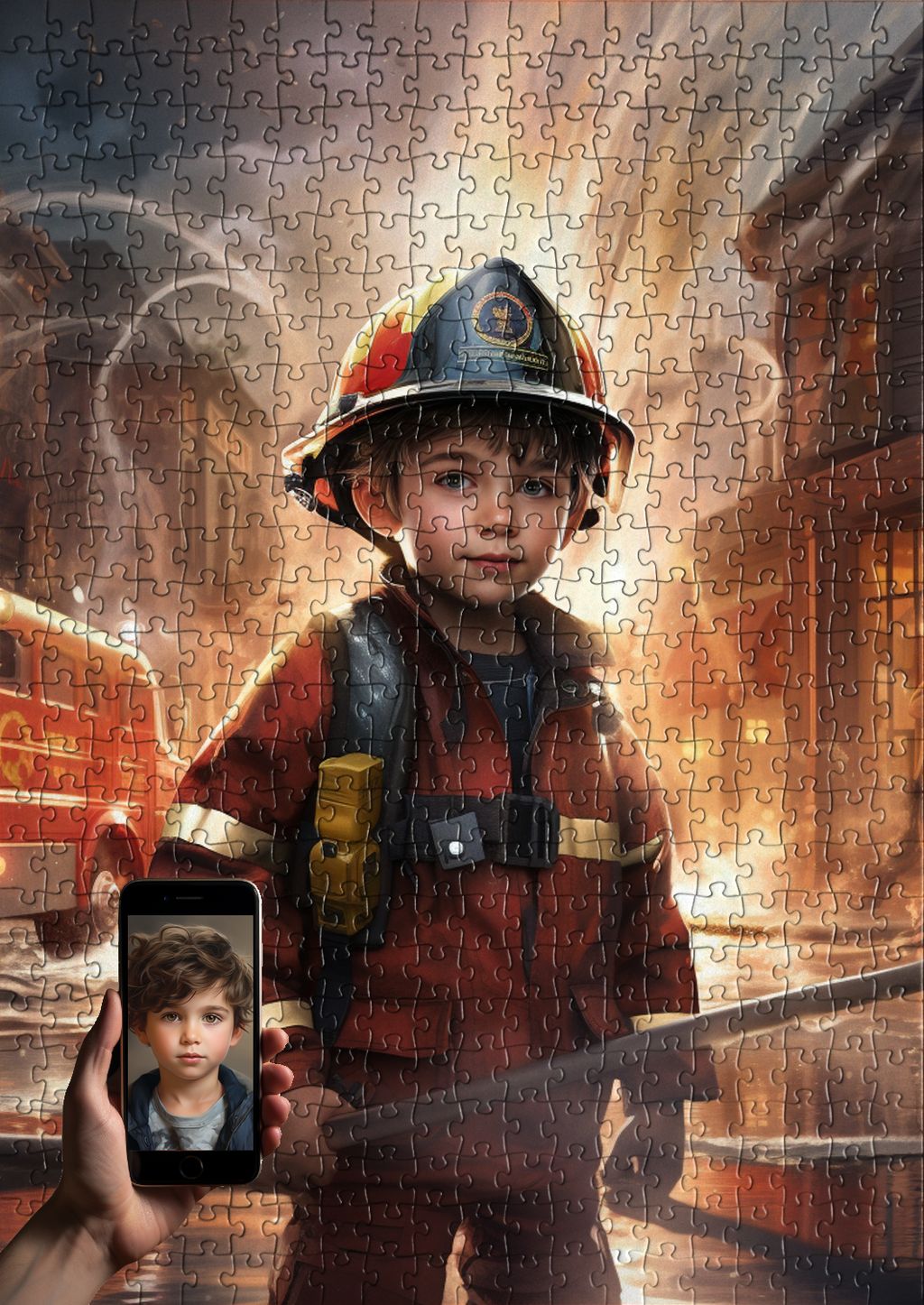
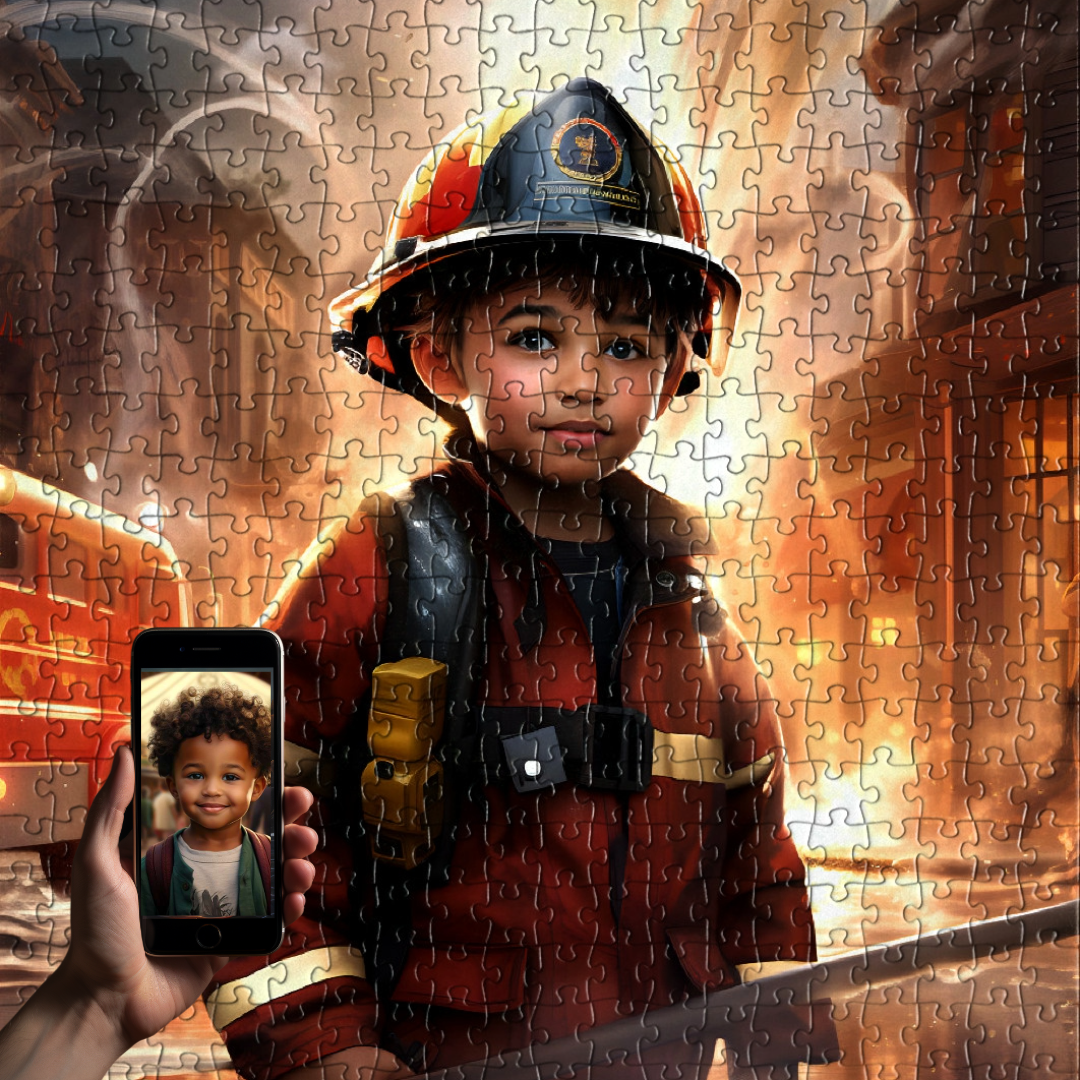
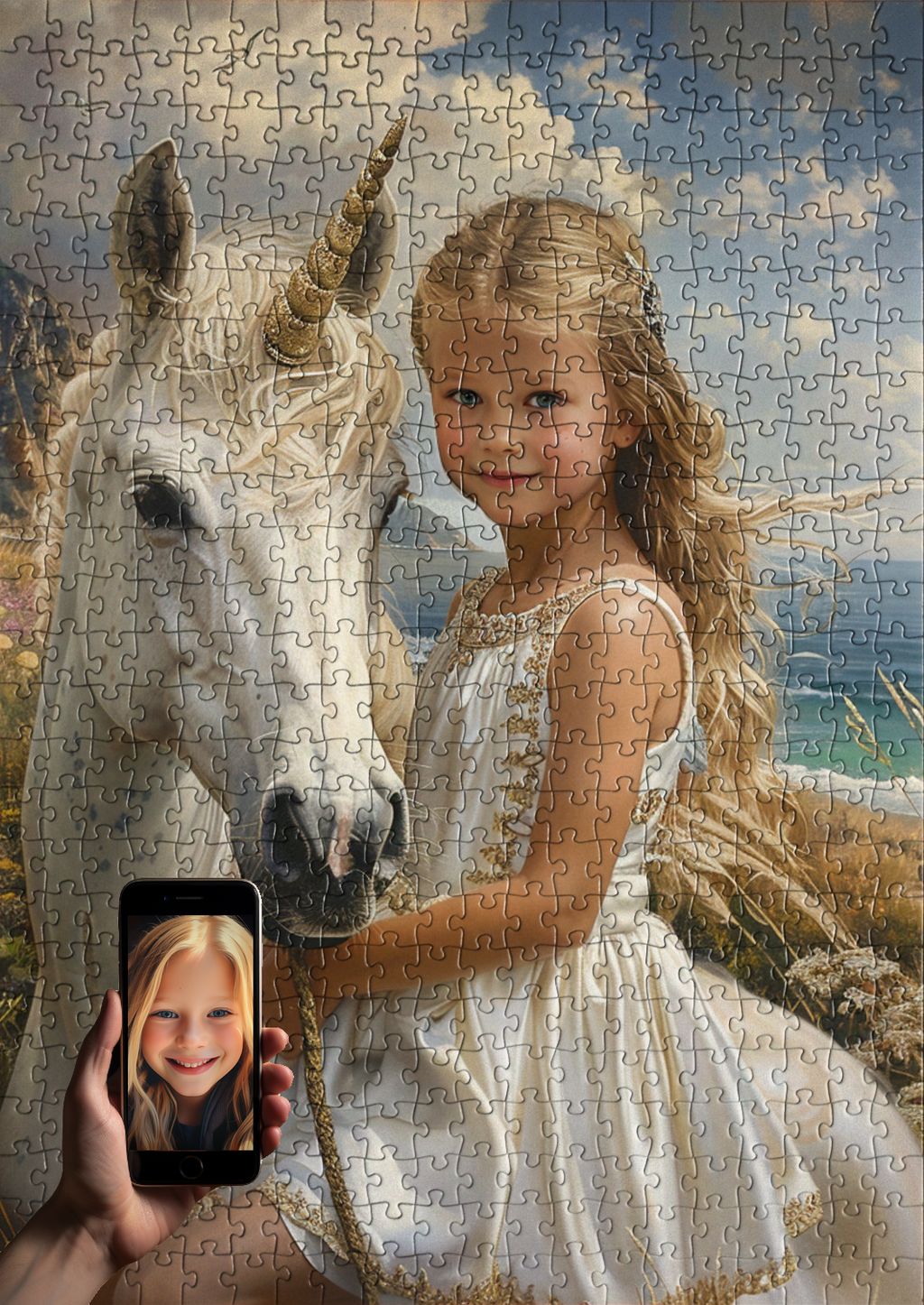
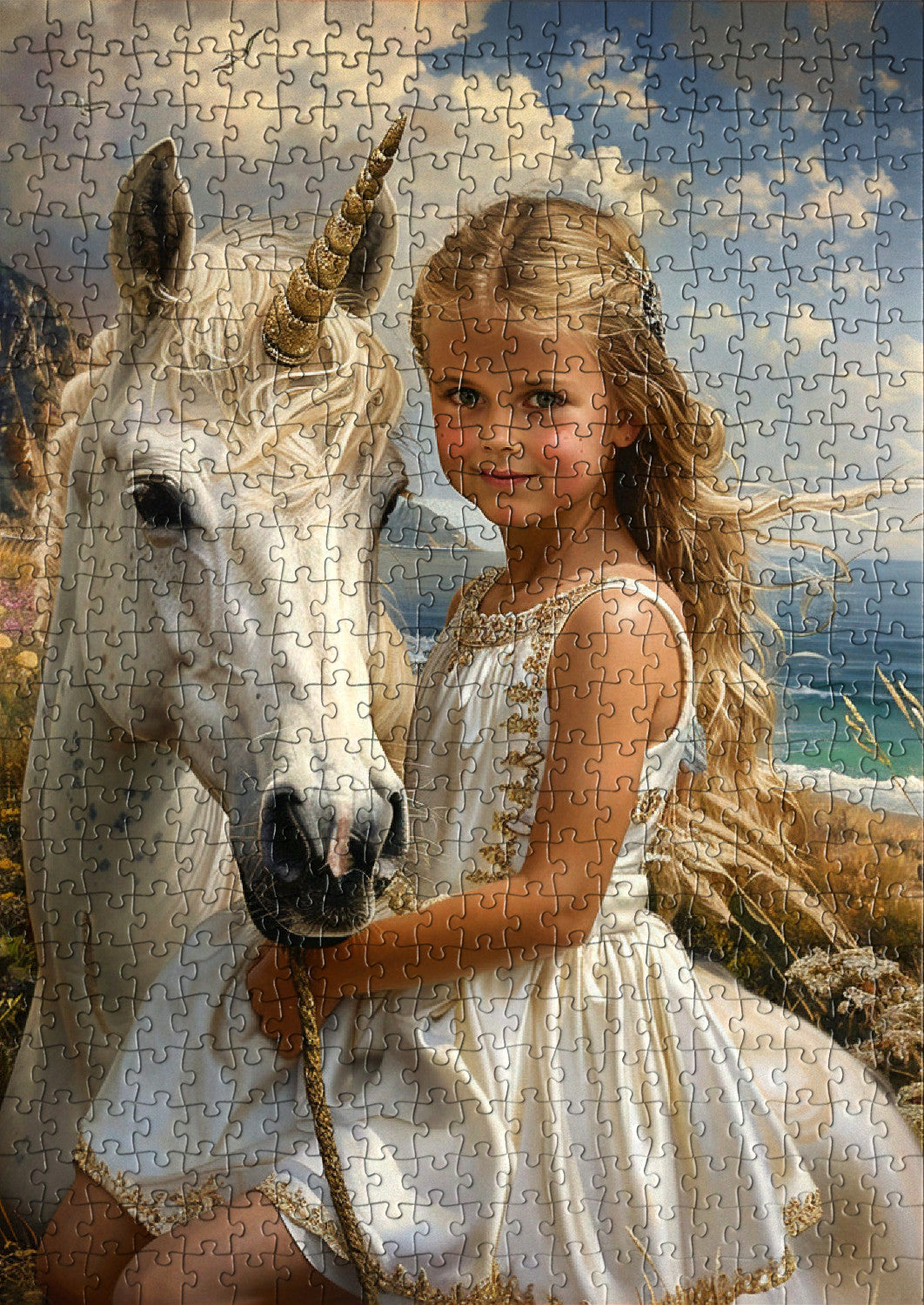
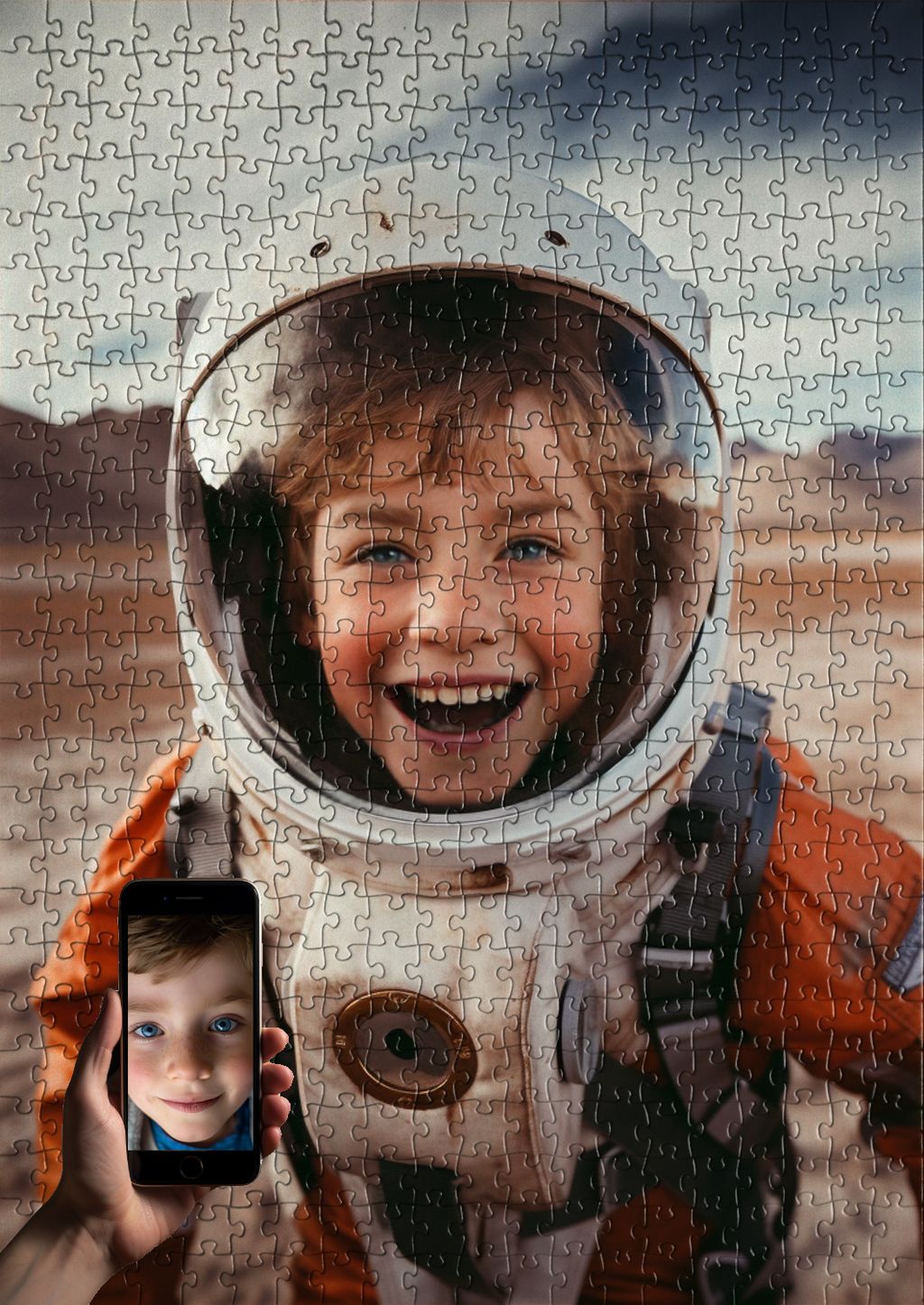
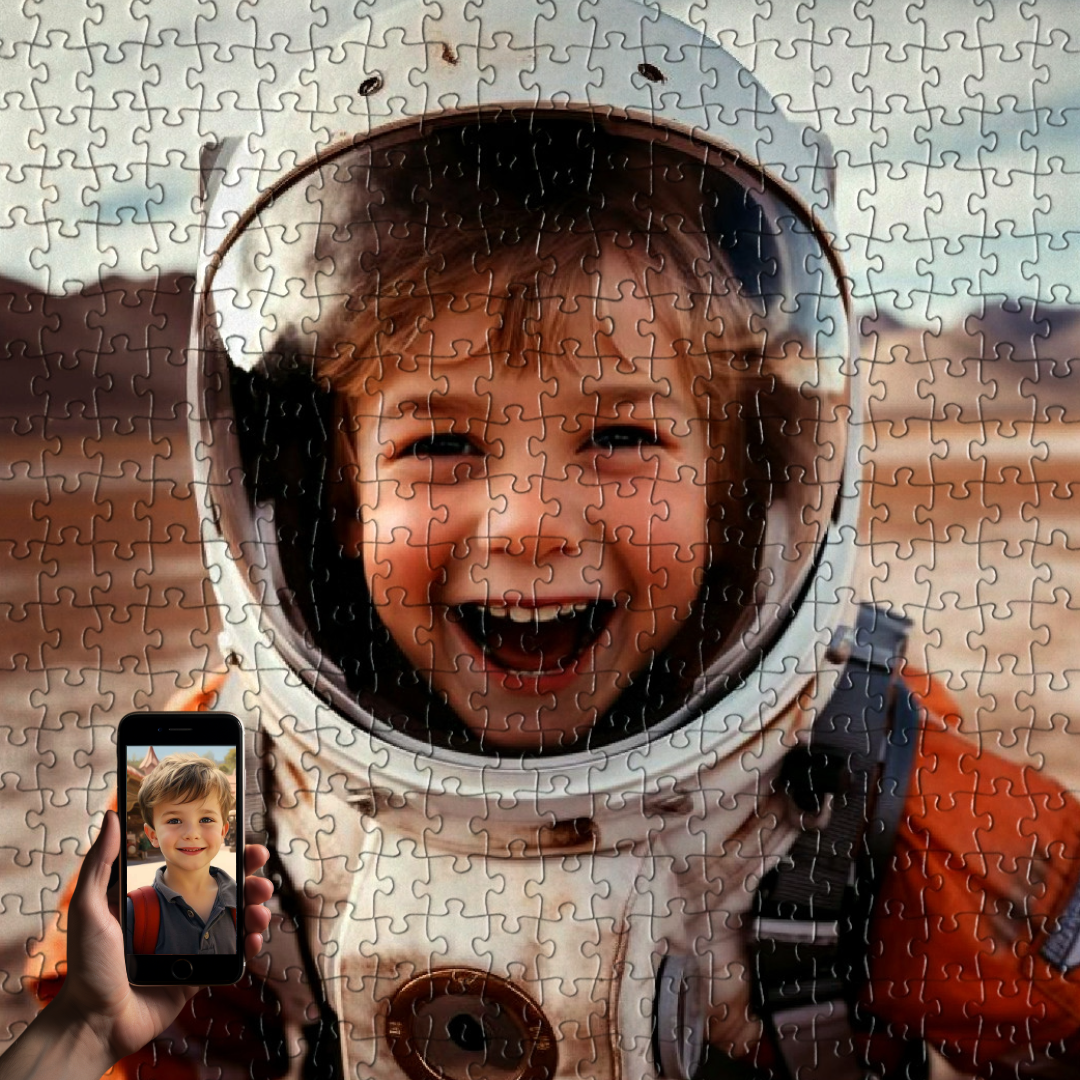
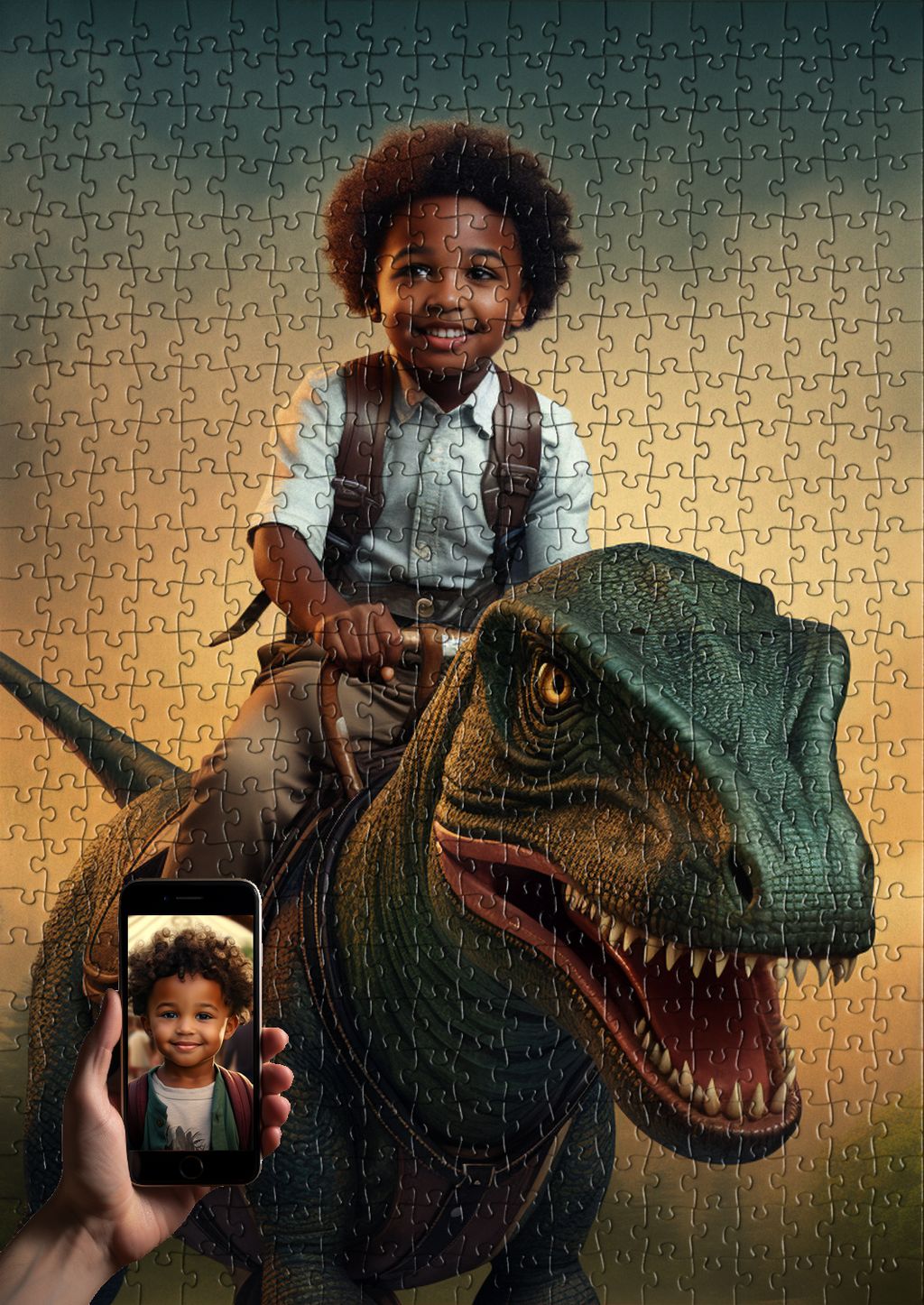
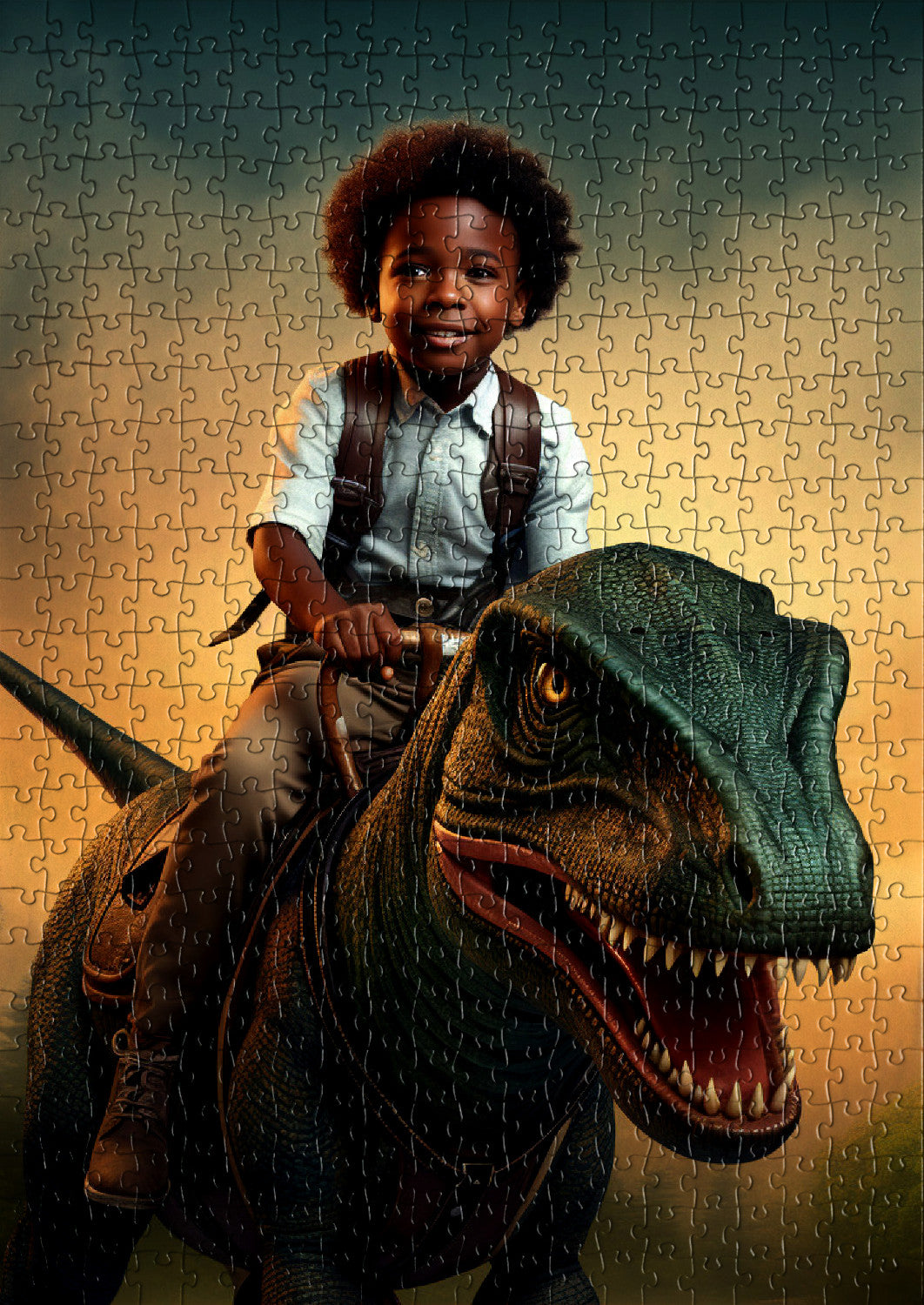
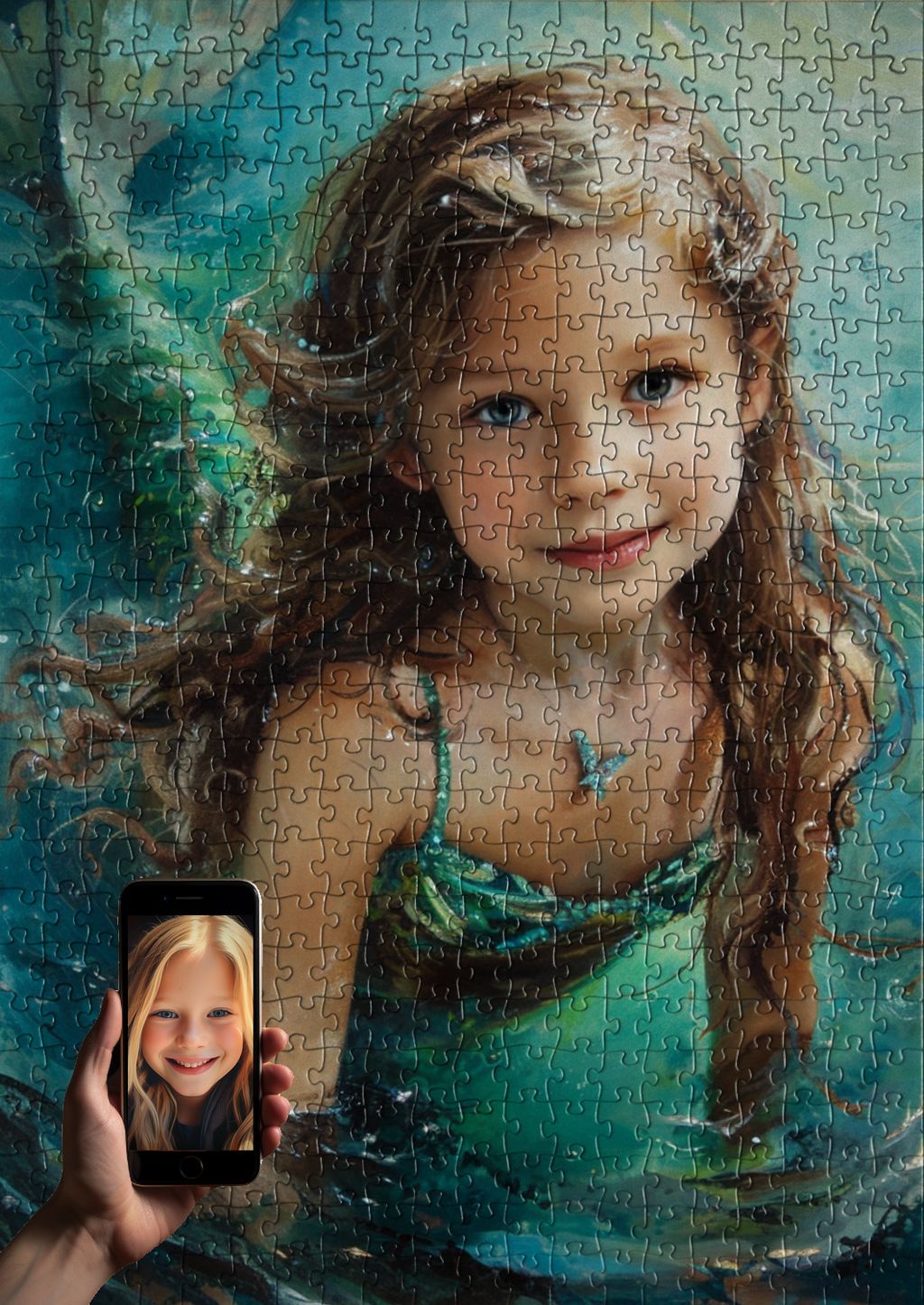
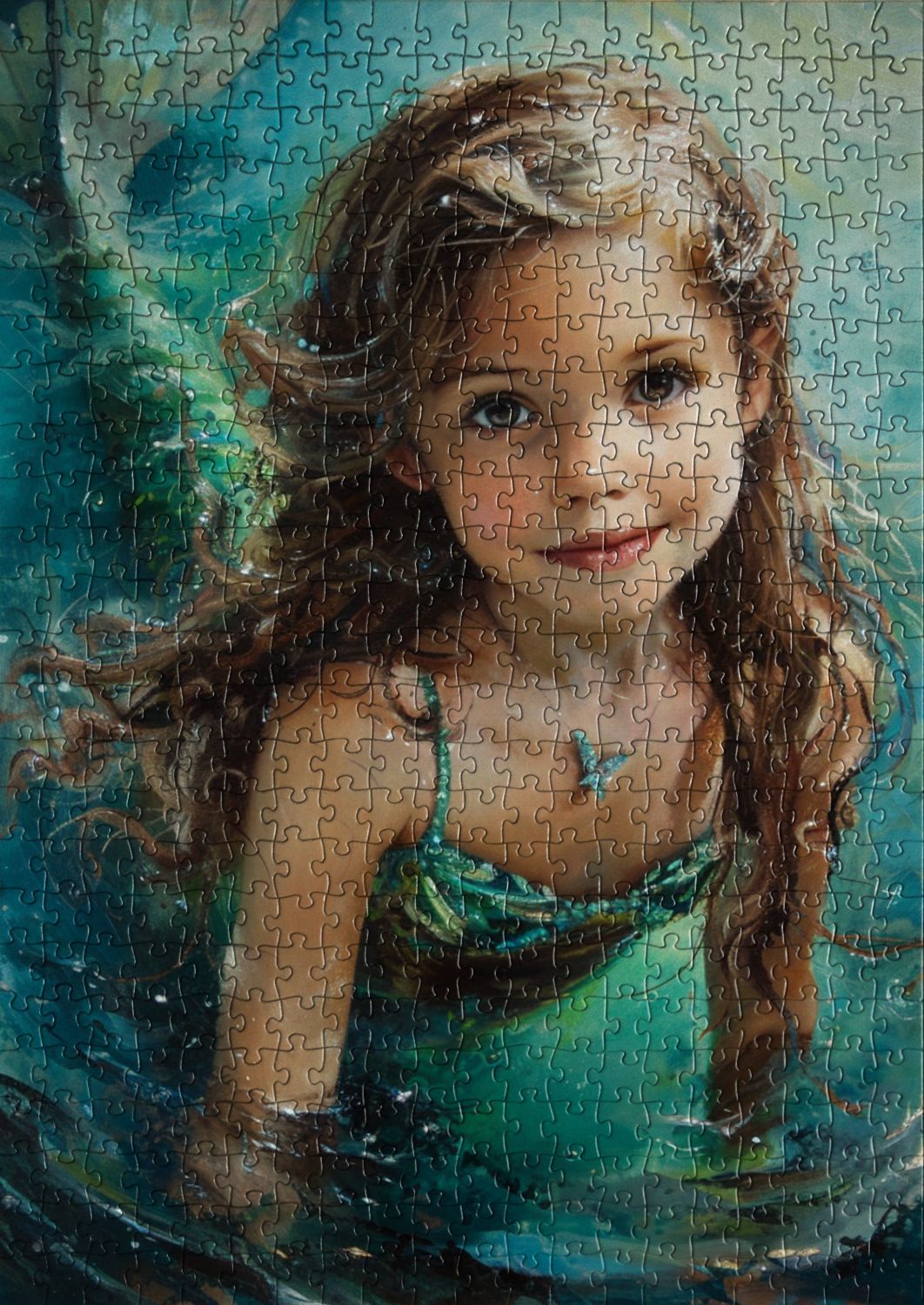
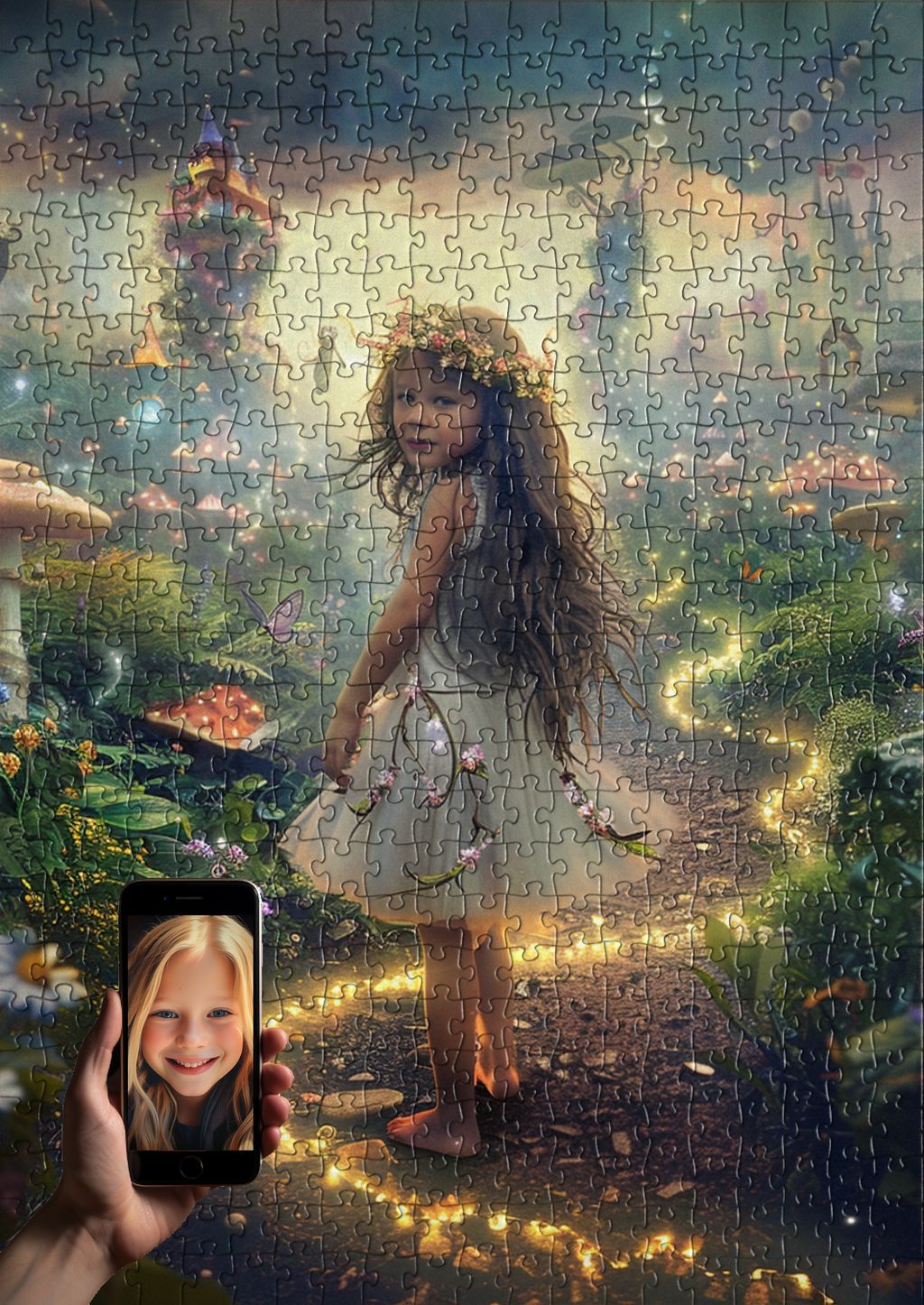
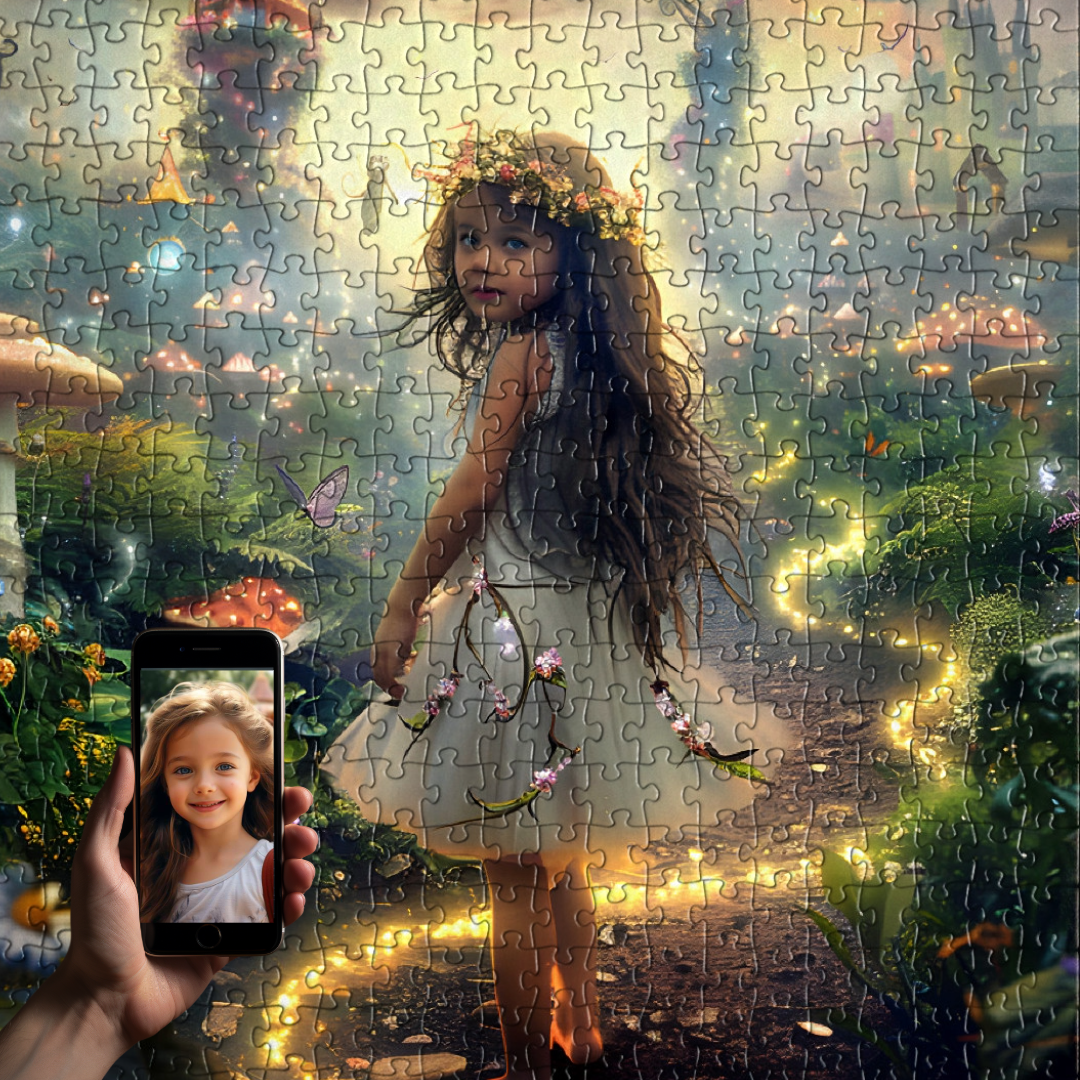
For the very first lost tooth, some families like to mark the moment with something the child can return to again and again. A personalized puzzle that turns your child into the hero of a small adventure, a brave knight, a pirate, an astronaut, becomes a memory-marker rather than a one-night treat. The custom photo puzzle made from that gap-toothed portrait is a particularly sweet way to do this, as is a themed piece like the Little pirate boy or the Girl with her unicorn for children deep in a fantasy phase. Frame it as something the fairy thought worthy of the occasion, not a regular toy. Budget: 20 to 35 euros. Sweet spot: ages 4 to 8.
9. A stamp or sticker collection
Start your child a small album, then have the fairy add a single new stamp or sticker each visit. Vintage postage stamps from old letters work beautifully and cost almost nothing. The collection grows alongside the gaps in your child's smile. Budget: 1 to 5 euros per visit. Sweet spot: ages 6 to 9.
10. A miniature plant or seed packet
A tiny succulent in a thumb-sized pot, or a packet of forget-me-not seeds wrapped in tissue paper, gives the child something to care for. The fairy, after all, lives among flowers. Pair it with a note explaining that the plant is meant to grow alongside their new tooth. Budget: 3 to 8 euros. Sweet spot: ages 5 to 9.
11. A "fairy-sized" treasure
Anything miniature feels magical to a small child. A tiny brass key, a polished crystal, a doll-sized teacup, a silver thimble. Choose one object that looks like it could only have come from a fairy's pocket. Children build entire imaginative worlds around objects like these. Budget: 5 to 15 euros. Sweet spot: ages 4 to 7.
12. A pyjama party with the fairy
Not an object at all. The fairy leaves a note inviting your child to a "fairy breakfast" the next morning: a small table set with flowers, a candle, a stack of pancakes shaped like stars, hot chocolate in the tiniest cup you own. Time, attention, a slow morning together. The gift children remember twenty years later. Budget: 0 to 10 euros. Sweet spot: ages 4 to 9.
How the Tooth Fairy Travels: Traditions Around the World
Part of what makes the tooth fairy ritual so charming is that nearly every culture has its own version, and they are wildly different. Sharing these with your child adds an extra layer of wonder to the night the tooth comes out.
- Spain and much of Latin America: Ratoncito Pérez. A small, well-dressed mouse who lives, depending on the version of the story, in a box of biscuits in Madrid. He collects teeth left under the pillow and leaves a small gift in return.
- France and French-speaking Belgium: la petite souris. The little mouse, a close cousin of Ratoncito Pérez, performs the same nighttime errand.
- Italy: Topolino or Fatina dei denti. Italian children might be visited by either a tooth mouse or a tooth fairy, depending on the region and the family.
- Mongolia and parts of Central Asia. The tooth is traditionally wrapped in fat and fed to a dog, in the hope that the new tooth will grow in as strong as the dog's.
- Japan. Lower teeth are thrown onto the roof and upper teeth into the floor or under the house, so each new tooth grows straight toward the one it is replacing.
- Turkey. Parents bury the tooth somewhere meaningful, a hospital garden, a library, a stadium, hoping to shape the child's future career.
If your family has roots in more than one of these traditions, lean in. A French grandmother and a Spanish father can absolutely conjure both la petite souris and Ratoncito Pérez at the same household. Children love the idea that more than one tiny creature might be on duty.
Making the Ritual Yours: A Few Gentle Tips
- Pick a theme and stick with it. If your fairy leaves letters, she always leaves letters. Consistency is what makes the magic feel real.
- Match the gift to the tooth. The first tooth deserves something memorable. Molars five and six can be quieter affairs.
- Keep a stash. Teeth fall out at unhelpful times. A small drawer with notepaper, glitter, a few coins and one or two backup gifts will save you many midnight panics.
- Photograph the setup. Future-you will want to remember the tiny note, the glitter trail, the little box. These photos are worth more than the gifts themselves.
- Do not over-explain. If your child asks how the fairy got past the cat, smile and say you do not know either. Mystery is the whole point.
What If Your Child Already Expects Cash?
If your household has been on the banknote train for a while, you do not need to make a dramatic announcement. Quietly evolve the tradition. The next tooth, leave the usual coin plus a tiny note. The tooth after that, swap the coin for a stamp in the new Fairy Passport and a slightly longer note. Within two or three teeth, the centre of gravity shifts from cash to ritual without anyone feeling cheated. Children are remarkably good at accepting that the fairy, like any traveller, sometimes brings different things from different trips.
Frequently Asked Questions
At what age do children usually start losing baby teeth?
Most children lose their first tooth between ages five and seven, although it can happen as early as four or as late as eight. The lower front teeth typically go first, followed by the upper front teeth a few months later. The process continues, with pauses, until around age twelve.
Is it okay to skip cash entirely?
Absolutely. There is no rule, official or otherwise, that says the tooth fairy must leave money. Plenty of families have always done notes, small gifts, or experiences instead. What matters to a child is that the moment was noticed and celebrated, not the denomination of what appeared under the pillow.
How do I handle siblings comparing what the fairy left?
The simplest fix is consistency: the fairy treats each child the same on equivalent teeth. If you have moved on from cash to keepsakes, explain that the fairy now brings "memory gifts" instead of money, and that this is the new family tradition. Children accept new rules quickly when both parents say the same thing with a straight face.
What should I actually do with the tooth?
You have options. A keepsake box keeps them safe and labelled. Some parents bury them in a houseplant. Others, after a respectful pause, simply throw them away. There is no wrong choice. If you do keep them, make sure they are dry before storing, otherwise they can discolour.
What if my child stops believing mid-mouth?
Many children figure it out around age seven or eight, often quietly, and decide to keep playing along because the ritual is fun. If yours asks directly, you can tell the truth gently and invite them into the secret: now they get to be the fairy for younger siblings or cousins. The magic does not end. It just changes hands.
However you choose to mark this moment, what your child will carry forward is not the value of what appeared under the pillow but the feeling that something small and important about them was witnessed. A glitter trail, a tiny letter, a puzzle that catches their gap-toothed face mid-laugh, these are the things that turn a lost tooth into a story they will tell their own children one day. If you are looking for a way to mark a first lost tooth that lasts longer than a single night, our made-to-order puzzles are designed exactly for moments like this: small, meaningful, and entirely your child's own.

Share and get 15% off!
Simply share this product on one of the following social networks and you will unlock 15% off!