
Shopping for an eight-year-old is a different game than shopping for a five-year-old, and most relatives find that out the hard way. The wrapping comes off, a polite "thanks" gets murmured, and the gift quietly migrates to the back of the closet. It's not that the child is ungrateful. It's that something real has shifted. At eight, kids are crossing a line from "little kid" to "kid with a point of view," and they can spot a babyish present from across the room.
This is the age when peer opinion starts to outweigh adult opinion. An eight-year-old wants to be seen as competent, capable, and a little bit grown up. They are reading full chapter books, comparing notes about hobbies on the playground, and forming strong identities around the things they love: soccer, drawing, coding, gymnastics, Pokémon, dinosaurs that are scientifically accurate (not the cartoon kind). The gifts that land at this age are gifts that take them seriously.
That doesn't mean every present has to be expensive or elaborate. It means the present has to acknowledge who the child is becoming. A real sketchbook with real pencils beats a coloring book. A beginner DSLR or instant camera beats a toy camera. A 500-piece puzzle of something they actually care about beats a 24-piece cartoon scene. The bar moves up, and the win condition changes from "cute" to "cool."
This guide is built for parents, grandparents, aunts, uncles, and family friends who want to get it right. We've organized roughly thirty gift ideas into the categories that matter most at eight: STEM and coding, creative tools, real books, hobby equipment, complex games, and personalized puzzles. We'll also walk through the most common mistakes well-meaning gift-givers make at this age, and how to avoid them. If you only remember one thing, remember this: at eight, the gift has to feel chosen for them specifically, not picked off a generic "kids" shelf.
What changes at age eight (and why it matters for gifting)
Before the gift list, a quick map of the territory. Understanding where an eight-year-old is developmentally makes every gift decision easier.
- Mastery-seeking: Eight-year-olds want to get good at things. They are project-oriented and will return to a single activity again and again if it offers room to improve.
- Identity formation: They are starting to define themselves by interests. "I'm the kid who draws." "I'm a soccer player." Gifts that affirm an identity land hard.
- Peer awareness: What their friends think matters enormously. A gift that would embarrass them in front of a friend is a gift that won't get used.
- Fluent reading: Most eight-year-olds are deep into chapter books and capable of reading instruction manuals, recipe cards, and game rules independently.
- Allergic to babyish: Bright primary colors, cartoon characters from preschool shows, anything labeled "for ages 3+" on the box, this is the danger zone.
With that calibration in mind, here are the categories and specific ideas that consistently work.
STEM and coding gifts that feel real
Eight is the sweet spot for introducing kids to actual programming and electronics, not just "STEM toys" that flash and beep. They have the reading fluency to follow tutorials and the patience for projects that take more than ten minutes.
Coding and programming
- A Scratch programming book aimed at kids: "Coding Projects in Scratch" from DK is the gold standard. Scratch itself is free, and a printed project book gives them something to work through systematically.
- A BBC micro:bit starter kit: This pocket-sized board has buttons, LEDs, and sensors, and it programs visually or in Python. Kits with cases and accessories run thirty to sixty dollars.
- A Kano or Piper computer kit: These let kids build a working computer and learn the components. Pricier, but a serious gift for a serious interest.
Robotics and electronics
- LEGO Boost or LEGO Mindstorms (for the more advanced eight-year-old): Programmable robotics with a familiar building system.
- Snap Circuits Pro: A massive jump up from the basic Snap Circuits set, with hundreds of projects covering real electronics concepts.
- Sphero indi or BOLT: A programmable robot ball that kids can code from a tablet. The BOLT is more capable; indi is gentler if your child is brand new to coding.
A note for relatives: do not buy a STEM kit unless you know the child is interested in STEM. These gifts can be expensive and sit unopened if the child has a different passion. Ask the parents first.
Creative tools that signal "you're a real artist"
If there's one signal you can send an eight-year-old who draws, builds, or makes things, it's: I trust you with real tools. Upgrade the quality. They notice.
Drawing and sketching
- A proper sketchbook (Strathmore, Moleskine art series) plus a set of Prismacolor or Faber-Castell colored pencils: The leap from Crayola to Prismacolor is the leap from "kid stuff" to "I'm taking this seriously."
- Copic markers or Tombow brush pens: If they're into manga, anime, or lettering.
- An iPad with Procreate (for the household already considering one): A major gift, but the right one for a digital art kid.
- A "Draw 50…" book series or a manga drawing guide: Structured drawing instruction that matches their interest.
Photography and video
- An instant camera (Fujifilm Instax Mini): Tangible photos, no screen, immediate gratification.
- A beginner kids' digital camera (VTech KidiZoom Pro for the younger end, a refurbished point-and-shoot for older eights): Pay attention to the brand. Anything covered in cartoons will read babyish.
Making and crafting
- A jewelry-making kit with real findings: Look for kits with metal clasps, real beads, and step-by-step projects. Avoid sticker-jewelry kits.
- A friendship-bracelet kit with embroidery floss and a loom: Hugely popular at this age, especially socially.
- A sewing or embroidery starter kit: Kits from brands like Stitch Happy or Klutz teach real skills.
- A weaving loom or pottery wheel for kids: For the maker with strong focus.
Books an eight-year-old will actually finish
Most eight-year-olds are reading fluently and starting to fall in love with series. The trick is matching the series to the child. Generic "kids books" do not work here. Specific does.
- For the adventure reader: Percy Jackson, Wings of Fire, The Last Kids on Earth, The Land of Stories.
- For the humor lover: Diary of a Wimpy Kid, Big Nate, Dog Man (still acceptable at eight, just barely).
- For the mystery fan: The Mysterious Benedict Society, A to Z Mysteries, Encyclopedia Brown.
- For the fantasy reader: Harry Potter (often a first big read at eight), The Chronicles of Narnia, How to Train Your Dragon.
- For the realistic-fiction reader: Front Desk, The One and Only Ivan, Because of Winn-Dixie.
- For the curious nonfiction kid: National Geographic Kids almanacs, Who Was/Who Is biographies, Guinness Book of World Records.
Beyond novels, consider:
- A journal with a lock: Eight is when kids start wanting privacy. A journal they can lock signals respect for that.
- A blank-page comic book or graphic novel template: For kids who want to write their own.
- A subscription to Cricket, Muse, or Highlights Top Secret Adventures: A monthly gift that keeps showing up.
Real-hobby equipment for the kid who's chosen something
By eight, many kids have settled on at least one passion. The best gifts in this category are upgrades to the gear they're already using. This is also the most expensive category, so coordinate with parents.
Sports
- A real soccer ball in the right size (size 4 for ages 8-11), or a quality basketball, baseball glove, or tennis racket. Branded gear (Nike, Wilson, Adidas) carries social weight at this age.
- A skateboard, scooter, or longboard from a real skate brand rather than a big-box toy version.
- Goalie gloves, shin guards, or a personalized water bottle with their name and team colors.
Music
- A beginner ukulele or acoustic guitar (3/4 size): Cheaper, easier, and more likely to be picked up than a full-size guitar.
- A keyboard with weighted keys: If they're already taking piano lessons.
- A practice pad and drumsticks: For the drumming kid who doesn't yet have a kit.
Magic, science, and performance
- A proper magic kit (Marvin's Magic, Melissa & Doug Deluxe Magic Set): Eight is prime magic-trick age. The mastery aspect is a perfect fit.
- A chemistry set (Thames & Kosmos): Real experiments with actual chemicals, not just baking-soda volcanoes.
- A microscope or telescope: If they've shown interest. Both can be parent-coordinated.
Complex board games that fit an eight-year-old brain
Eight-year-olds can finally play real games. They can hold rules in their heads, strategize a few moves ahead, and lose without falling apart (most of the time). This is one of the best gift categories at this age, because games become family events.
- Catan Junior: A gentler intro to the resource-trading classic, perfect for eight.
- Sushi Go Party!: Quick, beautiful, and genuinely strategic. A favorite for mixed-age family game nights.
- Codenames Junior or Codenames Pictures: Word association and teamwork. Endlessly replayable.
- Ticket to Ride: First Journey: The full-strategy version is still a stretch; First Journey is the perfect bridge.
- Azul: Stunning to look at, easy to learn, deep enough for adults.
- Forbidden Island or Forbidden Desert: Cooperative games where the family plays against the board. Great for kids who hate losing.
- Exploding Kittens or Taco Cat Goat Cheese Pizza: Fast, funny card games.
- King of Tokyo: Dice, monsters, and just enough strategy.
Large personalized puzzles: the gift that beats "babyish"
Here's a tension we hear from parents all the time. Eight-year-olds still love puzzles. Puzzles are calming, satisfying, and a beautiful screen-free activity. But the puzzles on the shelves at most stores are visibly designed for younger children, with chunky pieces and cartoon characters that an eight-year-old has outgrown. So the puzzle category gets skipped, even though the child would actually enjoy it.
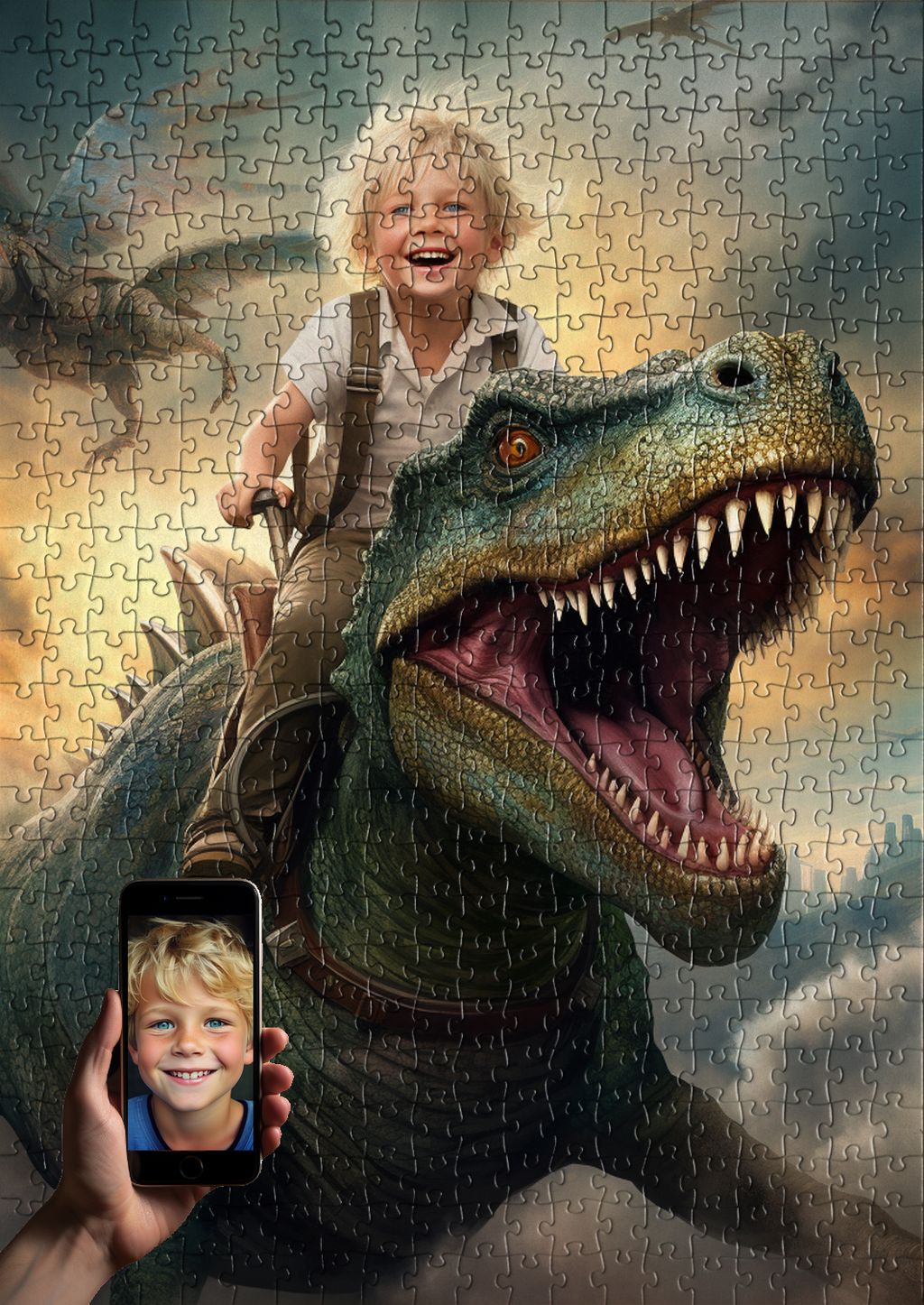
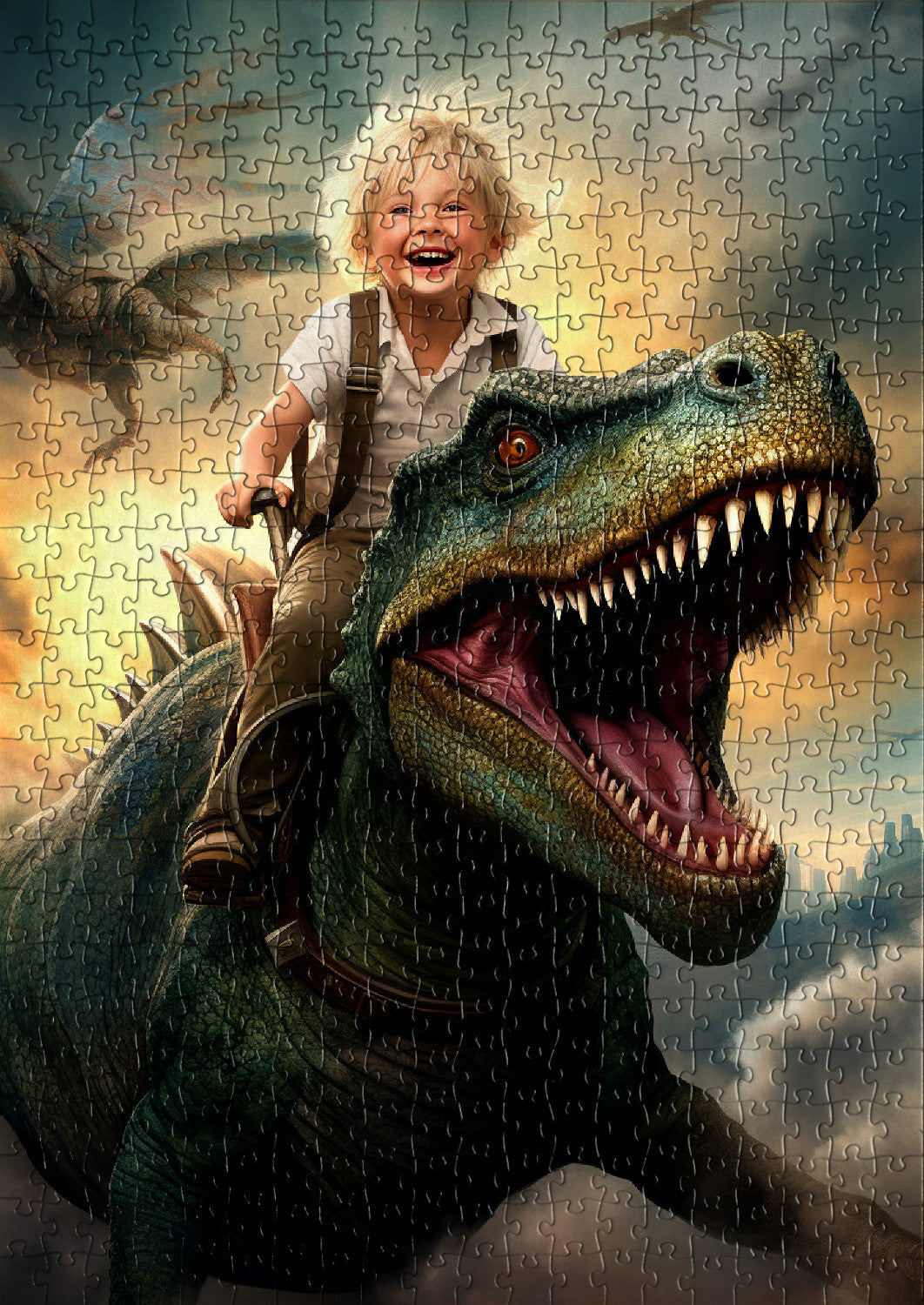
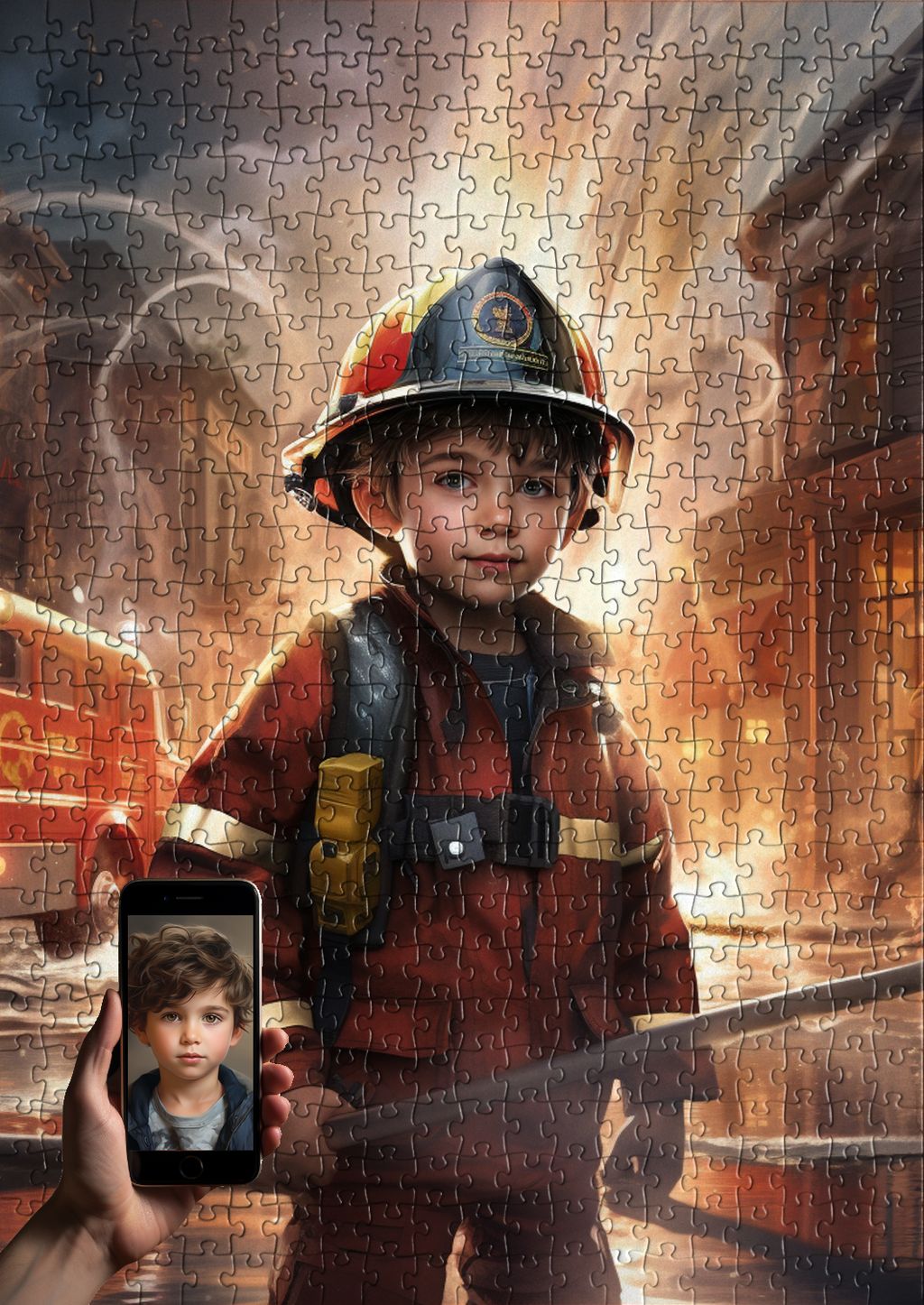
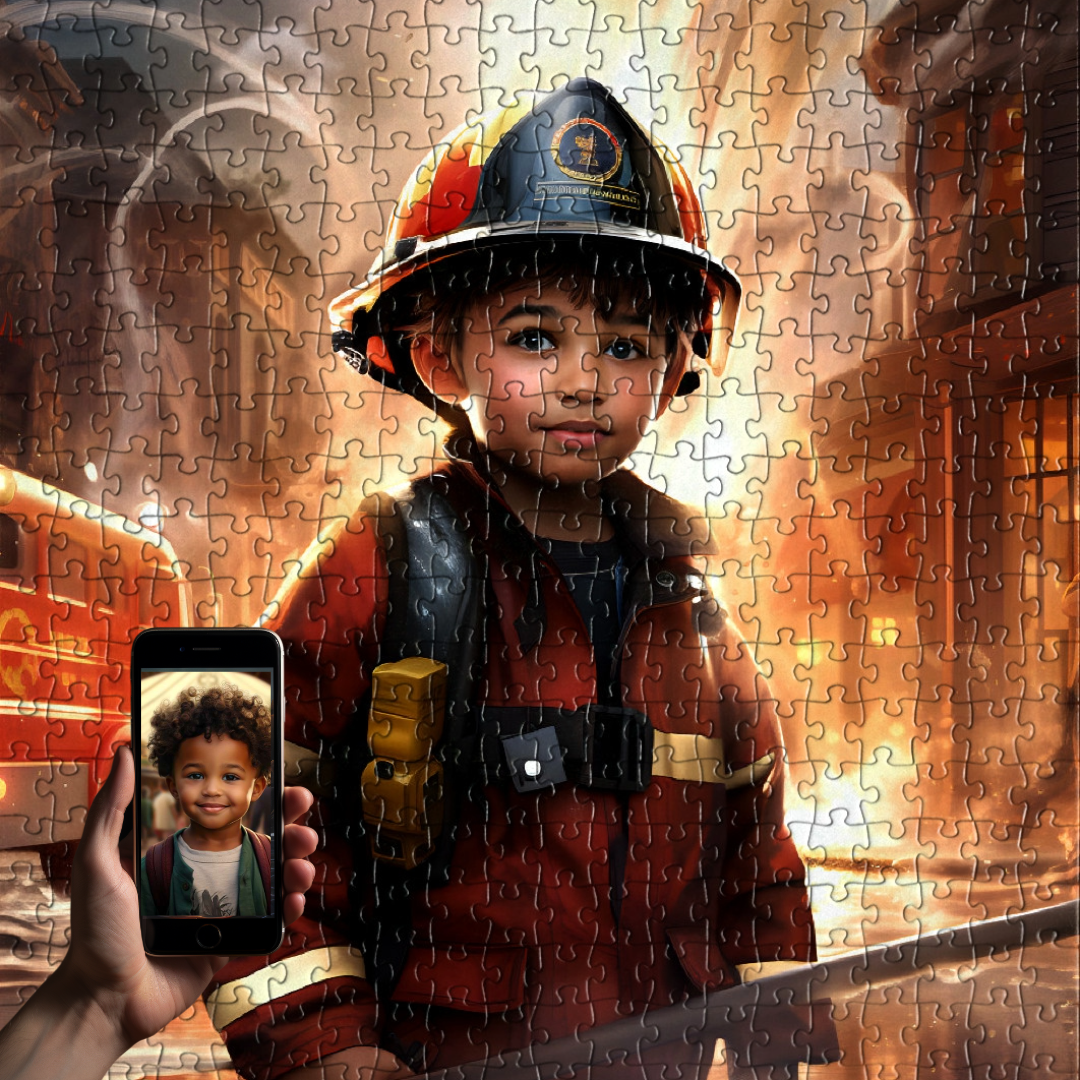
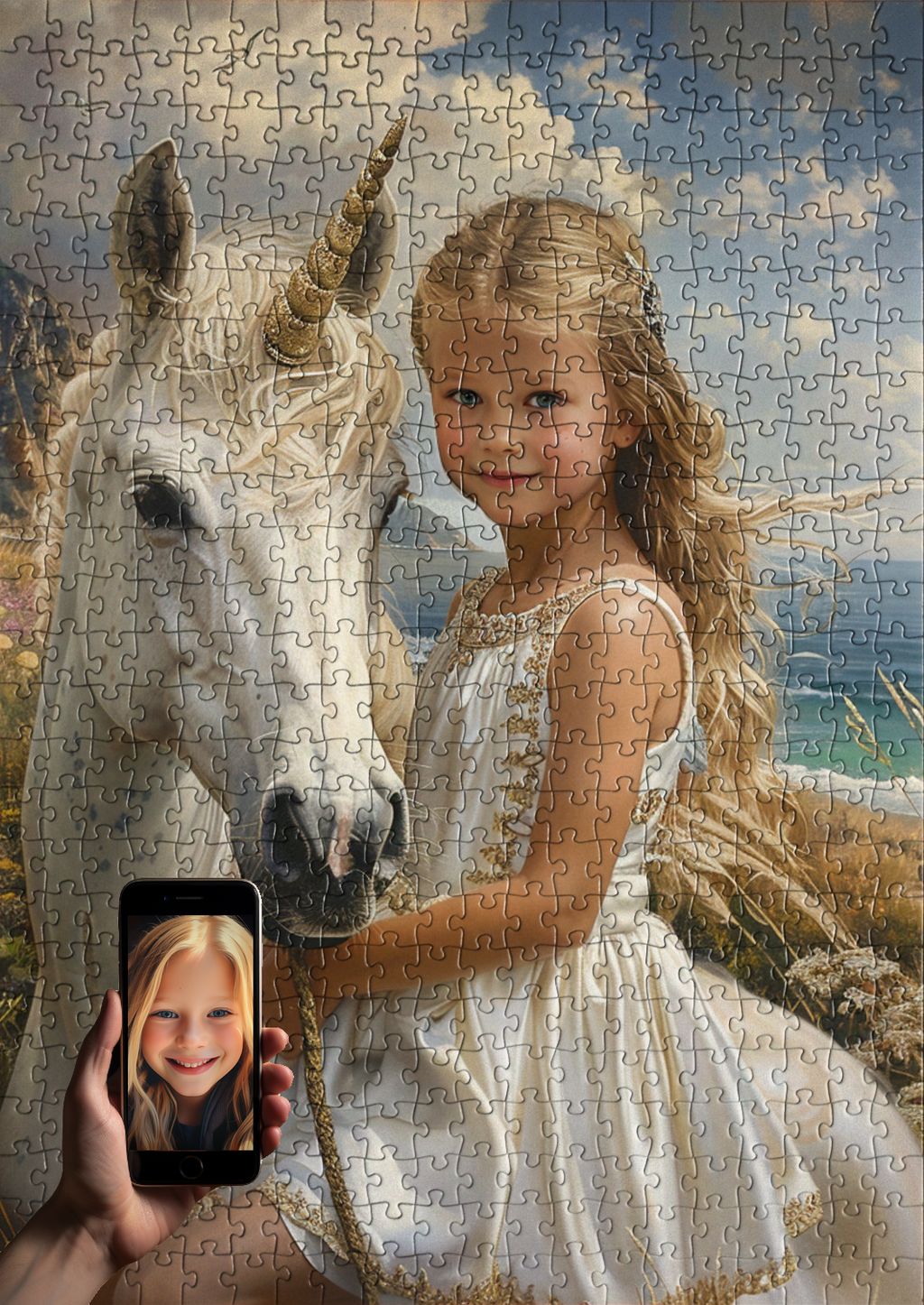
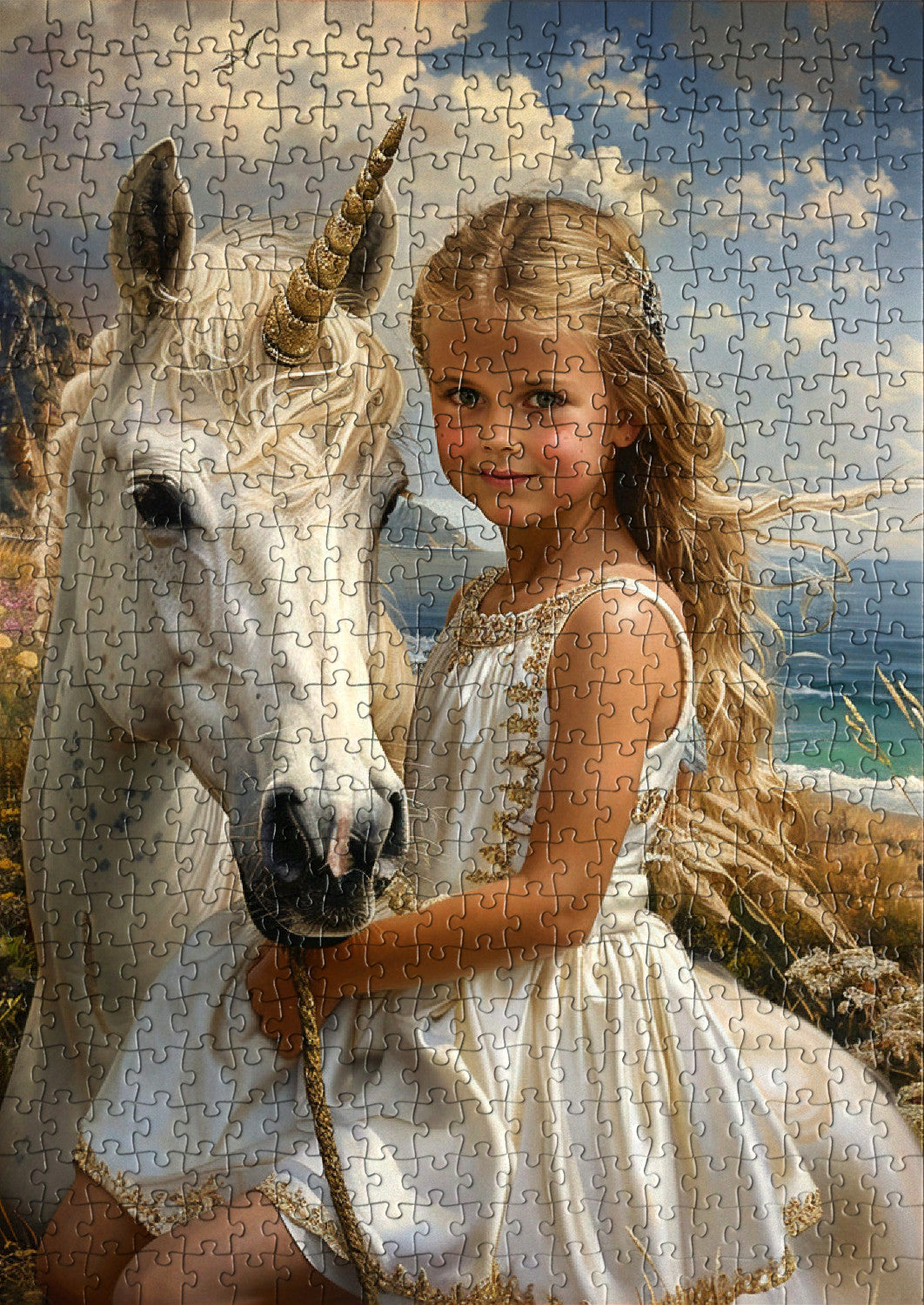
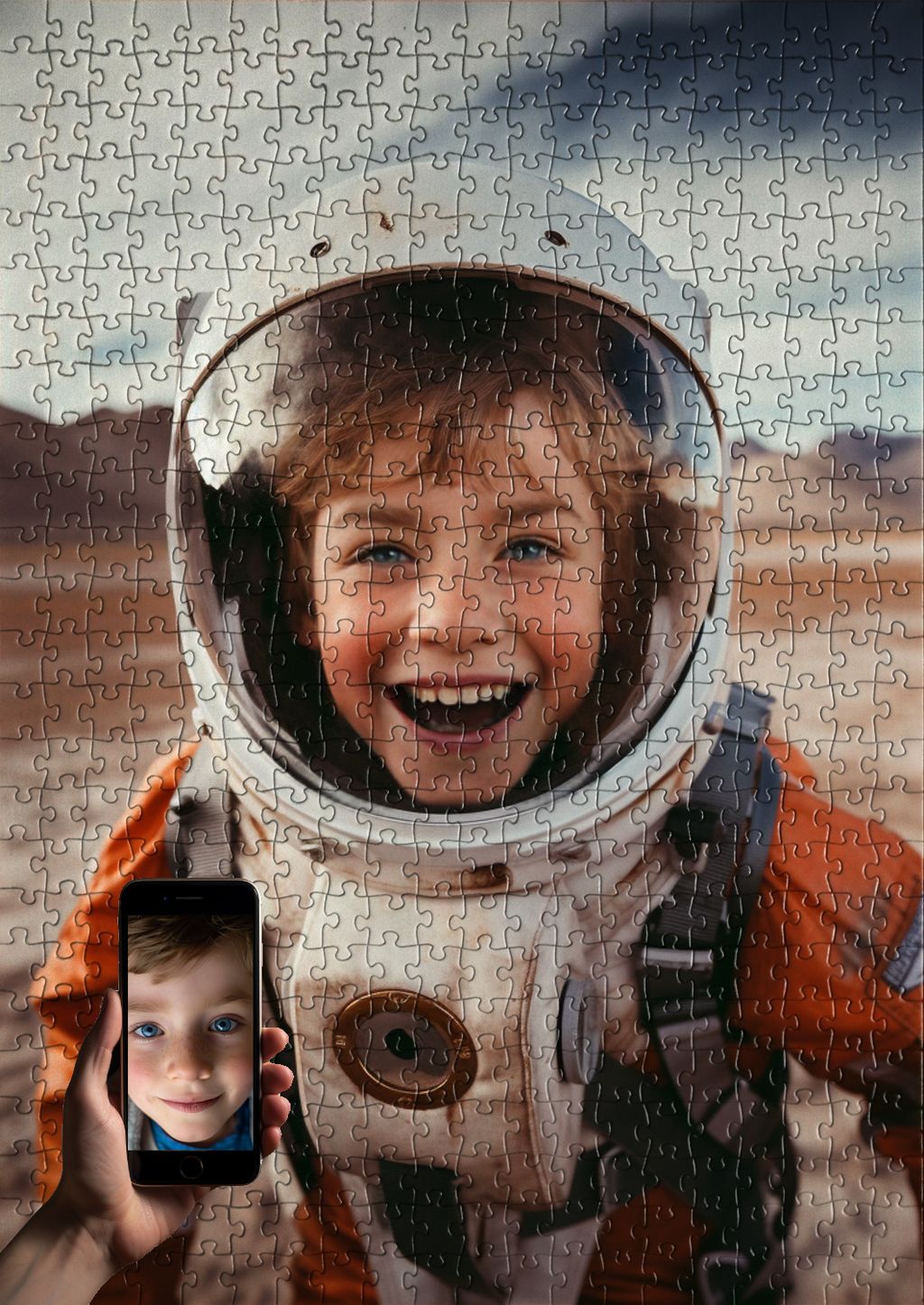
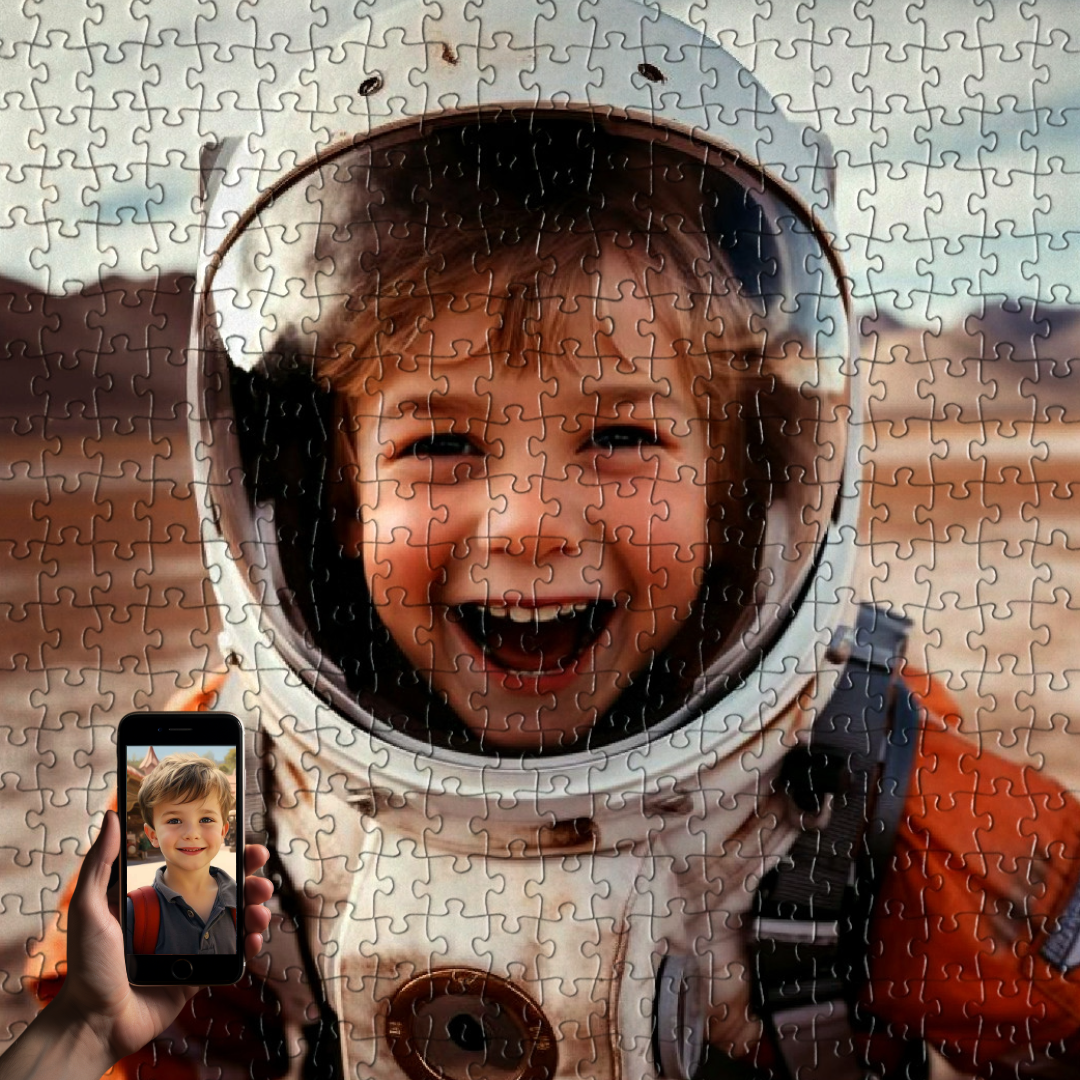
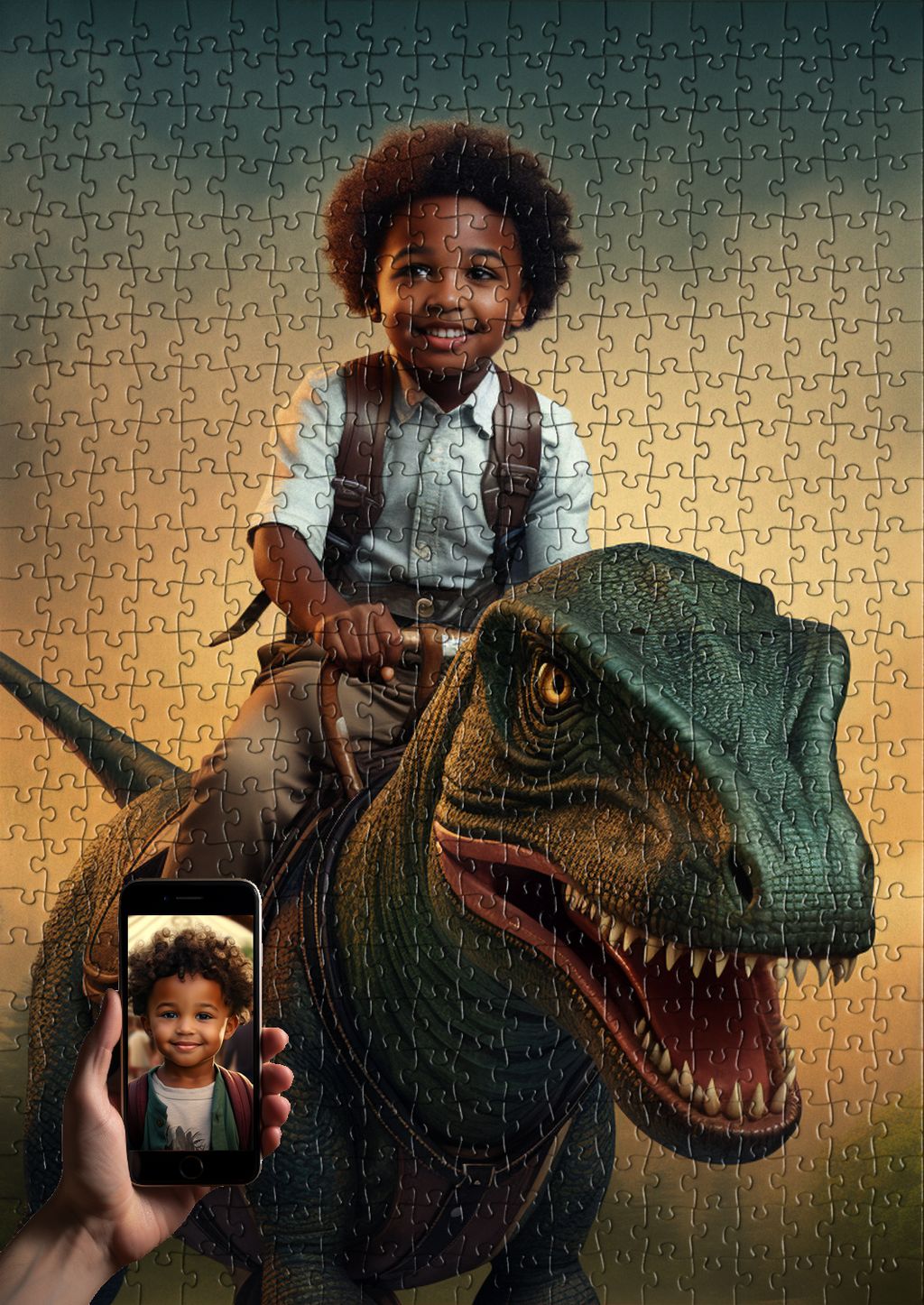
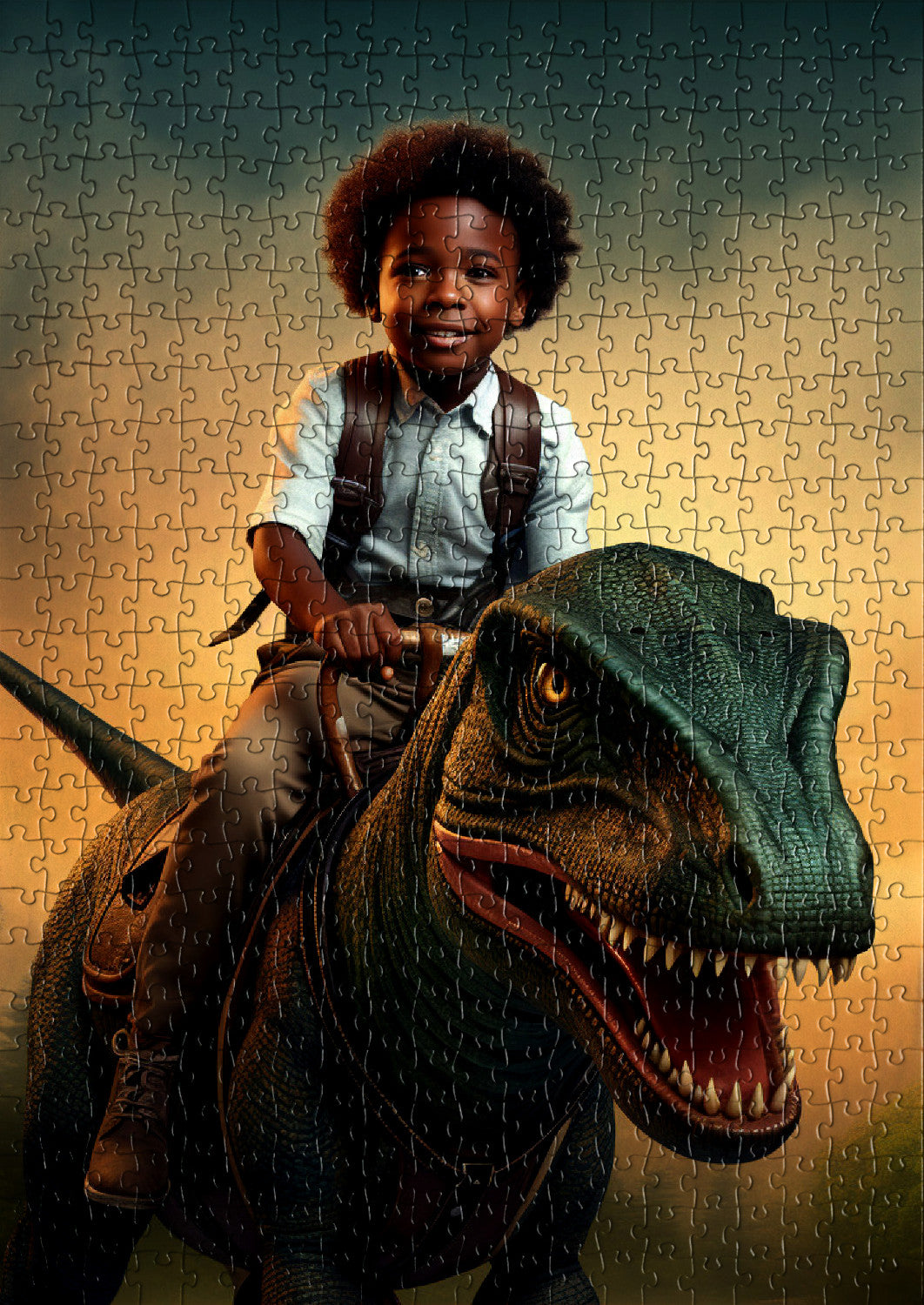
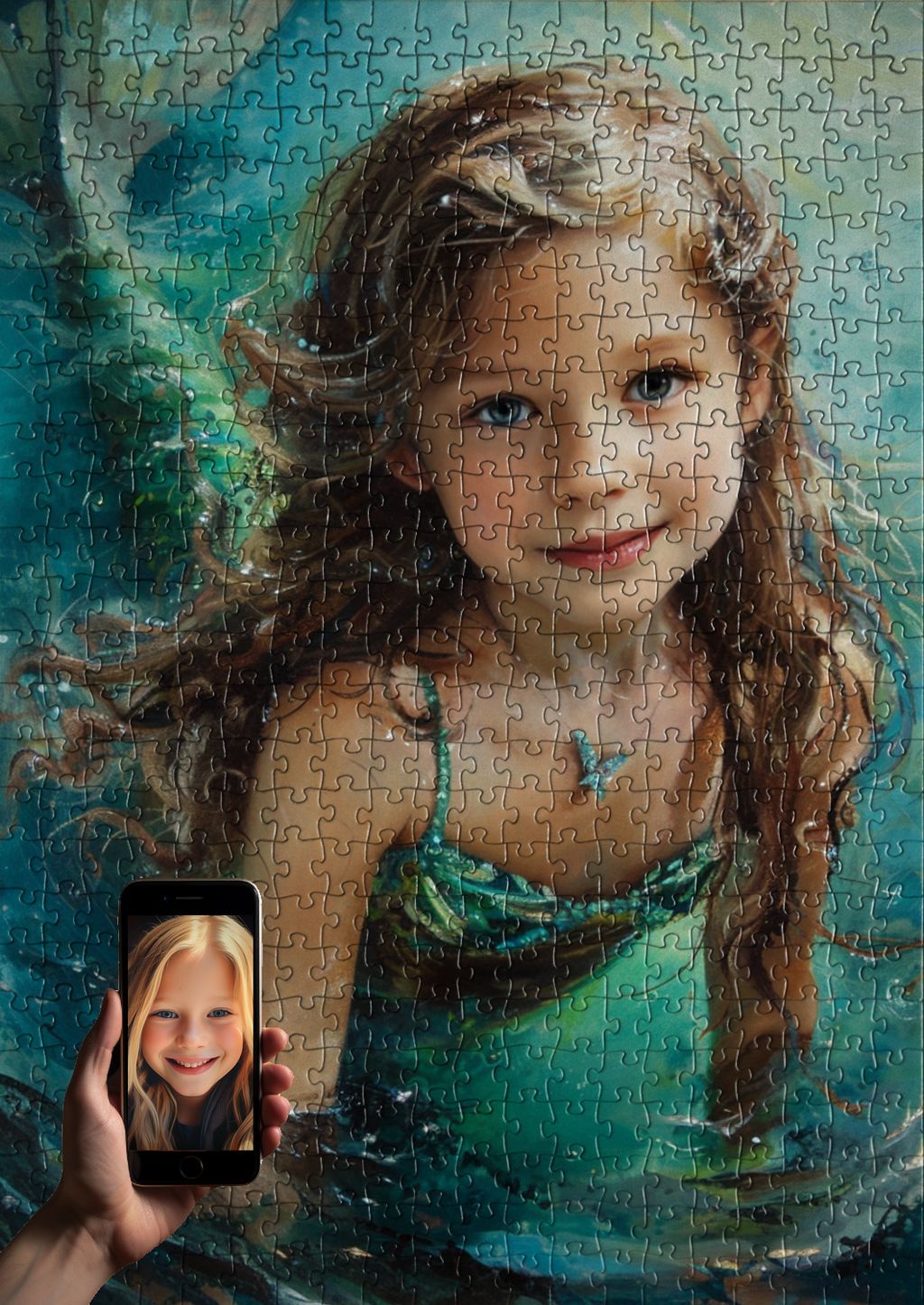
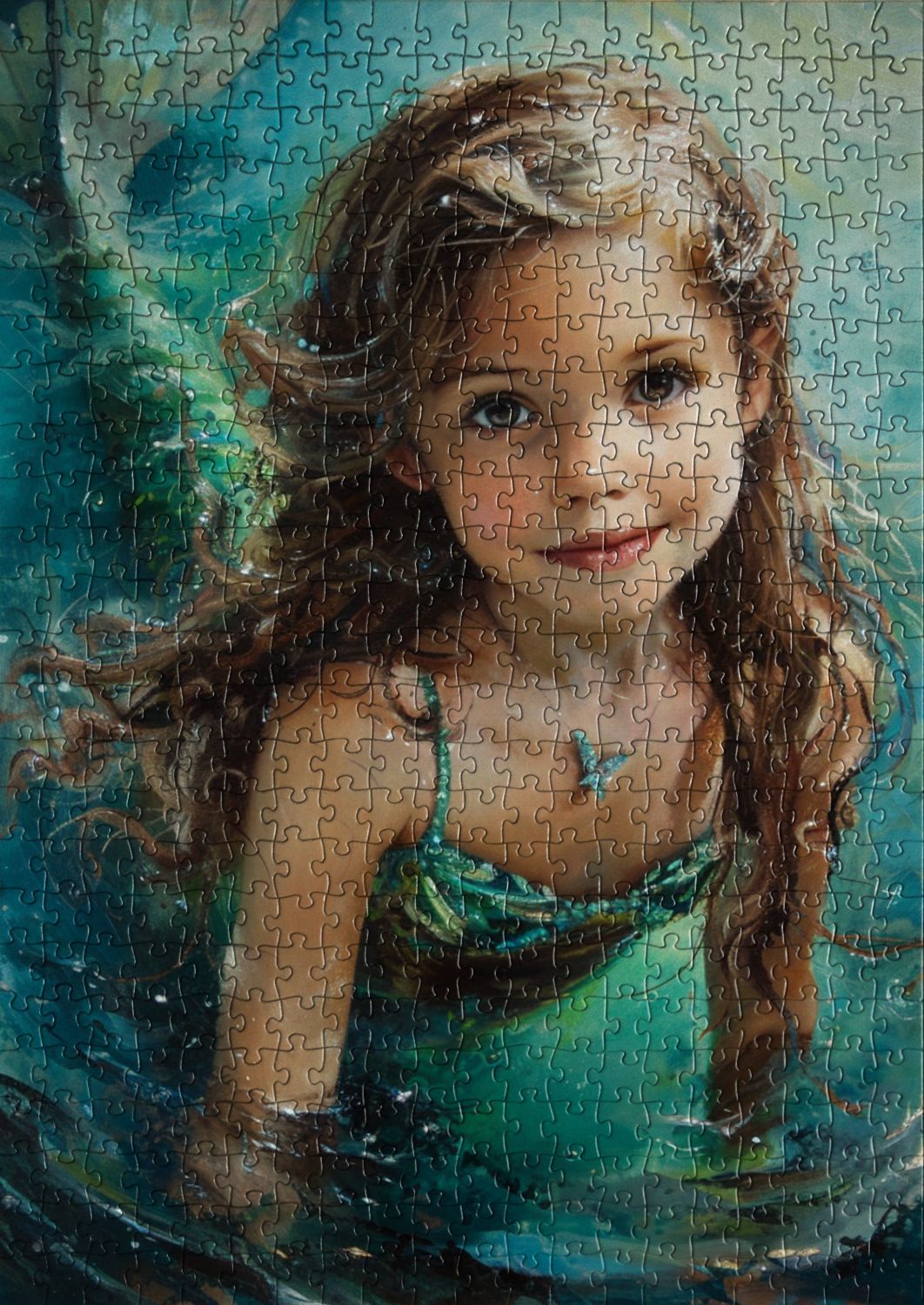
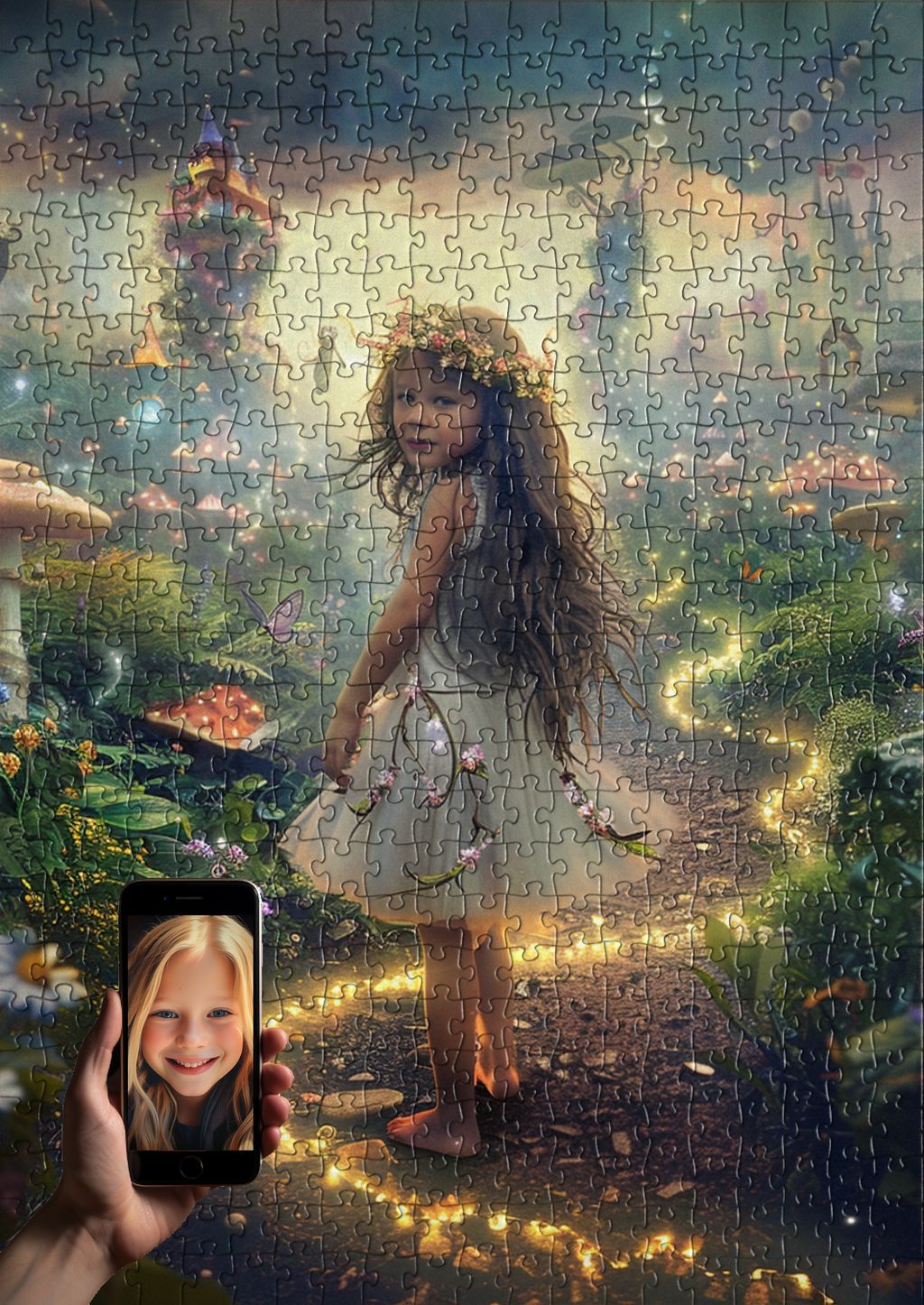
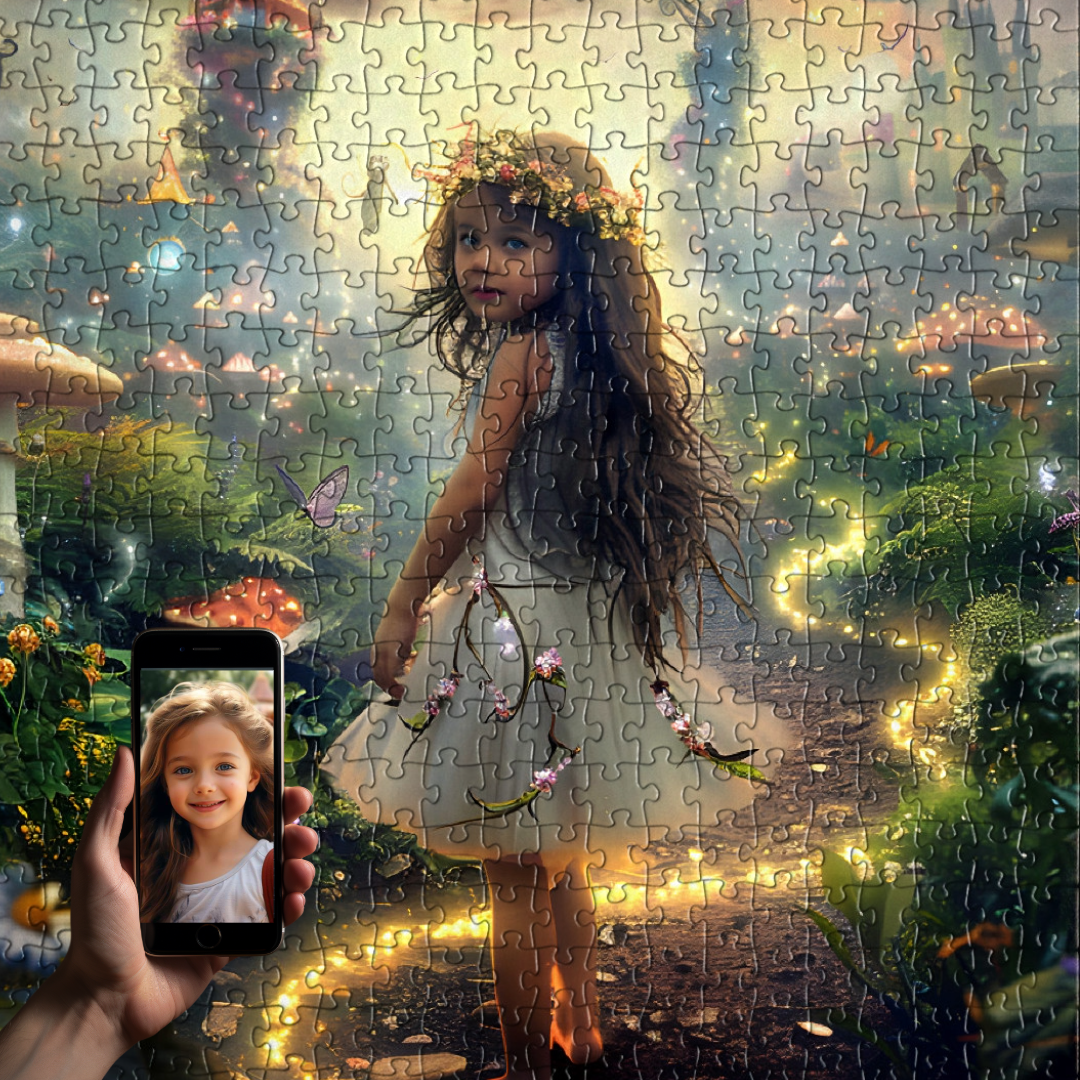
The fix is two things: piece count and personalization. In the 252-to-500-piece range, a puzzle becomes a real project that takes hours or days, not minutes. And when the image is personalized, the child sees themselves as the hero of the picture, which crosses the bar from "kid puzzle" into "this was made for me." That's the difference between a babyish present and a cool one.
A few options that work well at this age:
- For the kid who loves their sport, a personalized puzzle that puts them on the field, like the Soccer player boy or Female soccer player puzzles, lands far better than another generic athlete poster.
- For the kid into space, science, and big ambitions, something like the First girl on the moon puzzle pairs a real interest with a personal hero image.
- If the child has a very specific passion that isn't on any shelf, anime, a particular hobby, a pet, a place, a custom photo puzzle turns any image into a 252 or 500-piece project. This is also the best option for relatives who want to do something memorable.
Done right, a large personalized puzzle is one of the few gifts in this guide that feels both adult-curated and deeply specific to the child. Adults take the time to assemble it together. The finished piece often ends up framed.
A note for relatives who feel out of their depth
If you're a grandparent, aunt, uncle, or family friend and you don't see the child often, the eight-year-old gift problem is real. Trends shift fast at this age, and what was perfect last year may be embarrassing this year. Here's how to handle it gracefully.
- Ask the parents first. Don't ask "what does she like?" Ask "what's she been obsessed with this month?" The specificity matters.
- Lean into your own expertise. If you knit, a learn-to-knit kit from you means something. If you garden, a real seed-starting setup is a treasure. Gifts that come with the giver's time and skill are unbeatable.
- When in doubt, give an experience. Movie tickets, a museum membership, a pottery class, a trip to a trampoline park. Experiences sidestep the "is this babyish?" trap entirely.
- Personalized over generic, always. If you're choosing between two gifts of equal cost, the one with the child's name, photo, or specific interest will land harder.
- Avoid licensed characters unless you're sure. What a seven-year-old loved may be exactly what an eight-year-old now considers babyish. Ask.
Common gifting mistakes parents and relatives make at eight
After watching a lot of birthdays unfold, a few patterns repeat. Avoiding these is half the battle.
Over-gifting
Eight-year-olds at birthday parties or holidays often end up buried in a mountain of gifts and unable to appreciate any of them. The pile becomes overwhelming, the child opens each present for ten seconds, and nothing gets played with for more than a day. If you're a parent, consider the "want, need, wear, read" framework or a smaller number of carefully chosen items. If you're a relative, coordinate with the parents to avoid duplicates and excess.
Age-inappropriate complexity
This goes both directions. Buying a 1000-piece puzzle, a full-strategy euro game, or an adult-level coding curriculum sets the child up for frustration. But the opposite mistake is more common: buying things rated for ages four to eight, which the child has clearly outgrown. Read the box. If it says "ages 3+," it is probably not the right gift for an eight-year-old.
Ignoring the child's actual interests
This is the biggest one. Relatives often buy what they wish the child were interested in (chess, classical music, classic novels) rather than what the child actually loves (soccer, Roblox, drawing dragons). The gifts that get used are the gifts that match the kid in front of you, not the imaginary version.
Buying for "boys" or "girls" rather than for the child
An eight-year-old girl might be deeply into engineering, an eight-year-old boy might be deeply into baking. Default category shopping ("a gift for an 8-year-old girl") tends to miss. Specifics win.
Forgetting the social context
Some gifts are great at home but cause problems at school (loud noisemakers, fidget gadgets that get confiscated, anything that screams expensive in a class that mostly doesn't have it). Think about where the gift will actually live.
Putting it all together: how to choose
If you're staring at this list and still not sure, here's a simple decision tree:
- If they have a clear passion: Upgrade their gear in that passion. Real equipment, better quality, a step up from what they have.
- If they have many interests but no single obsession: A complex board game, a chapter-book series, or a personalized puzzle hits broadly without missing.
- If you barely know the child: Experience gifts, gift cards to specific stores they love, or a custom item the parents help personalize.
- If you want a gift that becomes a family memory: A large personalized puzzle or a cooperative board game pulls the whole household in.
Frequently Asked Questions
What's a realistic budget for an eight-year-old's birthday gift?
For a classmate's party, twenty to thirty dollars is standard in most communities. For a close friend or relative, forty to seventy-five dollars is common. For parents or grandparents giving the main gift, the range varies widely based on family norms, but the quality of the gift matters far more than the price. A thoughtful thirty-dollar personalized item often outperforms a generic hundred-dollar toy.
How do I know if a puzzle piece count is right for my child?
Most eight-year-olds can comfortably handle 100-to-300-piece puzzles independently and 300-to-500-piece puzzles with some adult help or persistence. If they've been doing 100-piece puzzles solo, jumping to 252 or 300 pieces is a natural next step. If they've never done a real puzzle, start at 100 and work up rather than overshooting.
Are screens and tech gifts okay at this age?
That's a family decision, but the trend among many parents is to delay personal smartphones and tablets and instead give tech gifts that have a defined purpose: a camera, a Kindle, a coding kit, a robot. Open-ended internet devices tend to crowd out other activities; purpose-built tech tends to enrich them.
My eight-year-old says they want only one thing and it's expensive. What do I do?
This is normal at eight. Their wants are becoming sharper and more specific. If the requested item is reasonable for your family, consider making it the main gift and surrounding it with one or two small, thoughtful additions (a book, a personalized item) rather than diluting with many small toys they didn't ask for. If it's not feasible, a heartfelt conversation about why, plus a well-chosen alternative, lands better than a pile of substitutes.
What if I get it wrong?
Eight-year-olds are old enough to talk about it. If a gift misses, you can ask, gently and without guilt, what they would have preferred. Most kids this age can articulate it. The conversation itself is the gift: it tells them you see them as a person whose opinion matters. And next year, you'll get it right.
One last thought
The gifts that matter at eight are the ones that say I see who you are becoming. Whether that's a stack of Percy Jackson books, a real ukulele, a 500-piece puzzle with their face on it, or a Saturday afternoon at a pottery studio with grandma, the format matters less than the message. Pick something specific. Take their interests seriously. Skip anything that would make them feel like a little kid. Do that, and the gift will earn its place, on a shelf, in a frame, on the field, or in their hands for the long haul.

Share and get 15% off!
Simply share this product on one of the following social networks and you will unlock 15% off!