
Shopping for a 7-year-old is a different game than shopping for a 5-year-old, and most of us discover this the hard way. The cute wooden toy that worked beautifully two birthdays ago now gets a polite, slightly pained smile. The character pajamas have suddenly been declared "for little kids." And the toy aisle, once a wonderland, is now navigated with strong opinions, brand awareness, and the occasional eye roll. Welcome to seven.
At this age, your child is changing fast. Reading is no longer a struggle but a tool they use to chase what interests them. Hobbies are crystallizing into real identities: the soccer kid, the budding artist, the coder, the reader. They can plan and finish projects that stretch across several days, sit with a focused task for twenty to twenty-five minutes, and care deeply about being competent. They are also, very suddenly, social creatures whose preferences are shaped by peers as much as by family. What their best friend has matters. What feels "babyish" is rejected, sometimes fiercely.
The challenge for parents, grandparents, and gift-givers is that the gap between "still too young" and "already too old for this" has narrowed dramatically. A gift that hits the sweet spot is one that respects the 7-year-old's growing autonomy, gives them a real challenge they can rise to, and connects to who they actually are right now, not who they were last year.
This guide walks through 25 to 30 gift ideas calibrated specifically for 7-year-olds across coding, board games, sports, books, photography, journaling, puzzles, STEM, and art. You'll also find a frank section on the most common gifting mistakes parents make at this age (over-quantity, ignoring real interests, miscalibrated complexity), plus an FAQ to help you make confident choices. The goal is not to fill a wrapping pile. It's to give one or two gifts that actually land.
What 7-Year-Olds Are Really Like as Gift Recipients
Before we get to specific recommendations, it helps to picture the developmental moment a 7-year-old is in. Seven is a transition year. Most children have settled into the rhythms of school, can read independently with growing fluency, and are starting to see themselves as capable individuals with skills, not just kids who do whatever the grown-ups suggest.
- Reading independence is in full bloom. They can sit alone with a chapter book and stay there. This unlocks a whole new category of gifts.
- Hobbies are forming. Soccer, gymnastics, drawing, dinosaurs, Pokemon, building, baking. Whatever it is, they're going deep.
- They want to master things. Not just play. They want to get good. They want to see progress.
- They have strong opinions. Influenced by friends, by older siblings, and by what they perceive as "their age."
- They can complete multi-day projects. A 500-piece puzzle, a model kit, a journal habit. Patience and persistence are real now.
- "Babyish" is the worst insult. Anything that looks too young will be dismissed, no matter how well-intentioned the gift.
Keep this picture in mind as you read. The best gifts for seven meet them as the person they are becoming.
Coding and Tech Kits That Treat Them Like Real Builders
Seven is a beautiful age to introduce real coding concepts, because logical thinking is online and reading comprehension makes step-by-step instructions accessible. The trick is choosing tools that feel like real technology, not preschool toys.
Botley 2.0 the Coding Robot
A screen-free coding robot that responds to programmed sequences. Children learn loops, conditionals, and obstacle avoidance through physical play. It feels like a real gadget, which is exactly what a 7-year-old wants.
BBC micro:bit Starter Kit
A tiny programmable circuit board with LEDs, buttons, and sensors. Pair it with a beginner project book and you have months of tinkering. This is genuine entry-level electronics, not a toy version of it.
Scratch Coding for Kids (book) and Scratch Junior
A well-written project book paired with the free Scratch platform turns screen time into making time. Animations, simple games, interactive stories. Kids who love it will keep going for years.
Board Games With Real Strategy
Goodbye Candy Land, hello actual decisions. At seven, children can hold rules in their heads, plan two moves ahead, and tolerate not winning (most of the time). These games invite family play that adults genuinely enjoy too.
- Catan Junior: A streamlined version of the classic. Pirates, resources, and real trading mechanics.
- Ticket to Ride: First Journey: Route building across a map. Beautiful components and meaningful choices.
- Sushi Go: Quick, witty card drafting. Easy to learn, surprisingly strategic.
- Outfoxed: Cooperative deduction, like a kid-friendly Clue.
- Rhino Hero Super Battle: Stacking, balance, and just enough chaos.
A good family board game does something a screen rarely does: it makes everyone in the room equal players, listening to each other, taking turns, laughing at the same moments. For a 7-year-old, being taken seriously at the table is part of the gift.
Real Sports Equipment for the Activity They Actually Do
If your child has chosen a sport, upgrading their gear from "starter set" to "the real thing" is one of the most meaningful gifts you can give at this age. It signals: I see that you're serious about this, and I take it seriously too.
- Proper soccer cleats in their size, not the generic athletic shoe. The fit, the feel, the look on the field. It matters.
- Climbing chalk and a small chalk bag for the kid who has fallen in love with the bouldering gym.
- Quality swim goggles, a real swim cap, and a mesh gear bag for the swimmer in training.
- A youth tennis racket sized correctly, not a hand-me-down that's too heavy.
- A real basketball in the right youth size, not a foam practice version.
The difference between a toy and a tool is enormous at seven. Tools say: you are capable. Tools say: keep going.
Books They Can (Finally) Read Solo
One of the great pleasures of seven is watching a child curl up alone with a book and disappear into it. The chapter-book threshold is one of the most magical transitions of childhood, and the right series can spark a lifelong reading habit.
Series Worth Buying as a Set
- Magic Tree House by Mary Pope Osborne. History, adventure, and just enough peril.
- Junie B. Jones by Barbara Park. Funny, irreverent, very re-readable.
- Dog Man by Dav Pilkey. Graphic novel hybrid, beloved by reluctant and eager readers alike.
- The Princess in Black by Shannon Hale. Short chapters, strong heroine.
- Mercy Watson by Kate DiCamillo. A perfect bridge between early readers and chapter books.
A box set in a series they love is a gift that keeps giving. They finish one and reach for the next. That's the goal.
A First Real Camera
Seven-year-olds notice things. They notice the way light falls on the cat, the way their little brother makes a face, the way the snow piles on the fence. A kid-friendly real camera (not a toy) lets them capture and curate their world.
Look for a model designed for kids, with a sturdy rubberized case, decent megapixels, and a viewfinder. Add an SD card and a small photo album where their printed favorites can live. Photography teaches noticing, framing, and editing choices: skills that travel into every part of life.
Journaling and Writing Supplies That Feel Grown-Up
Writing for pleasure starts around now. The diary, the secret journal, the spy notebook, the comic in progress. Gift accordingly.
- A lockable journal with a real key. The lock is the point. Privacy feels earned.
- A starter fountain pen with refillable cartridges in a few colors. Yes, fountain pens. Kids love them.
- A blank comic book template notebook for the budding storyteller.
- A nice pencil case with mechanical pencils, erasers, and a small ruler. Tools, again.
- A set of fine-tip markers for journaling, lettering, and doodling.
The signal to a 7-year-old of "these are serious supplies, you choose how to use them" is enormously empowering.
Puzzles Worth Their Time
Puzzles remain a wonderful gift at seven, but the format has to grow with the child. Twenty-four pieces are insulting now. Forty-eight pieces are a warm-up. To genuinely engage a 7-year-old over several focused sessions, you want something closer to 200 to 300 pieces, with imagery that respects their taste.
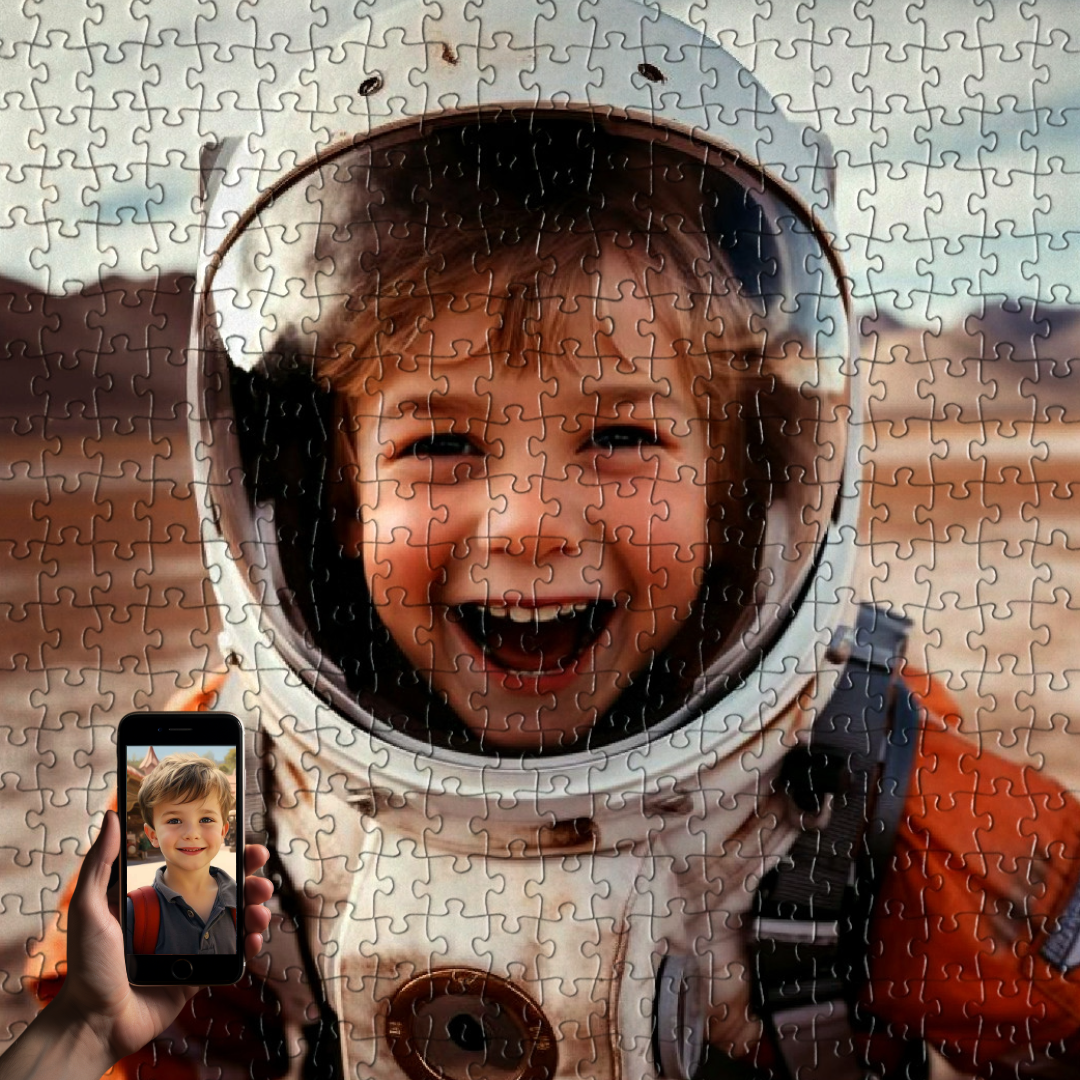
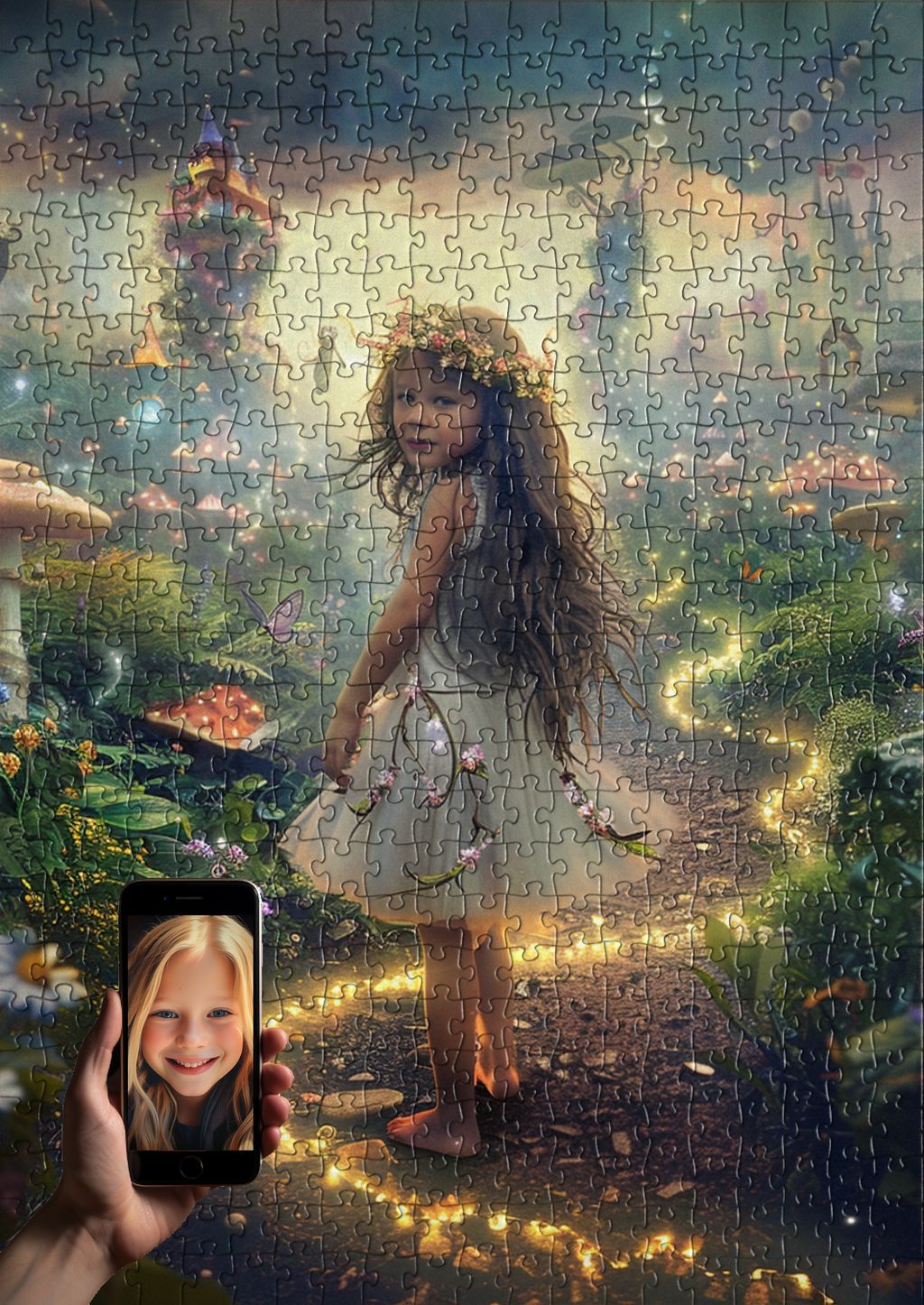
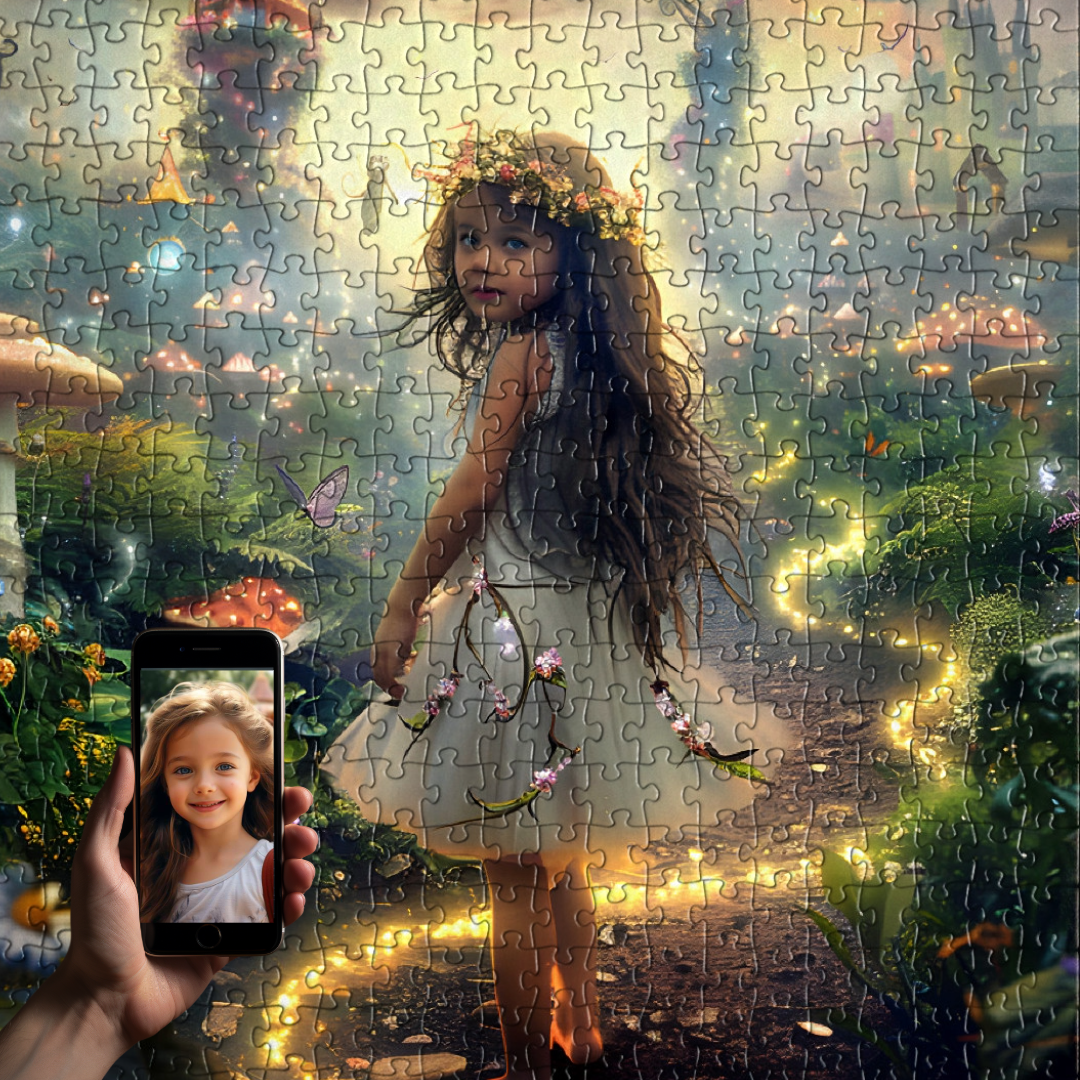
This is where a personalized 252-piece photo puzzle hits exactly the right note. It's a real challenge, not a babyish one. It takes several sittings to complete. And because it's made from a photo that matters to them, a family trip, a beloved pet, a portrait with grandparents, it carries emotional weight that a generic landscape never will. Seven-year-olds are old enough to appreciate that "this puzzle was made just for me" is a different kind of object than something off a shelf.
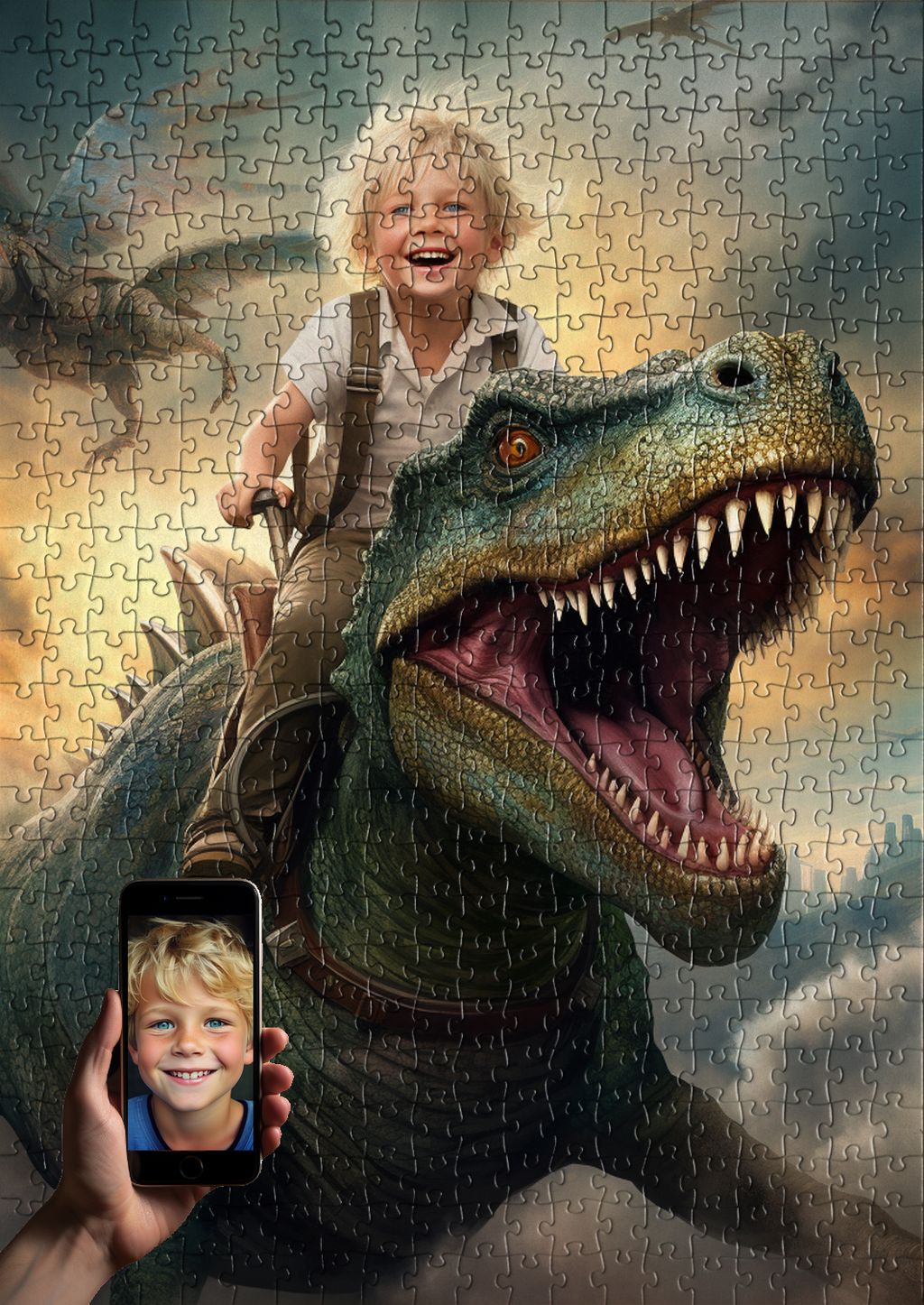
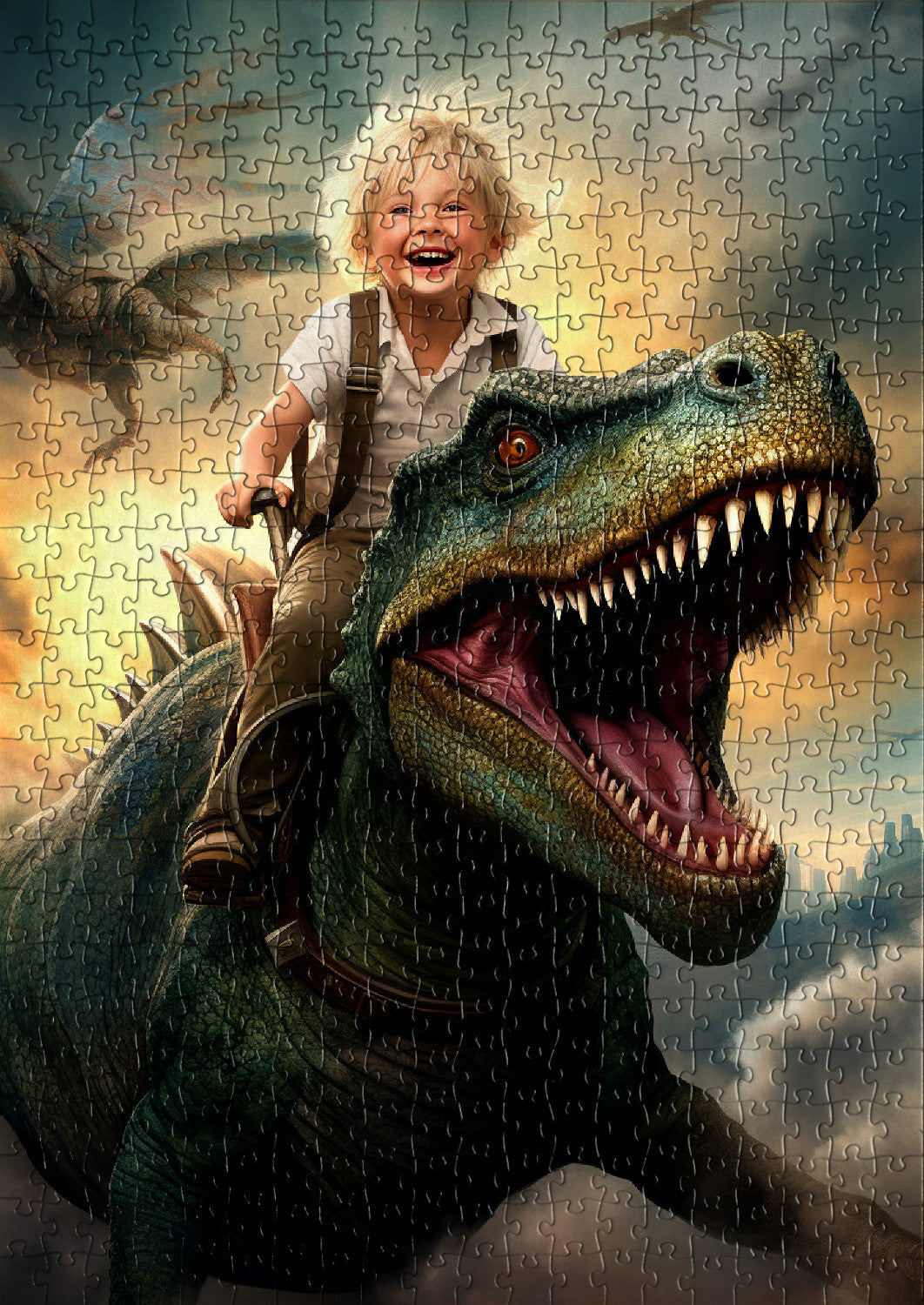
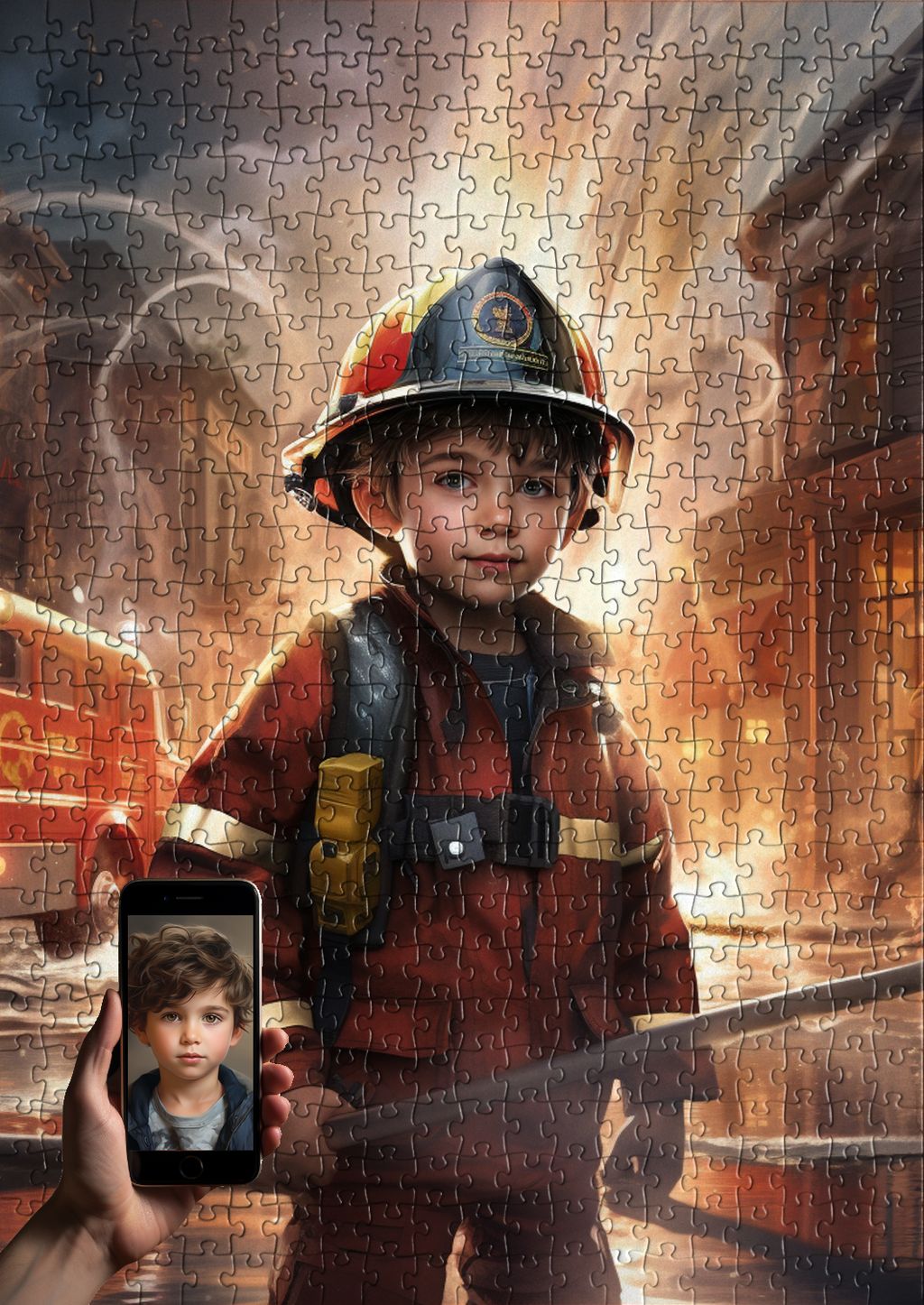
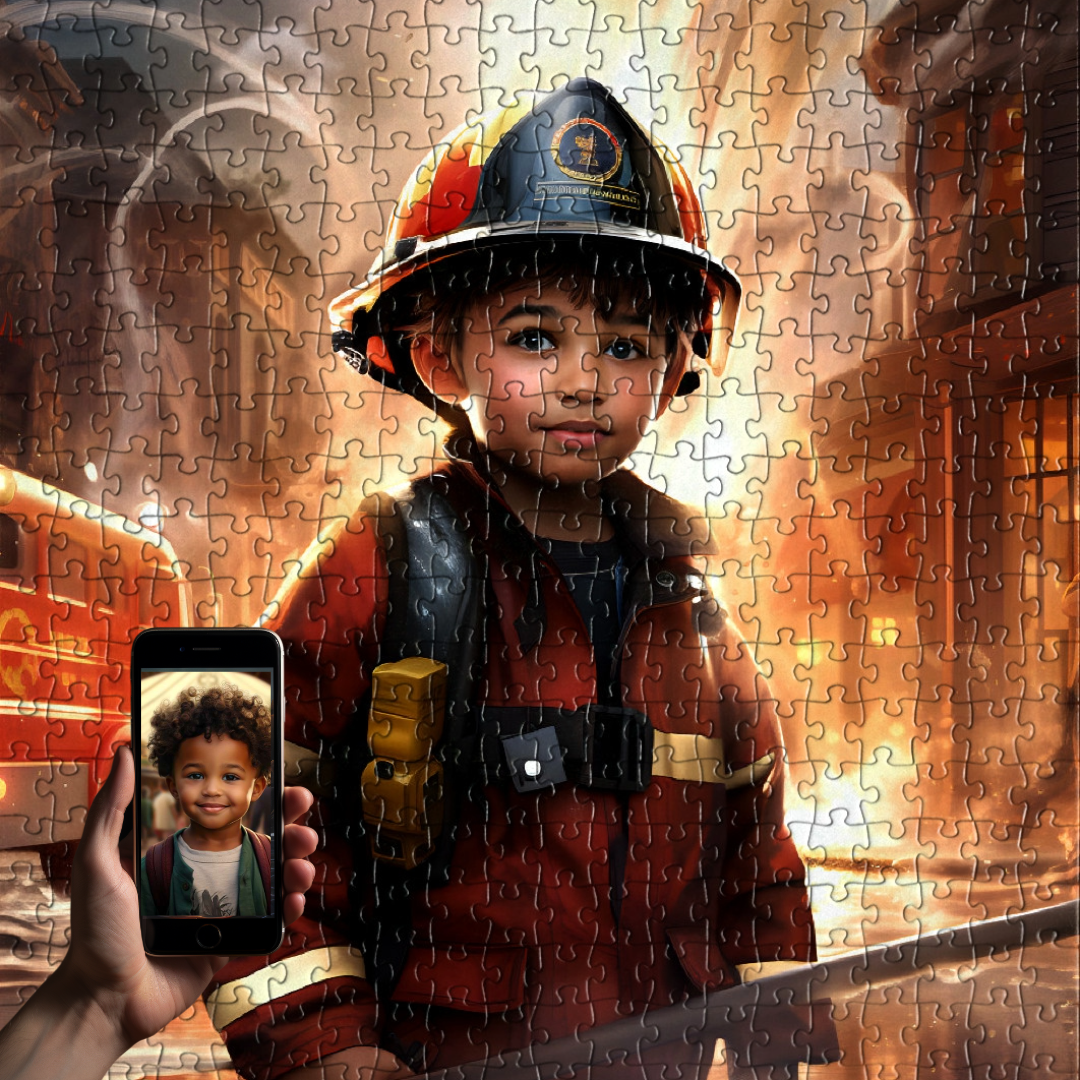
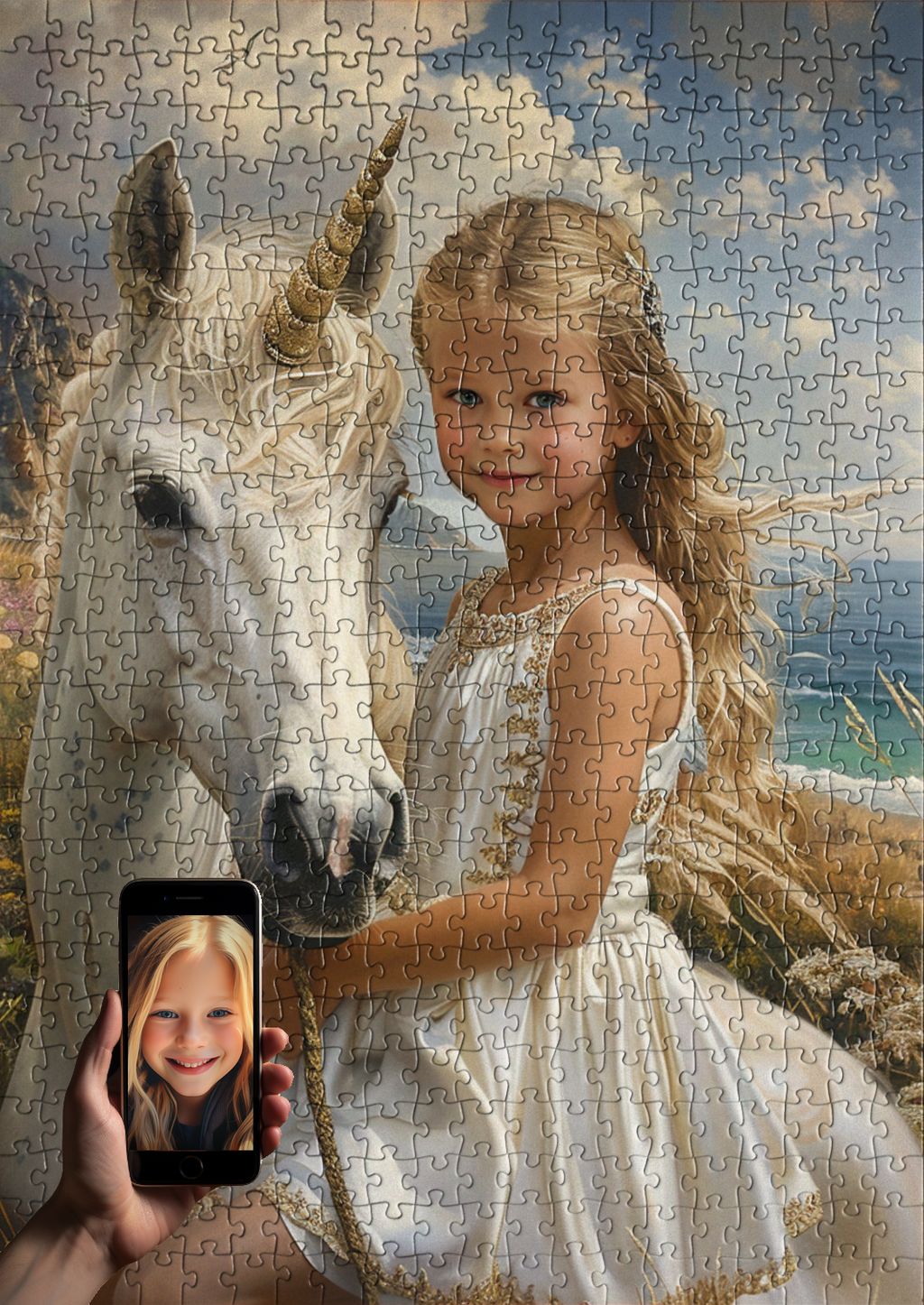
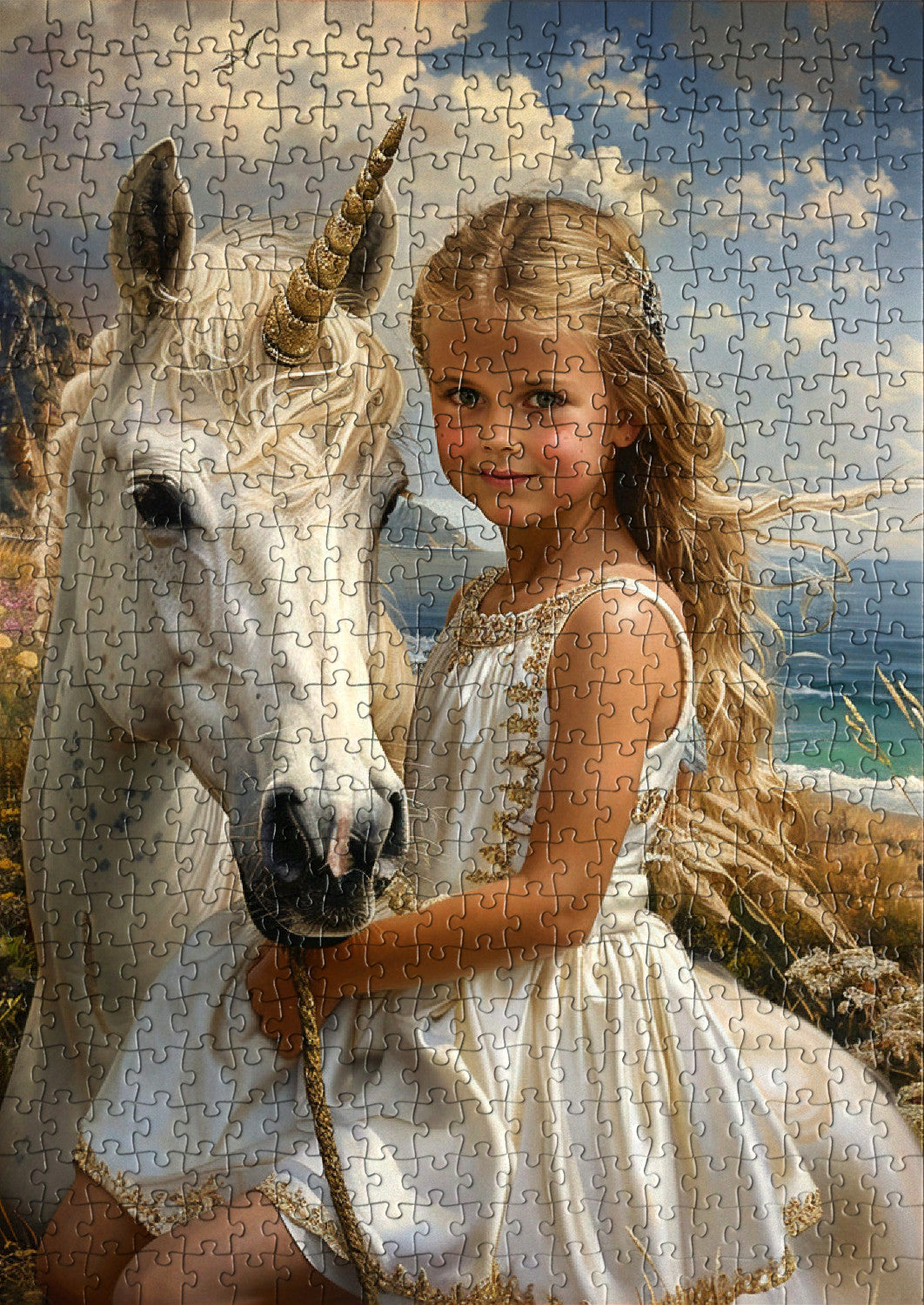
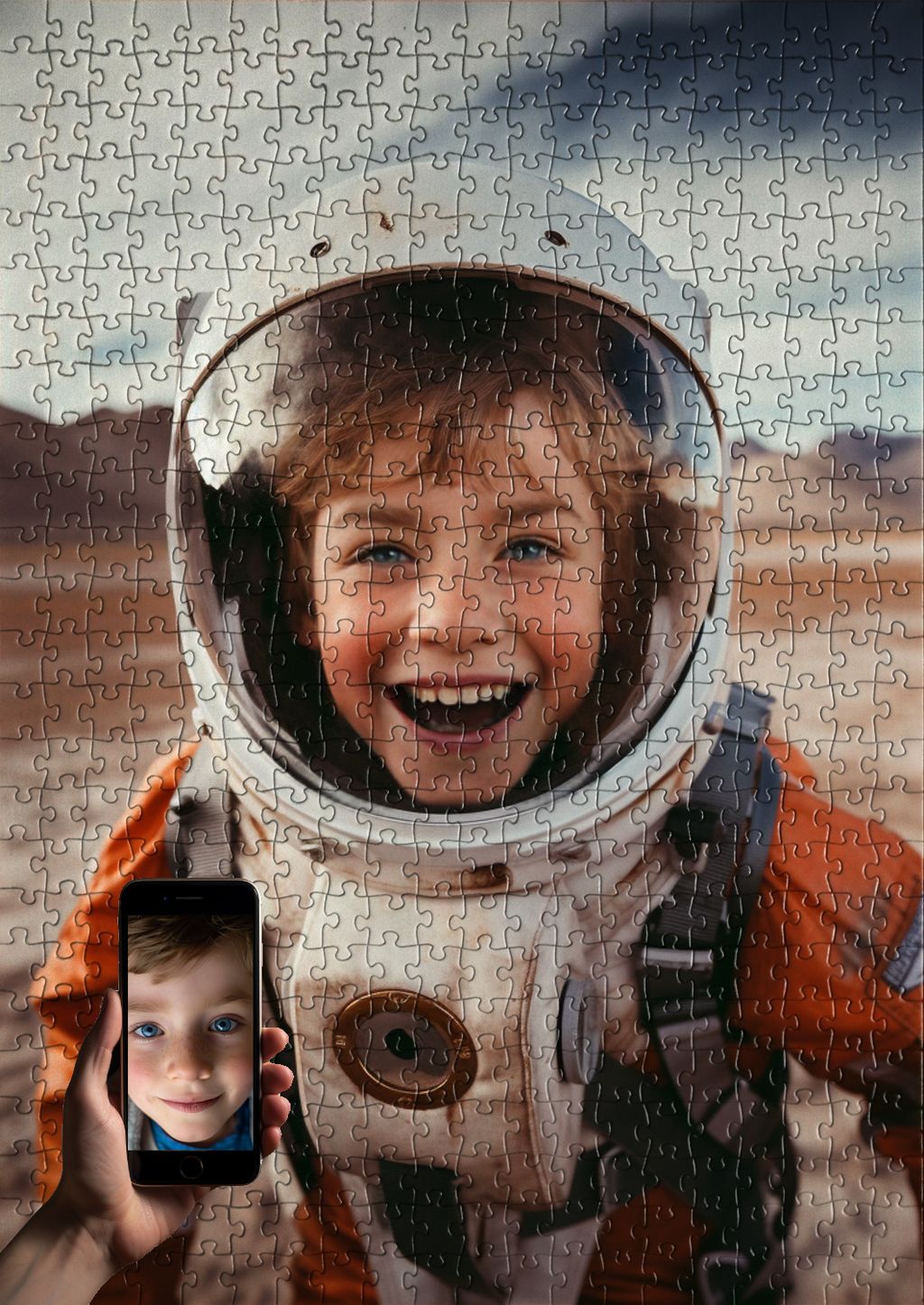
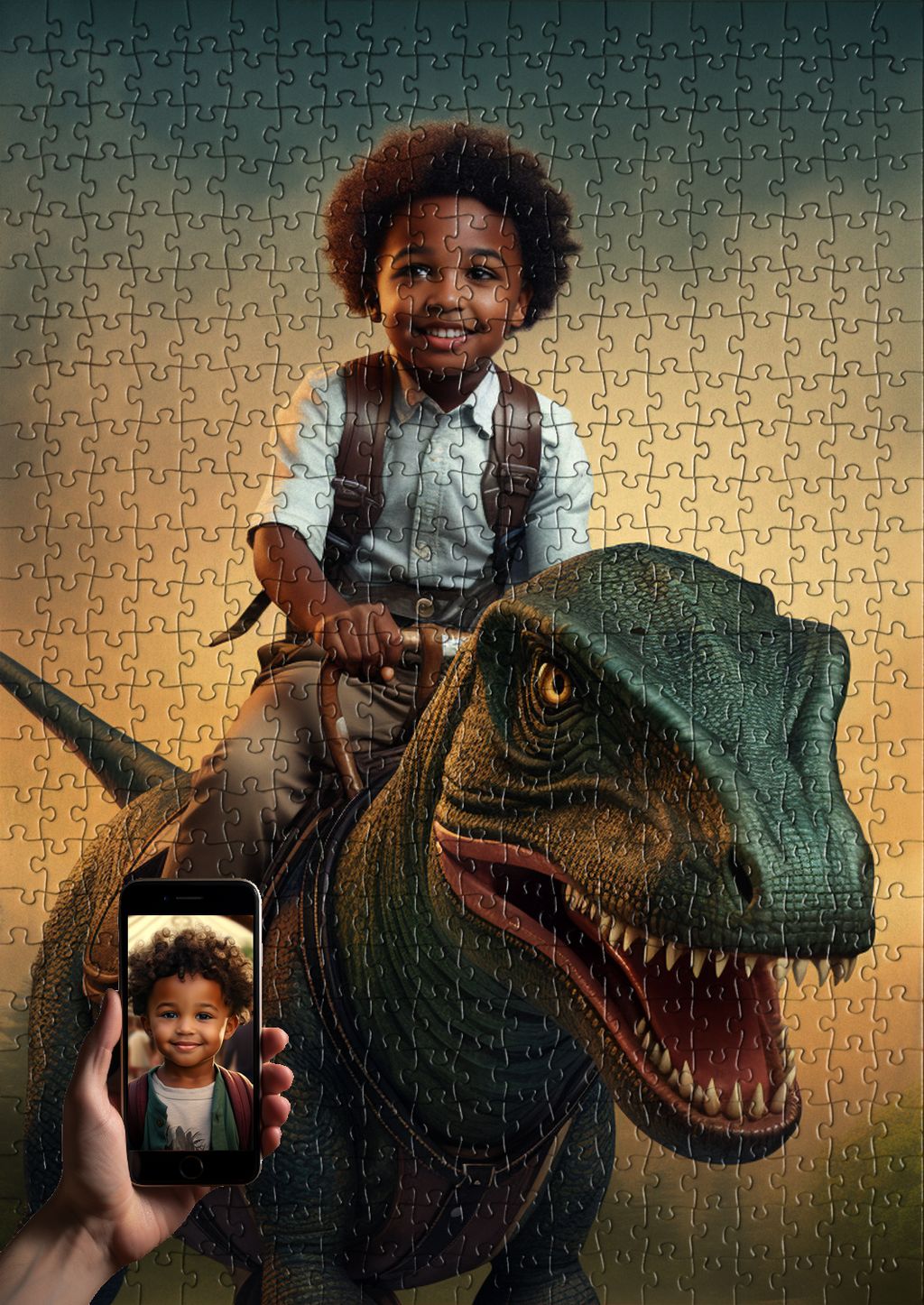
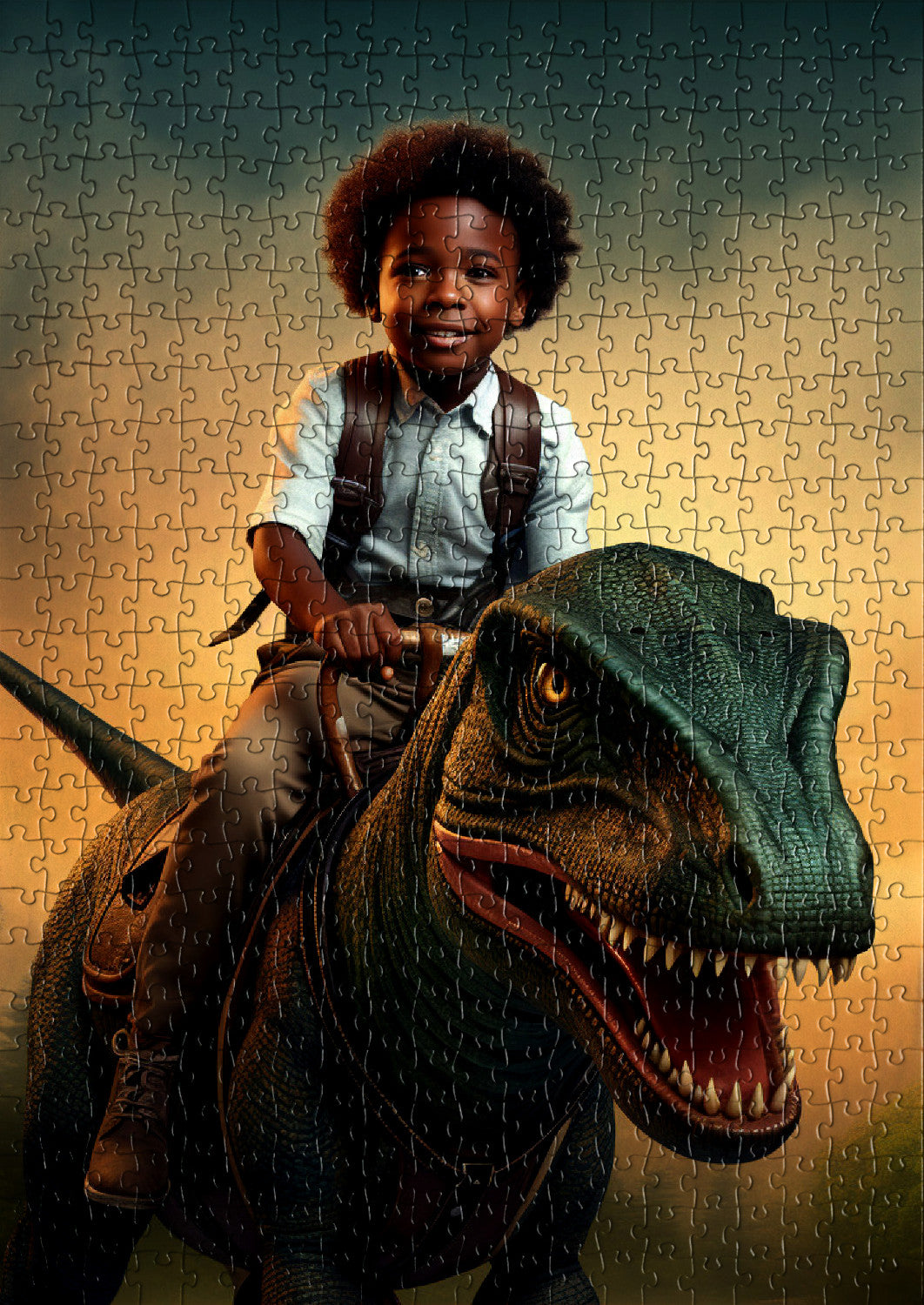
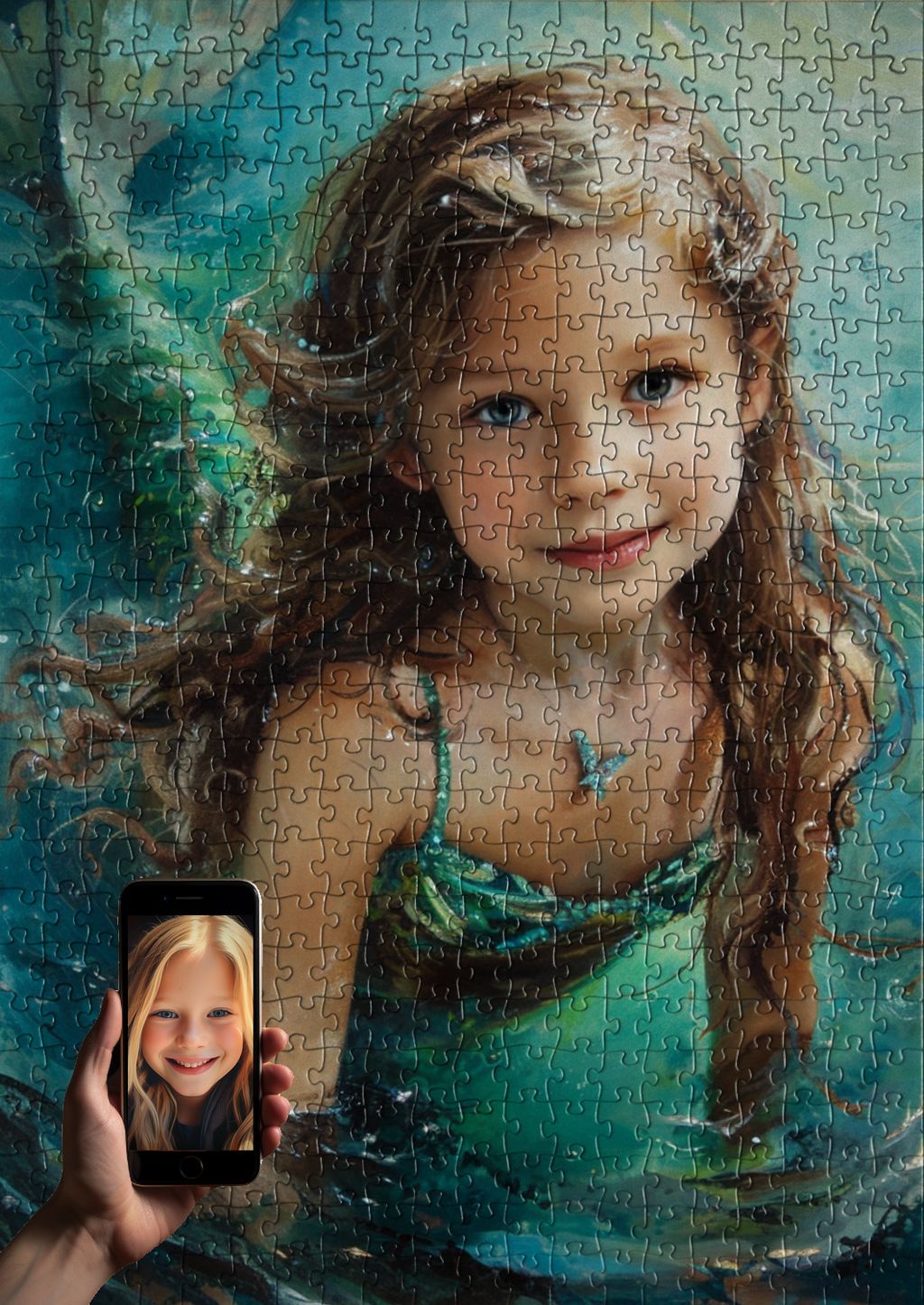
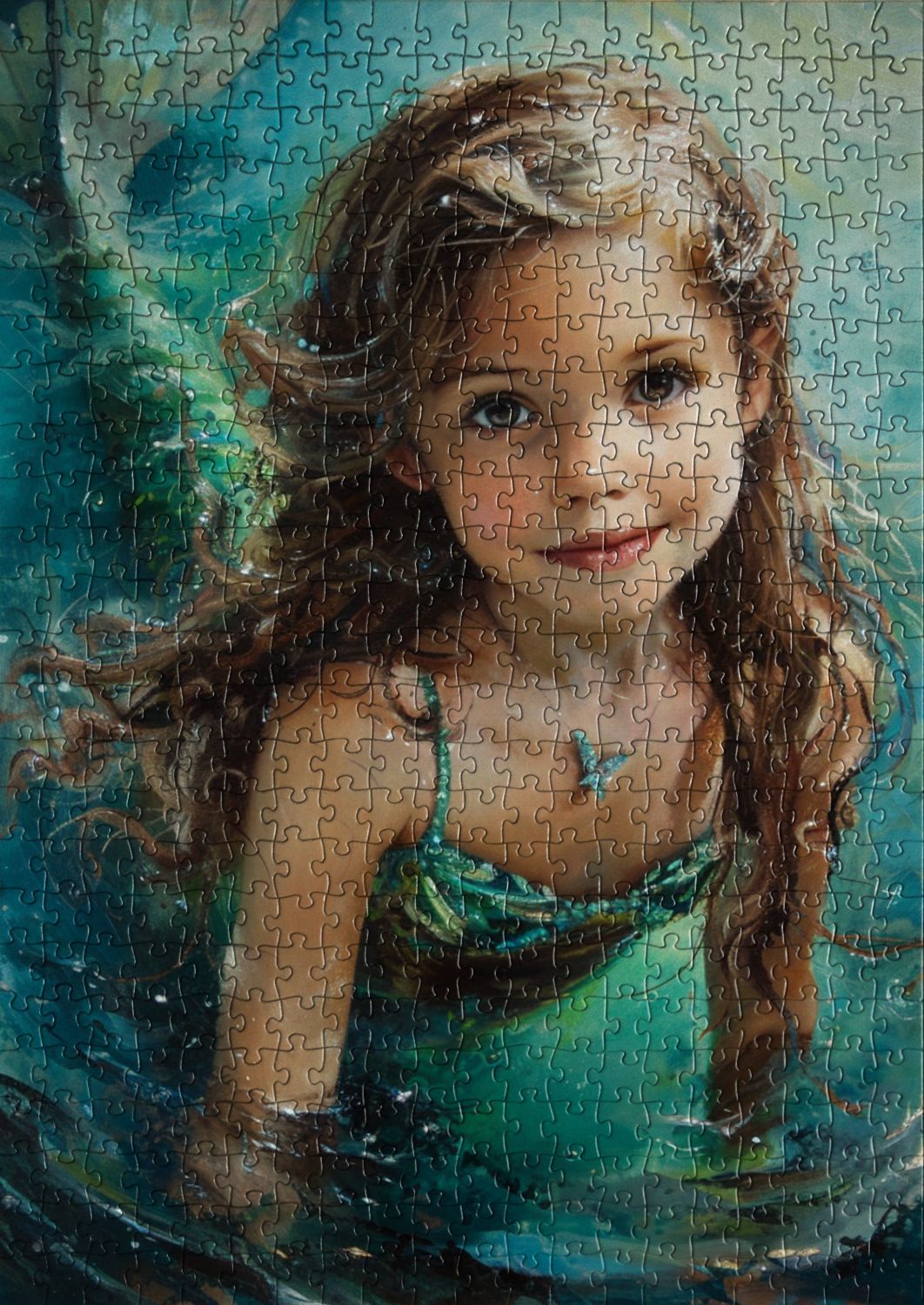
For children who lean into imagination and identity, you can also commission a fully bespoke illustrated puzzle where your child appears as the hero of a scene of their choosing: astronaut, soccer star, knight, scientist. At seven, the idea of being depicted as the person they want to become is genuinely thrilling, and the resulting puzzle is something they'll display long after assembly.
If your child has a clear obsession with a theme, a ready-made personalized design like First Girl on the Moon or a soccer-themed personalized puzzle can be the perfect bridge between their current passion and a keepsake gift.
STEM and Building Kits That Actually Build Something
The STEM-toy market is enormous and quality varies wildly. At seven, your child can handle real components and follow multi-step instructions. Look for kits that result in a finished, usable thing.
- Snap Circuits Plus: The gold-standard electronics kit. Hundreds of real circuits, no soldering, real components.
- LEGO Technic (entry sets): Gears, axles, working mechanisms. A step up from regular LEGO.
- K'NEX Education sets: Engineering with moving parts, ramps, and simple machines.
- A real magnifying glass and bug-collecting kit for the nature-curious.
- A crystal-growing or chemistry kit with adult supervision. The wait, the watching, the result. All of it is the point.
Art Supplies of Upgraded Quality
If your 7-year-old draws, the leap from washable kids' markers to artist-quality supplies is one of the best gift moves you can make. They notice the difference immediately.
- A starter set of real watercolors with proper brushes and watercolor paper.
- Quality colored pencils (Prismacolor Junior, Faber-Castell). The colors blend. The pigment shows up. It feels different.
- A hardcover sketchbook with thicker paper than printer paper.
- An air-dry clay set with simple sculpting tools.
- A child-sized easel if drawing is a daily activity, not a sometimes thing.
Upgrading supplies signals respect for the work. That respect, more than any single piece of equipment, fuels the next stage of skill.
Common Parent Mistakes at the 7-Year-Old Gift Stage
After surveying hundreds of families and listening to what 7-year-olds themselves say about gifts, three patterns come up over and over.
1. Over-Gifting on Quantity
The instinct, especially at birthdays and holidays, is to pile up wrapped boxes. More gifts equals more love, right? At seven, it's almost always the opposite. A child who unwraps fifteen items in a row remembers approximately two of them. The rest blur. One or two thoughtful, well-chosen gifts that match who they are will be played with for months. A mountain of mediocre gifts will be forgotten by February.
2. Ignoring the Child's Actual Interests
This is the silent gift killer. The aunt who buys princess dresses for the niece who has moved on to coding. The grandparent who keeps gifting cars to the boy who has fallen in love with dinosaurs. Seven-year-olds change, and they want to be seen for who they are now. Before buying, ask yourself: what did this child do for fun last weekend? What do they talk about at dinner? What did they choose at the library? Buy for that child, not the one in your mental snapshot from two years ago.
3. Miscalibrated Complexity
Too simple is just as bad as too hard. A puzzle they finish in seven minutes feels insulting. A board game with rules they cannot follow gets shelved. Aim for "challenge they can rise to," which usually means: takes effort, requires focus, finishable with persistence. When in doubt, ask the child directly. By seven, they know.
Putting It All Together: Building the Gift List
Here's a practical framework for choosing among all these ideas. Pick one item from each of these categories, and you'll have a gift list any 7-year-old will love.
- One big "you" gift: Something that reflects their current passion. The cleats, the camera, the coding kit.
- One project gift: Something that takes time and focus. A 252-piece personalized puzzle, a Snap Circuits set, a model kit.
- One reading gift: A series box set or a beautifully illustrated book.
- One creative gift: Upgraded art supplies, a journal, a sketchbook.
- One social gift: A board game the whole family will play together.
Five gifts, all calibrated, all meaningful. Far better than fifteen of anything.
Frequently Asked Questions
How much should I spend on a 7-year-old's gift?
There's no fixed number, but quality matters more than quantity at this age. A single $50 to $80 item that fits your child's real interests will be played with far longer than $200 spread across many smaller items. For close family, one significant gift plus a small accompanying item works well. For friends' birthdays, $20 to $30 on something well-chosen is plenty.
My child is obsessed with screens. Should I just give in and buy gaming gifts?
You don't have to give in, and you don't have to fight either. Many of the gifts in this guide (coding kits, real cameras, board games, puzzles, books) compete successfully with screens because they offer the same things screens offer: challenge, mastery, narrative, social connection. Choose two or three of these and watch what happens. Often, the child reaches for them before the tablet.
What if I genuinely don't know what my 7-year-old is into right now?
Ask them. Seriously. Sit down and have a conversation. "What's something you wish you had more time to do?" or "If you could be really good at one thing, what would it be?" By seven, they can answer these questions, and their answers will surprise you. You can also ask their teacher or a close friend's parent for outside perspective.
Are personalized puzzles still a good gift at this age, or are they too young?
Personalized puzzles are excellent at seven, provided the piece count is right. A 24 or 48-piece puzzle will feel babyish. A 200 to 300-piece personalized puzzle is genuinely challenging, takes several focused sessions to complete, and carries the emotional weight of being made just for them. That combination, real challenge plus personal meaning, is hard to find in any other gift category.
How do I handle gifts from extended family that miss the mark?
Gently, and in advance. Many grandparents and aunts genuinely want guidance and feel relieved when you offer it. A short text with two or three specific suggestions in different price ranges is a kindness, not an imposition. Frame it as "here's what she's really into right now" rather than "here's what to buy." Most family members will be grateful.
The Bigger Picture
Seven is a year of becoming. Your child is figuring out who they are, what they care about, and what they're capable of. Every gift you give is, in a small way, a vote of confidence in that becoming. The cleats say: I see you as an athlete. The coding kit says: I see you as a maker. The personalized puzzle says: I see you, specifically, and I made something just for you.
This is what makes gift-giving at seven so different from gift-giving at three or four. The objects matter less than the message they carry. Choose a few things, choose them with care, and let the gift do the quiet, important work of telling your child: I am paying attention to who you are turning into, and I think it's wonderful.
If a personalized puzzle feels like the right fit for your 7-year-old this year, consider one built around a photo they love or a scene that mirrors their dreams. At 252 pieces, it offers exactly the kind of multi-day, focus-rewarding challenge that meets a seven-year-old where they are, without ever feeling babyish. Whatever you choose, the best gift is the one that lets your child feel truly seen.

Share and get 15% off!
Simply share this product on one of the following social networks and you will unlock 15% off!