
Picking a gift for a three-year-old sounds like it should be easy. They love everything! They get excited about a cardboard box! And yet, anyone who has watched a freshly unwrapped toy get abandoned within an afternoon knows the truth: most gifts for this age miss the mark. They are either too babyish (the child has visibly outgrown it), too advanced (the small parts, the reading, the patience required), or simply not aligned with how a three-year-old's brain actually works right now.
Three is a magical, slightly chaotic developmental window. Imagination explodes almost overnight. Your niece who was stacking blocks last month is suddenly running a pretend bakery, hosting tea parties for her stuffed bears, and narrating elaborate stories where the couch is a pirate ship. Fine motor skills are refining, so chunky crayons start producing recognizable shapes, and small fingers can finally manage zippers, large buttons, and puzzle pieces. Language is exploding too, with new words landing daily and questions ("but why?") arriving in cheerful, unstoppable waves. Socially, kids this age are shifting from solo play into parallel play, happily building near other children even if not quite with them.
All of this matters when you are standing in a toy aisle or scrolling through Amazon trying to figure out what will actually delight them past the wrapping paper. The right gift at three is one that meets the child where they are: open-ended enough to fuel pretend play, sturdy enough to survive enthusiastic handling, and just challenging enough to feel like a small victory rather than a frustration.
This guide is the parent-to-parent version we wish someone had handed us. It covers 25-plus gift ideas organized by category, with honest notes on what tends to hold a three-year-old's attention versus what gets forgotten in two days. It also addresses the gift-giving anxieties grandparents and family friends often share with us ("Will she already have one?" "Is this too young?"), and includes a short list of gifts to genuinely avoid at this age. Whether you are shopping for a birthday, the holidays, or a "just because" moment, this should make the decision feel less like guesswork and more like a thoughtful match.
What three-year-olds actually love (and why)
Before the category lists, it helps to know the through-line. A three-year-old gravitates toward toys that let them be the boss of the story. They are exploring agency, identity, and cause-and-effect. The best gifts at this age share a few traits:
- Open-ended. One toy, many possible play scenarios.
- Tactile and physical. Bodies are learning at this age as much as minds.
- Repeatable. Three-year-olds love to do the same thing fifty times. That is how they master skills.
- Visually clear. Simple colors and shapes beat busy patterns and tiny detail.
- Slightly challenging. Just hard enough to feel proud after finishing.
Toys that flunk the two-day test usually have one common flaw: they only do one thing, and once the novelty wears off, there is nothing left to discover.
STEM and building gifts
Three is the sweet spot for early building toys. Spatial reasoning is developing fast, and the satisfaction of "I made this" is enormous.
Reliable crowd-pleasers
- Magnatiles or magnetic tiles. Genuinely one of the most-played-with toys in our house from age three through seven. Worth every penny.
- Chunky wooden blocks. Unit blocks or rainbow stacking blocks. Quiet, durable, endlessly remixable.
- Mega Bloks or Duplo. The right size for three-year-old hands. Skip standard Lego until at least four.
- Peg boards and lacing toys. Excellent for fine motor work, and they double as quiet-time activities.
- Simple gear sets. The ones where chunky gears click onto a board and spin together. Mesmerizing.
- Wooden train tracks. Will be played with for the next five years if you invest in a good set.
The thing to watch for in this category is complexity creep. A 200-piece set looks impressive but is overwhelming at three. Start smaller, add more later.
Creative and art gifts
A three-year-old's relationship with art is mostly about process, not product. They are not trying to draw a cat. They are exploring what happens when this color meets that color and this surface meets that tool. Choose accordingly.
What actually gets used
- Chunky triangular crayons. Easier to grip and shaped to encourage a proper pencil hold.
- Washable markers (the fat kind). Crayola's washable line is your friend on light-colored walls.
- Color Wonder kits. Markers only show up on the special paper. A genuine miracle product.
- No-mess paint pouches or window paint. Activity without the cleanup tax.
- Play-Doh and basic tools. Strengthens hands and busies them for surprisingly long stretches.
- Stickers, lots of them. Reusable sticker scenes are gold for restaurants and waiting rooms.
- A small easel. Having a dedicated art space changes how often a child actually creates.
Skip anything that requires adult-level setup every single time. If using the gift means dragging out smocks, cups of water, and a drop cloth, it will collect dust.
Outdoor and gross motor gifts
Three-year-olds need to move. A lot. Outdoor gifts often outlast every other category because they get used across seasons and ages.
- Balance bike. The single best three-year-old gift if they do not already have one. Skips training wheels entirely and teaches real bike balance.
- Scooter (three-wheel). Micro and similar brands hold up to abuse and develop core strength.
- Sandbox toys. Buckets, shovels, sifters, dump trucks. The classics still work.
- Water table. Endlessly entertaining in warm months. Bonus: combines well with kitchen pretend play.
- Bubble machine. Cheap, joyful, and saves the adult lung capacity of bubble-blowing on demand.
- Chalk and a driveway. Free creative real estate.
- A small soccer ball or T-ball set. Especially good for kids showing early sports interest.
- Rain boots and a puddle suit. Not a "toy," but turns every drizzly day into an adventure.
Pretend play gifts
This is the category that exploded for our kids at three and stayed strong for years. Pretend play is how children rehearse the world they live in, and it is genuinely one of the most important kinds of play at this age.
The setups worth investing in
- A play kitchen with basic food and dishes. Doesn't have to be enormous. A compact one in a corner gets just as much use.
- Dress-up trunk. A few capes, hats, scarves, and crowns will be worn into the ground. Less-is-more works here.
- Doctor's kit. Stethoscope, thermometer, bandages. Every stuffed animal in the house will be examined.
- Tool bench or tool belt. Especially nice if a grown-up at home does projects the child likes to copy.
- Baby doll with simple accessories. Loved by toddlers of every gender. Caregiving play is universal.
- A small grocery cart or stroller. Push toys that double as pretend props get hours of use.
- Toy phone or pretend camera. Mimicking grown-ups is a three-year-old's full-time job.
The trick with pretend play gifts is to leave space for imagination. A kitchen with too much branded plastic food can actually constrain play. A few wooden pieces and some scarves to wrap things in does more.
Books worth the shelf space
Three is when read-aloud sessions become longer, sillier, and genuinely interactive. Kids start asking to hear the same book ten nights running, and that repetition is exactly where literacy roots itself.
- Sandra Boynton. Anything by her. Moo, Baa, La La La! and The Going to Bed Book are crowd-pleasers for a reason.
- Mo Willems. The Elephant and Piggie series and the Pigeon books. Funny enough that adults do not mind the hundredth reading.
- Karen Katz lift-the-flap books. Just the right amount of physical interaction.
- Eric Carle classics. The Very Hungry Caterpillar never fails.
- Julia Donaldson. The Gruffalo, Room on the Broom, the rhymes hook three-year-olds completely.
- A "first encyclopedia" or look-and-find book. Great for the quiet, post-lunch flop on the couch.
If you are gifting from outside the immediate family, a small stack of three books in a ribbon almost always lands better than a single fancy hardcover.
Keepsake and personalized gifts
This is the category grandparents and aunts ask us about most. They want something the child will actually remember, something that does not end up in the donation bag in eighteen months. The honest answer: personalized gifts win at this age, because three-year-olds are deeply, obsessively interested in themselves. Their name, their face, their family. Anything that features them feels like magic.
Personalized puzzles, specifically
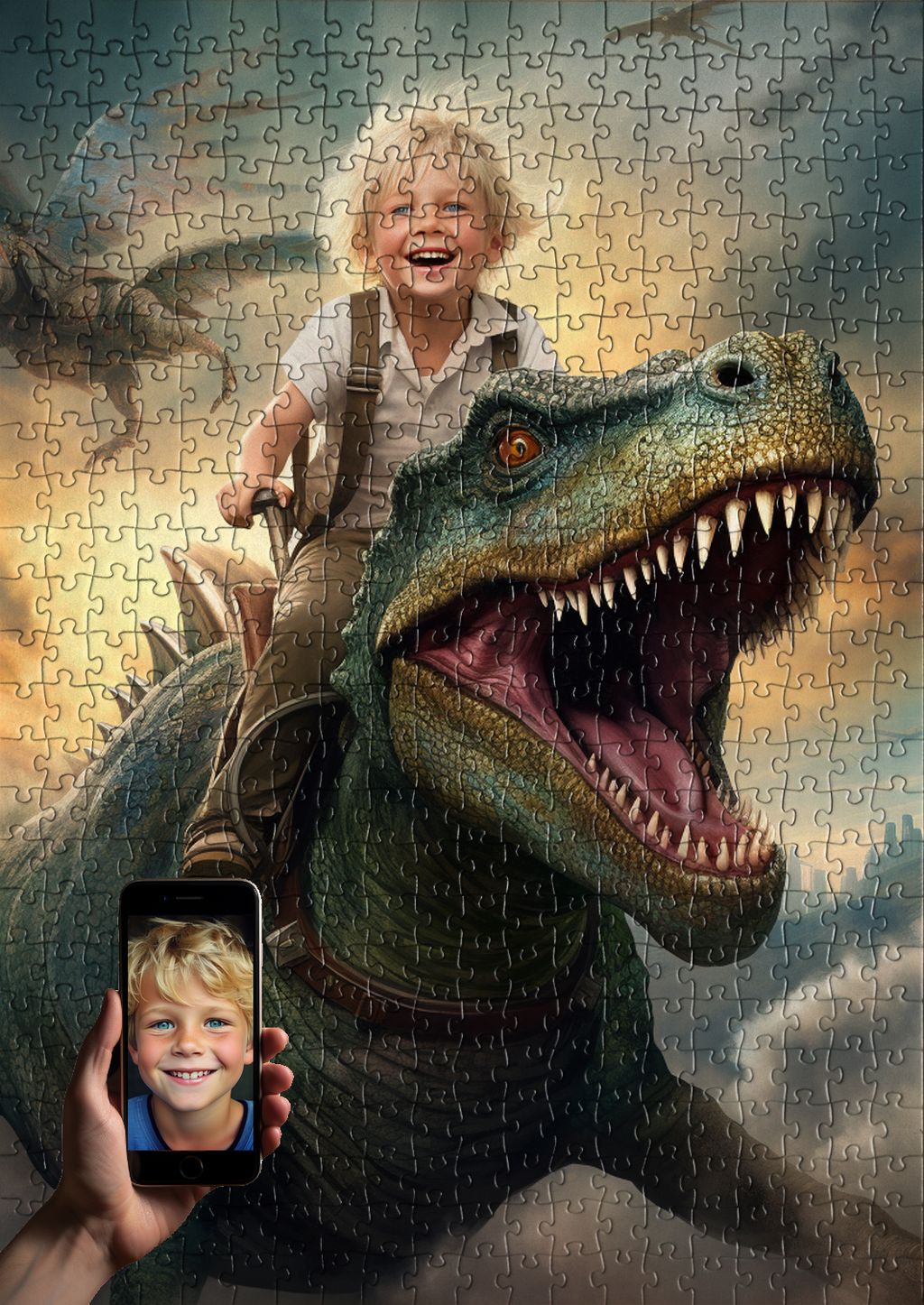
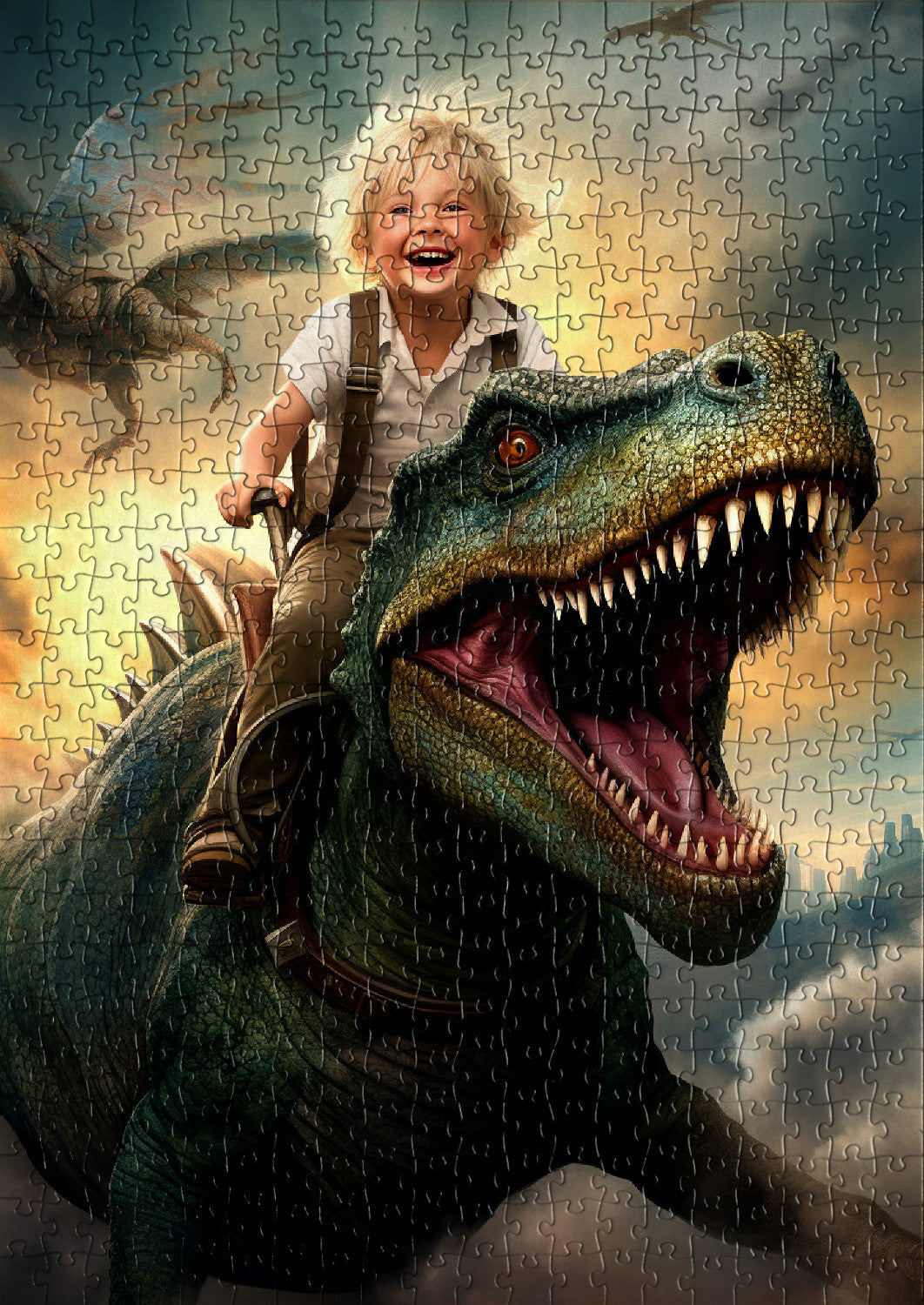
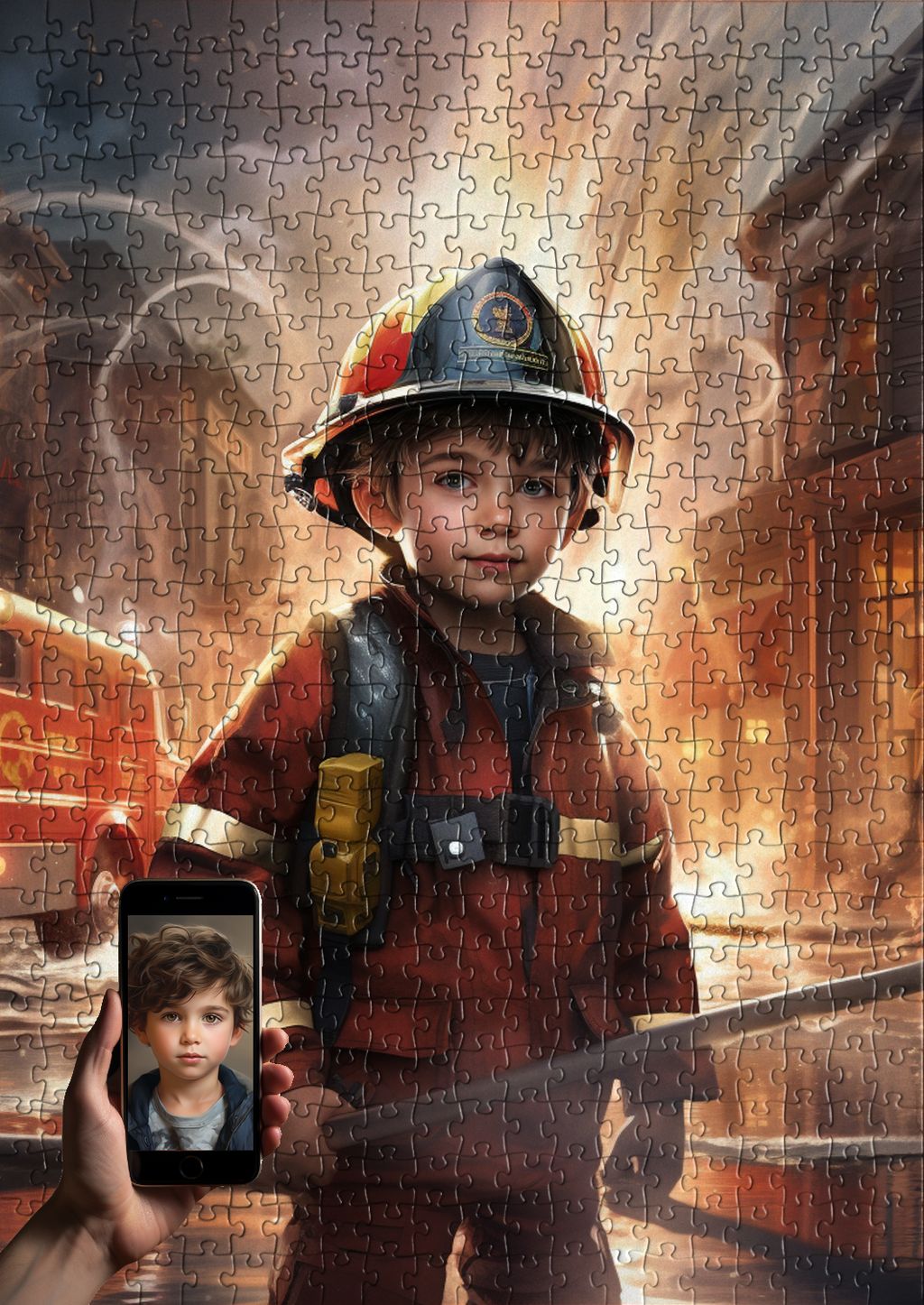
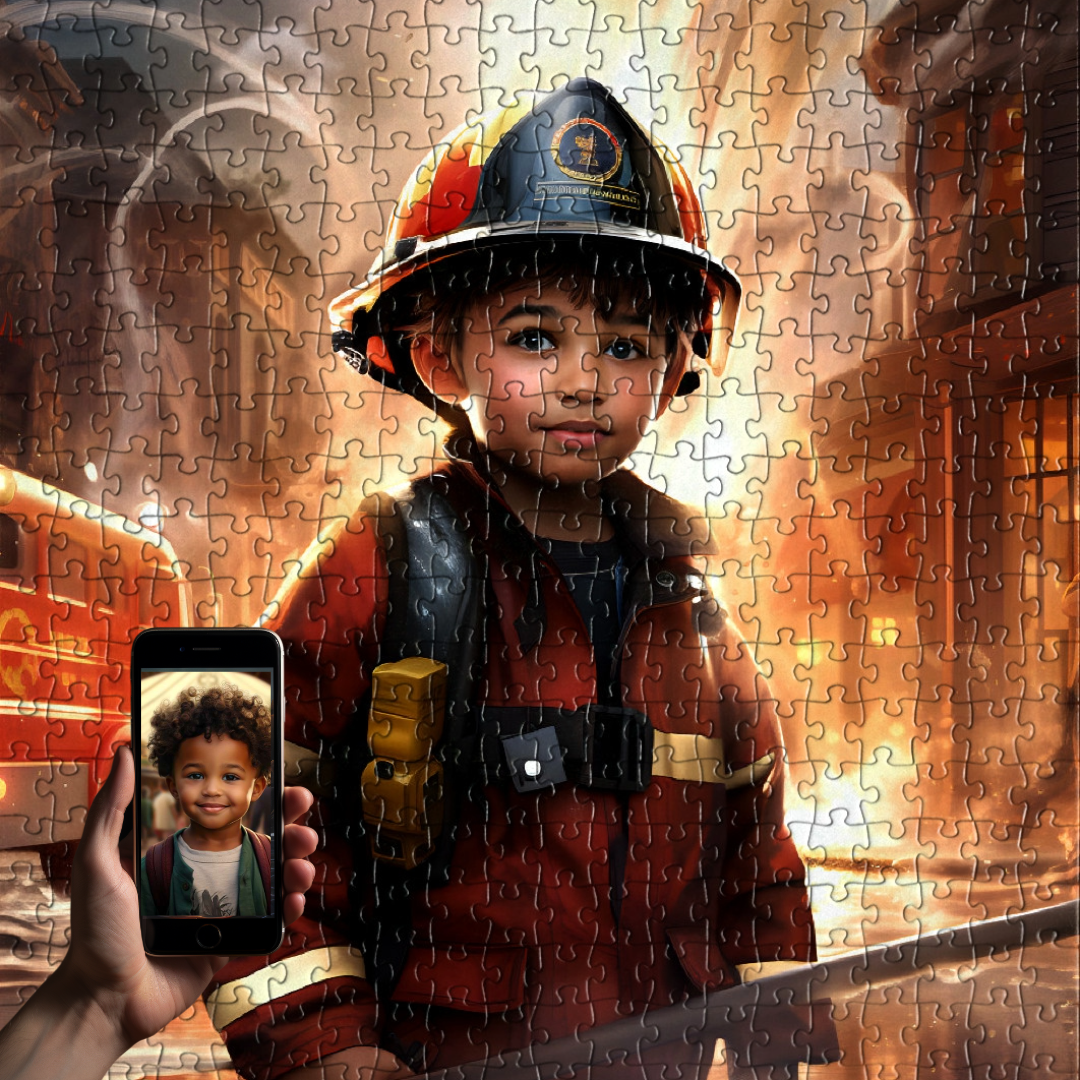
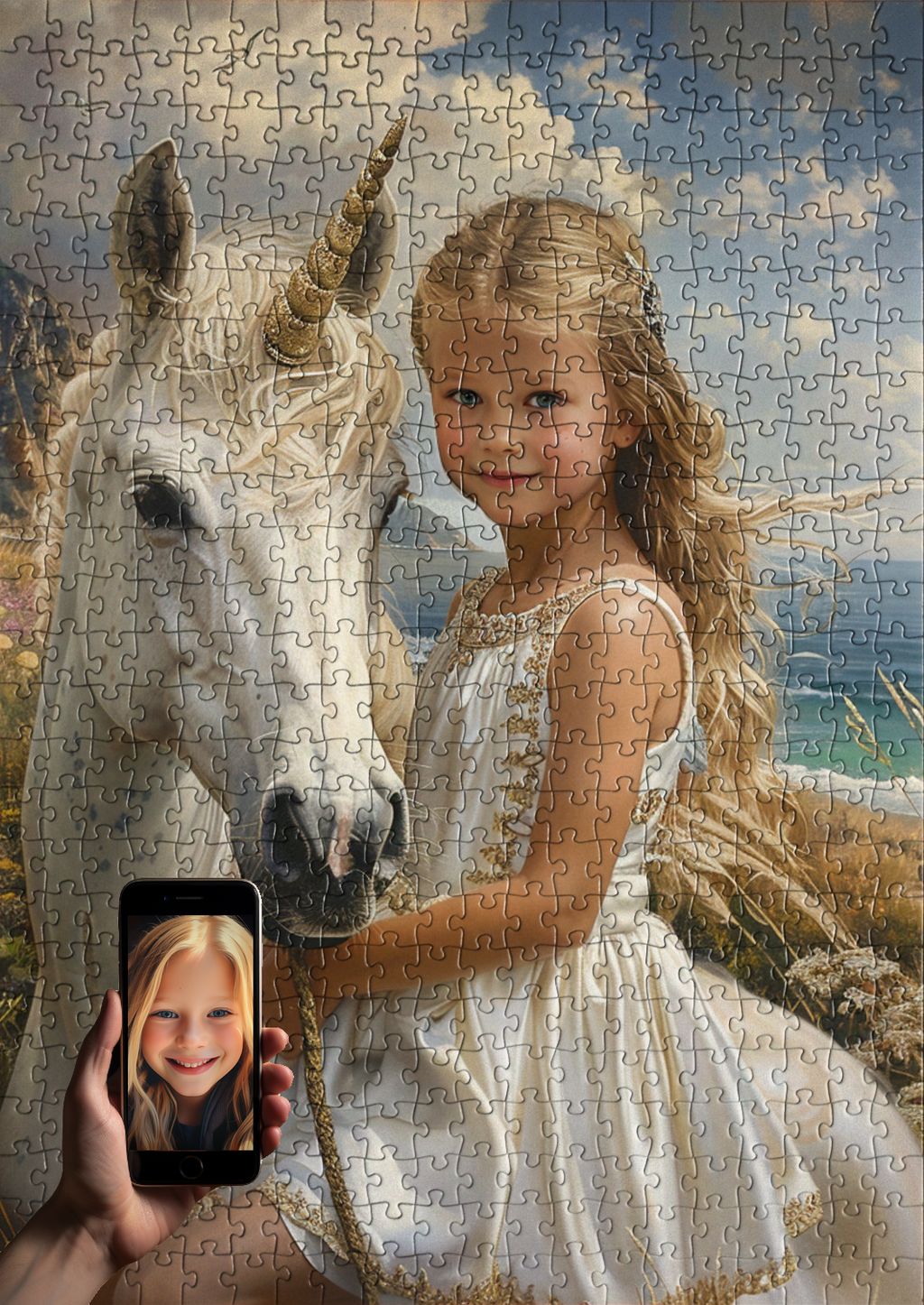
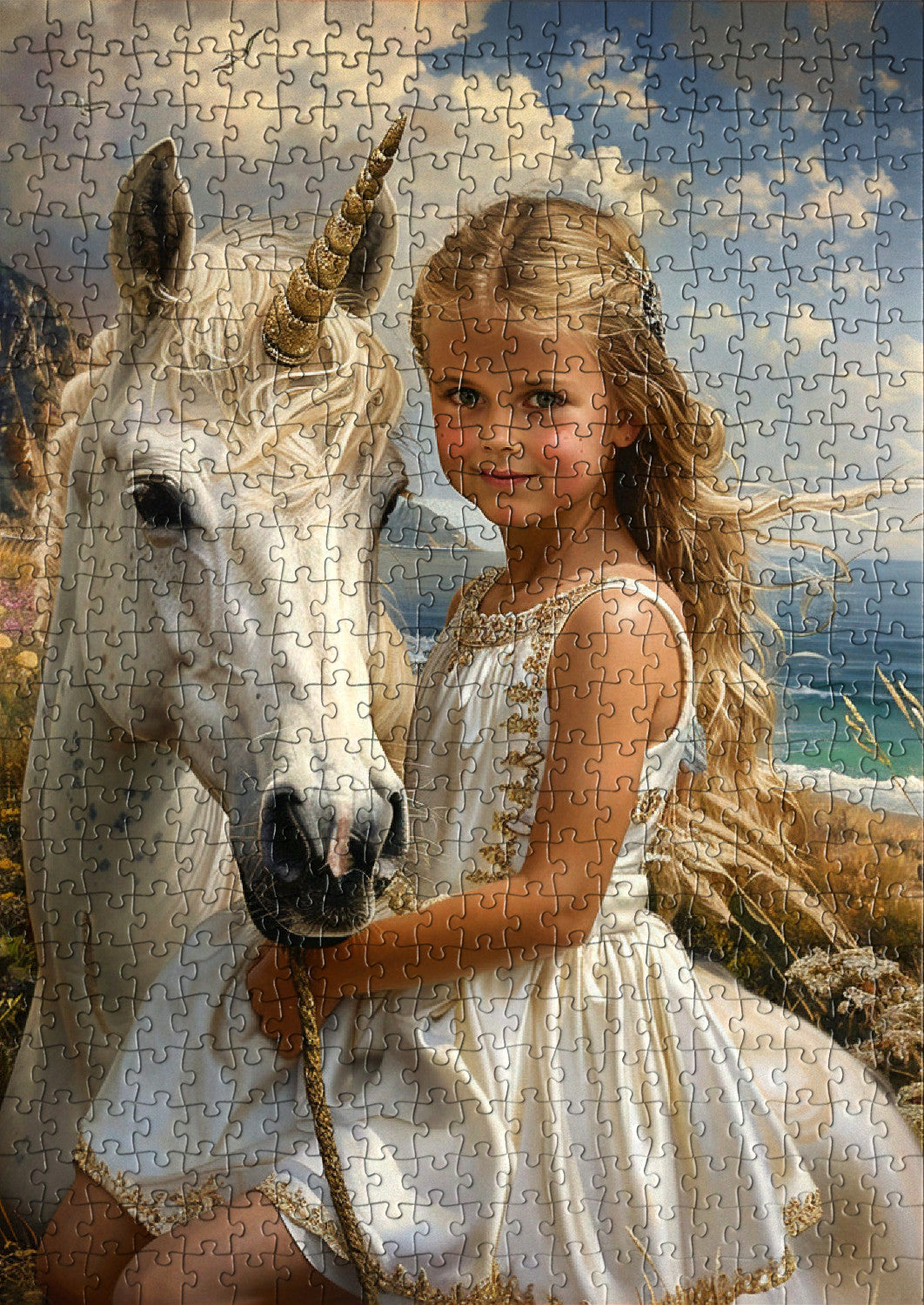
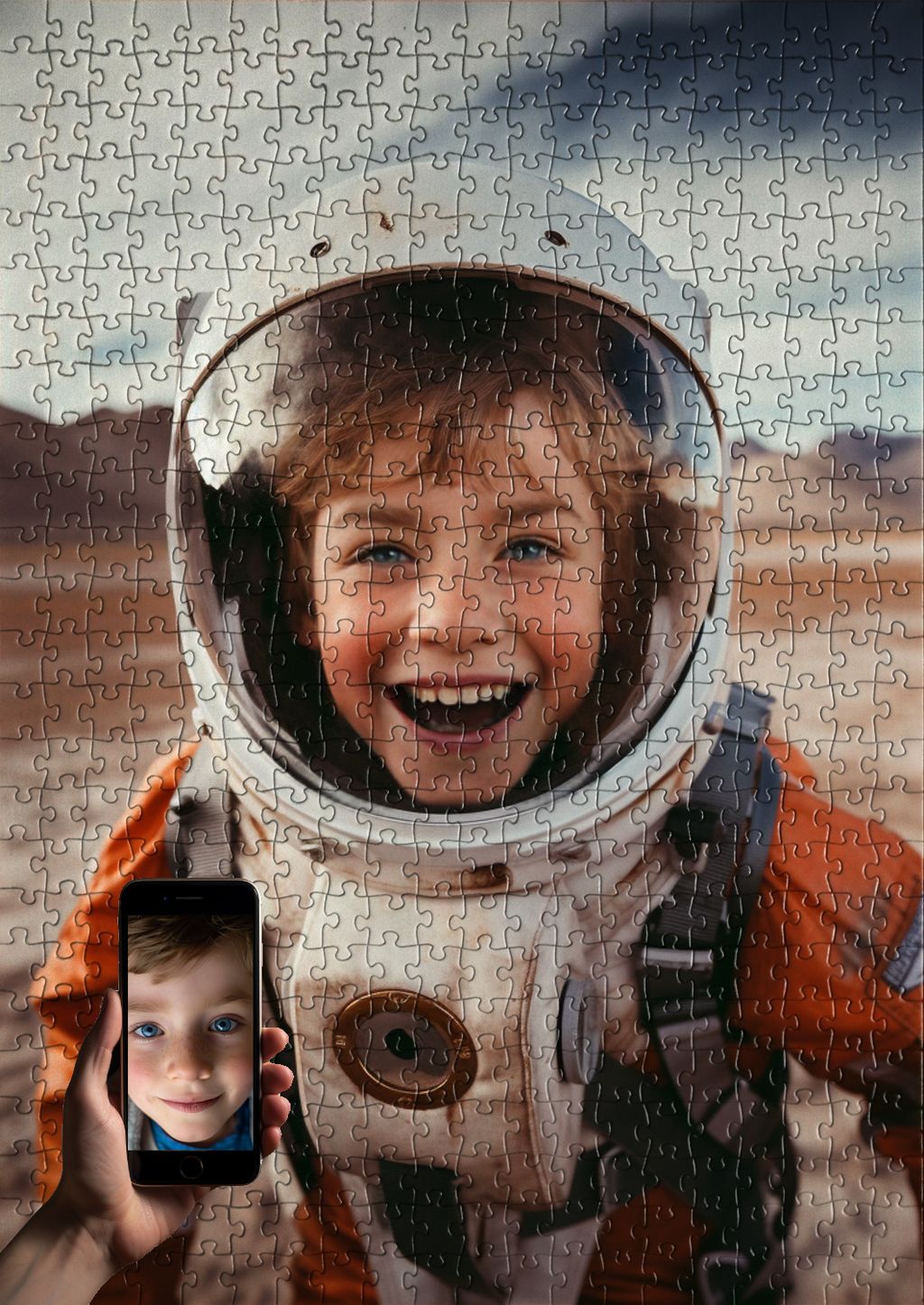
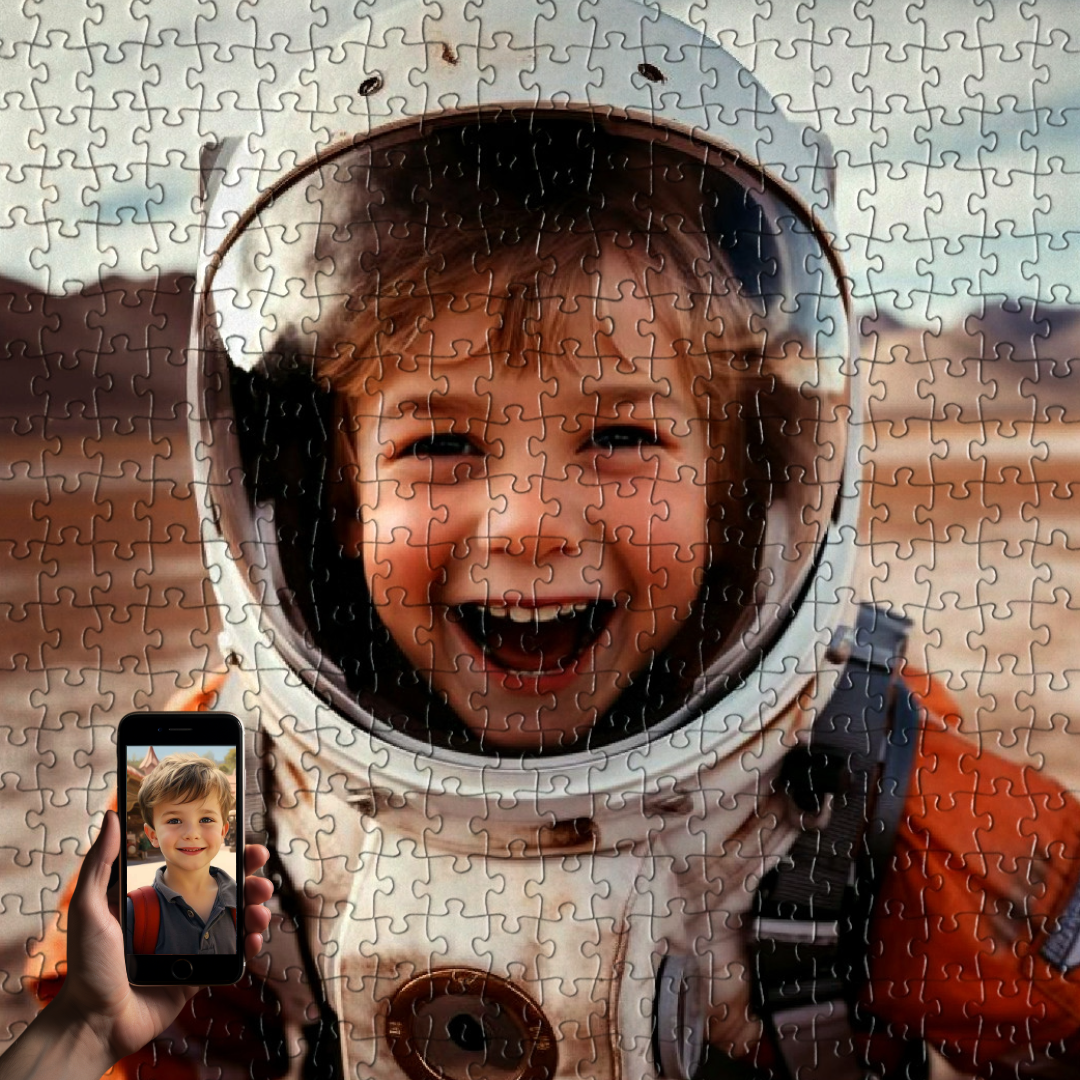
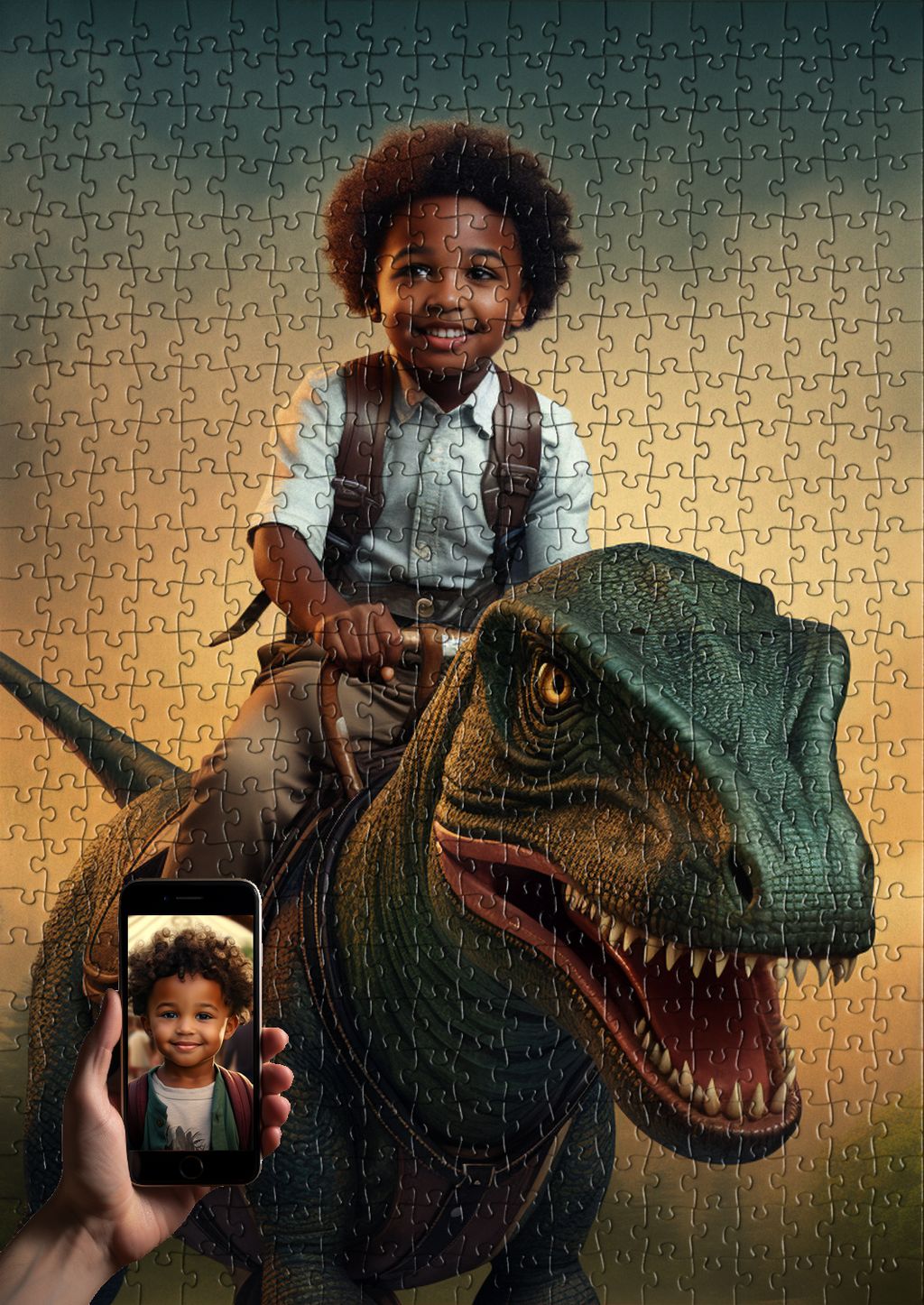
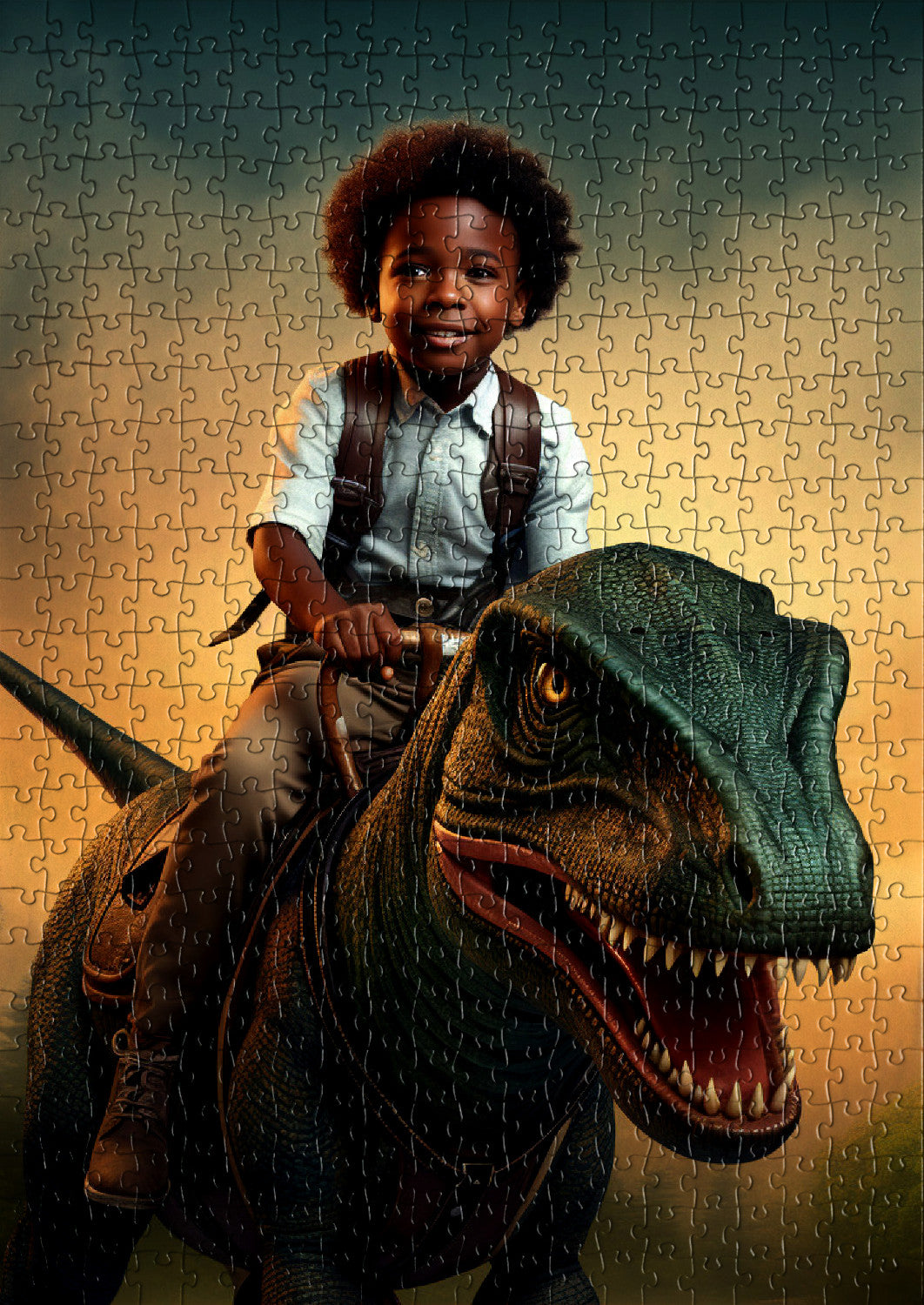
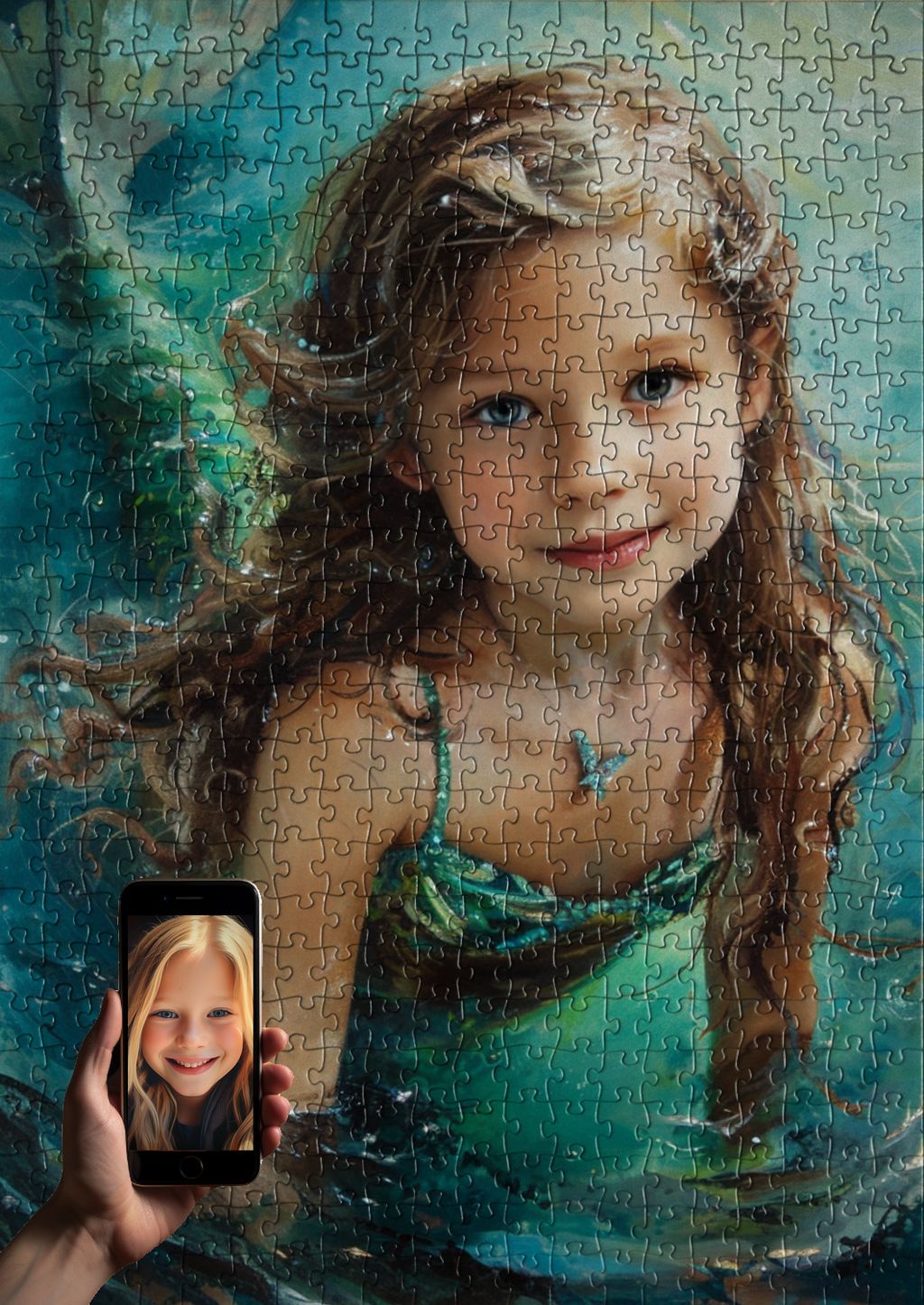
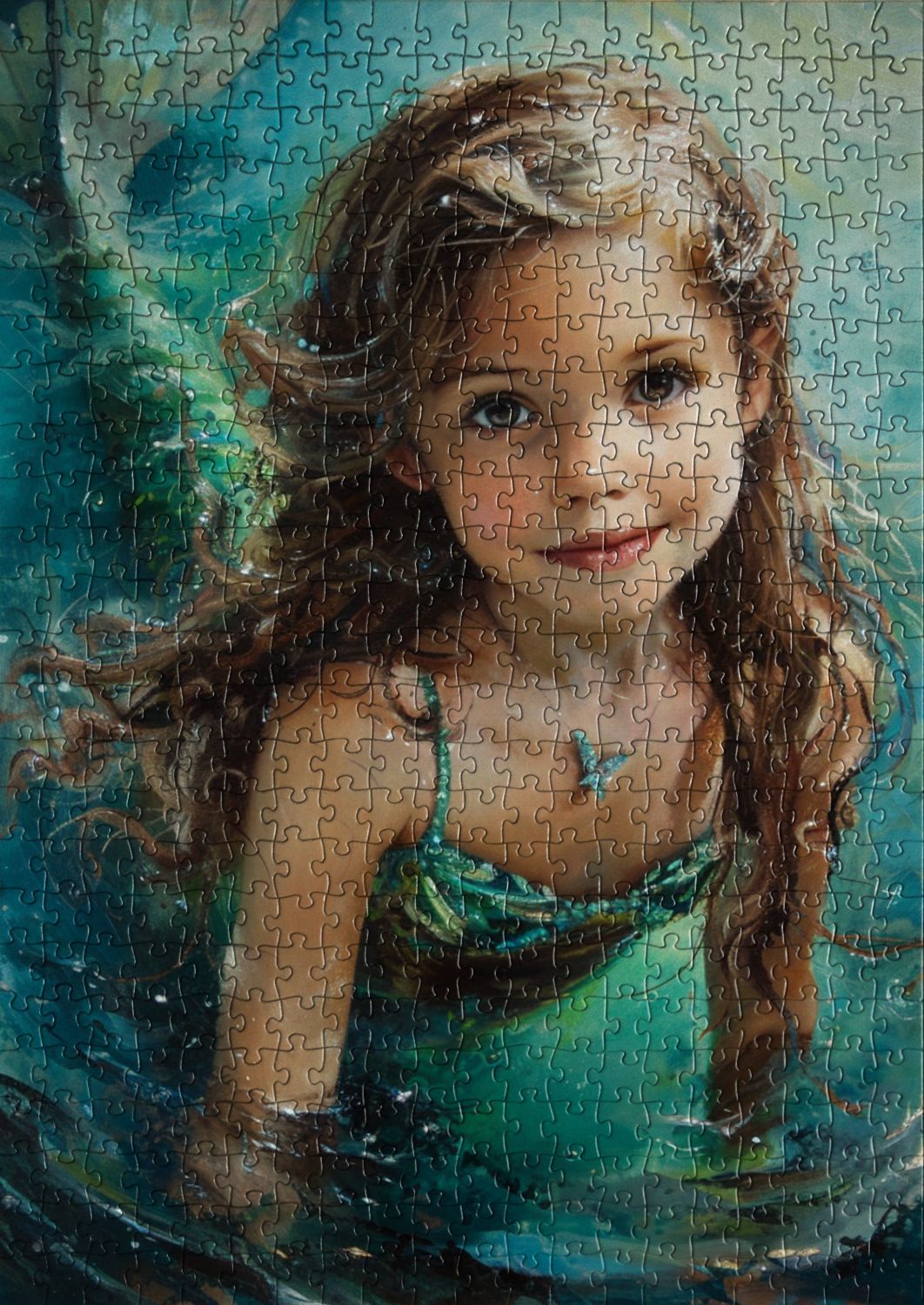
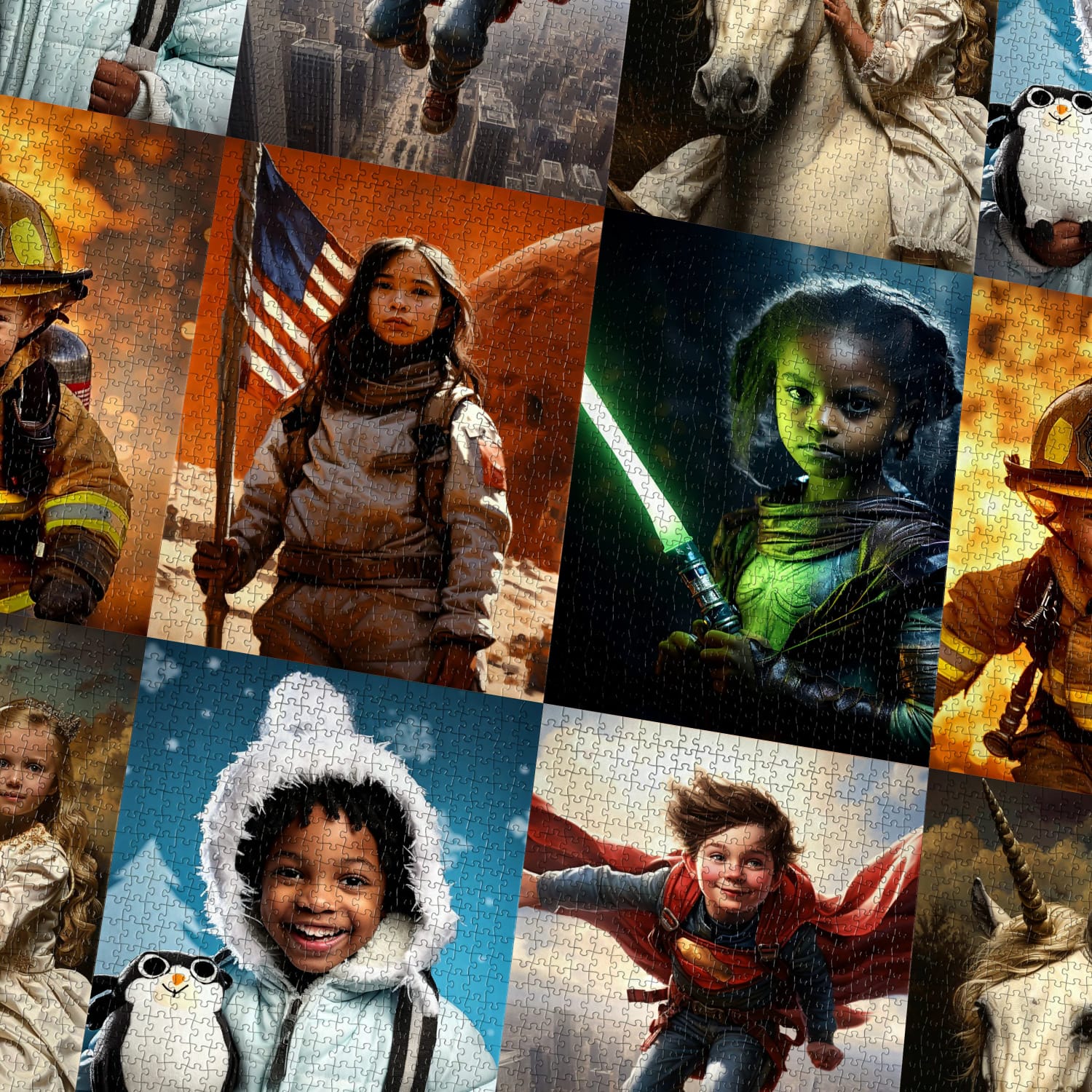
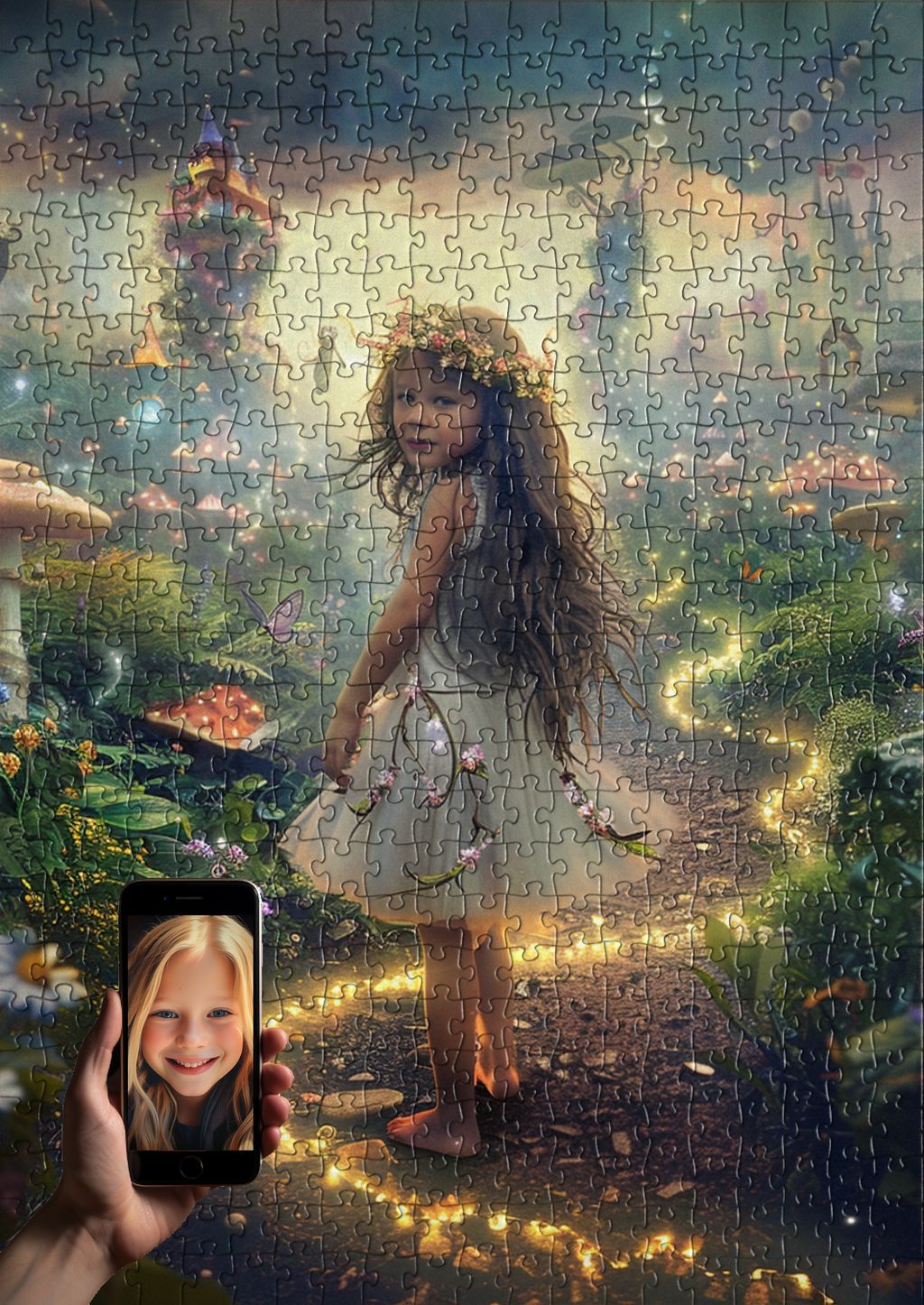
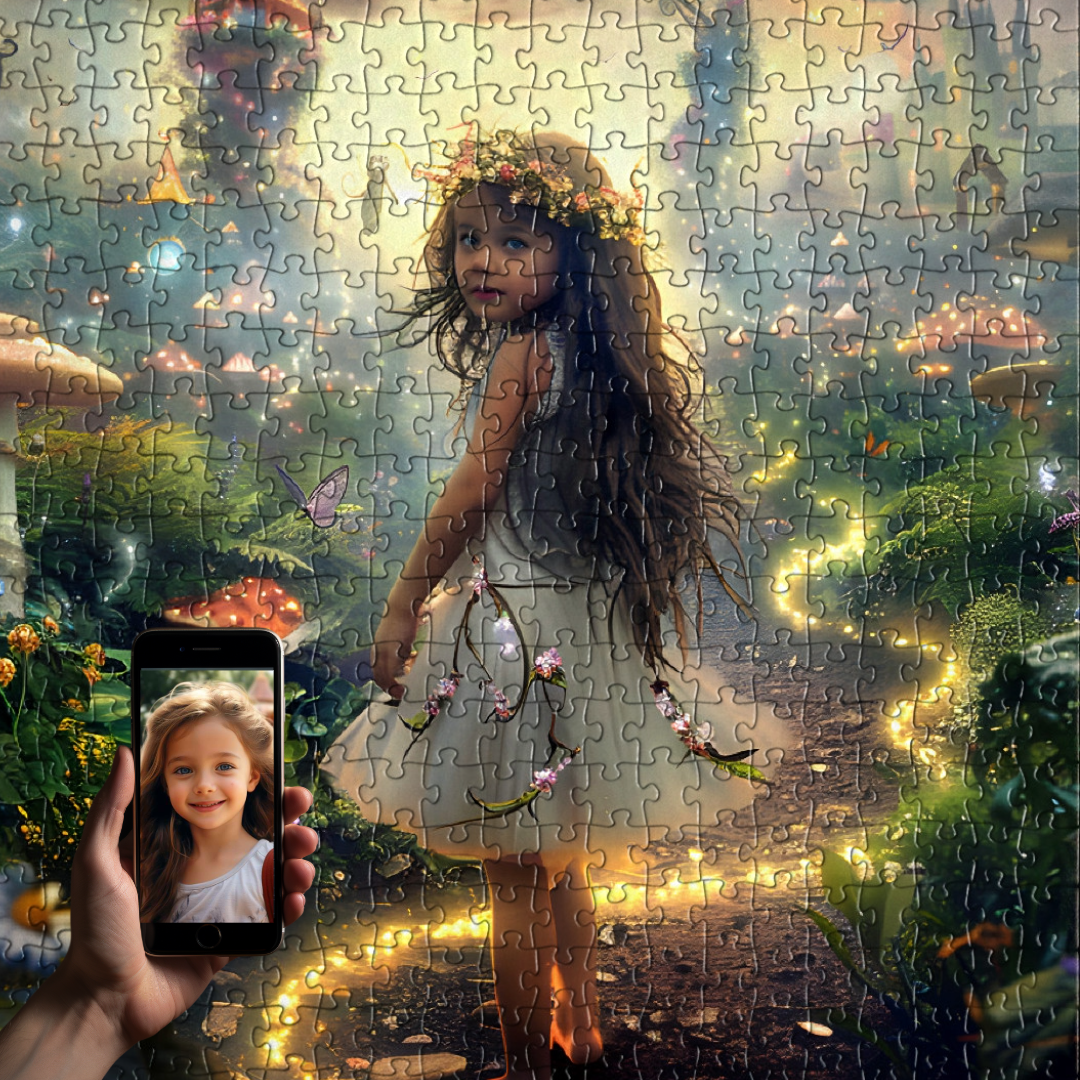
This is where we cannot pretend to be neutral, because we make them. But there is a real reason puzzles featuring the child's own face have become such a strong birthday and holiday choice for three-year-olds. At this age, jigsaw puzzles are just starting to click as an activity. A 24 to 30-piece puzzle is right at the edge of what a three-year-old can accomplish with a little help, which means finishing one feels like a genuine win. When the picture they are assembling is themselves, dressed as a firefighter or riding a dinosaur or floating through space, the engagement is on another level.
Our 30-piece personalized puzzles are sized specifically for this age range, with chunky pieces that small hands can grip and a finished size that fits on a kid-height table. You upload a photo, we send a digital proof within 24 hours so you can approve the design before anything ships, and the child's face is illustrated into a scene they will love. Designs range from a firefighter on the job, to a girl meeting her unicorn, to a kid riding a dinosaur. If none of the existing designs fit, the fully bespoke option lets you describe the scene you want.
The birthday party hack
One thing we have heard back from parents enough times to share: if you are hosting a small birthday party, ordering two or three different personalized puzzles for the birthday child creates an instant party activity. Kids race to assemble them, table by table. We have heard it called a "puzzle derby." It costs less than most party entertainment, and the birthday child ends up with multiple keepsakes from the day.
Other keepsake gifts worth considering
- Personalized name books. Story books where the child's name is woven into the plot. Magical at three.
- A growth chart. Wooden ones get marked up for years and become a family heirloom.
- Custom photo book of the past year. Three-year-olds are obsessed with looking at pictures of themselves as babies.
- Embroidered stuffed animal. Name on the foot, gets dragged everywhere.
Gifts to AVOID at three
The category lists above will steer you well. But it is just as useful to know what tends to flop, frustrate, or quietly end up in a closet at this age.
- Anything with small parts. Three is still squarely in the "mouth-checks the world" zone for many kids. Marbles, beads, magnetic balls, tiny figurines: not yet.
- Fragile or precious items. A porcelain doll or a delicate music box will not survive. Save it for age six or seven.
- Gifts pegged for older kids. Standard Lego sets, complex board games, art kits aimed at age 6-plus. The frustration outweighs the fun.
- Loud electronic toys with one function. The kind that play five songs and flash lights. Novel for a week, then either ignored or maddening.
- Screens disguised as toys. Kid tablets and similar at this age tend to displace the open-ended play that matters most.
- Clothing as the main gift. A three-year-old does not care that the sweater is cashmere. Pair clothing with a small toy if you are buying apparel.
- Giant stuffed animals. Take up half a room, get loved for a week, then live in a corner forever.
- Anything requiring assembly the child cannot help with. If it takes three hours and a screwdriver, the magic is gone by the time it is built.
Advice for grandparents and family friends
If you are not the parent, gift-giving for a three-year-old comes with a particular set of worries. We hear these constantly, and we have answers.
"What if they already have one?" For most categories above, duplicates are fine (you cannot have too many crayons or Magnatiles), but for big-ticket items like a balance bike or a play kitchen, a quick text to the parents is welcome. They will not be offended. They will be relieved.
"I don't want to be the boring one." Books, art supplies, and outdoor gear are not boring. They are the gifts parents quietly hope for. The "boring" gift gets used daily, while the flashy one gathers dust.
"I want it to feel special." Personalization is your shortcut. A puzzle, book, or keepsake with the child's name or face on it almost always becomes "the gift Grandma gave me," in family memory.
"What's a safe budget?" For a non-immediate-family gift to a three-year-old, anywhere from twenty to fifty dollars hits the sweet spot. Beyond that, you risk awkwardness for the parents. Below that, a thoughtful book plus a small toy still feels generous.
Frequently Asked Questions
How many pieces should a puzzle have for a three-year-old?
Most three-year-olds do well with puzzles in the 12 to 30-piece range, depending on how much puzzle experience they have. A child new to puzzles should start lower, around 12 to 20 pieces. A three-year-old who already enjoys puzzles can absolutely handle 30 pieces, especially with the image being something they love. The picture matters as much as the count: a familiar face or favorite character keeps a child working through the harder moments.
Is a balance bike really better than a tricycle?
For most three-year-olds, yes. Balance bikes teach the actual balance skill that bike riding requires, so children typically transition straight to a pedal bike without training wheels around age four or five. Tricycles are fine for younger toddlers but tend to be outgrown quickly at three.
What gift do three-year-olds actually remember a year later?
In our experience, the gifts that get embedded in memory are either the ones that became part of daily life (a beloved stuffed animal, a balance bike, a specific book) or the ones that featured the child personally (a puzzle of themselves, a name book, a portrait). Generic toys tend to blur together. Personalized or daily-use items stand out.
How do I shop for a three-year-old who "has everything"?
Two strategies work. The first is to go consumable: art supplies, stickers, a museum membership, a class together. The second is to go personalized, because no matter how full the toy shelf is, a child does not yet have a puzzle of themselves. Personalized keepsakes sidestep the duplicate problem entirely.
Are personalized puzzles too advanced for a three-year-old?
Not at all, as long as the piece count matches the child. A 30-piece puzzle with chunky pieces is squarely in the three-year-old wheelhouse, and the personal connection to the image (their own face in the scene) tends to extend their attention span well beyond what a generic puzzle would. We have heard from many parents that their child's first solo-completed puzzle was a personalized one.
Choosing well, not just choosing a lot
Three is one of the most fun ages to shop for, because the child is finally old enough to genuinely engage with what you have chosen and still young enough to light up at the unwrapping. The trick is to resist the volume-and-novelty trap. One well-chosen gift that fits where the child actually is developmentally will be loved longer than a tower of toys that miss the mark. Whether that ends up being a balance bike, a stack of Sandra Boynton books, a play kitchen, or a puzzle with their own grinning face on it, what makes it special is the thought behind the match, not the size of the box.
Share and get 15% off!
Simply share this product on one of the following social networks and you will unlock 15% off!