
Almost every parent has watched it happen. A child who normally fidgets through a picture book sits perfectly still in front of an animated film, eyes wide, mouth slightly open, completely absorbed. We tend to explain this with familiar shorthand: "the colors," "the movement," "the music." Those things matter, of course, but they do not quite capture what we are witnessing. Something deeper is going on. The child is not just being entertained. They are being spoken to in a language they understand more fluently than the one we use at the dinner table.
That language has a name. Psychologists call it affective mirroring, the process by which we internalize the emotional states of the faces and bodies we observe. It is the same mechanism that makes a baby smile when we smile, and that makes us tear up during a film even when we know the story is fiction. For young children, whose verbal vocabulary for feelings is still small and uncertain, visual emotional language is not a luxury. It is the primary classroom in which they learn what it means to be sad, brave, hopeful, frustrated, or proud.
Japanese animation, in its various forms (Manga, Anime, Shonen, Ghibli), happens to be one of the most refined visual vocabularies for emotion ever developed. It is not louder than other animation traditions. It is more legible. Every tilt of the head, every shimmer in an oversized eye, every motion line and color shift has been engineered across decades to make inner feeling visible on the outside of a character. That is precisely the developmental task facing every three to seven year old.
In this article we will look at why an anime-style portrait, far from being just an aesthetic preference, can function as a real tool for emotional intelligence. We will explore the cultural psychology of perseverance baked into Shonen storytelling, the cognitive science behind why exaggerated faces help children read social cues, and how parents can match a visual style to the temperament of their own child. Finally, we will widen the lens to talk about how any animation tradition (Ghibli serenity, 1990s Saturday morning energy, hand-drawn rubber-hose whimsy, or modern cinematic 3D) can be turned into a personal artifact for the child who will live with it on their bedroom wall.
Anime as a Language, Not a Genre
We often classify animation by topic: action, romance, fantasy, slice of life. But for a young viewer, genre is almost beside the point. What a child is really absorbing is a system of visual grammar: the shorthand by which a drawing tells you what a character is feeling before they speak.
Japanese animation has spent close to a century refining that grammar. Large eyes that occupy nearly a third of the face, deliberately to maximize emotional readability. Sweat drops to signal nervousness. A single floating leaf to mean melancholy. A blazing background to mean determination. None of this is decoration. It is a teaching tool, even if its creators did not set out to teach.
For a child between three and seven, the brain is in the middle of one of its most intense periods of social learning. Children at this age are constantly scanning faces, trying to map expressions onto internal states they cannot yet name. When the faces they study are subtle, fast, or ambiguous (as adult faces often are), the work is exhausting. When the faces are slowed down, enlarged, and stylized for maximum clarity, the work suddenly becomes doable. The child can practice. They can succeed. They can build confidence in the most important literacy of all: the literacy of feeling.
The Ganbare Spirit: Seeing Oneself as Someone Who Keeps Going
There is a Japanese word that travels through nearly every Shonen story, the kind of animation built around a young hero who has to grow into their own strength. The word is ganbare, often translated as "do your best" or "keep going." It is not exactly a command. It is a kind of cheering, a cultural shorthand for the belief that effort matters, that the person who keeps trying is worthy of respect even before they succeed.
This is more than a feel-good message. Developmental psychologists who study children's motivation talk about something very similar under the name of a growth mindset: the belief that ability is built through effort rather than fixed at birth. Children who absorb a growth mindset early tend to handle failure with more grace, persist longer at difficult tasks, and recover more quickly from setbacks.
Why Heroism Has to Be Seen to Be Felt
Telling a four year old to "try hard" is abstract. Showing a four year old a character who looks like them, who falls down, who clenches their fists, who stands back up with sparks in their eyes, is concrete. The child does not just hear the lesson. They rehearse it visually. Their nervous system mirrors the posture of resolve. The eyes widen. The shoulders square. The breath deepens. This is what affective mirroring does in real time.
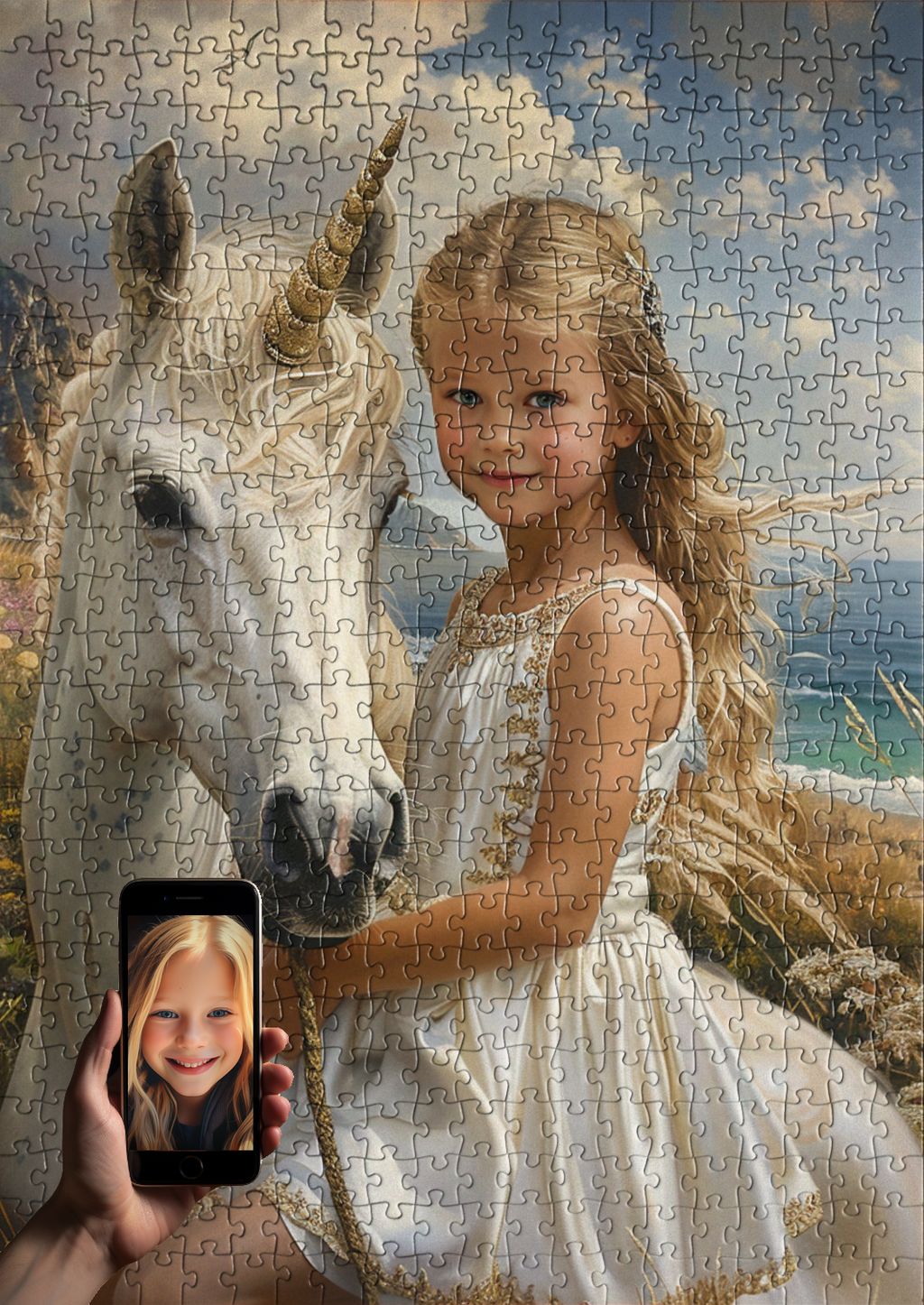
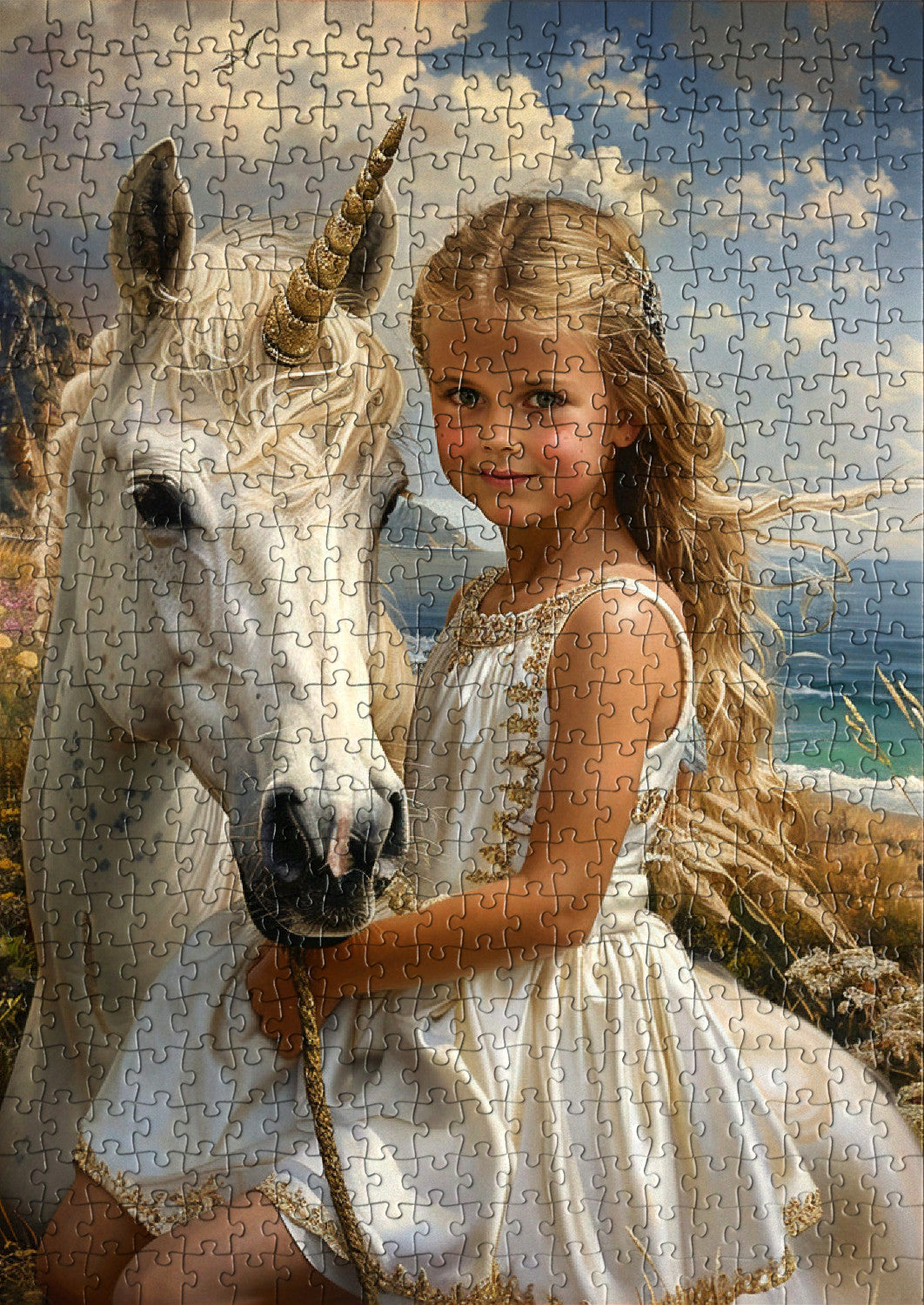
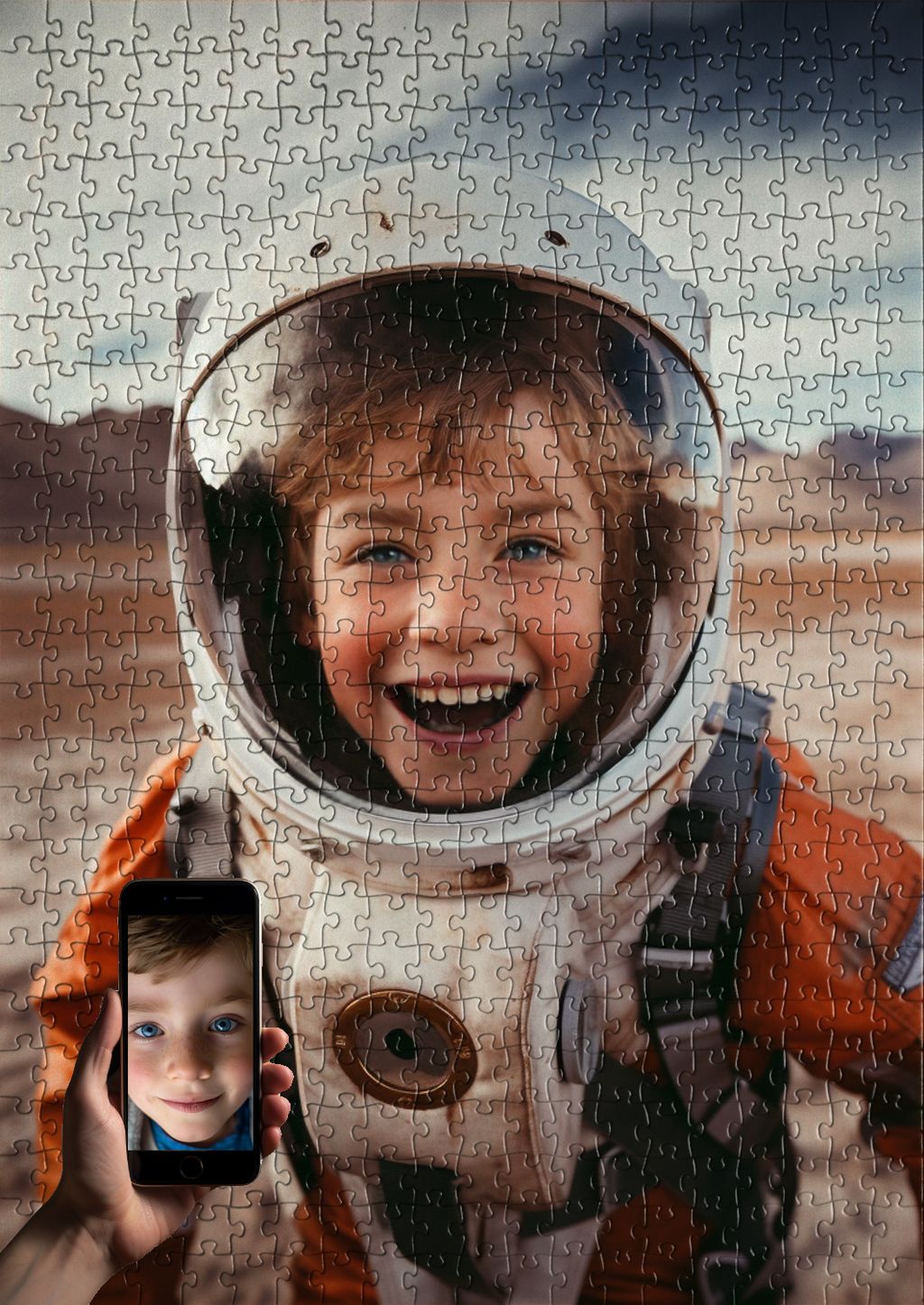
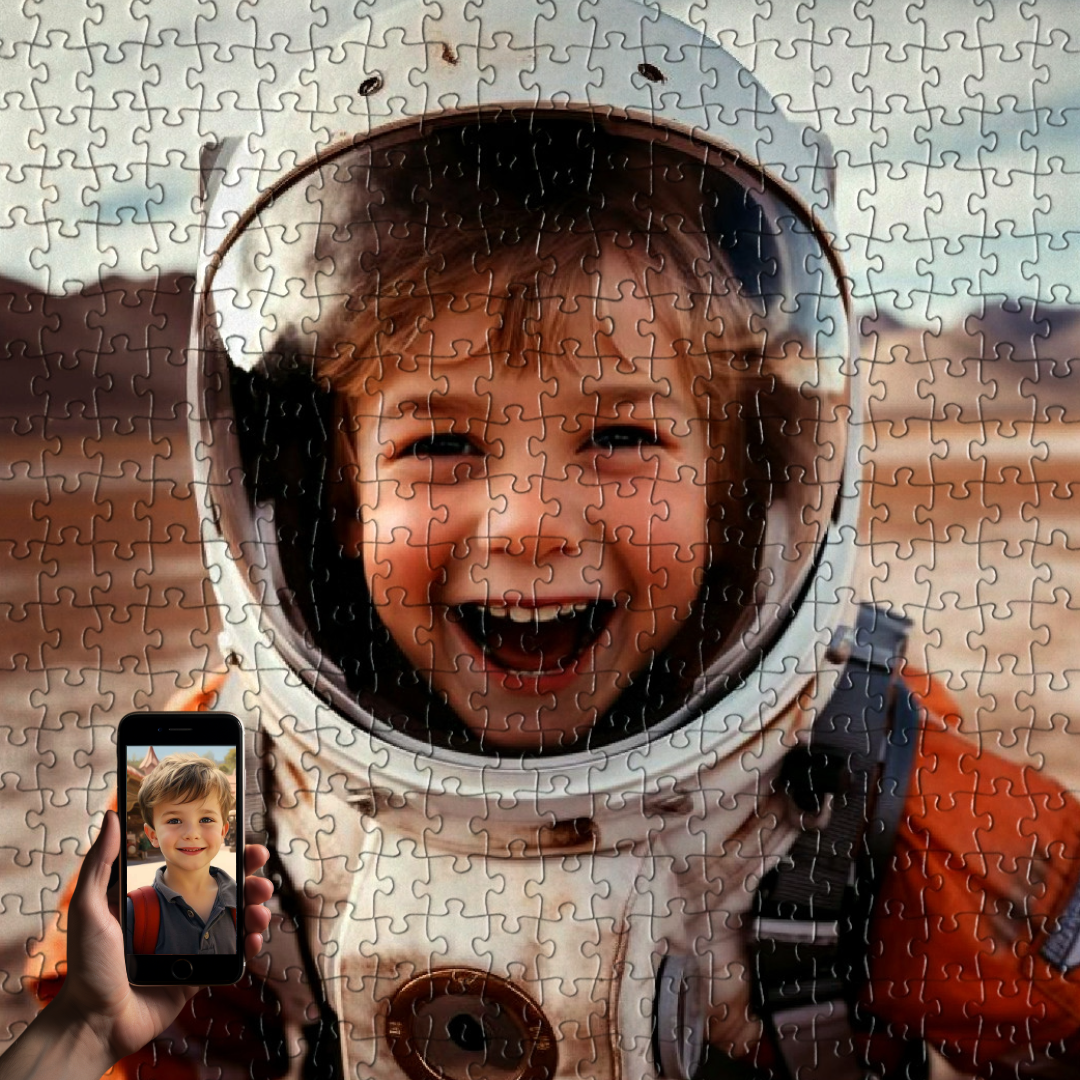
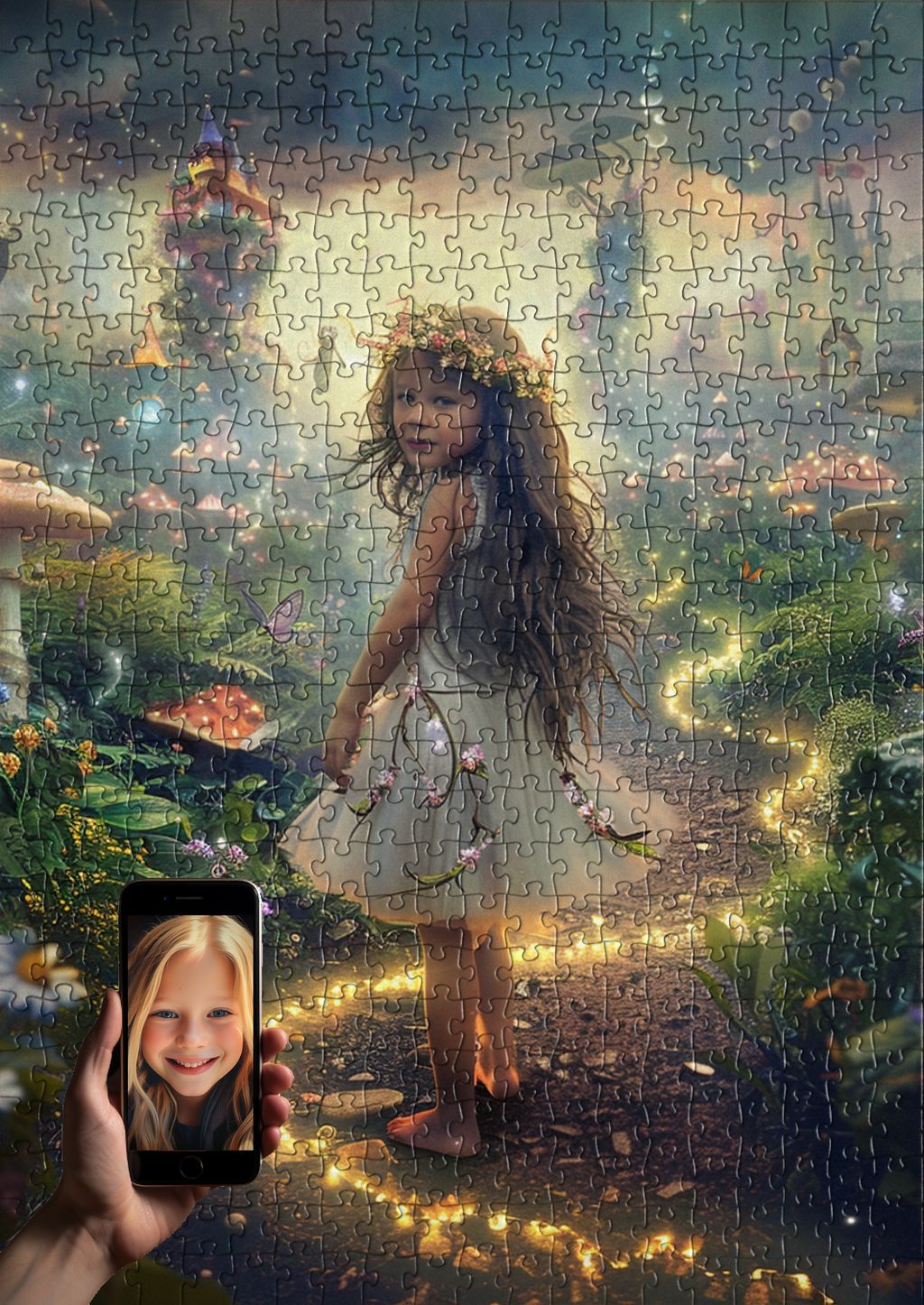
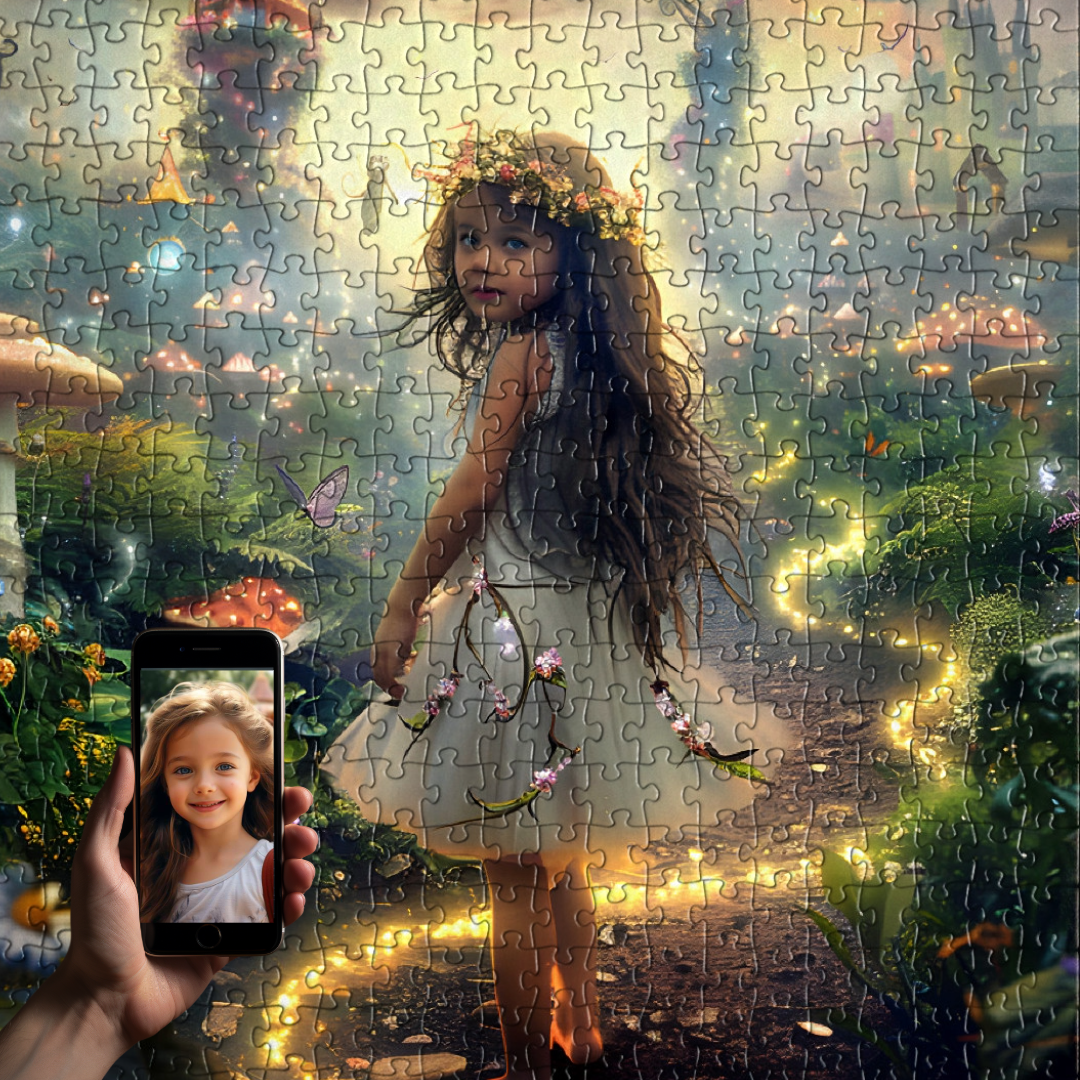
This is part of why a personalized Japanese Animation Puzzle can carry such surprising weight in a child's daily life. The child looks at the image and does not see a generic hero. They see themselves, drawn into the visual language of perseverance. Every time they assemble the puzzle, they are practicing a quiet form of self-recognition: I am the kind of person who keeps going.
Agency, Not Just Aspiration
There is a useful distinction between aspiration ("I want to be brave") and agency ("I am someone who does brave things"). Anime aesthetics tend to push children toward the second framing. The Shonen hero is rarely waiting to be rescued or chosen. They are already in motion, already deciding. For a shy or hesitant child, seeing themselves rendered in that visual language can be a small but meaningful invitation: not to become someone different, but to recognize a capacity that is already theirs.
Decoding the Face: Why Big Eyes Are Training Wheels
Here is a question worth asking. Why do anime characters have such enormous eyes? It is not because Japanese artists could not draw realistic faces. Of course they could. The convention is deliberate, and it serves a real perceptual function.
The eyes are where humans look first when they meet another human. From the moment a baby can focus, the eyes of their caregiver are the most studied object in their world. Across the lifespan, we use eyes to read trust, attention, fatigue, joy, and fear. So when an artist enlarges the eyes of a character, they are essentially turning up the volume on the most informationally rich part of the face.
What Children Aged Three to Seven Are Actually Doing
Between roughly age three and age seven, children move from recognizing only the basic emotions (happy, sad, angry, scared) to a more nuanced grasp of mixed and social feelings (embarrassed, proud, disappointed, hopeful). This is not automatic. It requires thousands of hours of face-watching and feeling-naming.
- Big eyes exaggerate pupil dilation, glistening, and direction of gaze, all critical cues for reading interest and emotion.
- Simplified mouths isolate the smile or frown so the child does not get distracted by competing details.
- Visible blushing, sweat, or color halos externalize internal states that are normally hidden, giving the child a vocabulary they can point to.
- Exaggerated postures turn the whole body into a readable emotion, helping children connect facial cues to physical ones.
Think of these conventions as training wheels for empathy. They do not replace the harder work of reading real human faces. They scaffold it. A child who has spent time enjoying stylized faces tends to come to real faces with a richer vocabulary and a calmer attention, because the invisible has been made visible long enough for the brain to start recognizing the pattern.
The Quiet Permission to Feel Big
There is also something gently radical in the way anime treats emotion. Characters are allowed to cry openly, to be afraid, to be overwhelmed, and then to keep going. Feelings are not embarrassments to be hidden. They are events in the story. For children who are still learning that big emotions do not break them, this framing is reassuring. It says: feeling deeply is normal, and it is compatible with being a hero.
Aesthetic Scaffolding: Choosing Between Ghibli and Shonen
Japanese animation is not a single mood. The two most influential strands, often grouped loosely under "Ghibli" and "Shonen," sit at almost opposite ends of an emotional spectrum, and each has its own gift to offer a child.
The Ghibli Aesthetic: Stillness, Nature, and Wonder
Films in the Ghibli tradition tend to be slow, painterly, and deeply tied to nature. Wind moves through grass for whole seconds. A character pauses to look at a beetle. Meals are eaten in real time. The visual world is full but never frantic. The dominant emotion is wonder mixed with quiet.
For a sensitive, anxious, or highly imaginative child, this aesthetic can be a balm. It models the idea that the world is rich without being overwhelming, that one can be small and curious without being unsafe. A child whose nervous system tends to run hot can find in this style a visual environment that says, you are allowed to slow down here.
The Shonen Aesthetic: Energy, Goal, and Becoming
Shonen-style art, by contrast, tends to be high contrast, dynamic, and driven. Lines radiate outward. Characters lean forward. The dominant emotion is determination mixed with joy. It is the visual register of someone in the middle of becoming.
For a shy child who is quietly fierce on the inside, or for a child working through a phase of low confidence, this style can be a kind of mirror they have not yet looked into. It offers a vision of themselves as active, capable, and pointed somewhere meaningful.
How Parents Can Choose Thoughtfully
The most useful question is not "which style is better," but "which style does my child need right now?" A few practical signals:
- If your child is often overwhelmed by stimulation, lean toward Ghibli-inspired stillness: nature, soft palettes, animals as companions, scenes of gentle adventure.
- If your child is timid or hesitant, lean toward Shonen-inspired energy: forward motion, bold color, the visual language of "I am ready."
- If your child is working through a transition (new sibling, new school, a recent setback), choose imagery that models the emotional state you want to invite, not the one you want to fix.
- Trust their pull. Children often gravitate toward the imagery they need, even before they can explain why.
This is part of the quiet beauty of a personalized portrait puzzle. Unlike a generic poster, it can be tuned to your child as they actually are this year, not as the market imagines a generic five year old to be.
The Full Spectrum: When Manga Is Only the Beginning
Anime is a powerful visual language, but it is not the only one. Every family has its own visual culture, woven from the shows the parents grew up on, the films watched together on rainy weekends, the styles the child has fallen in love with. For some families that culture is Japanese animation. For others it is the bright, bouncy energy of 1990s Saturday morning cartoons. For others it is the rubber-hose whimsy of 1930s and 1950s classics, where every character seems to be made of springs and curves. For still others it is the lush 3D of contemporary cinematic animation.
Each of these styles has its own emotional grammar. Each one teaches something slightly different.
- 1990s Saturday morning style: bold outlines, saturated color, fast humor. Teaches confidence, friendship, and the joy of group adventure.
- Classic rubber-hose style: rounded shapes, exaggerated motion, gentle silliness. Teaches playfulness and the safety of imperfection.
- Modern 3D cinematic style: sculpted forms, cinematic lighting, expressive micro-gestures. Teaches subtlety and emotional realism inside an imaginative frame.
- European illustrated style: textured, painterly, often gently melancholic. Teaches reflection, atmosphere, and the beauty of a quiet scene.
Matching the Gift to the Family's Visual Culture
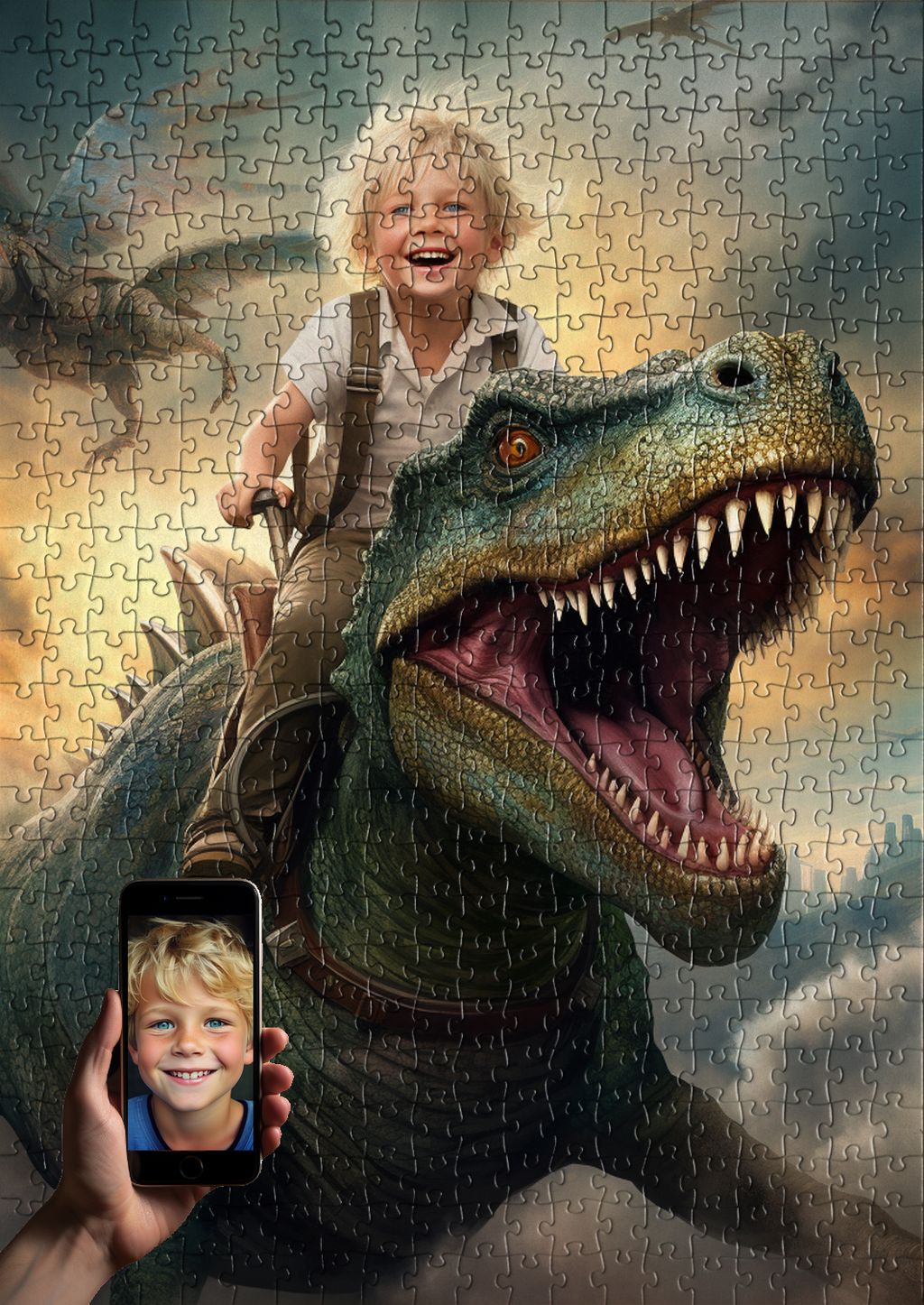
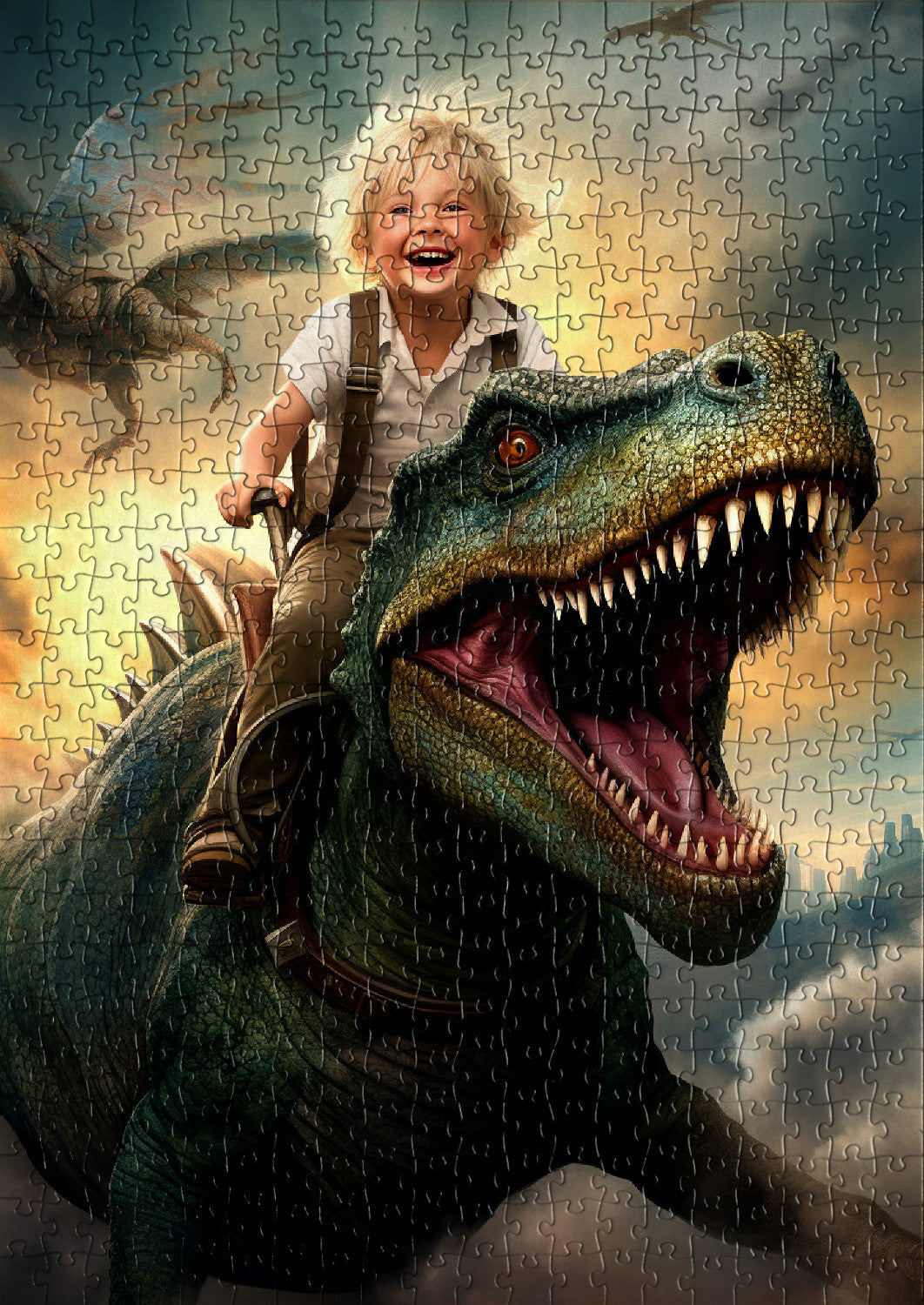
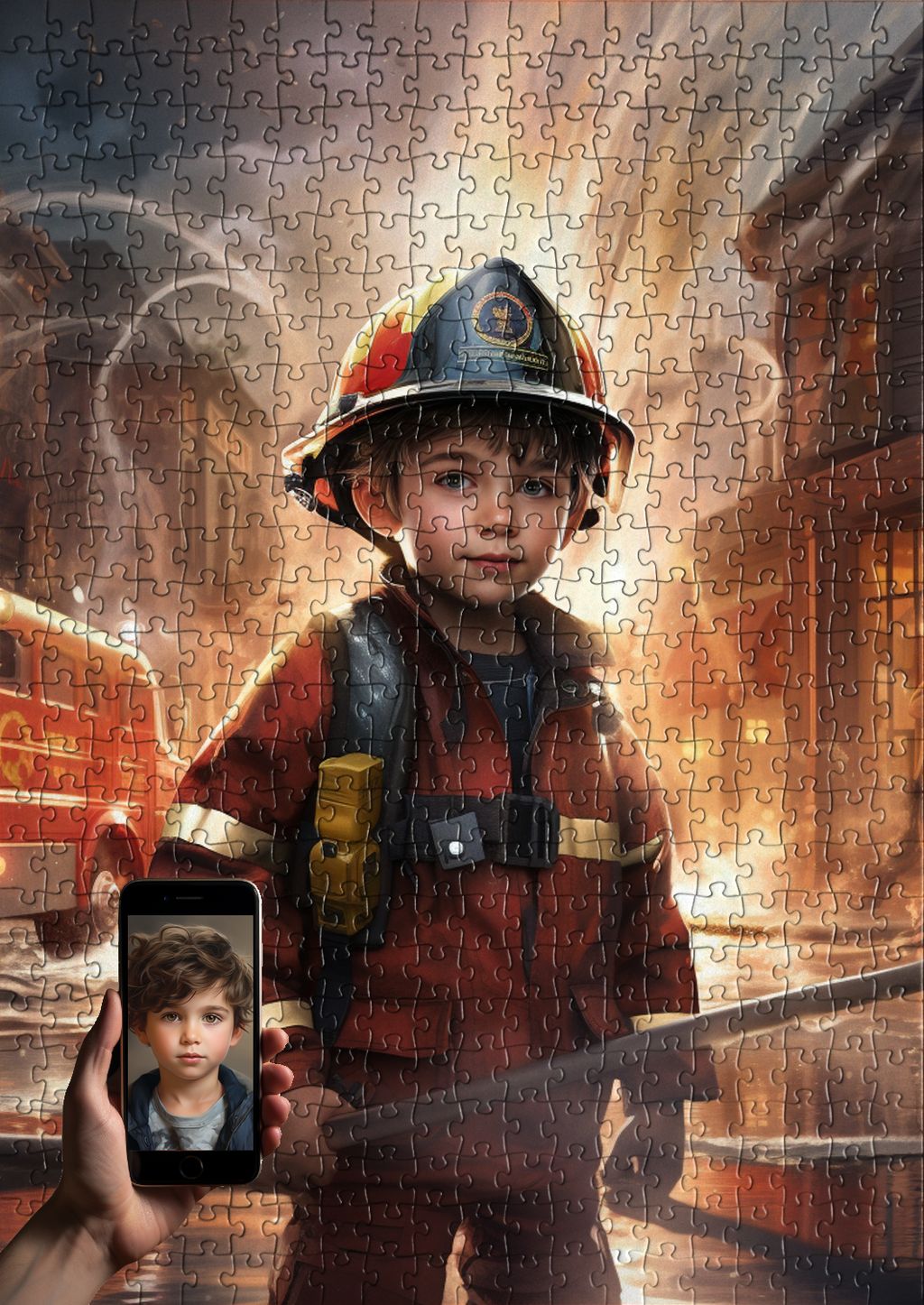
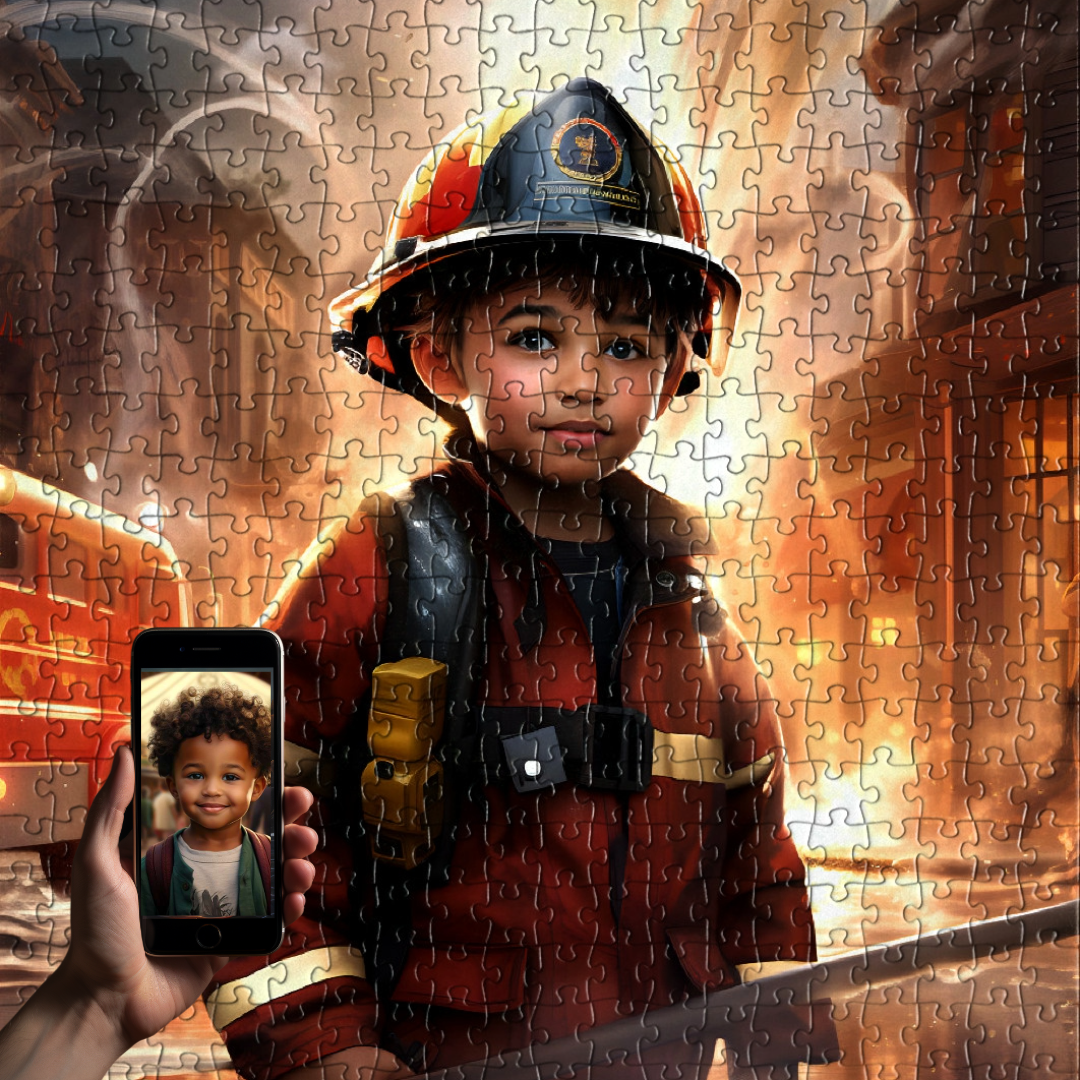
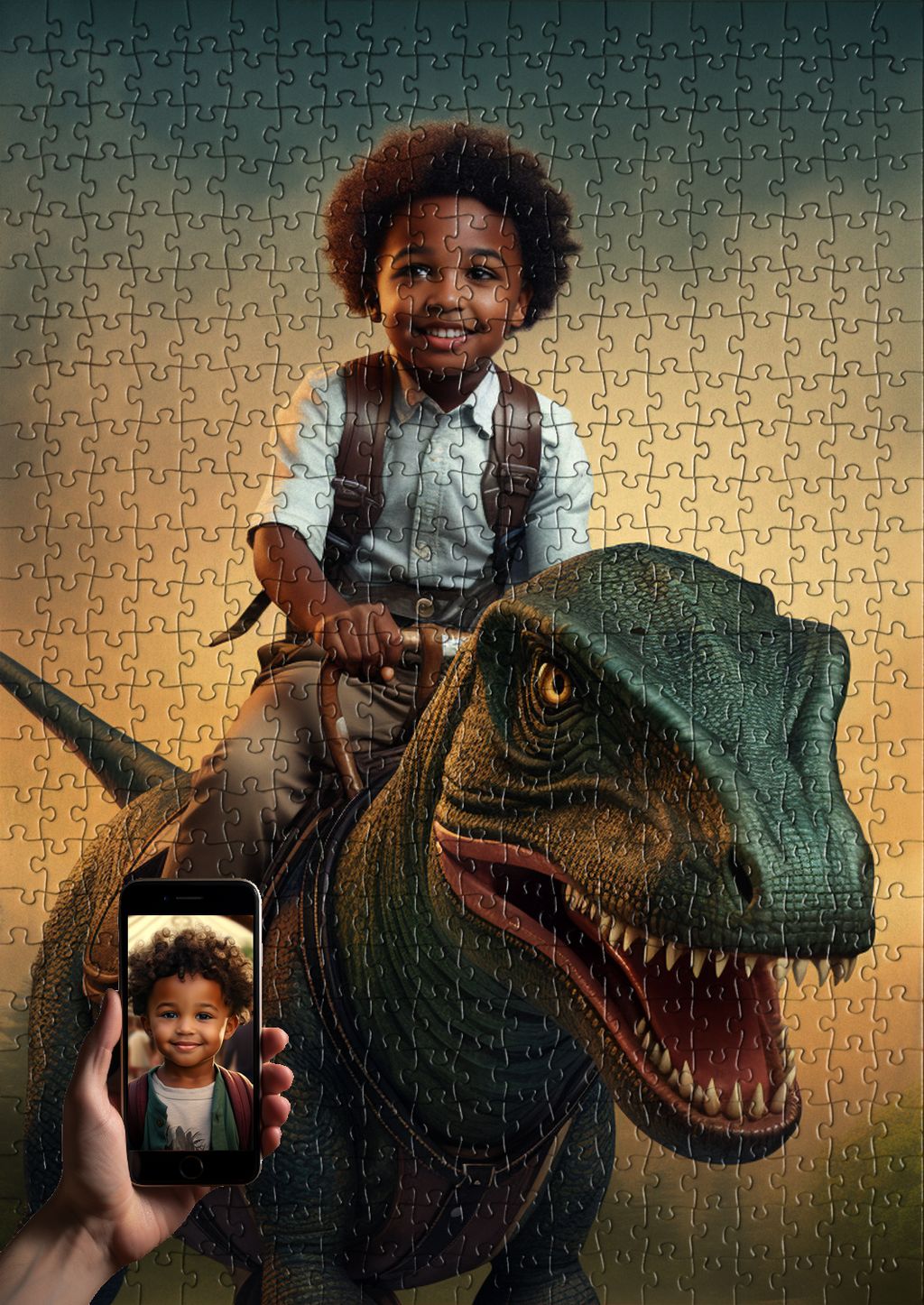
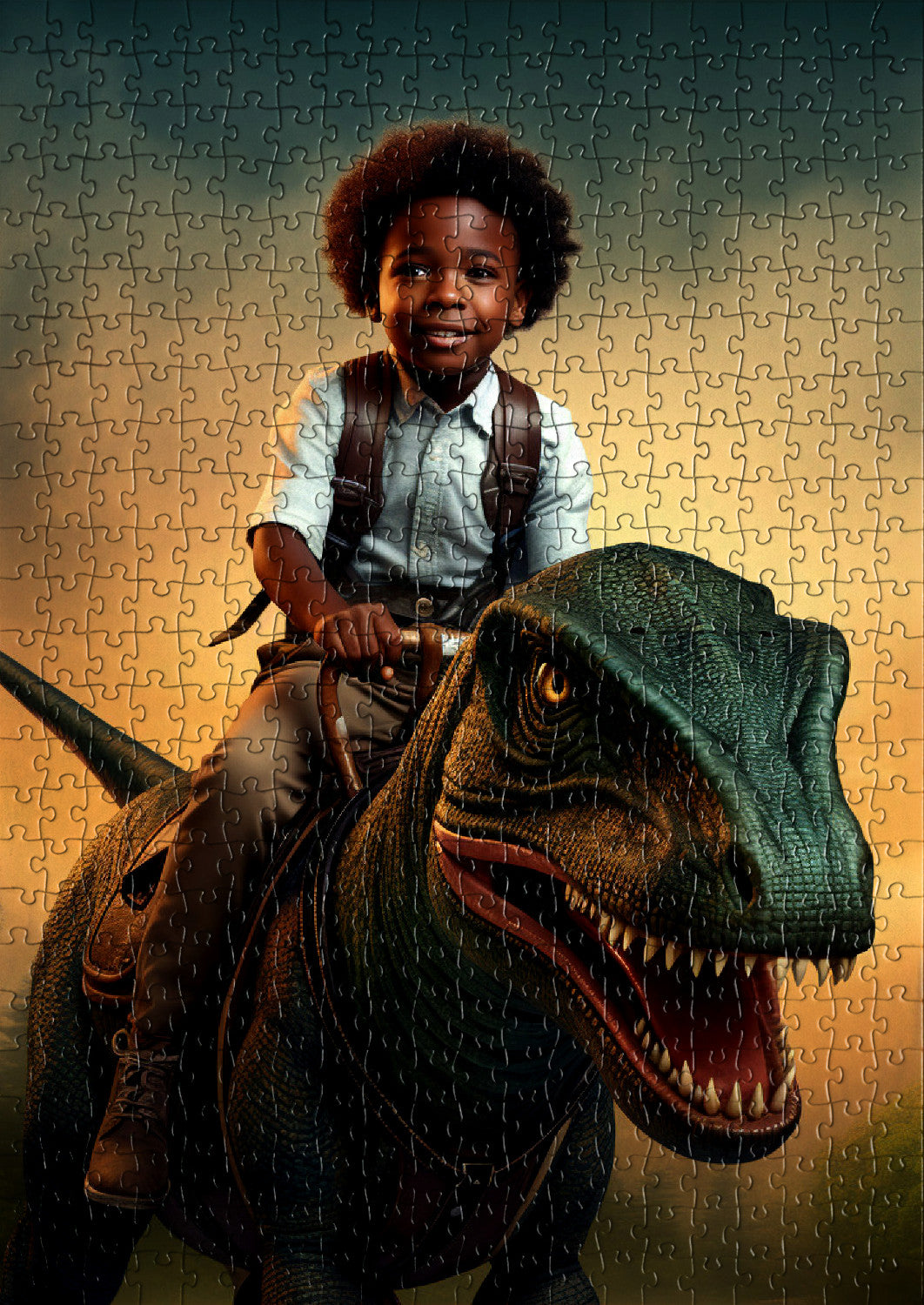
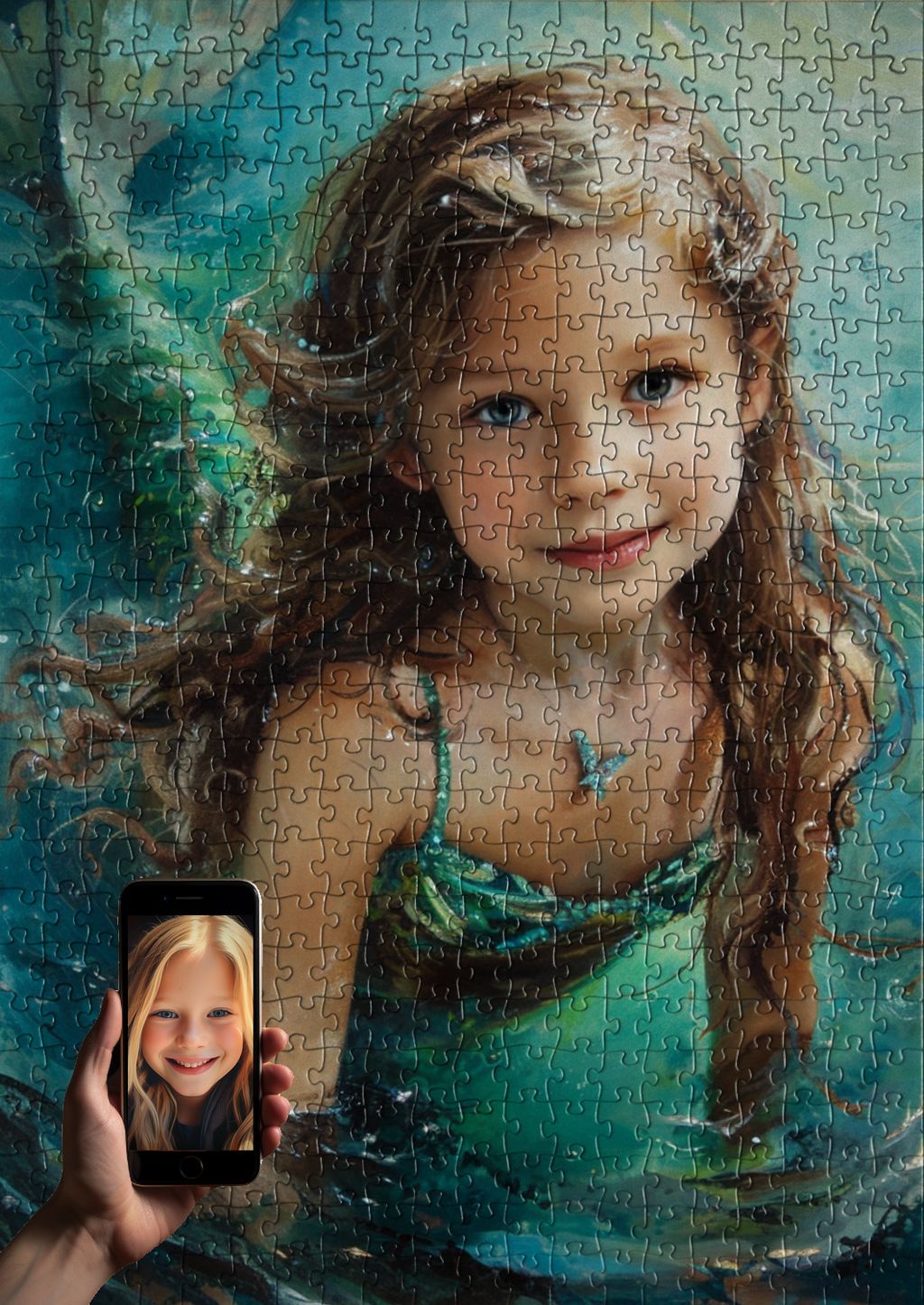
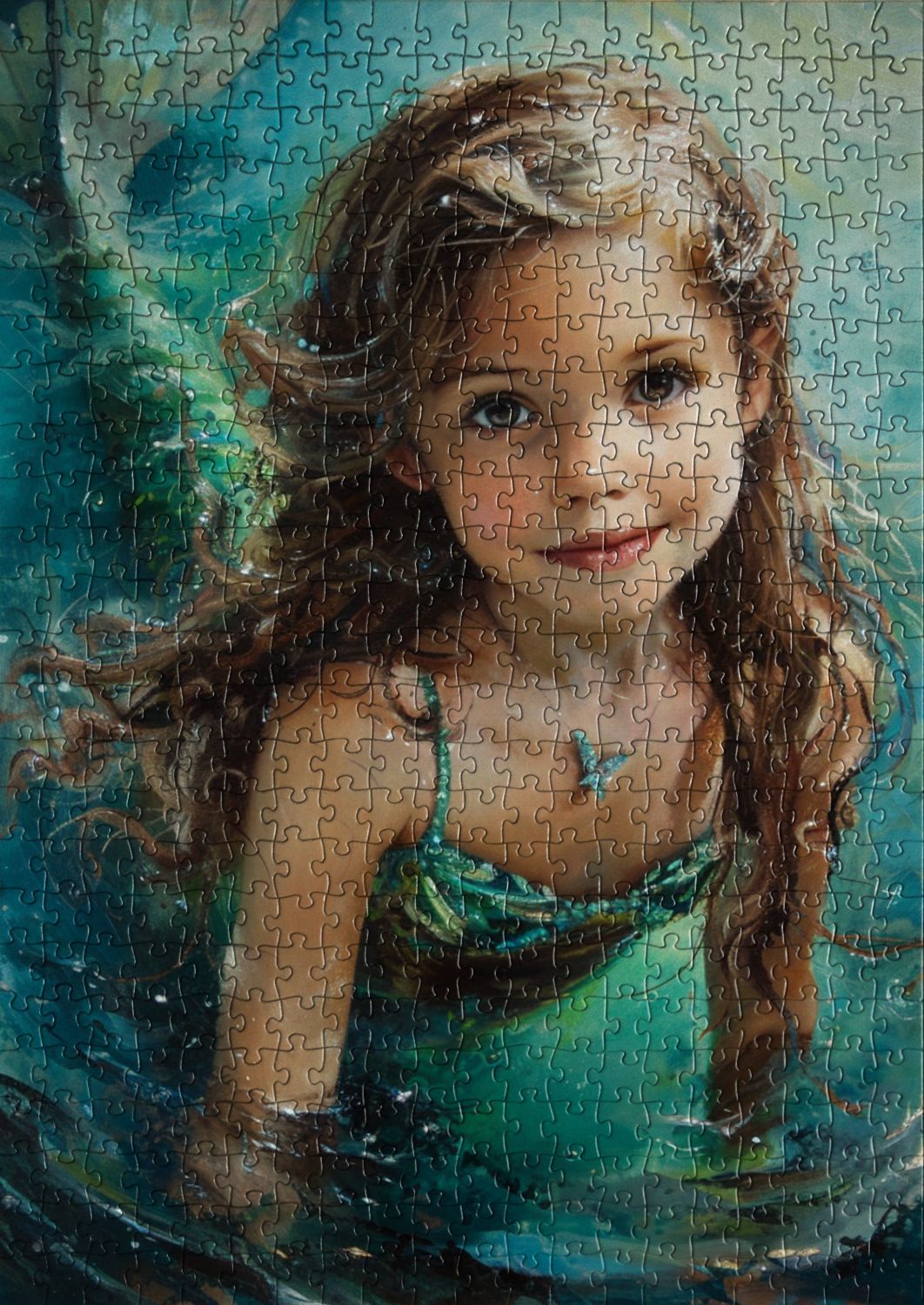
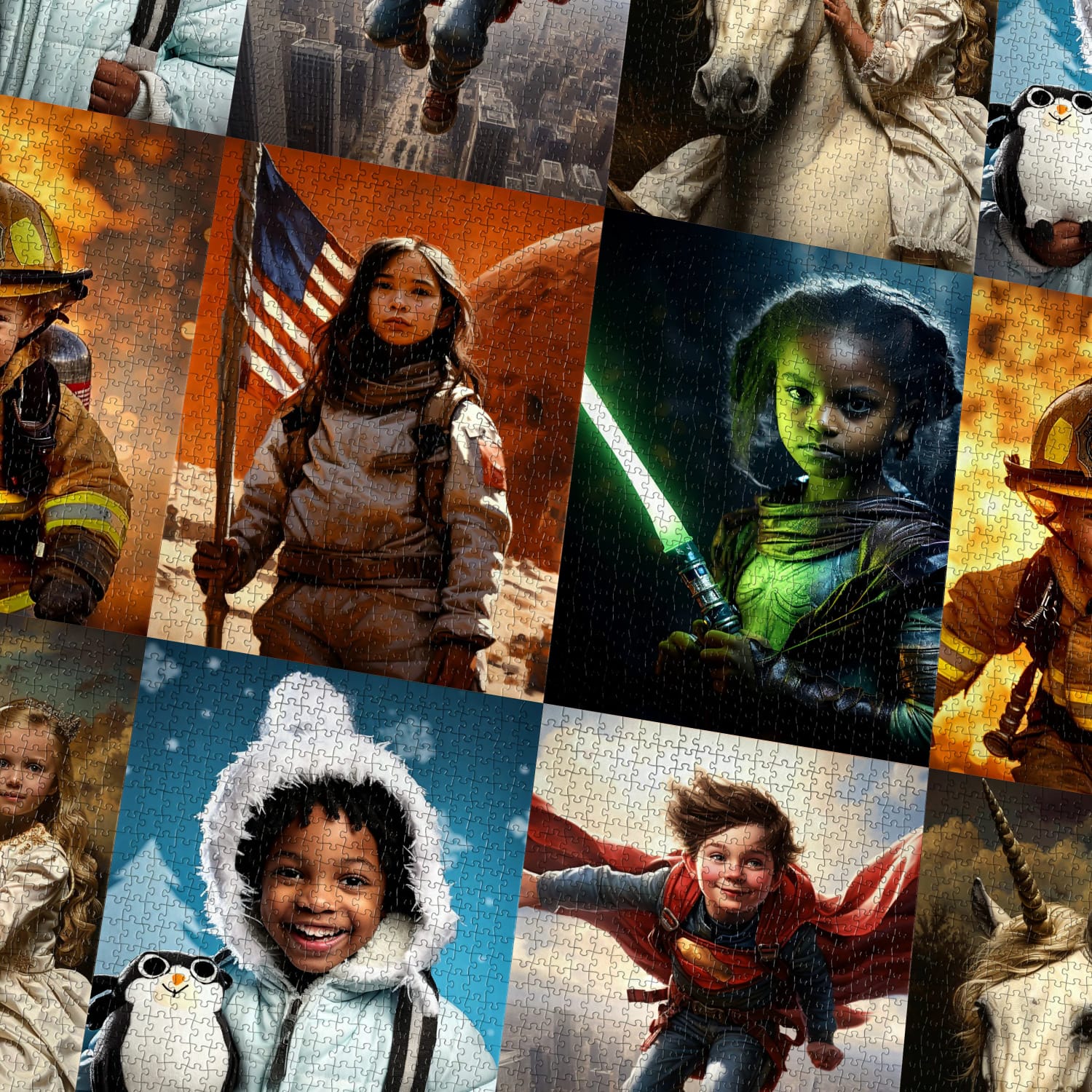
This is where a fully custom illustration becomes more than a novelty. Through a service like the Unique Puzzle, Imagined by You, Created For You, a parent can request essentially any animation style from history and have their child rendered inside it. The grandfather who grew up on classic cartoons can finally see his grandchild drawn in the style of his childhood. The parent who fell in love with a particular film during pregnancy can commemorate it. The child whose favorite show has a very specific look can have themselves placed inside that visual world.
The emotional logic is the same as with anime. When a child sees themselves rendered in a style their family loves, they are not just receiving a pretty image. They are being told, visually, you belong in our story. That belonging is one of the most stabilizing gifts a young child can receive.
A Gentle Word on Choice Overload
With infinite stylistic possibility comes a small risk: parental overthinking. A good rule of thumb is to choose the style that, when you imagine your child looking at it five years from now, makes you smile. Children do not need the "right" style. They need a style chosen with love and attention. The rest takes care of itself.
Putting the Puzzle to Work in Daily Life
A portrait puzzle is not just an object to display. It can become a small daily ritual that supports the emotional learning we have been describing. Here are a few ways parents in our community have used theirs:
- Name the feeling. While assembling the puzzle, ask your child what the character (which is them) might be feeling, and why. Resist offering the answer. Let them invent.
- Tell the story before. Ask what happened to the character just before this picture was drawn. This builds narrative and emotional reasoning at once.
- Use it as an anchor on hard days. When your child is struggling, sit beside the finished puzzle together. The image becomes a visual reminder of who they are when things are easier.
- Rotate the conversation. Each time you assemble it, take a different angle: how the colors feel, what the eyes are saying, what the character would do next.
The puzzle, in this way, becomes less of a toy and more of a small emotional landmark in the home: a place the child can return to in order to remember themselves.
Frequently Asked Questions
Is anime appropriate for children as young as three or four?
The anime style is wonderful for this age, especially when curated. A still illustration of your child in a friendly Manga style is age-appropriate in the same way that any colorful, expressive portrait is. The caution is around screen content: many anime shows are made for older audiences. A printed, personalized image lets young children enjoy the visual language without exposure to themes they are not ready for.
Will an anime-style portrait make my child want to watch more screens?
Most parents find the opposite. Because the puzzle is a tangible, slow object, it tends to satisfy the visual hunger that screens otherwise feed. Children spend time with the image in a focused, screen-free way. If anything, having a beloved style available in physical form often reduces the urgency around watching.
My child is very sensitive. Could a stylized portrait feel strange to them?
Some sensitive children take a few days to warm up to seeing themselves transformed into an illustration. This is normal. Introduce it gently, leave it visible without pressure, and let them comment when they are ready. Choosing a calmer, Ghibli-inspired style rather than a high-energy one often makes the first encounter easier.
What is the difference between the Manga puzzle and the fully custom option?
The Manga puzzle is a dedicated product with a specific Japanese animation aesthetic, carefully tuned for that look. The fully custom option opens the door to any animation or illustration style you can describe, from vintage cartoons to modern cinematic 3D. Choose the Manga product when anime is the goal. Choose the custom service when you have a specific other style in mind.
How can I tell which style suits my child best?
Watch where their attention goes when they are free to choose. Notice the books, films, and characters they linger on. If they tend to slow down around quiet, nature-rich images, lean Ghibli. If they light up around action and bright color, lean Shonen. If they love something else entirely, follow that thread. Their pull is usually trustworthy.
A Closing Thought
Children grow up surrounded by images, and they will absorb the emotional grammar of whatever images we let near them. Choosing thoughtfully, whether that means a Manga-inspired portrait that mirrors a child's quiet determination or a fully bespoke illustration drawn in the style your family has always loved, is one of the small but meaningful ways we shape the inner world our children build. The goal is not to find the perfect picture. It is to offer them a mirror that says, in a language they already understand, that the person they are becoming is worth seeing clearly.
Share and get 15% off!
Simply share this product on one of the following social networks and you will unlock 15% off!