
There is a small, specific memory many of us share. It is Saturday morning, maybe 8 a.m., and we are sitting cross-legged on the carpet with a bowl of cereal, watching cartoons. When the last show ends, something unmistakable happens: the credits roll, the channel cuts to a commercial for laundry detergent, and the spell breaks. We get up. We go outside. The morning has its own natural shape, and we feel the edge of it without anyone telling us to stop.
Now picture your five-year-old on the couch tonight. The episode of Bluey ends. Before the final note of the theme song fades, a countdown appears in the corner of the screen. Five, four, three. A new episode begins automatically, smaller and smaller in the corner, then full screen. There is no edge. There is no natural stopping point. There is only flow, engineered by some of the most talented designers in the world, aimed squarely at a brain that is still learning what self-regulation even means.
If you have ever let Netflix Kids run while you cook dinner, and then realized 90 minutes later that your child has not moved, this article is for you. Not to make you feel bad, because honestly, dinner has to get made, and 45 minutes of screen time is not a moral failure. But because the question parents keep asking quietly, "is binge-watching bad for kids?", deserves a real answer. And the answer turns out to be less about screen time as a number, and more about the specific design choices the streaming services have made to keep your child watching one more episode, and then one more.
Below, we will look at how autoplay works, what the research actually says about pacing and attention, and three concrete fixes you can put in place tonight. None of them require throwing the TV out the window.
What changed: cartoons used to have an off-ramp
Broadcast television, for all its flaws, had built-in friction. A show ended. Commercials happened. The next show might not interest your kid. The schedule was someone else's decision, not an algorithm tuned to your child's specific viewing history. Even VHS tapes and DVDs ended. The credits rolled, the screen went blue or black, and that was that.
Streaming platforms removed every single one of those friction points on purpose. This is not an accident or an oversight. It is the product. When a Netflix executive said in 2017 that the company's biggest competitor was "sleep," they were not joking. The same design philosophy that keeps adults watching three episodes of a thriller at midnight is the one running on your child's Kids profile.
The specific design choices working against your child
- Autoplay countdowns: The five-second timer that starts the next episode before the current one has emotionally landed. It is designed to keep the brain in a flow state, before the prefrontal cortex (which in a four-year-old is barely online) has a chance to ask, "do I want to keep watching?"
- Post-credit skip buttons: Even when autoplay is off, the interface invites a single tap to continue. Compare that to getting up, finding the remote, navigating menus. Friction matters.
- "Because you watched..." recommendations: Algorithmic suggestion rows tuned to your child's preferences. This is not curation by a thoughtful adult. It is optimization for watch time.
- Kids profiles that still autoplay by default: Disney+ Kids, Netflix Kids, Prime Video Kids. Putting your child on the "safer" profile filters content, but it does not turn off the engagement engine.
- Endless episode counts: Some kids' shows on streaming have 200+ episodes in a single profile. CoComelon alone has hundreds. There is no natural endpoint, ever.
Your child is not weak for getting pulled in. Adults with fully developed brains struggle with this. We are asking a preschooler to opt out of a system specifically engineered to be hard to opt out of.
Pacing matters more than you might think
Here is where the conversation gets more nuanced, because not all screen time is the same, and not all kids' shows do the same thing to a developing brain. The pacing of a show, meaning how quickly cuts happen, how loud the soundtrack is, how exaggerated the visual stimulation is, turns out to matter a great deal.
A widely cited 2011 study published in Pediatrics (Lillard and Peterson) compared four-year-olds who watched nine minutes of a fast-paced cartoon (in that study, SpongeBob SquarePants) with children who watched a slower educational program or drew with crayons. Immediately after, the children took executive function tests. The fast-paced cartoon group performed measurably worse on tasks requiring focus, working memory, and self-control. The effects were short-term in that study, but the implication was clear: not all nine-minute screen sessions are equivalent.
Subsequent research, including studies published in JAMA Pediatrics over the last decade, has continued to associate high-intensity, fast-cut media with attention and self-regulation difficulties in young children. The 2023 U.S. Surgeon General's Advisory on social media and youth mental health (which focused mainly on older kids) also explicitly raised concerns about design features that "maximize time spent," noting these are particularly harmful to developing brains.
Worth noting: research in this area is ongoing, correlation is not causation, and a lot depends on context, co-viewing, and what kids are doing the other 23 hours of the day. Still, the pattern is consistent enough that pediatricians are paying attention, and parents probably should too.
Slower shows that support self-regulation
- Bluey: Real-time pacing, long takes, emotionally complete stories. Often models repair and resolution within a single episode.
- Daniel Tiger's Neighborhood: Built explicitly around social-emotional learning. The pacing gives children time to absorb a lesson.
- Puffin Rock: Gentle, almost meditative. Beautiful for wind-down viewing.
- Sarah & Duck: Quiet, observational, with long pauses. A favorite of speech therapists.
- Trash Truck, Stillwater, Tumble Leaf: Slower-paced shows with strong storytelling.
Faster-paced shows that tend to overstimulate
- CoComelon: Rapid cuts, often every one to two seconds. Bright, looped, and highly stimulating. Many parents anecdotally report that turning it off triggers meltdowns out of proportion to other shows.
- Many YouTube-originated kids' channels (Blippi, surprise-egg compilations, "kids' diana" content) now hosted on Netflix and other services: Originally engineered for YouTube's algorithm, which rewards retention above almost everything.
- Some superhero and action cartoons: Not inherently bad, but worth checking the cut speed.
None of this is to demonize any single show. A CoComelon episode now and then while you take a phone call is not going to ruin your child. But a steady diet of fast-paced content, watched on autoplay, without natural endpoints, is a different thing entirely.
Three concrete fixes you can do tonight
This is the part you came for. Here is what actually helps.
Fix #1: Turn off autoplay. Really.
This is the single highest-leverage change you can make. It costs nothing, takes two minutes, and removes the most aggressive design feature from your living room. Here is how, as of the current versions of each app:
How to stop autoplay on Netflix Kids:
- Open Netflix in a web browser (you cannot do this from the TV app).
- Go to "Manage Profiles" and click your child's profile.
- Uncheck "Autoplay next episode in a series on all devices."
- Also uncheck "Autoplay previews while browsing on all devices." Those silent thumbnails that explode into trailers when you hover? Gone.
- Save.
How to stop autoplay on Disney+:
- Open Disney+ and go to your child's profile.
- Tap the profile icon, then "Edit Profiles," then select the kid's profile.
- Toggle "Autoplay" off. Toggle "Background Video" off as well.
- Note: Disney+ has historically reset some preferences after app updates. Check it once a month.
How to stop autoplay on Prime Video:
- On the web, go to Account & Settings, then the Player tab.
- Set "Auto Play" to OFF.
- On mobile and TV apps, the setting is sometimes also in Settings, Playback.
YouTube and YouTube Kids: The autoplay toggle is on the video player itself, usually as a slider near the play controls. On YouTube Kids, you can also turn off the search function entirely and stick to a hand-picked content shelf. Honestly, for the 3 to 6 range, we would lean toward avoiding the main YouTube algorithm entirely.
Fix #2: Bring back "appointment viewing"
This is a small mindset shift with outsized effects. Instead of opening Netflix and browsing (the digital equivalent of a buffet), decide before turning the TV on what you are watching. One episode. One show. Chosen in advance.
You can frame it for your child the same way: "After bath, we are watching one episode of Bluey, the one with the balloon. Then it's books." The choice happens before the screen turns on, not after, when their dopamine system is already running the negotiation.
This is essentially how television worked for our generation. Not because the technology forced it, but because there were no other options. We can recreate the structure on purpose.
- Pick the episode before pressing play.
- Say out loud what will happen when it ends ("then we'll do puzzles together").
- Have the next activity physically ready before the show starts.
- Avoid letting your child scroll the menu. Decision fatigue plus algorithmic suggestion is a bad combination at any age.
Fix #3: Use media with natural endings
Older technology had a feature we did not appreciate until it was gone: it ended. A DVD ends. A library DVD especially ends, because it goes back. A 22-minute episode on a physical disc cannot autoplay into a fourth episode.
- DVDs from the library: Free. Curated by librarians. Built-in deadline.
- Audiobooks and audio dramas (Yoto, Tonies, library CDs): Screen-free, story-rich, with clear endings.
- The "one episode" rule: Said out loud, every time. Predictability matters more than any single enforcement.
- Timer rituals: A simple sand timer or kitchen timer on the coffee table gives the child an external, visible endpoint. The end is not "Mom said so" but "the sand ran out."
What goes in the post-TV wind-down kit
One reason autoplay wins is that nothing is ready to replace the screen the moment it turns off. The child is dysregulated, you are still cooking, and the path of least resistance is to press play again. Solving this means having the next thing already set up, ideally something quiet enough to do alongside dinner prep.
The goal of the wind-down basket is not to "entertain" the child the way a screen does. It is to offer something absorbing enough that the transition out of TV does not feel like a loss. A few things that tend to work for the 3 to 6 range:
- Picture books on a low shelf the child can reach without help.
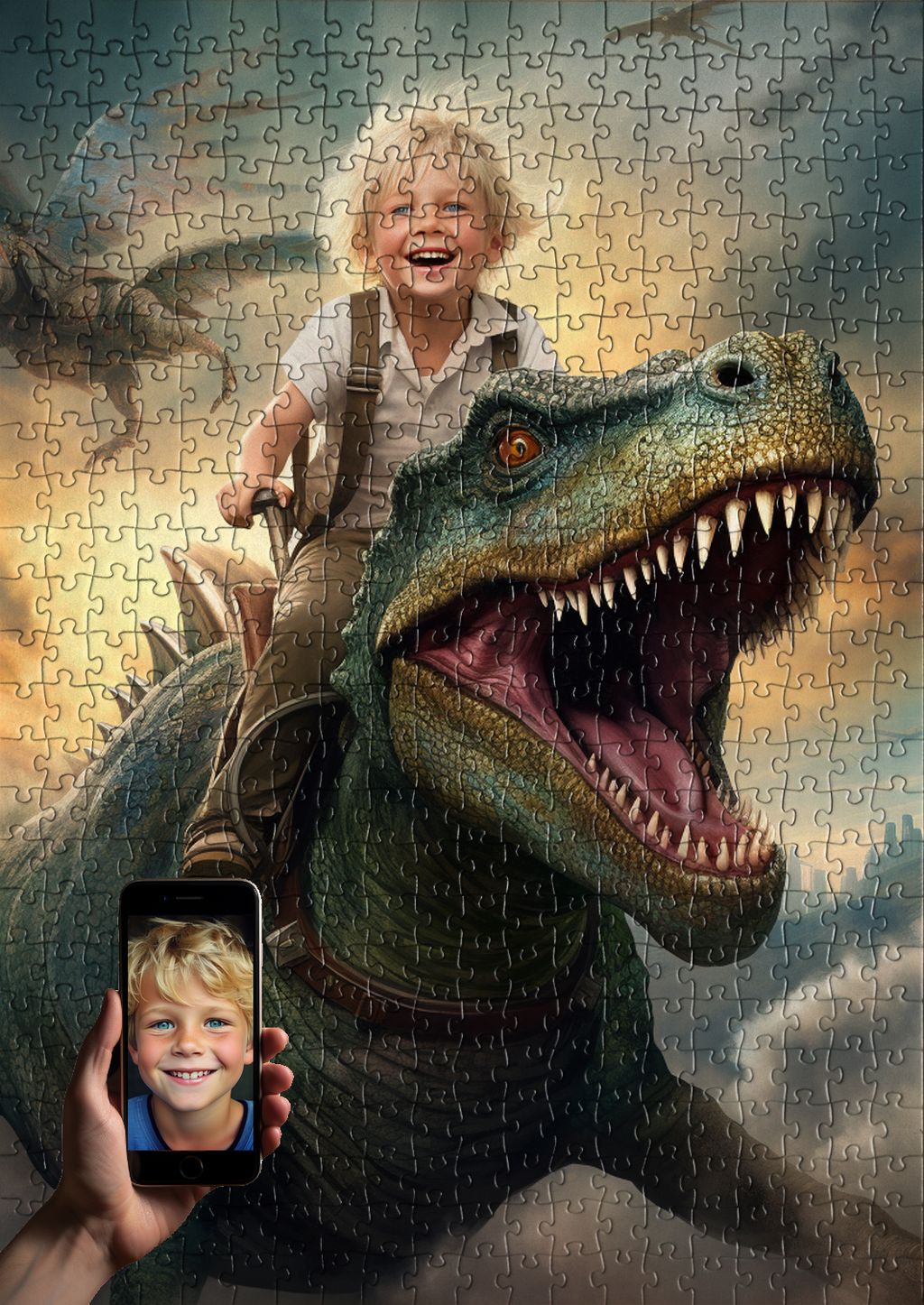
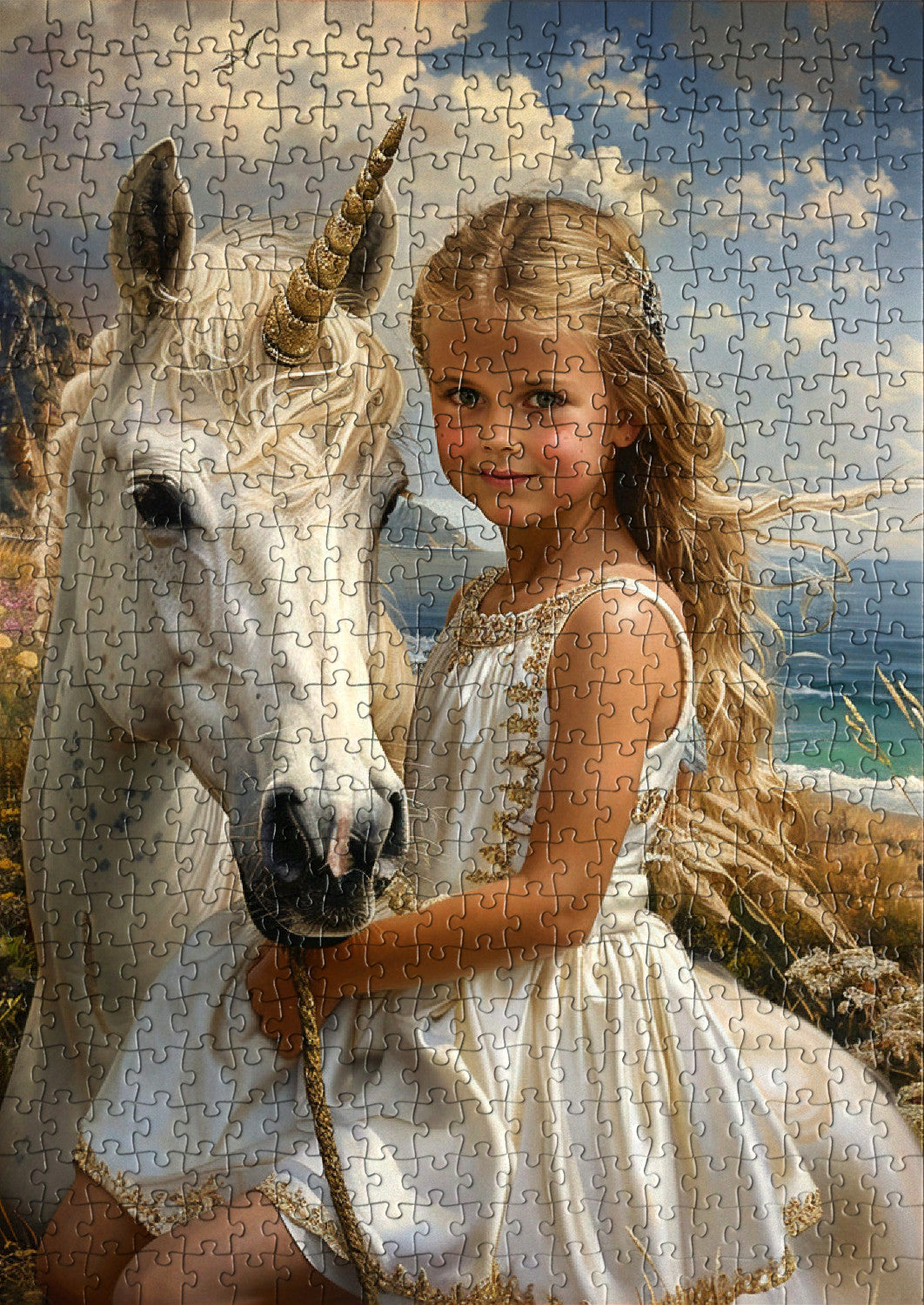
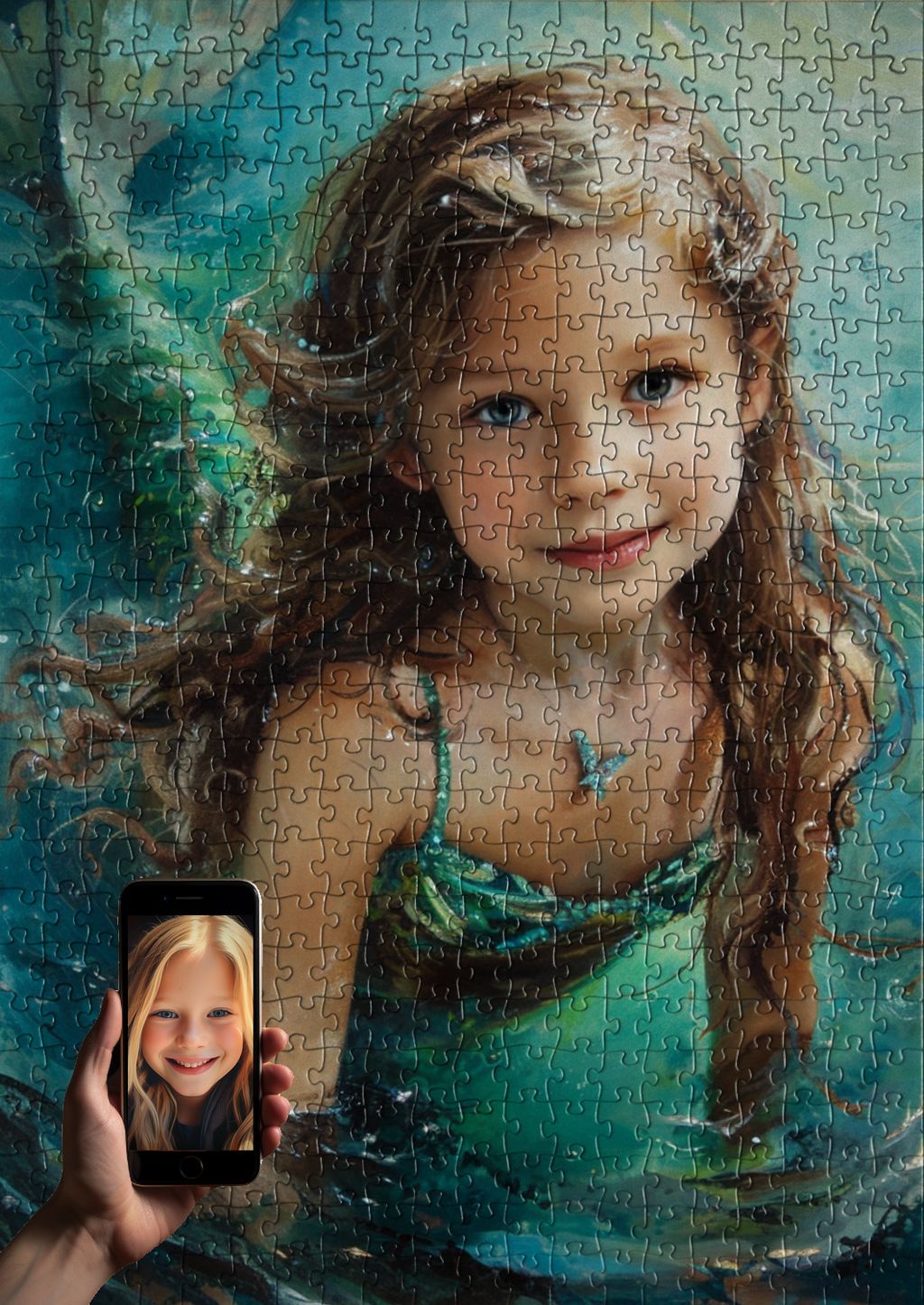
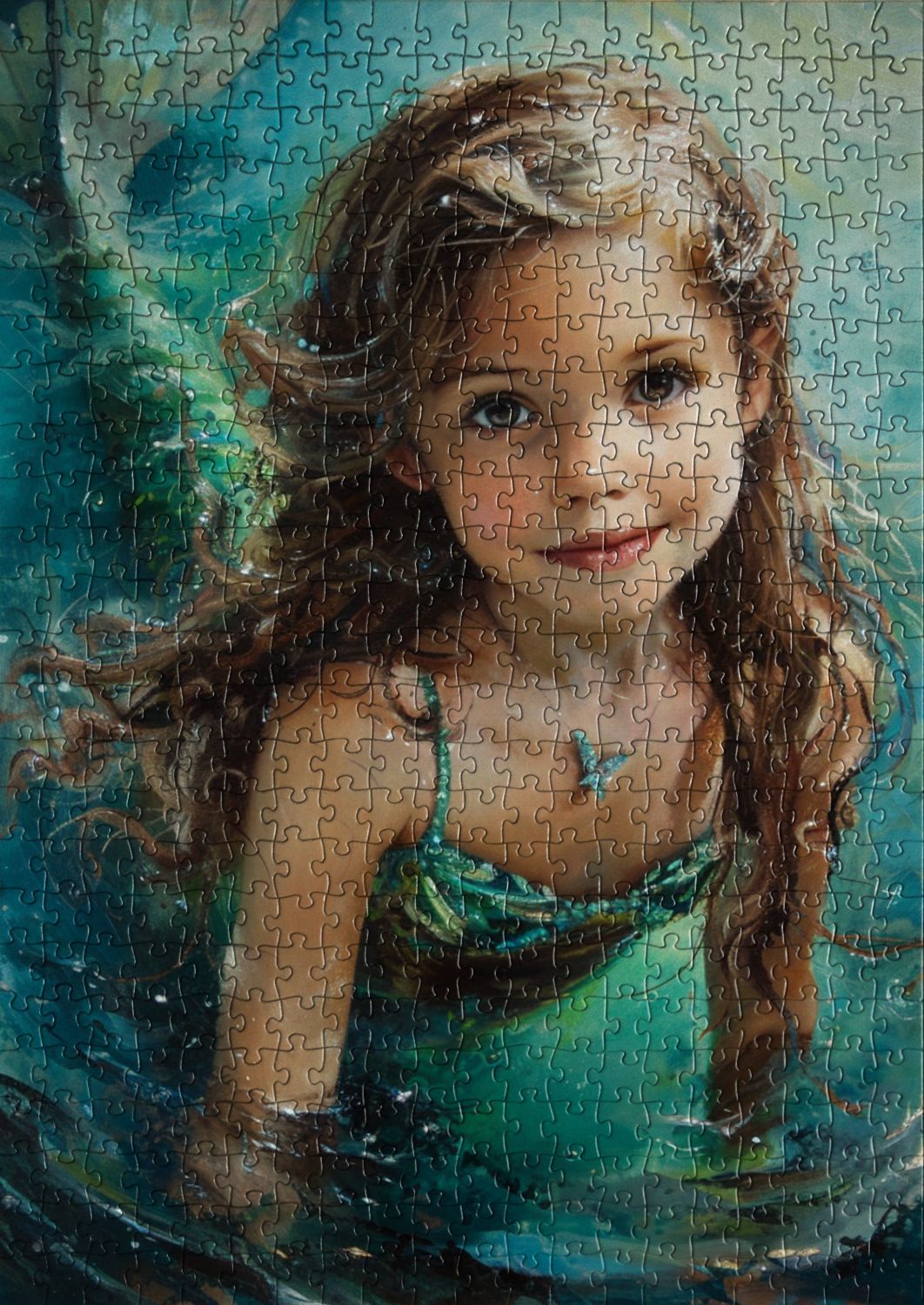
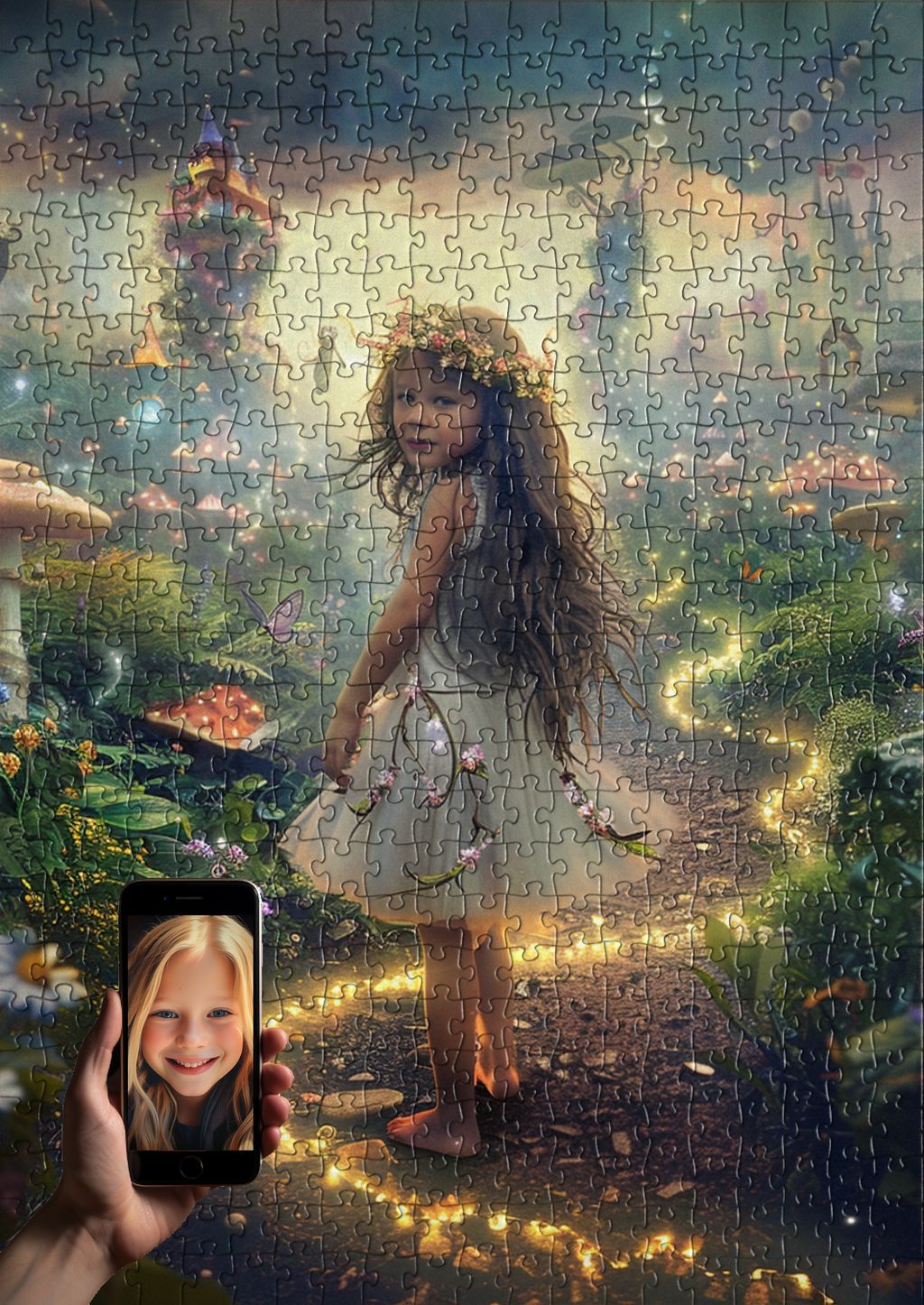
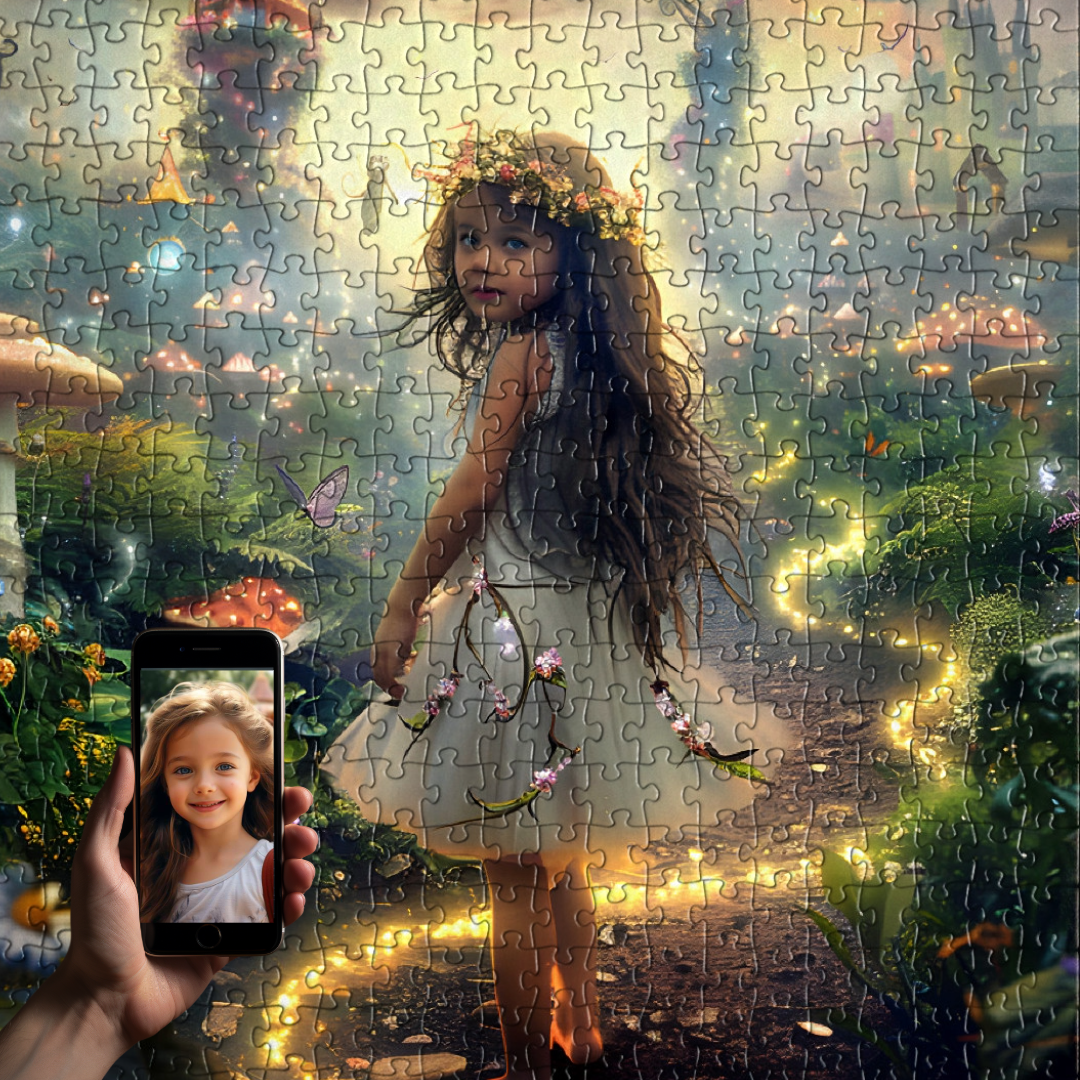
- A jigsaw puzzle already partially built on a tray, ready to keep working on. Puzzles are particularly good here because they are inherently slow-paced, have a clear endpoint (the picture), and reward the same kind of sustained attention that fast media erodes. A personalized puzzle the child genuinely connects with, like a photo puzzle made from a family picture, tends to get pulled out again and again.
- Open-ended building toys: blocks, magnetic tiles, Duplo.
- Drawing supplies in a contained tray.
- Pretend play props: a doctor's kit, a dress-up box, kitchen toys.
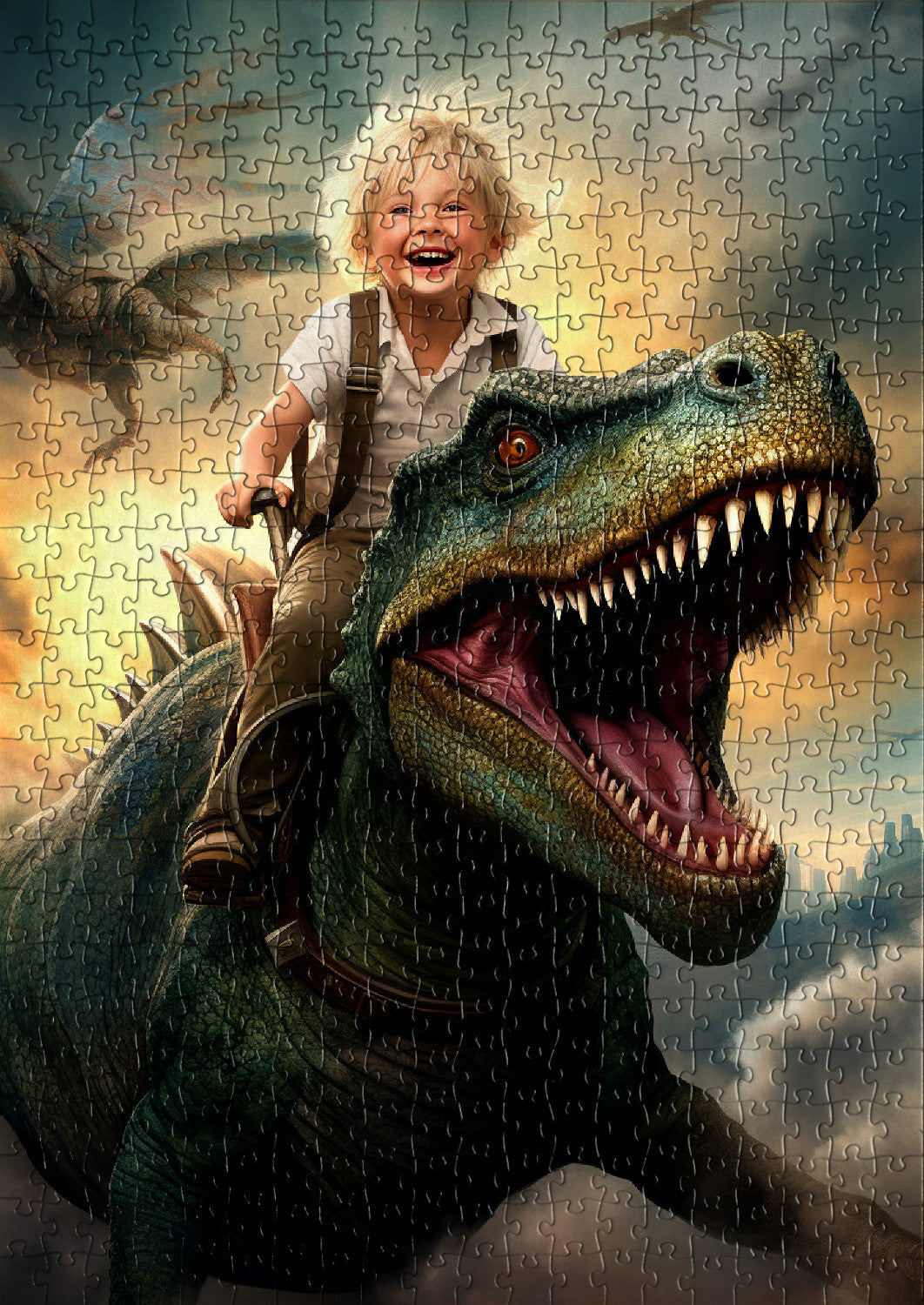
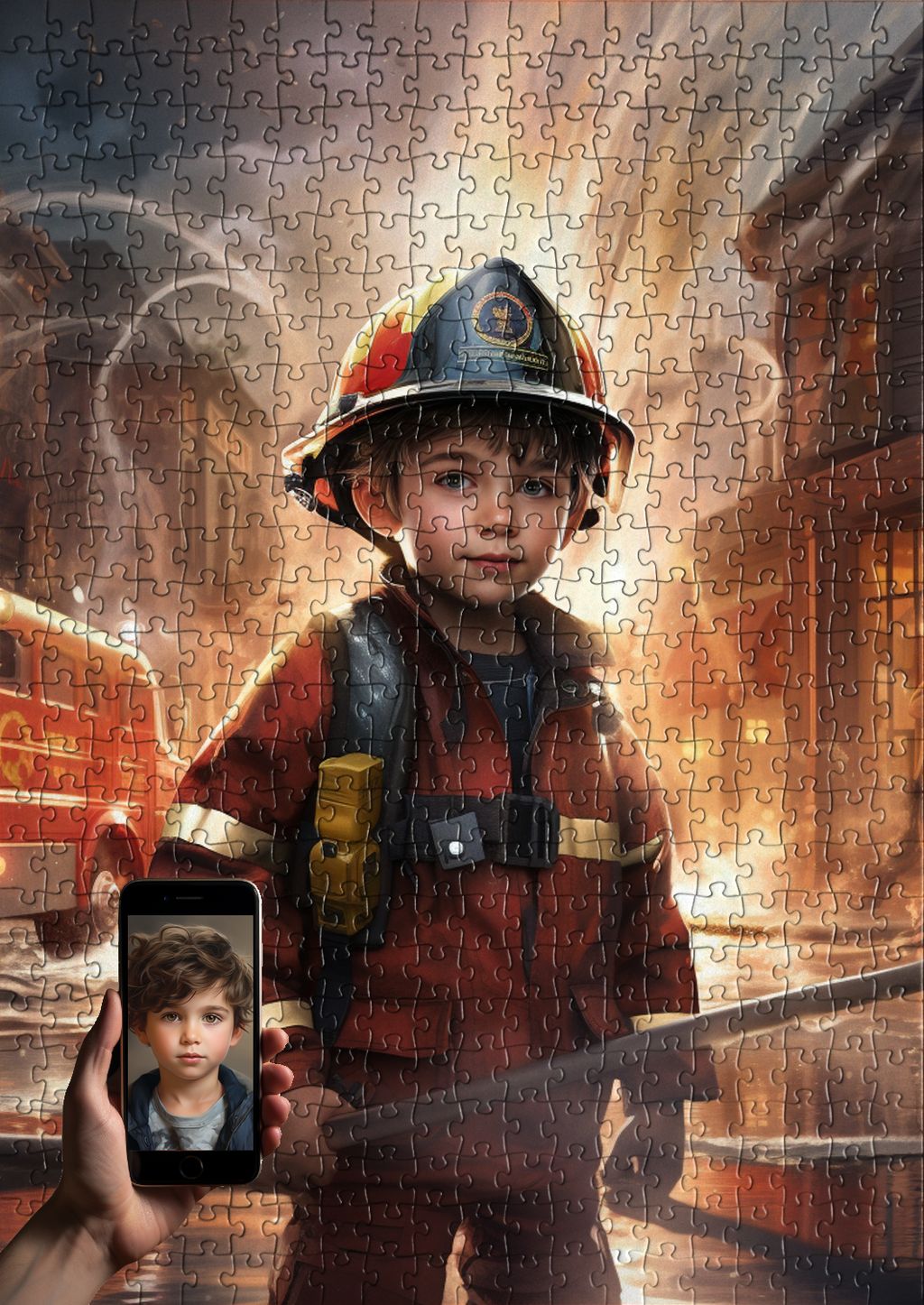
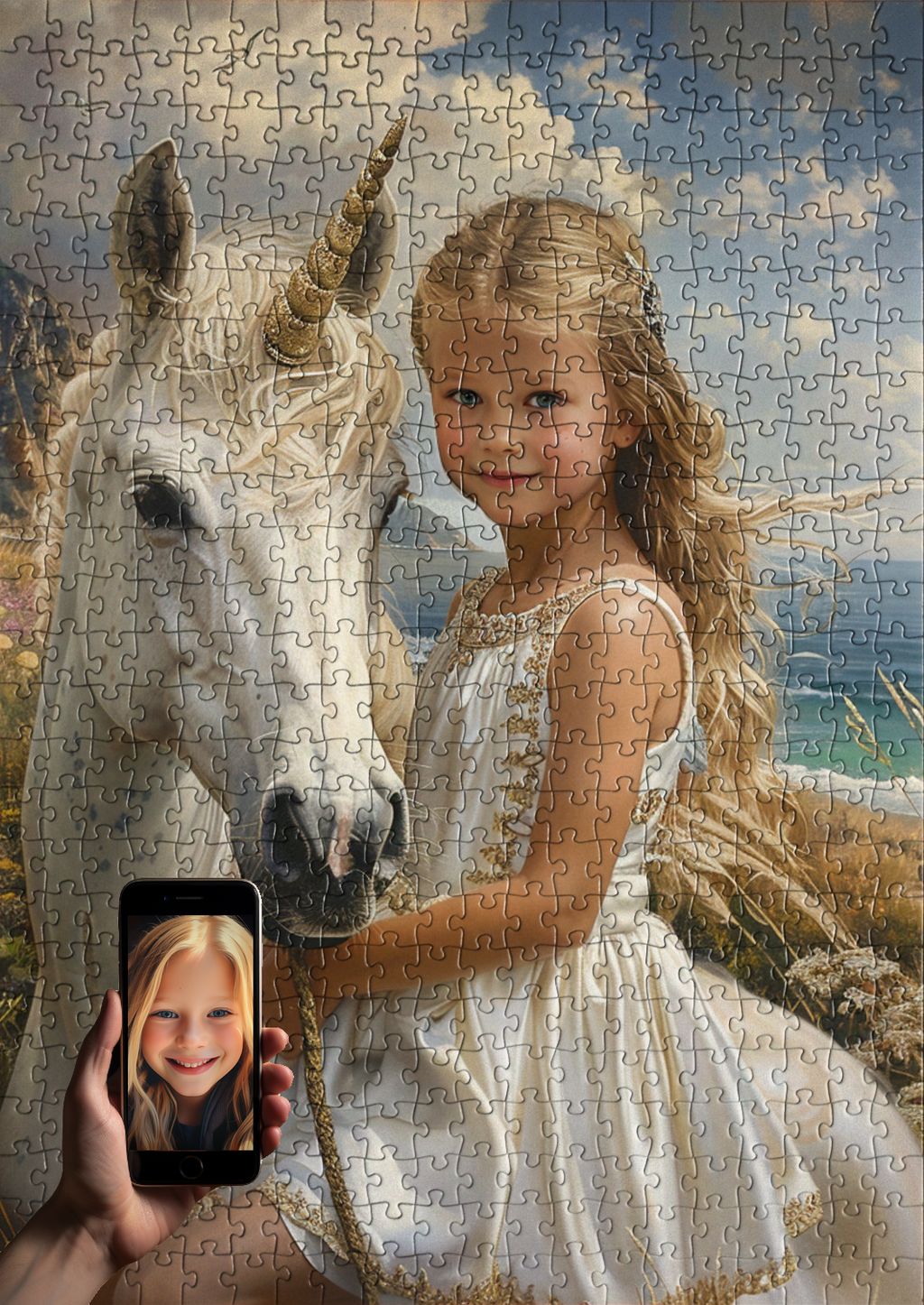
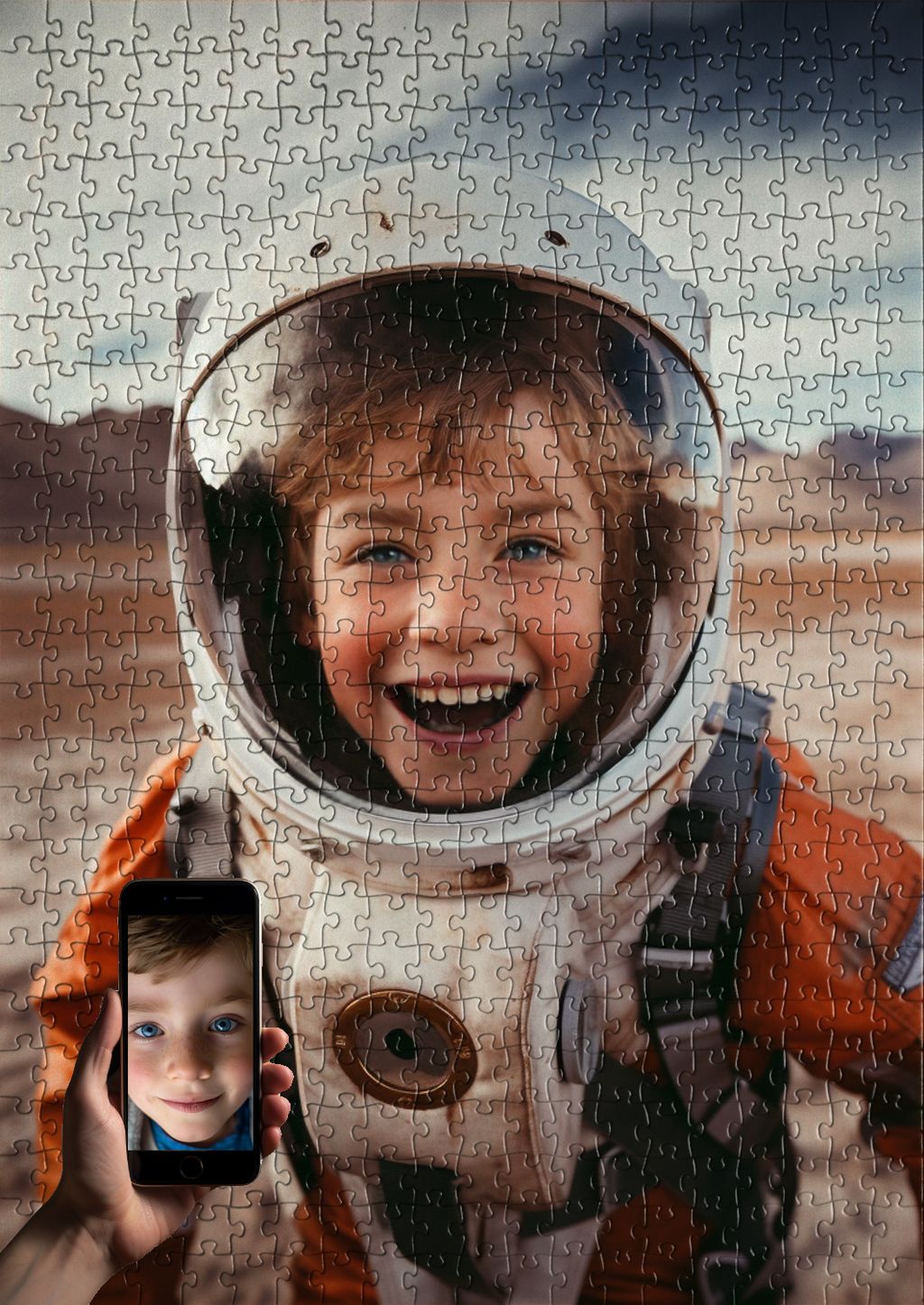
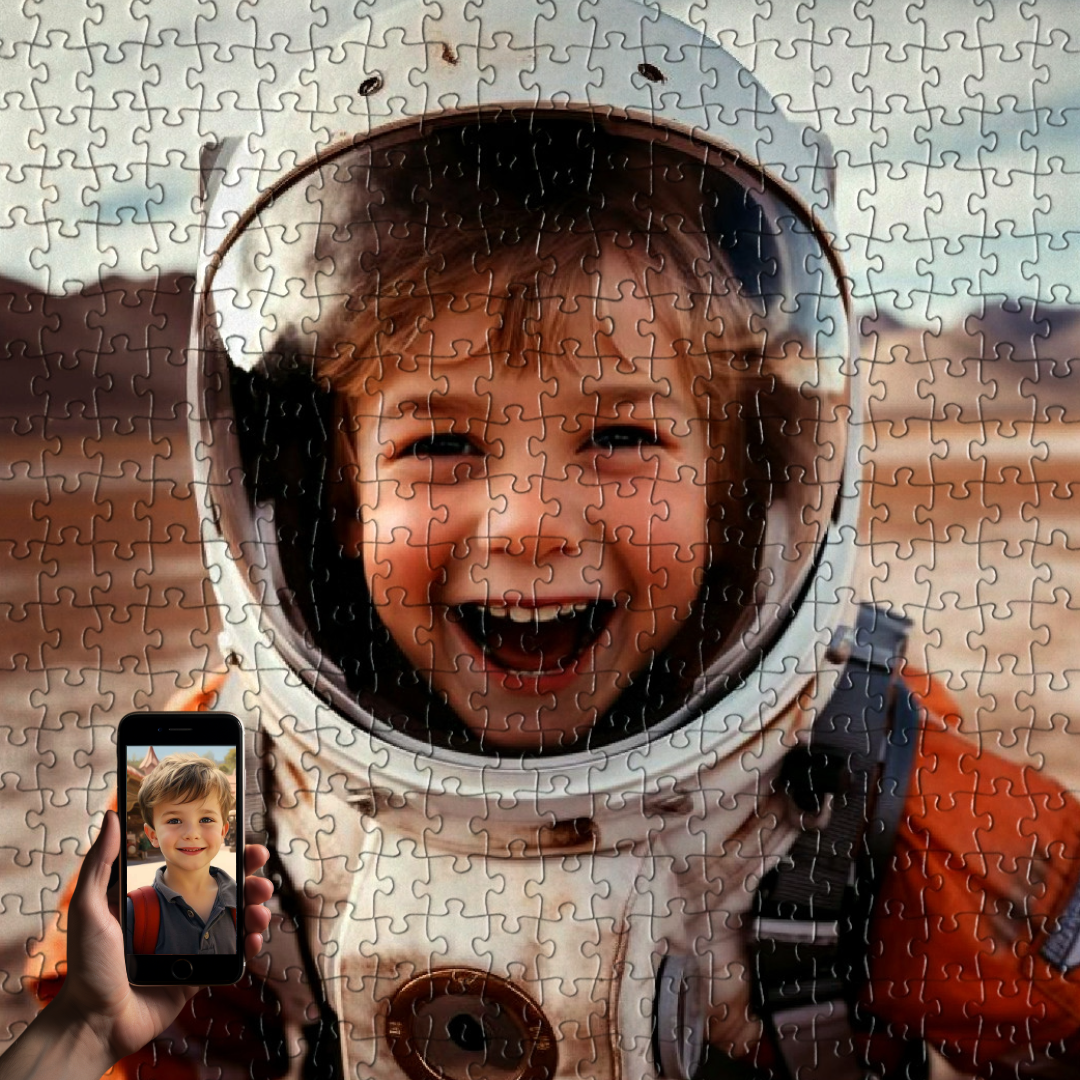
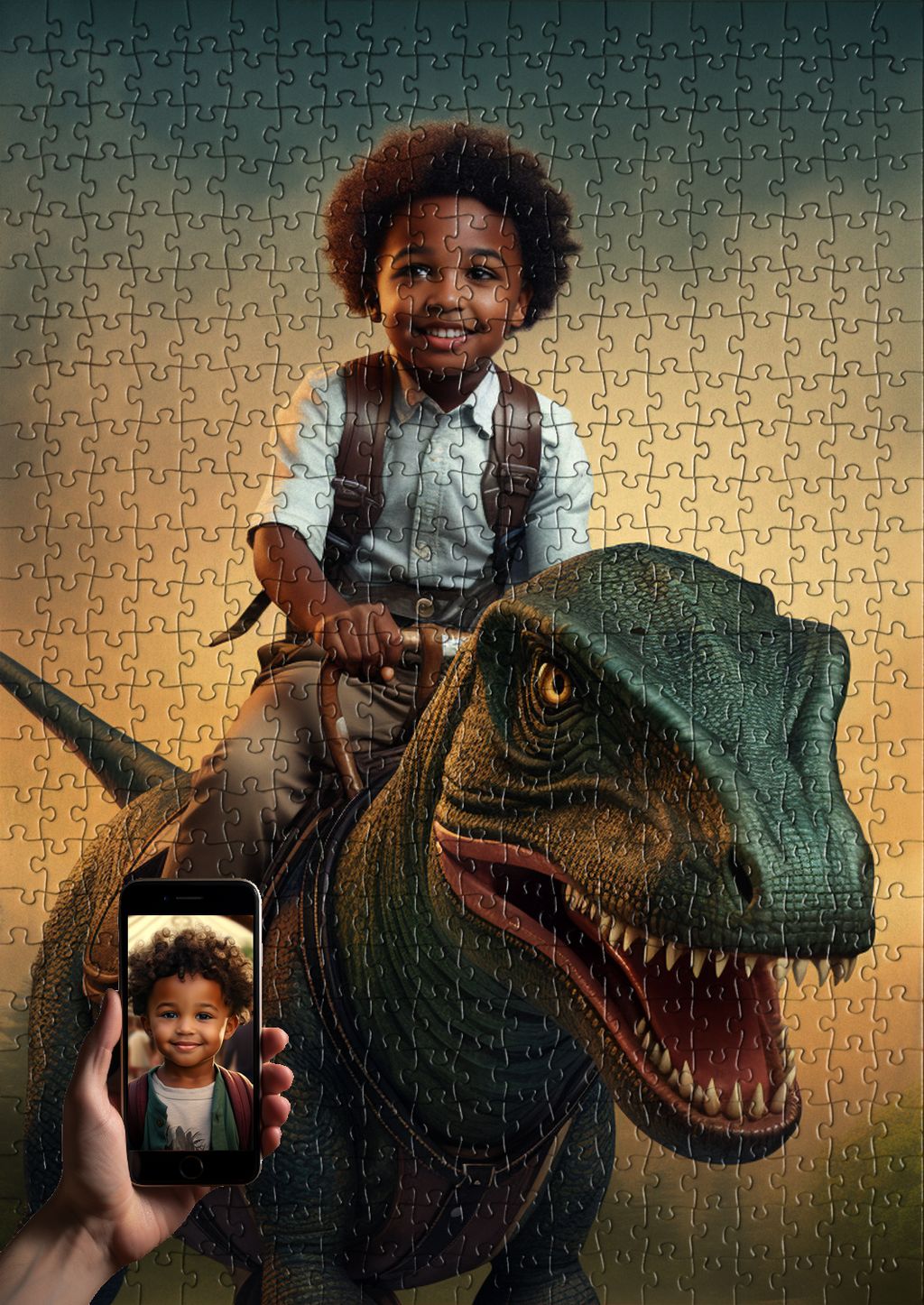
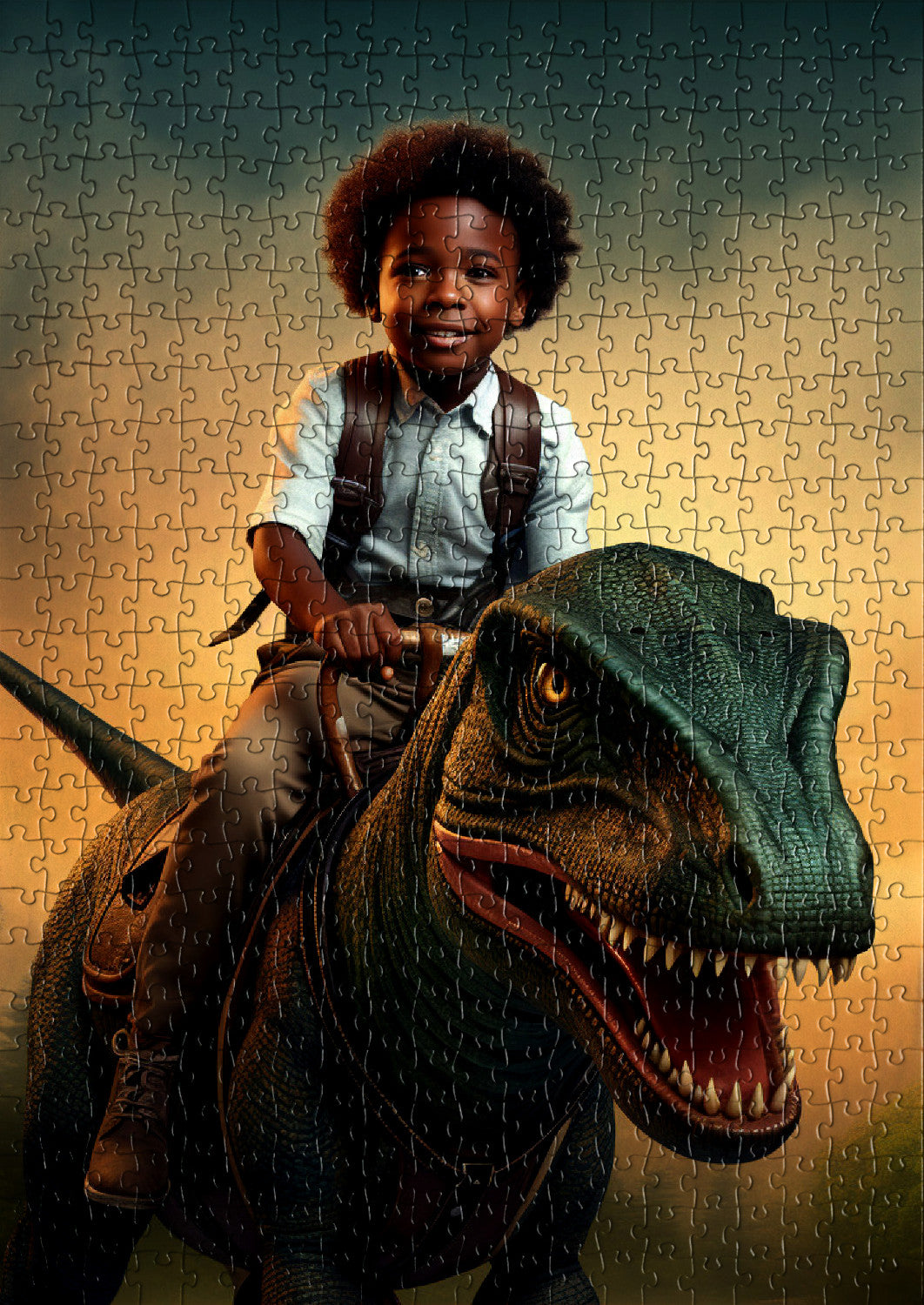
One thing we have noticed at SwappyPrint, talking to parents, is that puzzles featuring the child themselves (or a character they are obsessed with) hold attention in a way generic puzzles do not. If your four-year-old is in a dinosaur phase, a kid riding a dinosaur puzzle shows up at the table differently than a stock landscape would. If they are in a princess or superhero phase, a personalized superhero puzzle with their face on it tends to become a long-term favorite rather than a one-time activity. The personalization is not the point in itself. The point is having something compelling enough to land in the gap when the screen goes off.
A word for the parent making dinner
None of this is meant to say screens are evil, or that you are failing your child if the iPad is the only way to get through a Tuesday. There is a real difference between "the TV is on for 40 minutes while I cook" and "my five-year-old has been watching uninterrupted for three hours because autoplay never stopped."
The first one is parenting in the real world. The second one is what the platforms are designed to produce if you do not actively push back. Turning off autoplay, choosing the show in advance, and having the next activity ready: that is the whole shift. It does not eliminate screen time. It puts a frame around it.
The kids who do best, in research and in the families we talk to, are not the ones with zero exposure. They are the ones whose screen time has clear edges, predictable rhythms, and an off-ramp back to the rest of life. That used to be built into the technology. Now we have to build it ourselves, deliberately, one toggle and one ritual at a time.
Frequently Asked Questions
Is one hour of TV a day bad for a 4-year-old?
The American Academy of Pediatrics suggests no more than one hour per day of high-quality programming for children ages 2 to 5, ideally co-viewed with a parent. But the quality and pacing of that hour matter as much as the number on the clock. One hour of Bluey watched together, with a clear ending, is a very different experience for a developing brain than one hour of fast-cut algorithmic content on autoplay. Focus on the structure, not just the minutes.
Why does my child melt down so badly when I turn off the TV?
Two reasons, usually. First, the transition itself is abrupt because the platform was designed to prevent natural endings, so your child never felt a show "finish." Second, fast-paced content can leave kids in a slightly dysregulated state that makes any transition harder. Try shifting to slower-paced shows, watching one chosen episode at a time, and physically setting up the next activity before the show ends so the off-ramp is visible.
Is CoComelon actually harmful, or is that internet panic?
There is no peer-reviewed study isolating CoComelon specifically, so we should be careful with strong claims. What research does suggest is that very fast-paced, high-stimulation programming can temporarily affect young children's executive function, and that the design of attention-grabbing content can make transitions harder. Many parents notice their children seem more dysregulated after watching it. You do not have to ban it; you can simply offer it less and pair it with slower content most of the time.
What if my partner and I disagree about screen rules?
Start with the lowest-conflict change: turning off autoplay on every device. It is a technical setting, not a philosophical stance, and it removes the most aggressive feature without anyone having to "be the strict parent." From there, agreeing on one or two simple rules ("one episode after bath," "no TV during meals") is easier than negotiating in the moment. Predictability helps kids and adults.
How do I undo months of autoplay habits without a full meltdown war?
Change one thing at a time. Week one, turn off autoplay across all apps. Week two, introduce "one chosen episode" instead of menu browsing. Week three, set up a wind-down activity ready to go before TV starts. Expect some pushback, especially in the first few days. Kids adjust to new norms faster than we think, as long as the norms are consistent. Within two or three weeks, the new rhythm usually feels normal.
Small frames, big difference
The parents who grew up with Saturday morning cartoons did not have superior willpower. They had a system that ended on its own. Our job now is not to recreate the past, but to put deliberate edges back around an experience that has had them designed out. Turn off autoplay tonight, pick one show on purpose, and have something quiet ready for when it ends. That alone changes the shape of the evening. The rest, the books, the puzzles, the slower rhythm of childhood, has a way of filling in the space when the countdown timer stops trying to fill it for you.


Share and get 15% off!
Simply share this product on one of the following social networks and you will unlock 15% off!