
Somewhere between the seventh and eighth birthday, something shifts. The child who used to spread out a tub of building bricks across the living room floor now glances at them and says, with a touch of disdain, "That's for little kids." The puzzle that took up a whole rainy afternoon last year sits untouched on the shelf. And yet, this same child still wants to be near you, still lights up at the idea of doing something interesting, and is absolutely not ready for the world of teenage content waiting on the other side of a screen.
This in-between stage is one of the trickiest moments in childhood. Eight-year-olds are crossing a real cognitive threshold. They can plan ahead, follow multi-step instructions, hold a goal in their head for days, and they desperately want their efforts to feel meaningful. The word "play" starts to sting a little, because in their mind, play is what babies do. They want projects. They want real tools. They want to make something the grown-ups will take seriously.
The challenge for parents is twofold. First, finding activities that match this new appetite for complexity and autonomy without tipping into screen time by default. Second, suggesting them in a way that doesn't trigger the reflexive "no" that comes with growing independence. An activity proposed too eagerly by a parent can be doomed before it begins, while the same activity discovered casually on the kitchen table can become a passion.
This guide offers fifteen screen-free projects that respect an eight-year-old's growing competence, plus some quieter strategies for getting them started. The framing matters as much as the activity itself. We are not looking for ways to keep them busy. We are looking for things worth doing.
Why "Projects" Beats "Play" at This Age
Language shapes how a child receives an idea. Suggest "let's play with these markers" to an eight-year-old and you'll get a shrug. Say "I picked up a sketchbook if you want to start a comic series" and you might lose them for the afternoon. The shift from play to project signals that you see them as capable of sustained, purposeful work. It also gives them something to point to when a friend or grandparent asks what they've been up to.
Eight-year-olds are entering what developmental psychologists sometimes call the industry stage, when children measure themselves by what they can produce. They want competence. They want a finished thing. This is why the activities below all have a clear arc: a beginning, a middle, and an outcome they can show off or improve next time.
- Frame activities as ongoing projects rather than one-off play sessions.
- Give them real materials, not toddler versions of real things.
- Allow projects to live out on a table or shelf, not be packed away after thirty minutes.
- Treat their work as work: ask questions, admire technique, take it seriously.
Projects That Build Real Skills
The first category of activities offers something an eight-year-old craves: the chance to learn a grown-up skill from the ground up. These are not simplified versions. They are the real thing, scaled to a beginner's hands.
1. Beginner Coding
Coding sits in an interesting space because it requires a screen but produces something tangible: a working program, a moving robot, a game the child invented. Scratch is the classic starting point, with drag-and-drop blocks that let kids build animations and simple games in an afternoon. For something more physical, a micro:bit is a pocket-sized programmable board that can light up, play sounds, or respond to motion. Some eight-year-olds are ready for the very first steps of Python, especially if a parent or older sibling sits alongside them.
2. Photography with a Real Camera
A cheap point-and-shoot camera, or even a hand-me-down digital model, transforms an eight-year-old's relationship with the world. Suddenly they are noticing light, framing, weather, the way a dog tilts its head. Hand them the camera, give them no instructions beyond "show me what you see," and let them work. A printed photo book at the end of a season is a powerful reward.
3. Real Cooking, Not Cookies
Eight-year-olds are ready to make actual meals, not just stir batter. Think pasta from scratch, a simple weeknight stir-fry, homemade pizza dough, or a family breakfast they plan and shop for. Give them a kid's chef knife, a real apron, and the freedom to choose the menu one night a week. The pride of feeding the family is unmatched.
4. Learning an Instrument
Online tutorials have made beginner instrument learning more accessible than ever. Ukulele, keyboard, and harmonica are forgiving starter instruments. The key is to let the child choose the instrument and the songs. An eight-year-old learning a Taylor Swift riff they picked themselves will practice longer than one assigned a method book.
Projects That Reward Patience
This is the sweet spot for eight-year-olds who think they've outgrown puzzles and crafts. The trick is to scale up the complexity until the activity feels like a worthy challenge again.
5. Advanced Jigsaw Puzzles
The 24-piece puzzles of preschool are long behind us. At eight, most kids can tackle 252 to 500-piece puzzles, especially over several days. A puzzle left out on a side table becomes a passive invitation: they walk by, slot in a few pieces, walk away. No pressure, no "let's sit down and play."
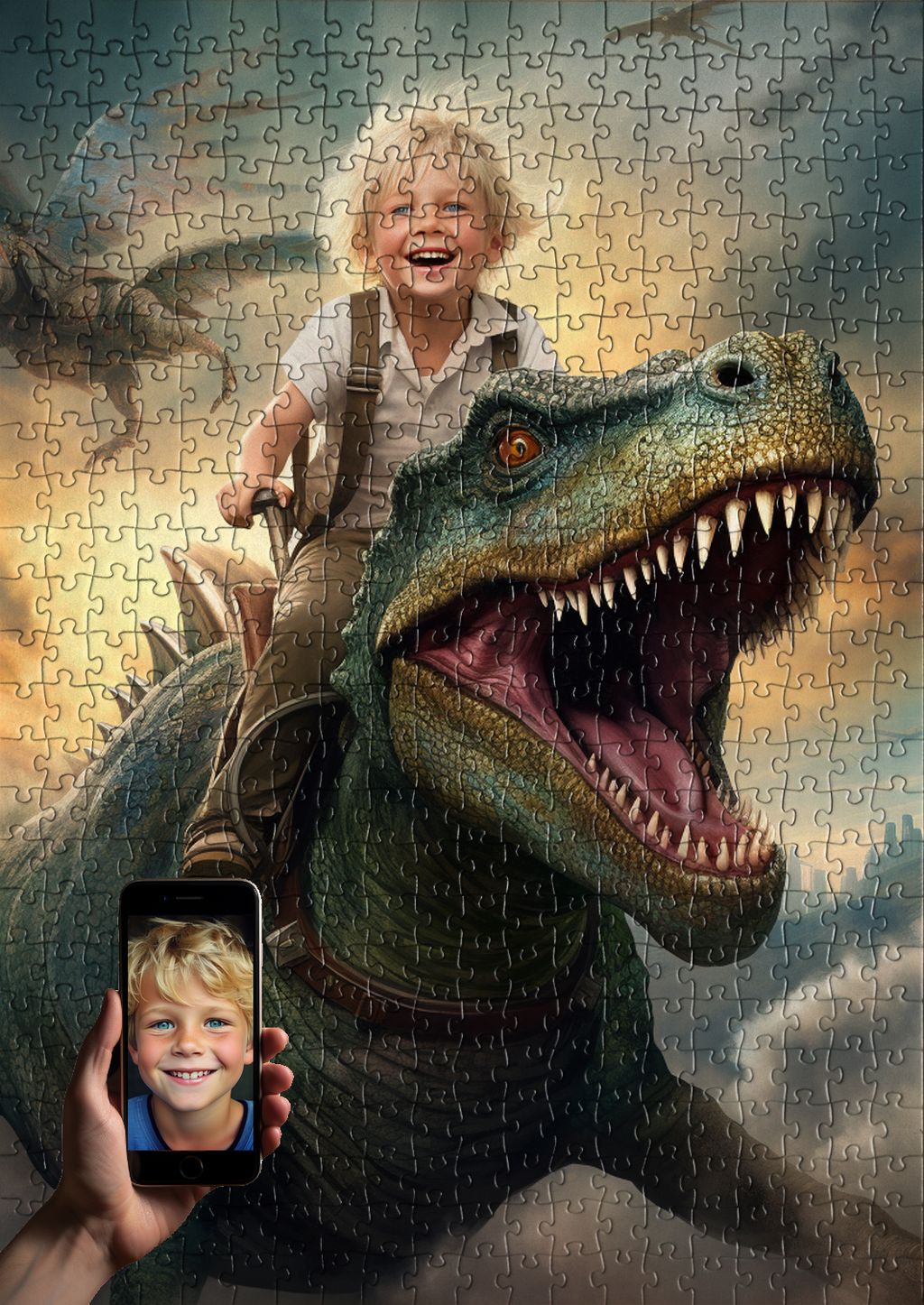
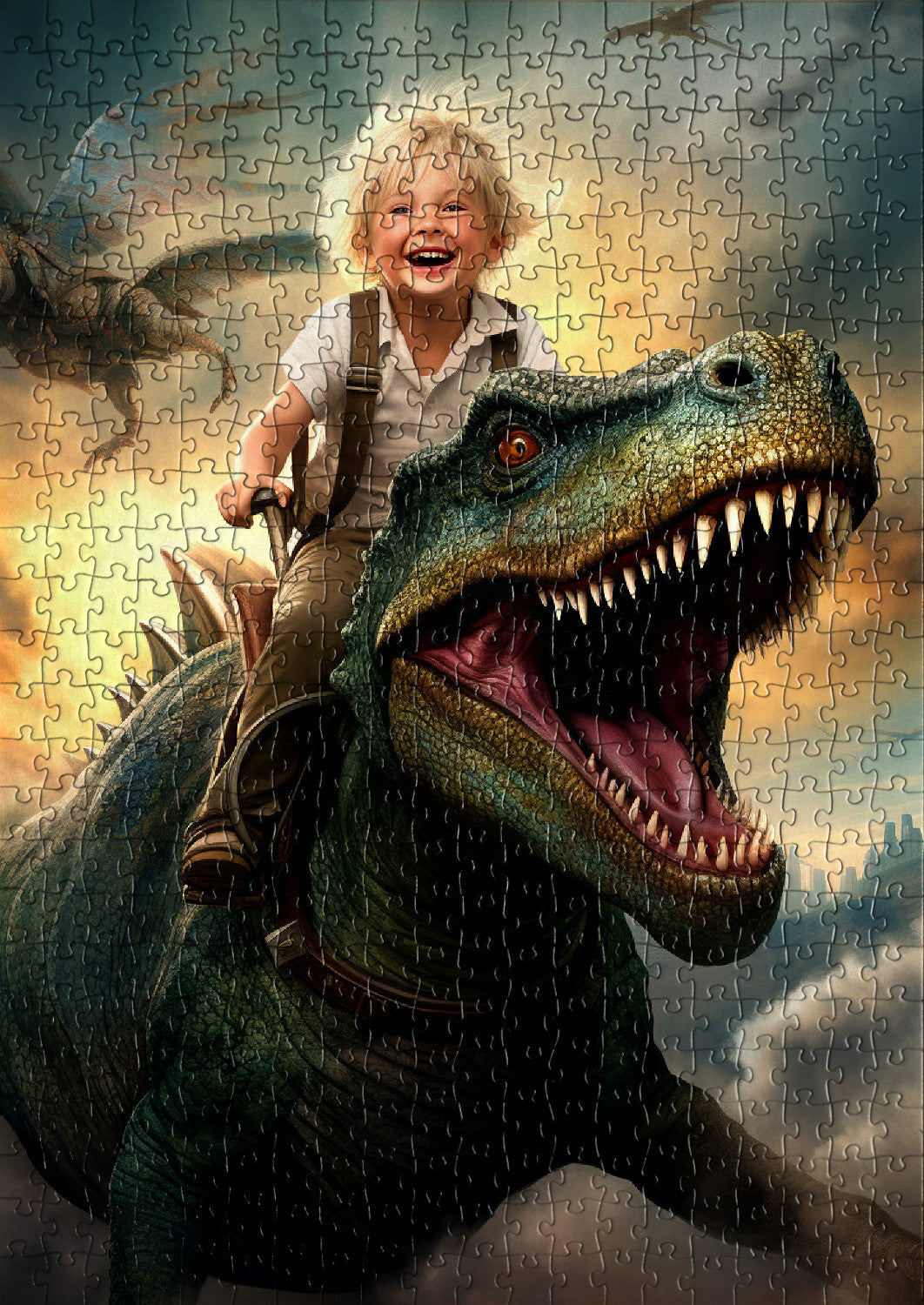
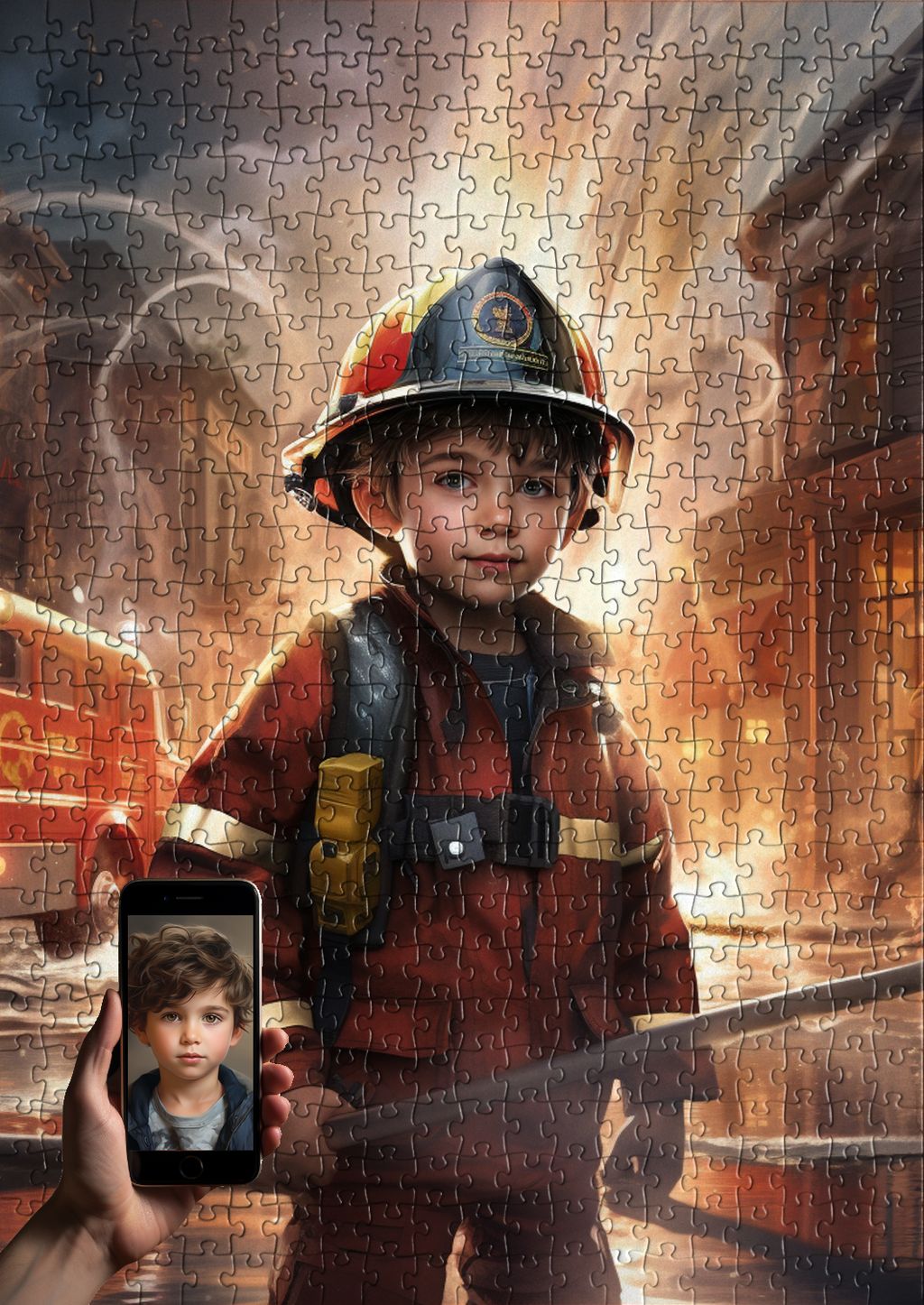
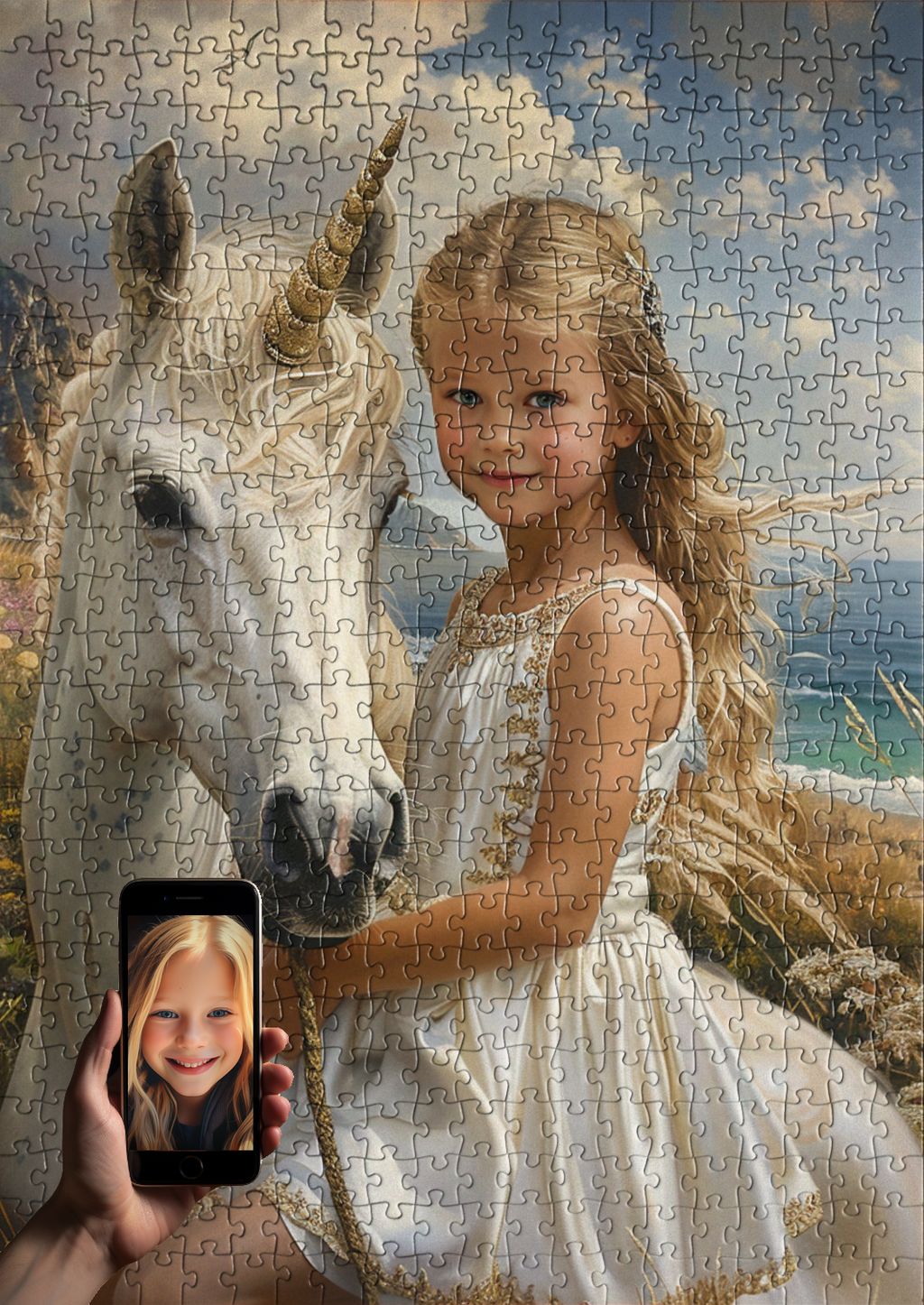
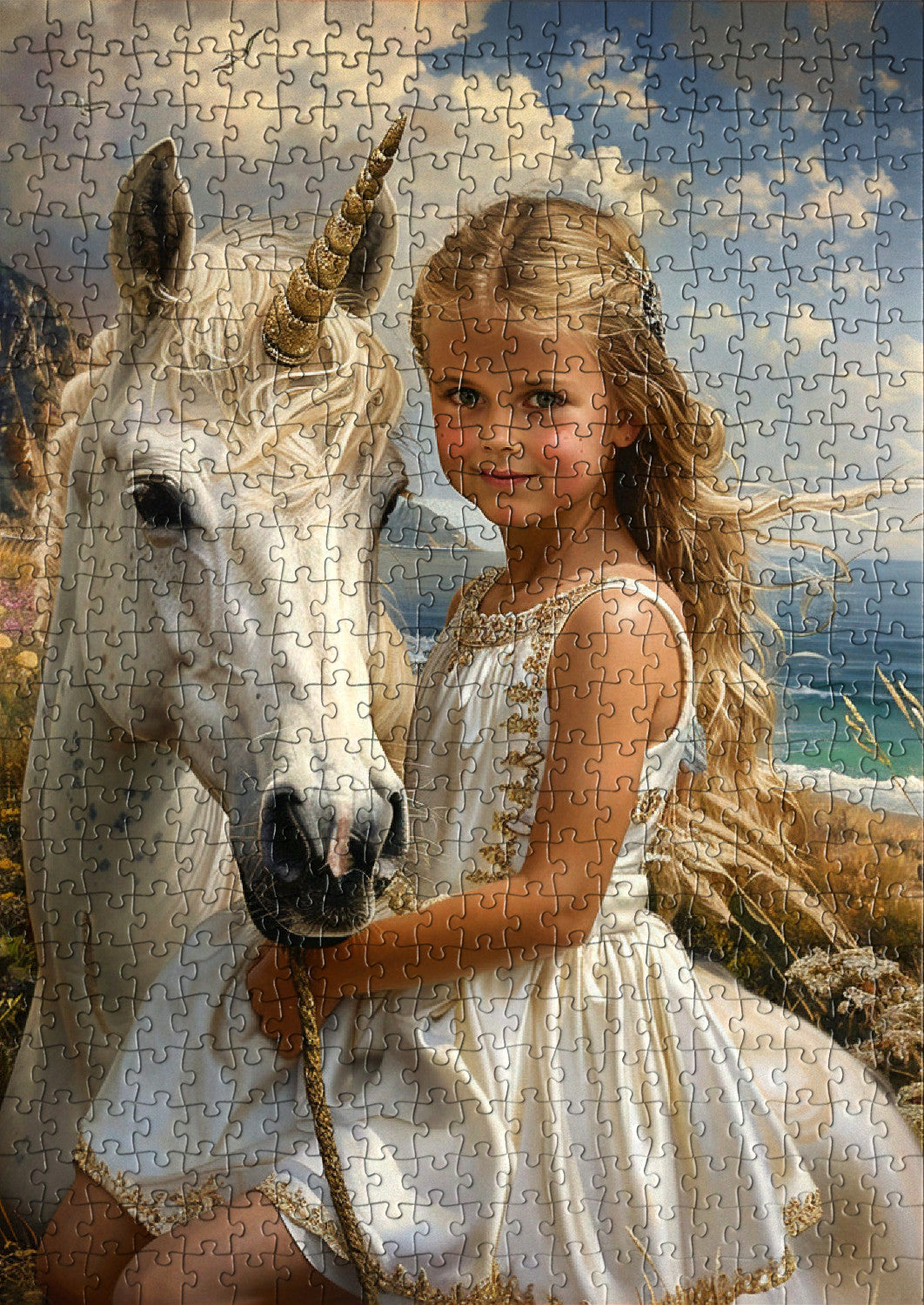
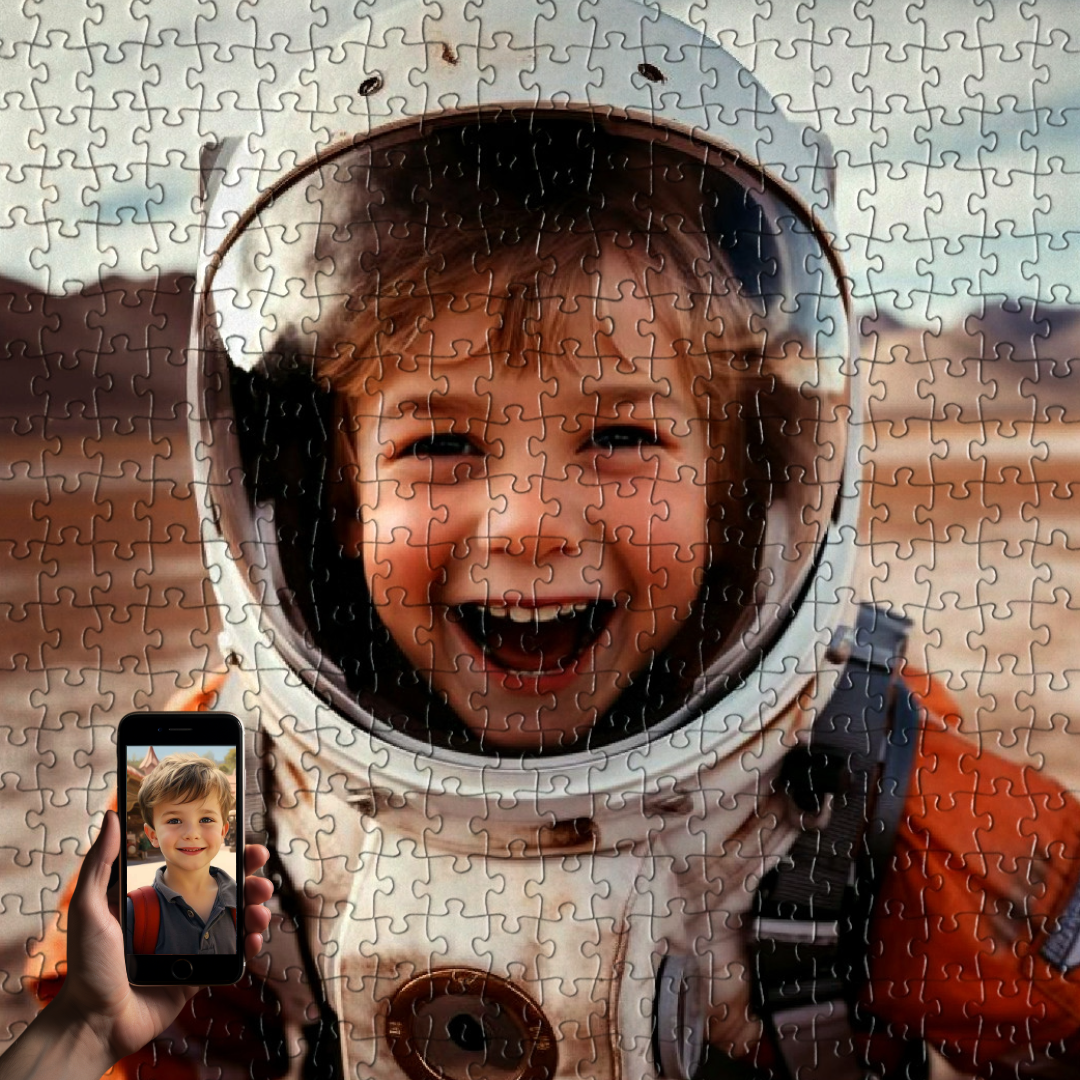
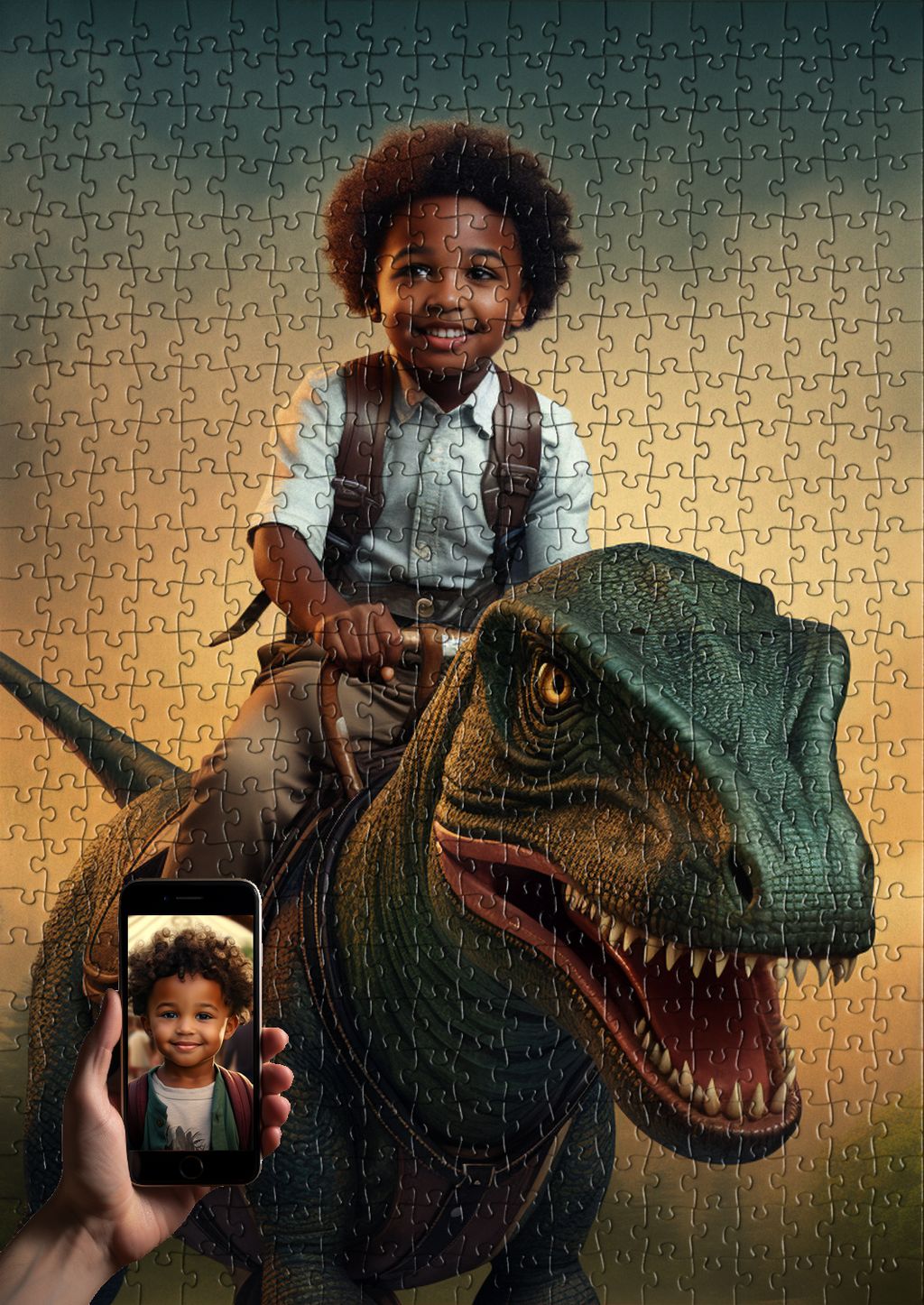
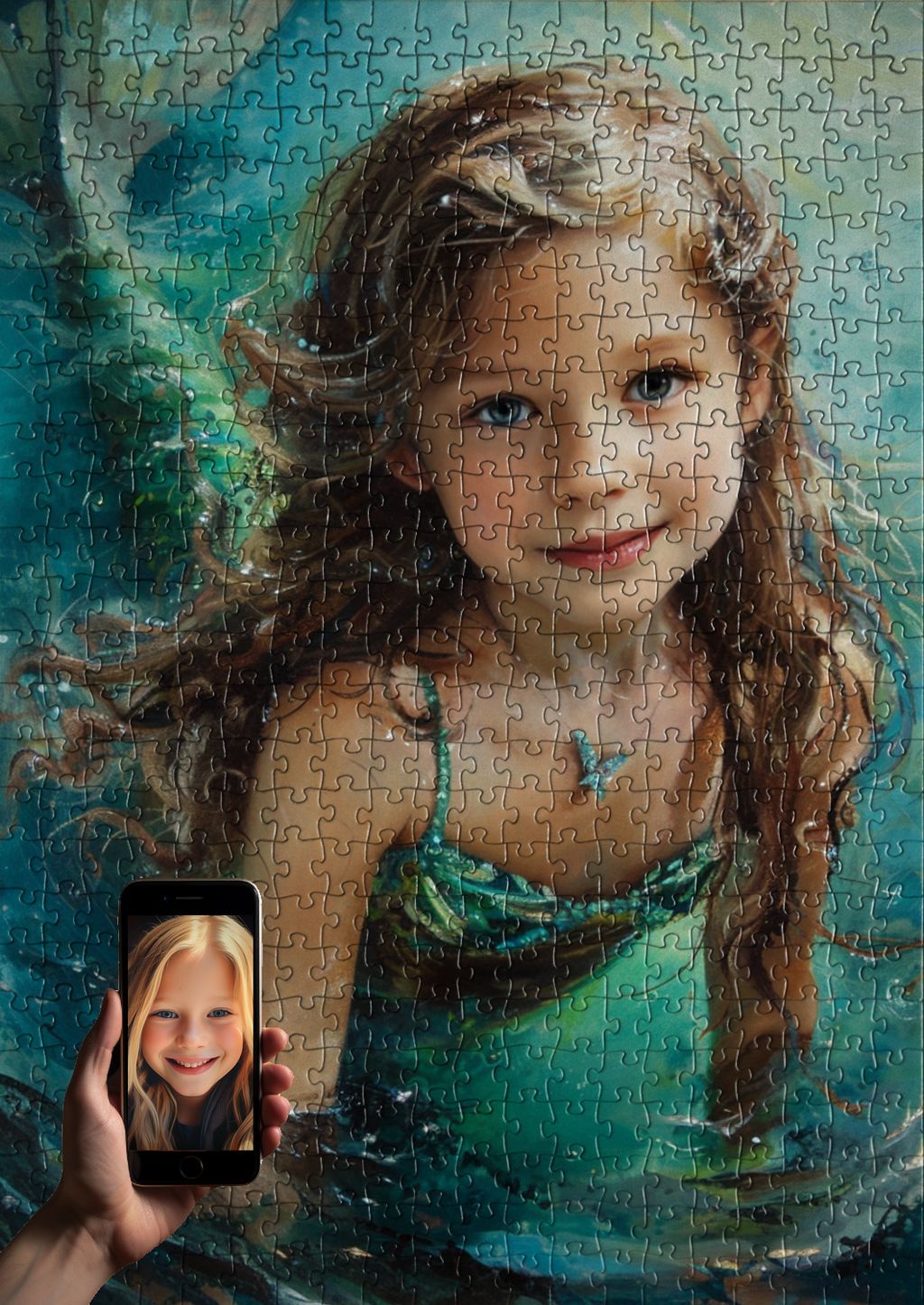
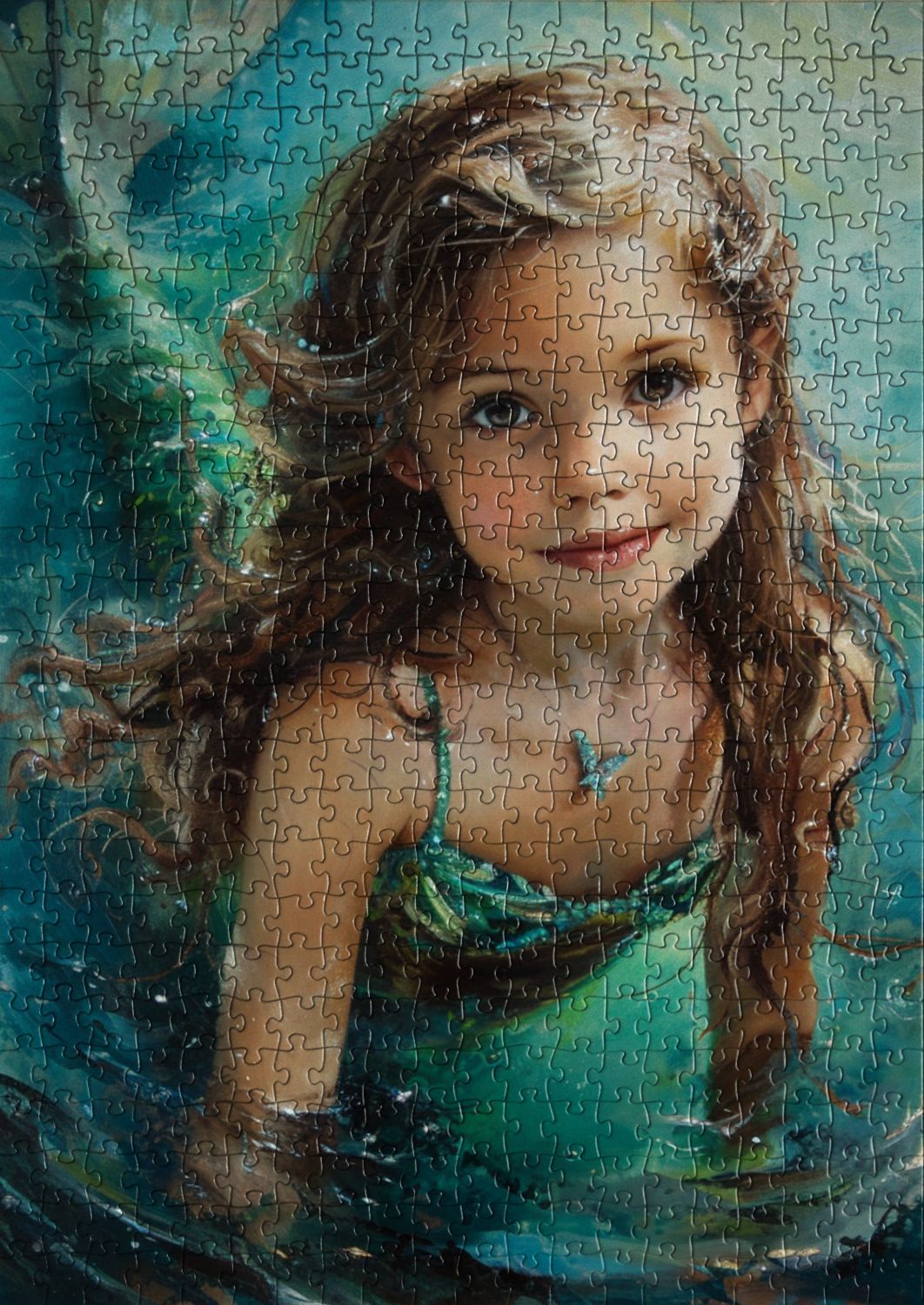
This is exactly where a custom photo puzzle made from one of their own pictures shines. An eight-year-old who would roll their eyes at a generic puzzle will work for days on one made from a photo of their soccer team, their dog, or last summer's holiday. The personal element reframes the activity as something just for them, not a kiddie pastime. If you want a multi-day challenge that lives on the dining table like a real project, the 500-piece version is the right size.
6. Model Building
We are not talking snap-together toddler kits. We mean real plastic model kits: cars, planes, ships, with glue, paint, and instructions that genuinely require reading. Start with a simple kit and proper supervision. The smell of model glue, the tiny brushes, the patience of waiting for paint to dry: these are the textures of a real hobby.
7. Beginner Woodworking
With proper supervision and a few real tools (a small hand saw, sandpaper, a drill used together), an eight-year-old can build a birdhouse, a stool, a small shelf. Many community workshops offer parent-and-child sessions. The thrill of using actual tools, safely and well, builds a kind of confidence that craft kits cannot match.
8. Science Experiment Kits
Crystal growing, simple chemistry, electronics kits, and weather stations all give an eight-year-old the satisfaction of a controlled experiment with a real result. Choose kits labeled for ages 8 and up, not the gentler 5+ versions. The difference in complexity is significant, and your child will feel it.
Projects That Encourage Self-Expression
Eight-year-olds have a rich inner world they are starting to want to put on paper. These activities give them tools to do that without the cringe of being told to "express themselves."
9. Journaling and Bullet Journaling
Hand an eight-year-old a blank notebook, a pack of fine-line pens, washi tape, and a sheet of stickers, and watch what happens. Bullet journaling, with its grids and trackers and lists, appeals especially to kids who like organization. Daily journaling appeals to dreamers. Do not read it unless invited. The privacy is part of the point.
10. Creative Writing and Fan Fiction
Many eight-year-olds are already inventing stories in their heads about their favorite shows, books, and games. Give them permission to write it down. A dedicated story notebook, a typewriter-style app for older kids, or a simple binder for chapters can turn this into a real ongoing project. Some kids will write graphic novels. Some will write fan fiction about Harry Potter or Pokémon. All of it counts.
11. Basic Photo Editing
Pair this with the photography idea above. Free software like GIMP or simple mobile editors let kids crop, adjust color, and play with filters thoughtfully rather than passively. The goal is not Instagram-style perfection but understanding how an image can be shaped. This is screen time with a craft attached, which feels different from scrolling.
Projects That Involve the World
Eight-year-olds are ready to do things that matter beyond their bedroom. These projects connect them to the outdoors, to other people, and to the slow rhythms of the real world.
12. Gardening With Their Own Plot
Not "helping in the garden." Their own plot, with their own choices about what to grow. A square meter is enough. Let them pick the seeds, plan the layout, water on their own schedule, and take the credit when the tomatoes come in. A garden journal documenting growth makes it even better.
13. Complex Board Games
Eight is the age when family game night gets genuinely fun. Settlers of Catan, Ticket to Ride, Codenames Junior, Carcassonne, and Azul all reward strategy without requiring teen-level abstraction. Invite a friend over for a board game afternoon and you've created the kind of social, screen-free hangout that eight-year-olds increasingly want.
14. Personalized Story Puzzles for Quiet Afternoons
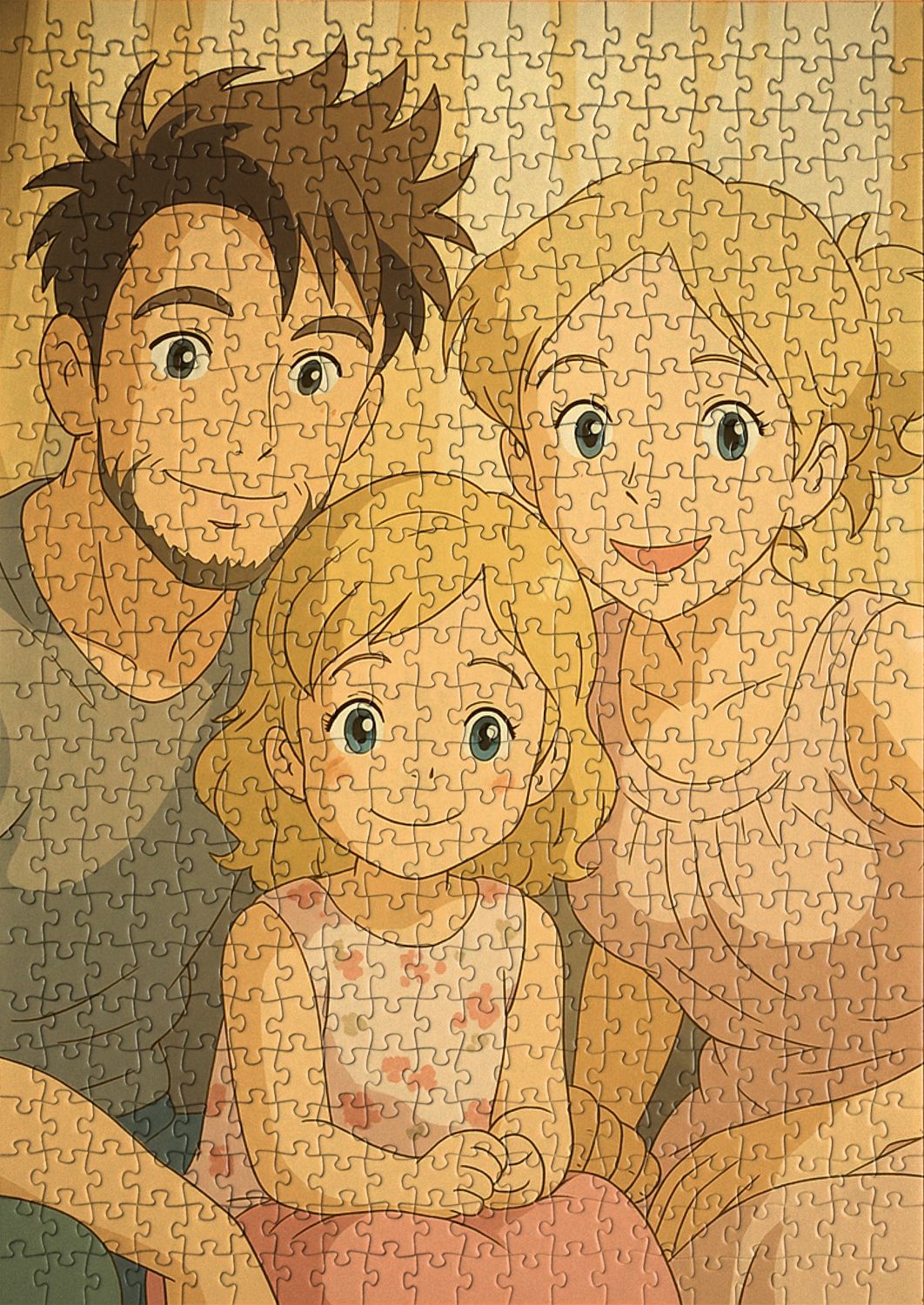
Even kids who claim to be too old for puzzles often soften when the puzzle is unmistakably about them. A one-of-a-kind puzzle designed around their specific interests, whether that's astronomy, manga, or skateboarding, lands differently than a generic image. It is a keepsake as much as an activity, something they will assemble, frame, and remember.
15. Collections and Cataloguing
Rocks, coins, stamps, dried leaves, baseball cards, pressed flowers. The classic childhood collection is making a quiet comeback. Provide a real display case or a proper album. Visit a flea market together. Help them research what they have. This is a project that can last years.
How to Suggest Things Without Triggering a "No"
Now for the harder part. An eight-year-old asserting independence will sometimes reject an idea simply because a parent suggested it. This is normal, healthy, and infuriating. The solution is to stop suggesting so directly.
Leave It Out, Say Nothing
This is often the easiest strategy to try first. Put the puzzle on the table. Leave the camera on the kitchen counter with the strap visible. Stack the new notebook and pens near where they do homework. Then go about your day. Curiosity does the rest. The activity becomes their discovery, not your assignment.
Start It Yourself
Sit down and begin the puzzle alone. Plant a few seeds in the garden without inviting them. Start sketching in the new notebook. Eight-year-olds, even prickly ones, find it almost impossible to resist joining something a parent is quietly enjoying. The key word is quietly. No commentary, no glancing up hopefully.
Suggest It as a Thing to Do With a Friend
"Maya is coming over on Saturday. I bet you two would have fun trying that experiment kit together." Framing an activity as social, especially with a chosen friend, sidesteps the "this is something my parent wants me to do" reflex entirely.
Let Them Customize Everything
Give them ownership of the choices: which puzzle image, which recipe, which seeds, which camera strap color. Eight-year-olds want to be the decision-maker. The more they choose, the more invested they become.
- Resist the urge to praise too much at the start. Let the activity speak for itself.
- Don't ask "how is it going?" every five minutes. Trust the process.
- When they abandon something, leave it accessible for a few weeks before quietly putting it away.
- Celebrate finished projects with something real: a display spot, a photo, a meal in honor of the achievement.
Frequently Asked Questions
How long should an eight-year-old be able to focus on one project?
It varies, but most eight-year-olds can sustain focused attention on a project they chose for 30 to 60 minutes, with the ability to return to a multi-day project across a week or more. Resist comparing to the marathon focus you might see when they're on a screen, which is a different kind of attention altogether.
What if my child only wants to play video games?
This is incredibly common and rarely solved by direct confrontation. The most reliable path is to make the alternatives genuinely appealing, available without asking, and social whenever possible. Set clear screen limits, but also make sure the off-screen world is stocked with real projects, not just chores and homework. Boredom, briefly tolerated, often does the rest.
Are these activities safe to do without constant supervision?
Most are. Cooking, woodworking, and certain science experiments require active supervision. Puzzles, journaling, gardening, board games, and photography can largely be done independently once a child knows the basics. Part of respecting an eight-year-old is stepping back when it's safe to.
My child says puzzles are "for babies." Is there any way back in?
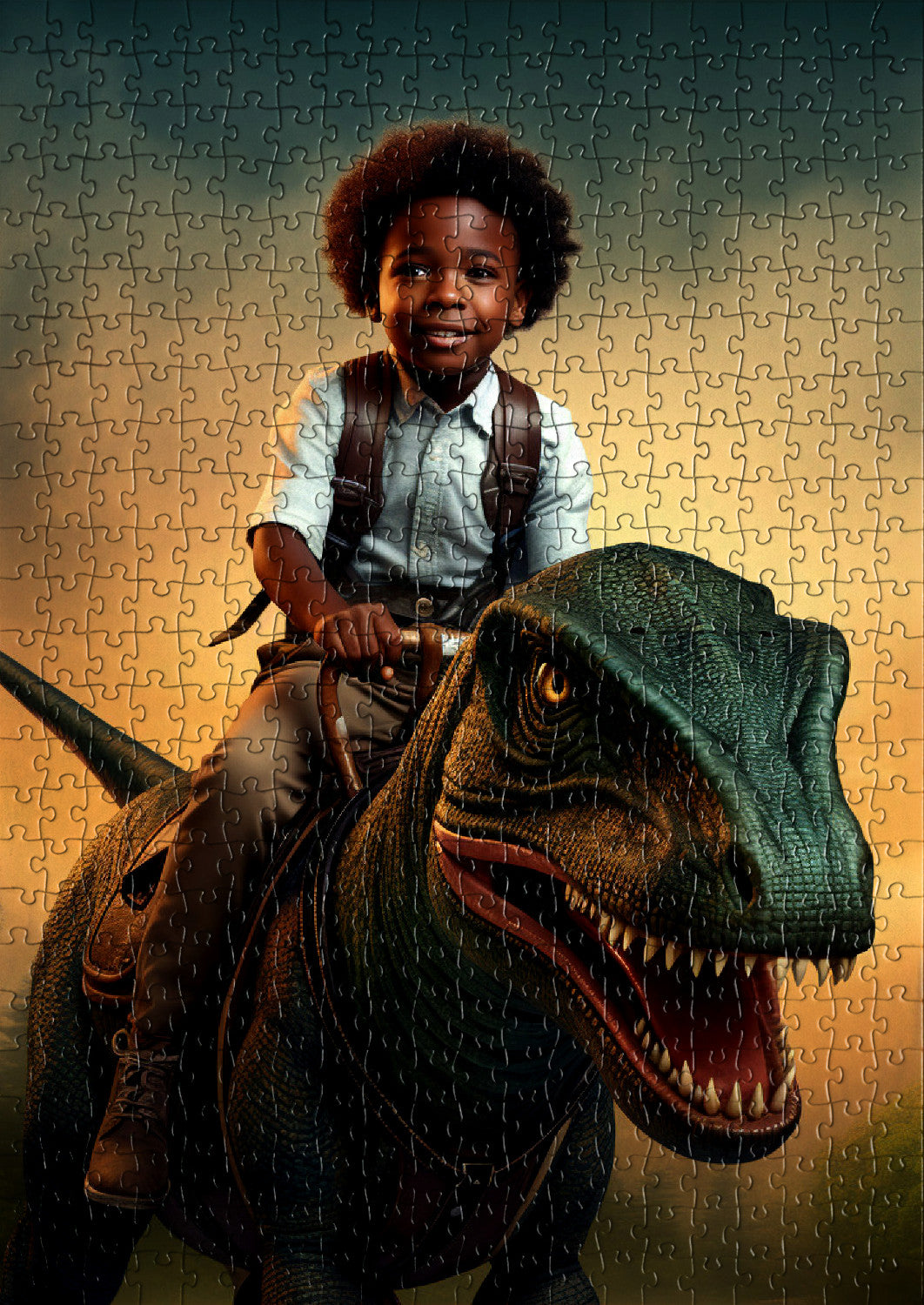
Yes, and it's almost always about scale and personalization. A 24-piece puzzle is for babies in their mind. A 500-piece puzzle made from a photo of their own face on a dinosaur, or their pet, is not. Match the complexity to their actual ability and connect the image to their identity, and you'll usually find the door is still open.
How do I handle it when they get frustrated and quit a project?
Quitting is part of learning what suits them. Don't push them to finish every project, but don't let them ditch supplies on the floor either. The rule can be simple: if you start something, you put it away, even if you're not coming back to it. Some projects need a week's rest before they call again.
The years between seven and ten are quieter than they look. Your child is figuring out what kind of person they want to be, what they're good at, what feels meaningful. The projects you make available, the materials you leave within reach, the patience you offer when they reject your first idea and circle back to it three weeks later, all of it shapes what they discover about themselves. Choose things that take them seriously, and they will rise to meet them.




Share and get 15% off!
Simply share this product on one of the following social networks and you will unlock 15% off!