
Something shifts around age seven. The same child who once happily lined up wooden blocks for twenty minutes suddenly wants to know how the blender works, why bridges don't fall down, and whether they can please, please learn to use the glue gun by themselves. Seven-year-olds are crossing a threshold. They read on their own (or close to it), they can follow a recipe, they can lose themselves in a project across multiple afternoons, and they are exquisitely sensitive to anything that feels designed for "little kids." If you suggest an activity that worked beautifully at age four, you may get an eye roll worthy of a teenager.
This is the point in our screen-free series where the playbook has to change. The toddler and preschool years were about sensory richness, simple cause and effect, and parallel play. Seven is about mastery, peers, and visible progress. Children this age want to make real things, solve real problems, and be trusted with real tools. They also have the attention span to invest in something for an hour, put it away, and come back tomorrow. That single developmental shift opens up an entire category of activities that simply weren't possible a year or two ago.
At the same time, seven is still a wonderfully playful age. Role-play hasn't disappeared, it has just gotten more elaborate. Imaginary worlds now come with rules, currencies, and backstories. Pretend kitchens have become full-on restaurants with menus and reservations. Knowing how to feed both sides of this child, the budding engineer and the kid who still loves to be a pirate, is the trick to filling weekends and long afternoons without reaching for the tablet.
Below you'll find fifteen screen-free activities calibrated specifically for seven-year-olds, organized by category. They mix quick wins for a single rainy afternoon with slow-burn projects that can occupy a week. We've also included guidance on when to bring in siblings, how to rotate activities so nothing gets stale, and how to balance structured invitations with the unstructured boredom that, frankly, is the soil where the best play grows.
What seven-year-olds actually want from an activity
Before listing activities, it helps to name what's changed. Most seven-year-olds will engage enthusiastically with something that offers:
- Mastery: a real skill they can get better at, not just a task they complete.
- Visible progress: a finished object, a filled page, a track that grows longer.
- Peer involvement: a friend, a cousin, a sibling close in age.
- Real-world relevance: tools that adults use, materials that feel grown-up.
- Choice and ownership: deciding the topic, the colors, the rules.
And here is what reliably falls flat: anything overly repetitive, anything that feels patronizing, anything where the outcome is predetermined, and anything that an older sibling has visibly outgrown. With that compass in hand, the list below makes a lot more sense.
STEM and building: feeding the "how does it work?" mind
Seven is prime time for systems thinking. Children start to grasp that small inputs produce predictable outputs, which makes engineering toys genuinely satisfying rather than just frustrating.
1. Snap Circuits and beginner electronics
Snap-together circuit kits let a seven-year-old build a working fan, alarm, or light without soldering or stripped wires. The instruction booklet acts as a control of error: if the propeller doesn't spin, something is wrong in the loop. That cause-and-effect loop is enormously motivating. Look for kits with at least 100 projects so the novelty stretches across months.
2. Marble runs that grow over weeks
A modular marble run is one of the few toys that genuinely scales with a child's ambition. At seven, kids start designing rather than just assembling: adding loops, testing whether the marble has enough speed, troubleshooting jams. Leave the run out on a low table or a piece of plywood so the project can evolve over several days.
3. Beginner robotics and coding toys
Screen-free coding robots (the kind programmed with physical buttons or punch cards rather than a tablet) introduce sequencing, debugging, and logical thinking. Seven-year-olds who would balk at a "learning game" will happily spend an hour getting a small robot to navigate a homemade obstacle course.
Long-form projects: the patience your child didn't have last year
This is the category that genuinely couldn't exist at age four or five. Multi-session projects reward planning, persistence, and the willingness to leave something half-finished and trust that it will still be there tomorrow.
4. Larger puzzles (110 to 252 pieces)
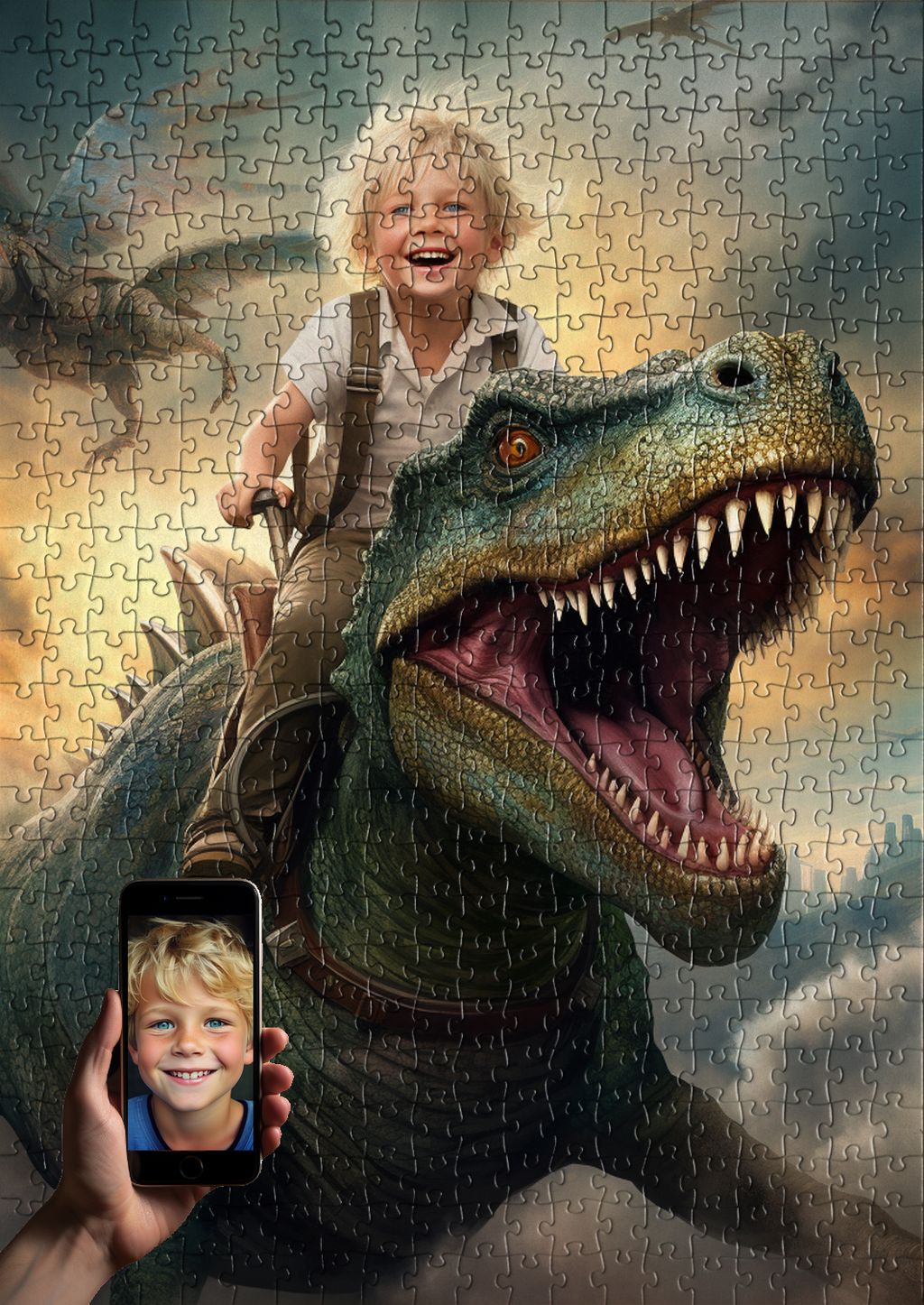
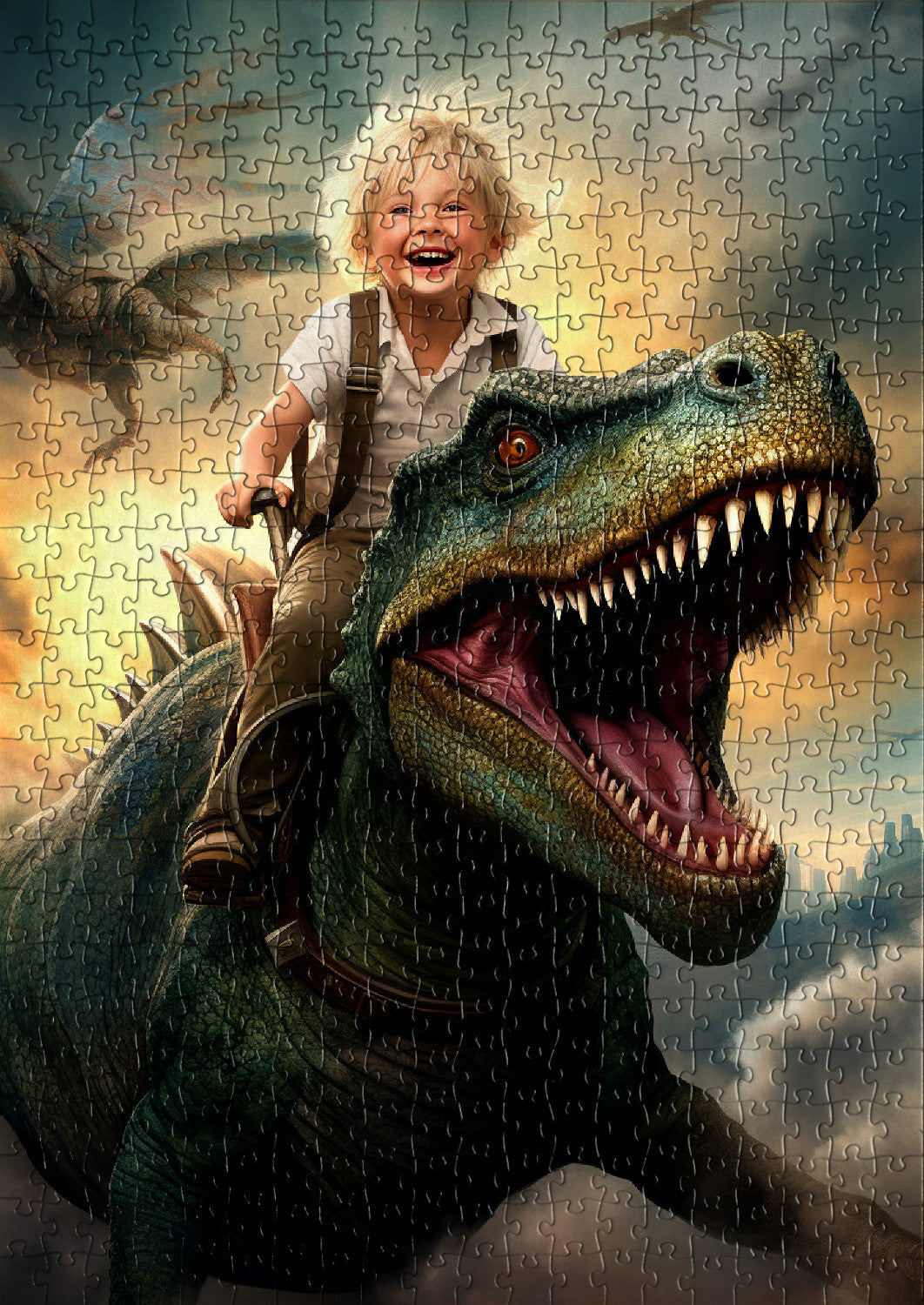
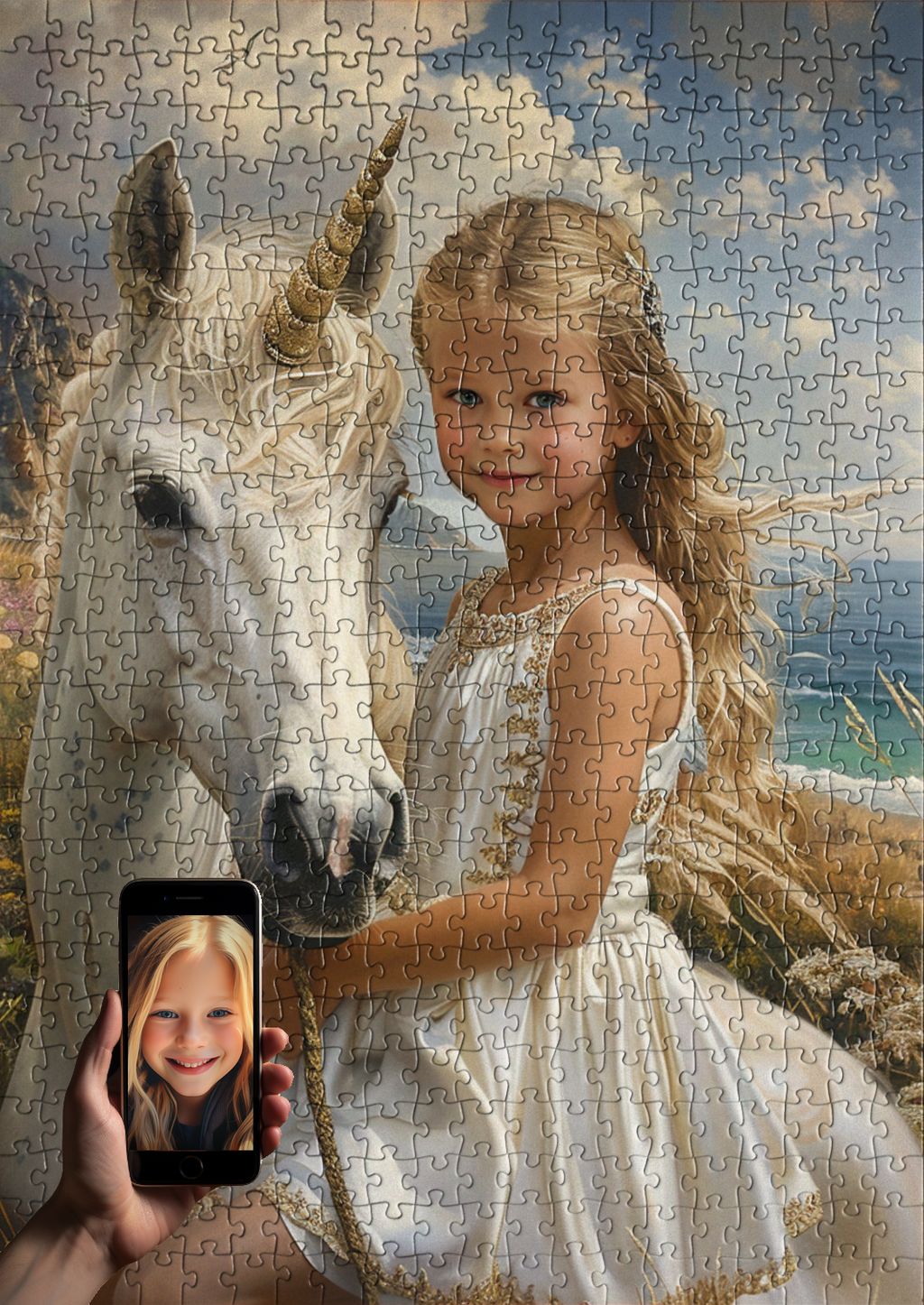
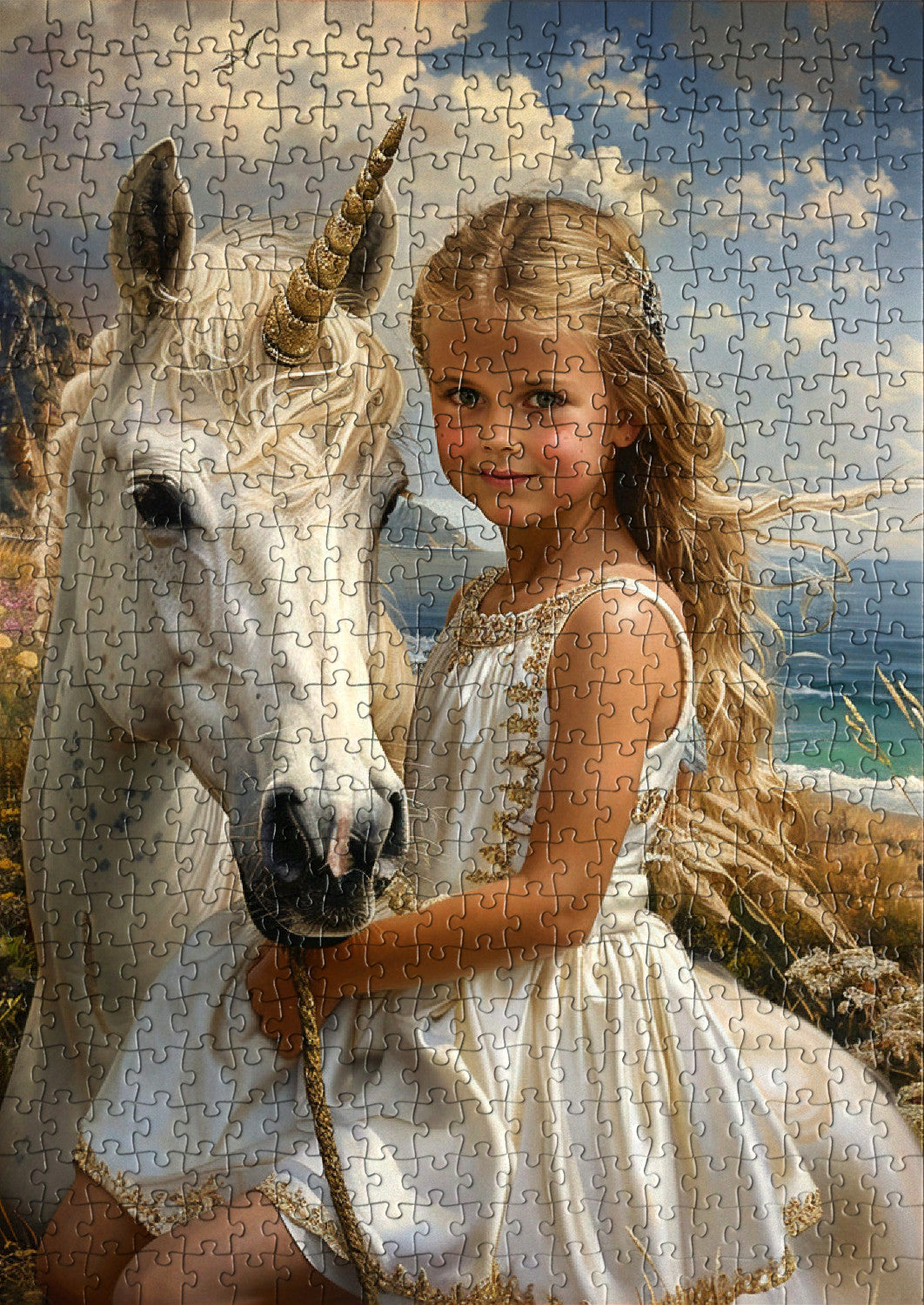
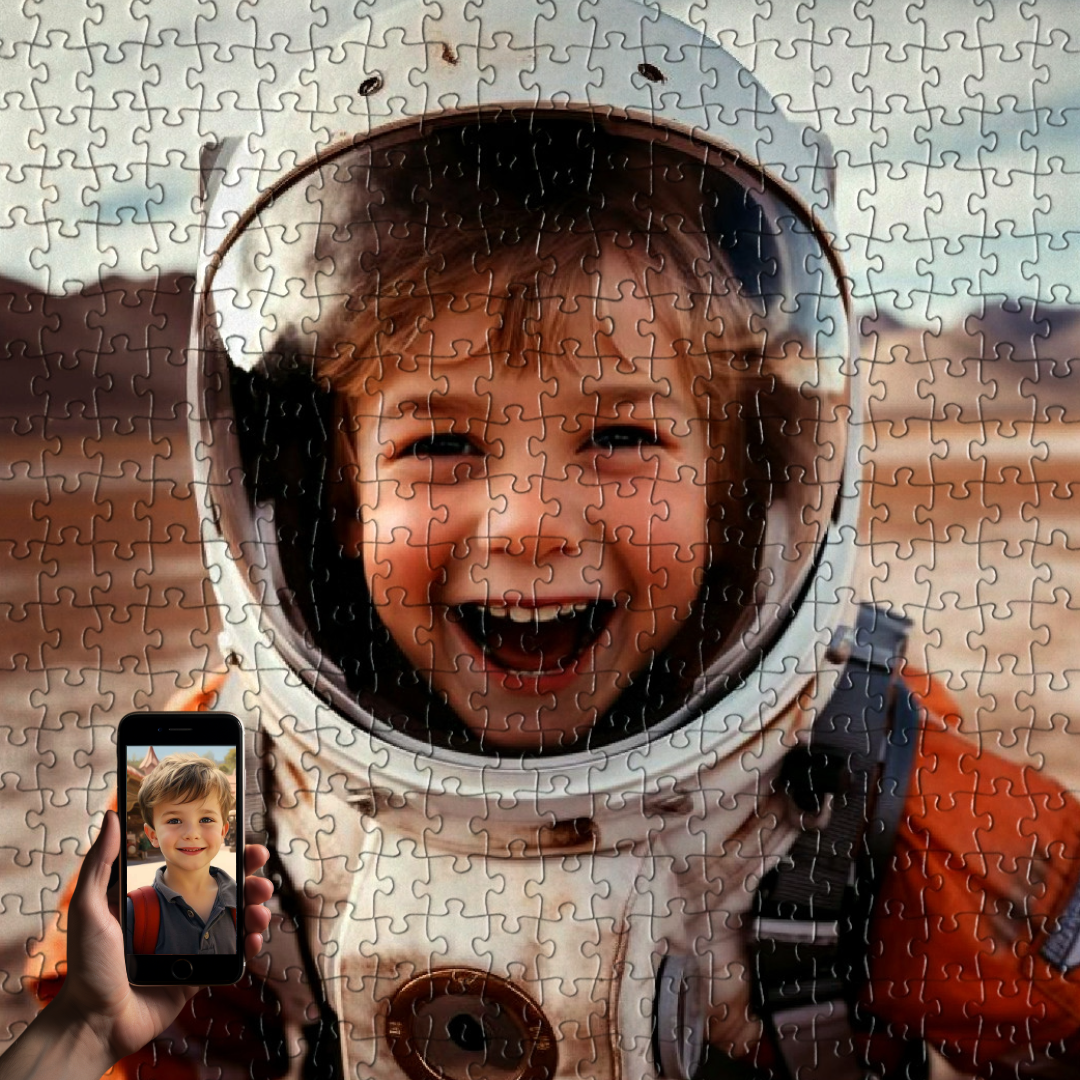
Around seven, children are ready to graduate from the chunky 48-piece puzzles of preschool into something that takes real strategy: sorting edges, grouping by color, working in sections. A 150 or 200-piece puzzle spread on a card table can become a quiet family ritual over a weekend. For maximum buy-in, choose imagery that reflects your child's current obsession, whether that's space, sports, mythical creatures, or a personal photo. Our First girl on the moon puzzle is a favorite with children fascinated by astronauts, and a custom photo puzzle made from a family vacation snapshot turns the whole project into a memory ritual. If you want to be more guided in picking the right size and image, our 7-year-old puzzle guide goes deeper into the cognitive sweet spot for this age.
5. Model building
Snap-fit model kits (cars, planes, dinosaurs, simple architecture) give a seven-year-old the satisfaction of following instructions to produce a real, displayable object. Avoid models that require glue or painting unless you want it to be a joint project with an adult, which can actually be wonderful.
6. Beginner woodwork with adult supervision
A small hammer, a handful of nails, a soft scrap of pine, and a willing grown-up. That's enough to make a birdhouse, a tiny stool, or a name sign for the bedroom door. Real tools, real wood, real splinters. Few activities make a seven-year-old feel as competent. Start with hammering nails into a stump before progressing to anything that requires precision.
Creative arts: room for real skill, not just craft
The construction-paper-and-glitter projects of preschool start to feel insulting around now. Seven-year-olds want their art to actually look like something, and they want supplies that behave like the ones grown-ups use.
7. Comic-making with templates
Print blank comic templates (six or nine panels per page) and let your child plot a story. The frame structure makes the task feel manageable, while the freedom inside each panel is total. Many seven-year-olds will produce a multi-page graphic novel over a weekend without a single prompt from you.
8. Sewing simple shapes by hand
A blunt embroidery needle, embroidery floss, and felt squares are enough to make pouches, finger puppets, or stuffed shapes. Hand-sewing builds bilateral coordination and fine motor strength, and the resulting object is a real, usable thing. The fact that it involves a needle, something they were not allowed near a year ago, only adds to the appeal.
9. Watercolor painting with proper supplies
The difference between a starter watercolor set and a decent intermediate one is enormous, and seven-year-olds can absolutely tell. Real watercolor paper, a small set of pan pigments, and two or three brushes of different sizes will produce results that genuinely please them. Keep instruction light: a quick lesson on wet-on-wet versus wet-on-dry is enough to spark hours of experimenting.
Outdoor exploration: where curiosity meets the real world
Outside time at this age is less about gross-motor burn-off and more about discovery. Seven-year-olds are noticing things: how puddles dry, where ants live, why the trail is muddier in one spot.
10. Geocaching as a family
Geocaching turns a routine walk into a treasure hunt. A parent handles the GPS app, but the child does the searching, the decoding of clues, and the trading of trinkets. It's screen-adjacent rather than screen-free in the strictest sense, but the experience is entirely physical, social, and outdoors.
11. Bug hunting with a real magnifier
Hand a seven-year-old a quality magnifying glass and a small specimen jar with a ventilated lid and watch what happens. The investment in "real" equipment, not a plastic toy version, is what makes this feel serious rather than babyish. Pair with a beginner field guide to local insects and you have a project that can run all summer.
12. Nature journaling
A small sketchbook, a pencil, and a few colored pencils. The instruction is simple: draw three things you find on today's walk and write one sentence about each. Done weekly, a nature journal becomes a treasured record. Done occasionally, it still slows a child down and trains them to look closely.
13. Bike trail riding
By seven, most children are confidently riding two wheels and are ready for longer outings on rail trails or quiet paths. Pack a snack, choose a destination (an ice cream shop, a pond, a playground a few miles away), and turn the ride into an expedition. The combination of physical effort, navigation, and a payoff at the end is deeply satisfying.
Social play: peers and family at the table
Around seven, board games stop being a parent-led activity and start being something children actively request. Their grasp of rules, turn-taking, and strategy is finally up to the task.
14. Family games that actually have strategy
Skip anything purely luck-based. Seven-year-olds want to feel that their choices matter. A few that consistently land well:
- Catan Junior: simplified resource trading with real strategic decisions.
- Sushi Go!: quick card-drafting, easy to learn, replayable forever.
- Ticket to Ride: First Journey: route-building on a kid-sized map.
- Rhino Hero: dexterity-based tower building that mixes physical skill with planning.
Game night doesn't have to be a big production. A single round of Sushi Go takes ten minutes and turns the end of dinner into something to look forward to.
15. Role-play that has grown up with them
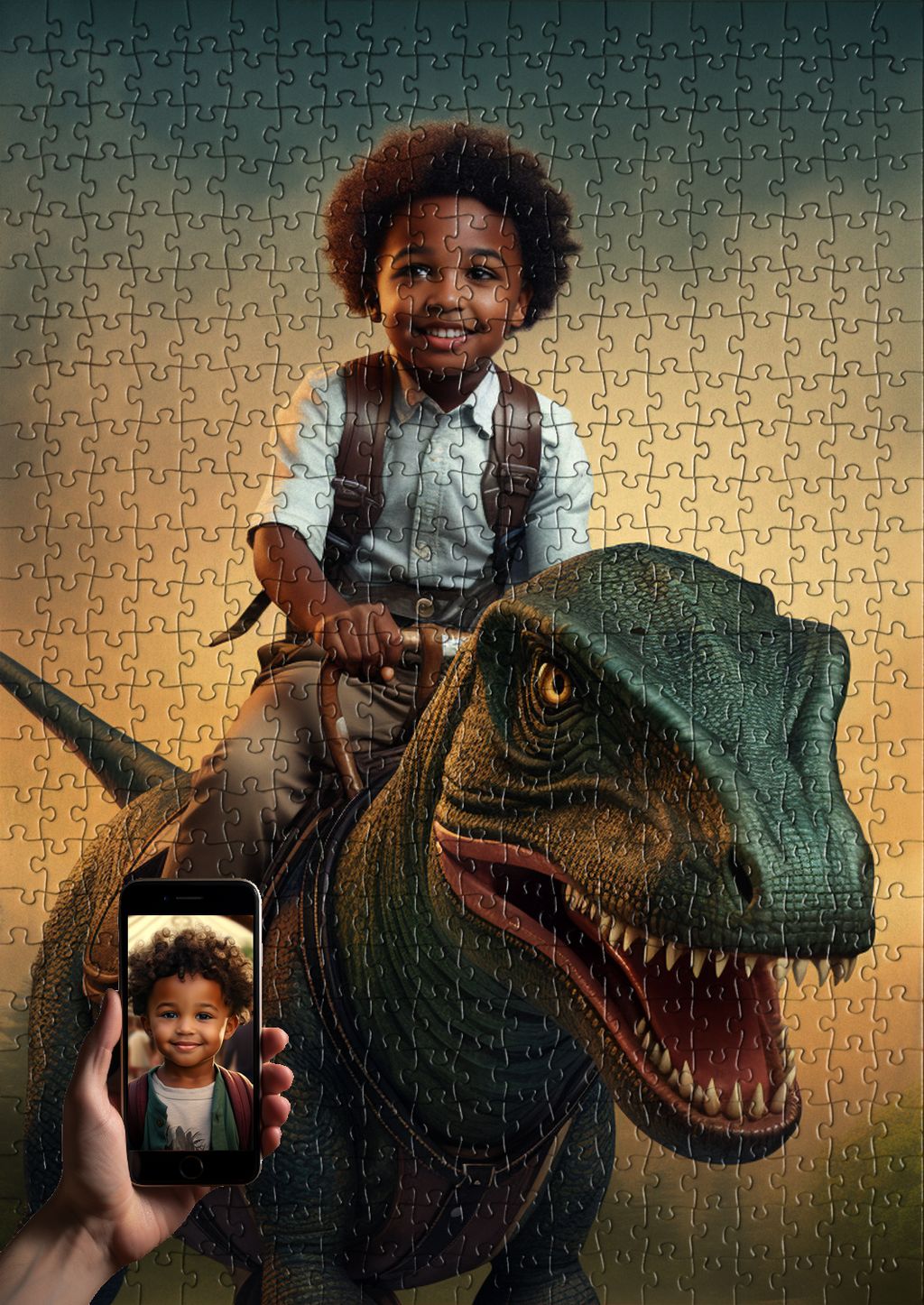
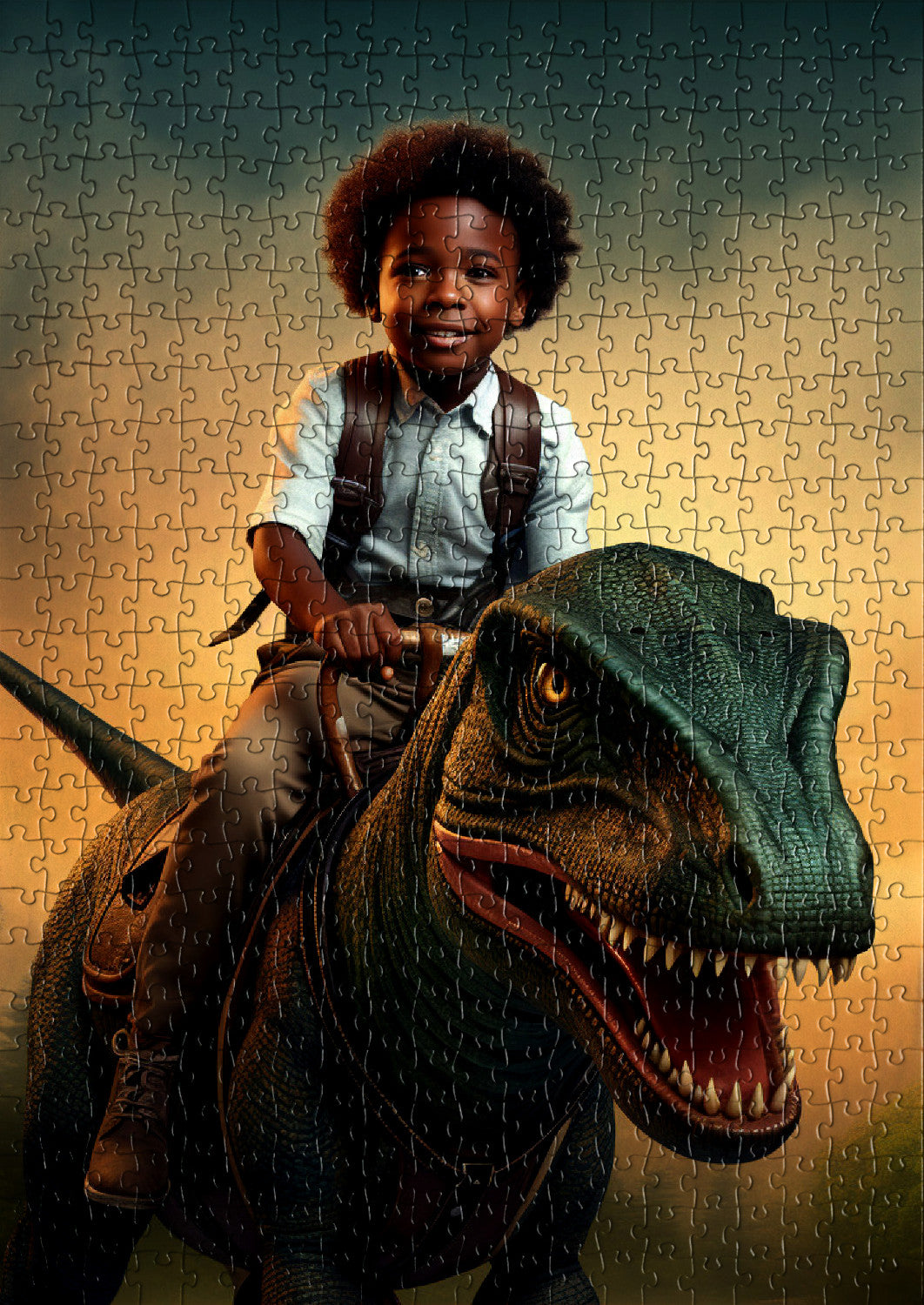
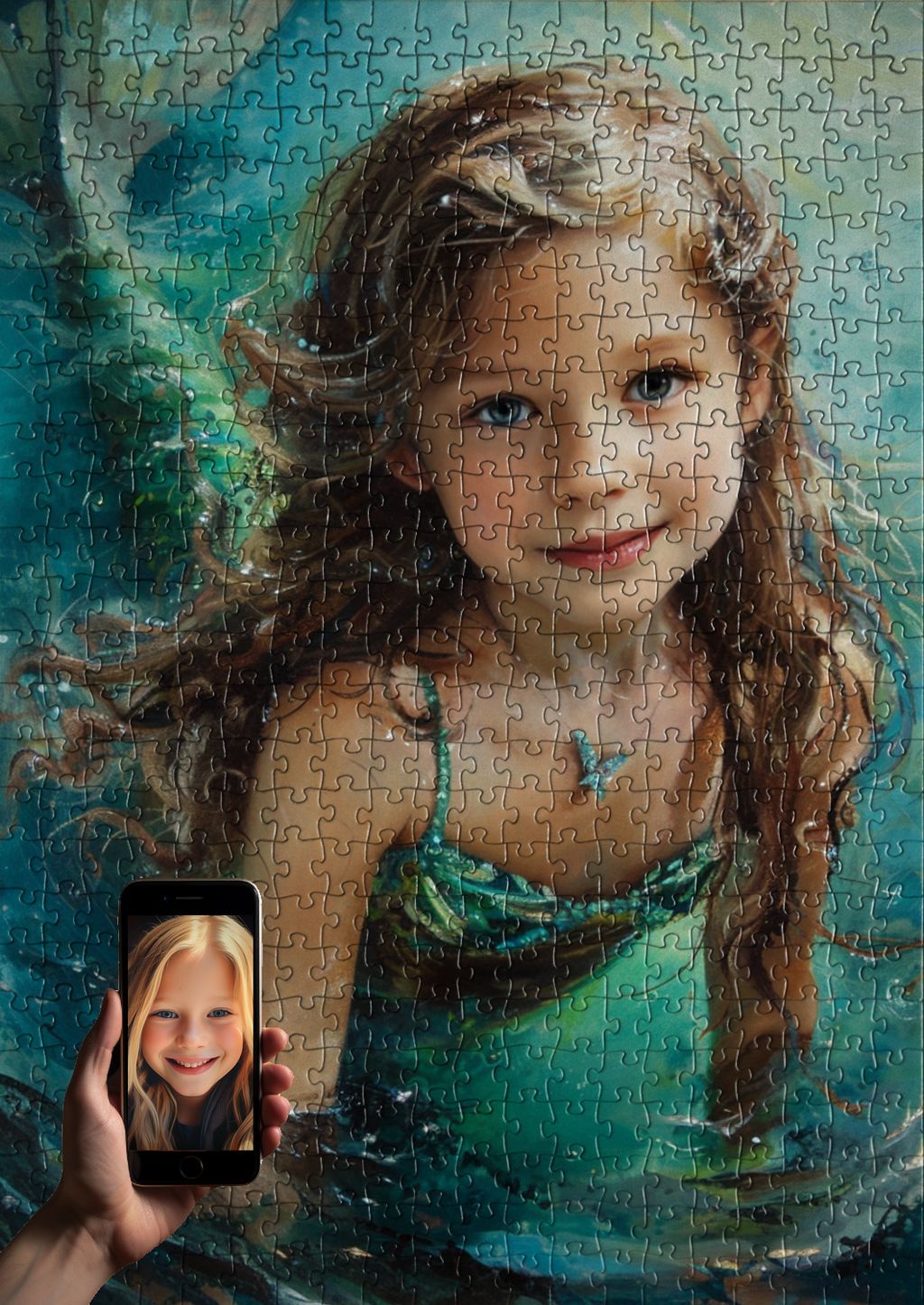
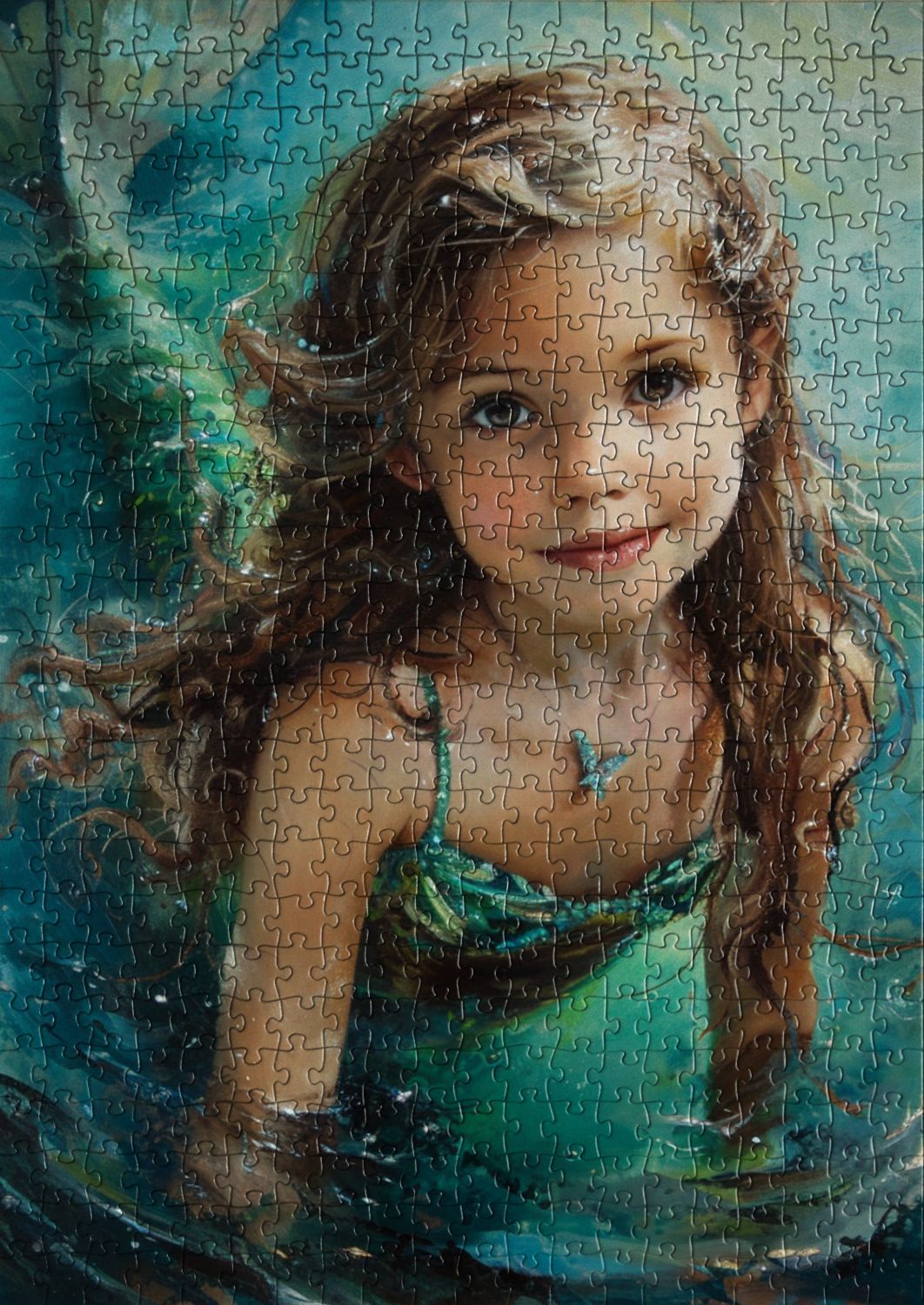
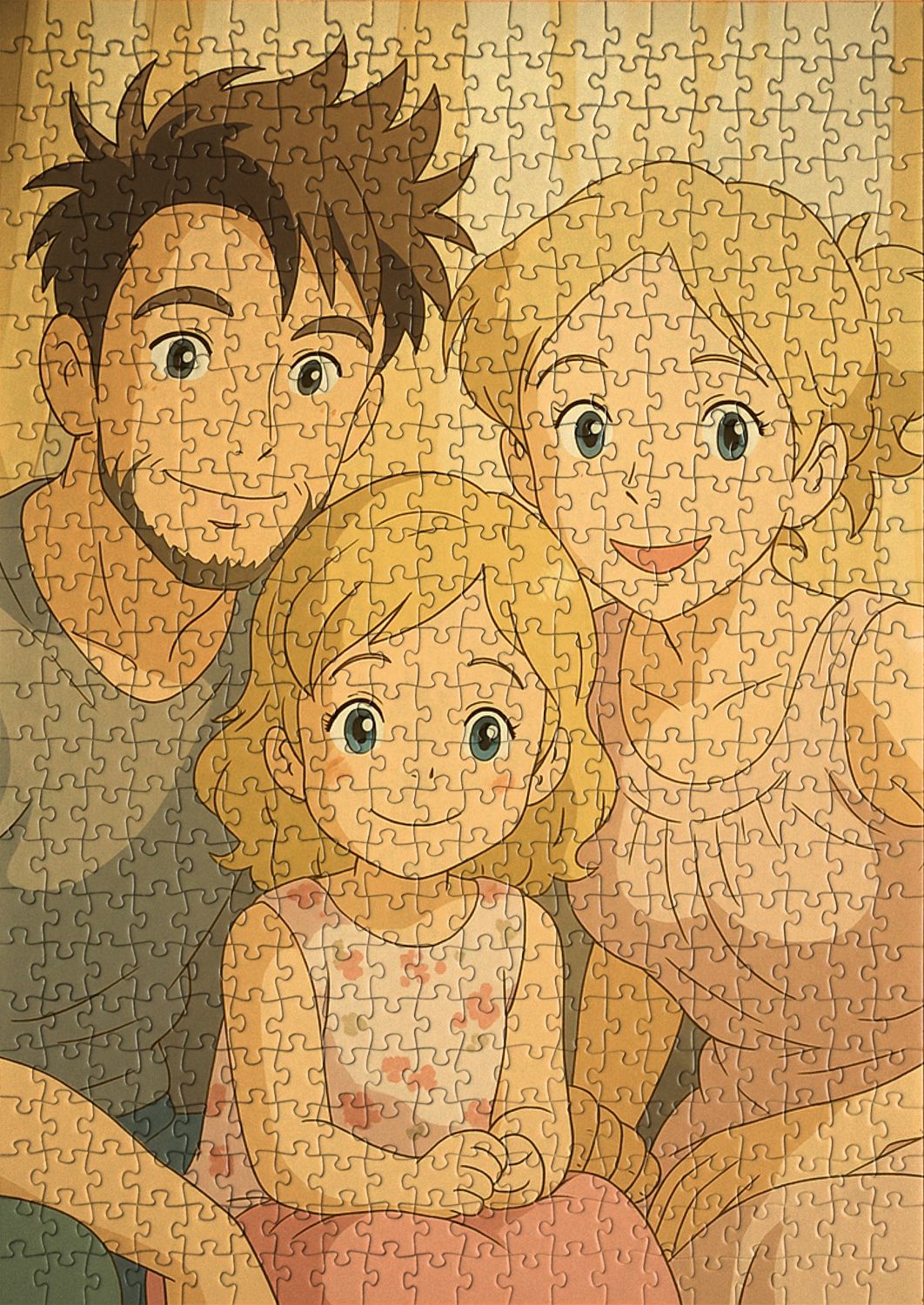
Role-play is alive and well at seven, it just looks different. Instead of "let's pretend to be a family," it's "let's run a restaurant" or "we're scientists studying a new planet." Provide loose props (a clipboard, a chef's hat, an old white shirt as a lab coat) and step back. If a friend is over, the play will sustain itself for hours. The personalised puzzles in our catalogue, like Young sea adventurer or Superhero girl, often spark this kind of extended pretend play because the child sees themselves cast in the role.
Practical tips for keeping things fresh
Rotate, don't accumulate
The fastest way to kill a seven-year-old's interest in an activity is to leave it out indefinitely. Try a three-bin rotation: one bin out and accessible, two bins stored. Swap every two or three weeks. A toy that has been "away" for a month feels new again.
Know when to invite siblings, and when to protect solo time
Long-form projects (puzzles, models, sewing, comics) usually benefit from solo or one-on-one-with-an-adult time, because a younger sibling can derail the focus. Games, role-play, and outdoor activities usually improve with more bodies. If you have a four-year-old in the house, set up a parallel activity for them while the seven-year-old works on something more demanding. The older child's sense of being trusted with a "big kid" project is part of the magic.
Balance structured invitations with genuine boredom
You don't need to fill every hour. Some of the most creative play happens in the unstructured space after a child has complained for ten minutes that there's nothing to do. Resist the urge to rescue them. The activities on this list are tools to have ready, not a schedule to enforce.
Match the activity to the energy in the room
A rainy Saturday morning after a good night's sleep is a perfect moment to start a 200-piece puzzle. A grumpy late afternoon before dinner is not. For low-energy windows, lean on watercolor, sewing, or a quick card game. Save the ambitious projects for when everyone is fresh.
Frequently asked questions
How long should a seven-year-old be able to focus on one activity?
Most seven-year-olds can sustain genuine focus on something they care about for 30 to 60 minutes, and some will go much longer on a project they have chosen themselves. Don't be alarmed by shorter bursts on activities they didn't pick. Engagement is the variable to watch, not raw minutes.
My seven-year-old says puzzles are "boring." What am I doing wrong?
Almost always, the puzzle is either too easy (still in the 24 to 60-piece range from earlier years) or the image doesn't resonate. Jump up to 100 or 150 pieces and choose an image tied to a current interest. A puzzle made from a personal photo, or one featuring a theme they love, almost always re-ignites the appeal. Our 7-year-old gift guide has more ideas in this vein.
Is it really okay to let my child use real tools at this age?
Yes, with appropriate supervision and the right starter tools. A child-sized hammer, a hand drill (not a power drill), blunt sewing needles, and a butter knife for kitchen work are all reasonable at seven. Real tools handled with respect actually produce safer behavior than toy tools used carelessly.
How do I get my child to do these activities without me sitting there the whole time?
Start the activity together for the first ten or fifteen minutes, then quietly fade. Most seven-year-olds need a runway, not constant company. Setting up the materials, doing the first piece, asking one or two questions about their plan, and then drifting away to fold laundry nearby is usually the right pattern.
What about friends? How often should peer playdates be part of the screen-free mix?
If your child's schedule allows, one or two unstructured playdates a week is a sweet spot at this age. Peer play is developmentally essential right now, and it also gives you a break. Provide a basket of loose-parts materials (LEGO, art supplies, costumes) and step out of the way.
Seven is a generous age. The window in which a child is old enough to genuinely build, paint, sew, and strategize, while still young enough to want to do all of it alongside you, is shorter than it feels. The activities that fill these afternoons aren't really about avoiding screens. They're about giving your child the chance to discover what they're capable of, and to feel you noticing. Whether that's a slowly assembled puzzle on the dining room table, a wonky birdhouse on the windowsill, or a comic book they read aloud after dinner, those are the small artifacts that a childhood actually gets built from.





Share and get 15% off!
Simply share this product on one of the following social networks and you will unlock 15% off!