
Your nine-year-old comes home talking about V-Bucks, Robux, a new skin they "need," and a friend who got banned from a game you've never heard of. You nod along, half understanding, and later that night you find yourself googling whether Roblox is safe, whether Fortnite is rated for kids, and whether Minecraft is actually the "good" one or just the one that looks more wholesome. If this sounds familiar, you are not alone, and you are not behind. Most parents of 6 to 12 year olds are making rules about games they have never played, on platforms whose business models they have never had reason to study.
This guide is for you. Not the parent who wants to ban screens forever, and not the parent who has decided to let it all go. The parent in the middle. The one who senses that something about these games is engineered to keep their child coming back, but also notices that those same games are where their child's friendships now live. Both of those instincts are correct, and any useful advice has to hold them at the same time.
We are going to do three things. First, explain in plain language what Roblox, Fortnite, and Minecraft actually are, because they are very different products even though kids lump them together. Second, walk through the specific design choices that make some of them harder to put down than others, the variable-reward mechanics that some game studios use to keep players coming back. Third, give you a practical playbook: parental controls that genuinely work, spending limits, how to set time boundaries that do not require confiscation as the nuclear option, and how to think about the social cost of saying no. By the end, you will not need to play these games to talk about them with your child intelligently. You will sound, to your kid, like a parent who actually gets it. That alone changes the conversation.
The three games are not the same product
The single most useful thing you can learn this week is that Roblox, Fortnite, and Minecraft are different categories of thing. Treating them as one big blob called "video games" is part of why these conversations get stuck. Let's separate them.
Minecraft: the sandbox
Minecraft is, at its core, a digital box of Lego. Children mine blocks, build structures, explore worlds, and craft tools. There is a "Survival" mode with monsters and a "Creative" mode with unlimited materials and no danger. It is owned by Microsoft, sold as a one-time purchase (roughly $30 on most platforms), and crucially, it has no loot boxes, no random rewards, and no in-game currency tied to real money in the base experience. There is a "Marketplace" for cosmetic add-ons, but it is not central to the gameplay loop.
Most child development specialists who study screen time treat Minecraft as the lowest-risk option in this trio. Kids can spend hours in it, yes, but the time tends to be spent building, problem-solving, and collaborating rather than chasing a reward the game dangles in front of them. That said, Minecraft is not risk-free. Multiplayer servers (especially public ones) can expose children to strangers and inappropriate chat. The "Realms" feature that lets your child play with friends is much safer. If your child plays Minecraft mostly on a private world or with school friends, you can largely relax about the platform itself and focus on time limits.
Roblox: the platform, not a game
This is where parents get most confused. Roblox is not a single game. It is a platform that hosts millions of user-made games, the way YouTube is not a video but a place to find videos. Some Roblox experiences are charming and creative (obstacle courses, role-play games, pet adoption sims). Others are aggressively monetized, contain horror or adult themes that slipped past moderation, or are essentially gambling simulators dressed up in cartoon graphics.
Roblox runs on its own currency called Robux, which children buy with real money (or earn very slowly in-game). Robux are spent on avatar items, game passes, and in-game purchases inside individual Roblox experiences. This matters for two reasons:
- The economy is real money. A child who spends 800 Robux on a virtual hat just spent about $10 of your money.
- Some Roblox games include mechanics that look uncomfortably like gambling, such as "mystery boxes" or randomized item drops, paid for with Robux.
So when someone asks "is Roblox bad for kids," the honest answer is: it depends entirely on which Roblox games your child plays, and how the spending is gated. A child building an obstacle course with friends is having a very different experience from one grinding for rare pets in a trading economy.
Fortnite: the battle royale with a season pass
Fortnite is more focused. The headline mode is a battle royale where 100 players land on an island and fight until one is left standing. Matches last about 20 minutes. The base game is free, which is the first thing to understand: free-to-play games make money by selling cosmetics and a recurring Battle Pass, and their entire design is bent toward maximizing engagement so you keep buying.
Fortnite uses V-Bucks as its currency. Skins (costumes), emotes (dances), and pickaxes do not affect gameplay, but they are extremely visible to other players, which makes them socially loaded. If your child's friends are all running around as a Marvel character or a popular streamer's skin, the pressure to have one is real. Seasons last about three months and end forever, which creates deliberate fear of missing out. Miss a season and that exclusive skin is gone.
Of the three, Fortnite has the most carefully engineered hooks. It is not "bad" in the sense of being harmful to every child who plays it, but its business model assumes the player will keep coming back, and its design supports that assumption with unusual sophistication.
What "variable reward trap" actually means
The phrase is often used loosely, so it is better to talk about behavior design rather than treating dopamine as a simple harm meter. Here is what is actually happening, in language you can use with your child.
Dopamine is a neurotransmitter your brain releases not when you get a reward, but when you anticipate one, especially an uncertain one. This is why slot machines work. If a reward came on a predictable schedule, like every tenth pull, players would lose interest. But if the reward might come on any pull, the anticipation never resets. Behavioral psychologists call this a variable ratio reinforcement schedule, and it is the most addictive reward pattern known. Game studios know this.
Loot boxes and random drops
A loot box is a virtual container with random contents, opened with currency that may have been bought with real money. Some loot boxes give you a common item; some, rarely, give you something rare and showy. The "rarely" is the entire point. Several countries (Belgium, the Netherlands) have ruled certain loot boxes to be a form of gambling, and the major platforms have walked some of this back. Fortnite removed paid random loot boxes years ago. But the pattern persists in different forms across Roblox games and in mechanics like Fortnite's item shop rotations, where the question becomes "will my favorite skin be available today?"
Near-misses and streaks
In Fortnite's battle royale, finishing second out of 100 feels almost like winning. The game tells you how close you came. That near-miss feeling pushes a child to queue up "just one more game." Streaks (daily login bonuses, weekly challenges that reset) add another layer: missing a day costs you progress, so children feel obligated to log in even when they do not particularly want to play.
Social currency through skins and emotes
This is the trickiest part. A child without the new skin is visible to other children as a child without the new skin. The cosmetic is not just decoration, it is a signal. Children read these signals fluently. When your child says they "need" a $20 skin, they often mean it in a real social sense, not as manipulation. This does not mean you should buy it, but it explains the intensity.
The social dimension, taken seriously
Here is the part that purely cautionary articles often miss. For many 8 to 12 year olds, these games are where friendships happen. The conversations, the in-jokes, the shared experiences, the after-school plans. Cutting your child off entirely from Fortnite or Roblox is not a neutral act. It has a social cost, and pretending otherwise is how you end up with a resentful child who feels their parent does not understand their life.
This does not mean you have no leverage. It means your goal is to shape the play, not eliminate it, in most cases. A child who plays Fortnite with three school friends in a private squad for an hour on Saturday is having a fundamentally different experience from a child grinding solo matches against strangers every weeknight. The activity has the same name. The reality is not the same.
Useful questions to ask yourself, and then your child:
- Who are they playing with? Real friends, school friends, or strangers from the internet?
- Are they playing together (voice chat with named friends) or playing parallel and lonely?
- How do they feel when they stop? Energized and chatty, or wound up and irritable?
- What happens when they lose? Frustration that passes, or a meltdown?
The behavior at the off-ramp tells you more than the time on the clock.
Parental controls that actually work
Every platform has parental controls. Most of them are buried, awkward, and rarely set up by default. The five minutes you spend configuring them is the single highest-leverage move available to you.
Start at the device level
Before you touch any game's settings, set up the parent layer on the device itself. Apple's Screen Time, Google's Family Link, and Microsoft's Family Safety all let you set daily time limits per app, require approval for purchases, and shut down apps at bedtime. These are platform-wide and harder for a child to circumvent than in-game settings.
Roblox: account restrictions and spending
Roblox has an "Account Restrictions" mode that limits the games your child can access to a curated, age-appropriate list. You can also disable chat entirely, or restrict it to friends. Crucially, link the account to a parent email so you receive a code for any purchases. Do not let your child's account be tied to your stored credit card on a console or phone without purchase approval enabled. This single setting prevents most of the surprise charges you read horror stories about.
Fortnite: Epic's parental dashboard
Epic Games offers a parental dashboard that shows weekly playtime, controls voice chat, gates friend requests, and lets you require approval for purchases. Set V-Bucks purchases to require approval, period. Also consider disabling voice chat with non-friends. Most of the unpleasant social experiences in Fortnite happen in random voice channels, not in squads of known friends.
Minecraft: keep them off public servers
If your child plays Minecraft, the main thing is to keep them on private worlds, family Realms, or vetted servers. Public anarchy servers are not places for nine-year-olds. The game itself is fine. The internet around it needs supervision.
Time, money, and the rules that hold
Rules that work share a few features: they are predictable, they are negotiated rather than imposed by surprise, and they have a clear "what happens if" attached. Here is a structure many families find workable.
- A weekly time budget, not a daily one. Daily limits create constant conflict. A weekly budget (say, five hours of gaming) lets your child choose when to spend it. They get agency, you get the cap.
- A spending allowance, separate from gifts. If your child is going to buy skins or Robux, give them a small monthly allowance and let them decide. They learn to value money fast when 800 Robux is most of their budget.
- Hard stops around sleep, meals, and homework. No screens in bedrooms overnight. This is not negotiable, and it is much easier to enforce as a household rule than as a punishment.
- One screen-free day or evening a week. Sunday afternoons, family dinner nights, whatever fits. This is where offline activities matter, and where it is reasonable to put a puzzle, a book, or a board game on the table.
Confiscation is the nuclear option. It works once or twice, then it stops working, and it teaches your child that the game is the prize and you are the obstacle. Rules that hold without daily confrontation are the goal.
What offline life looks like alongside online play
You are not trying to "replace" Fortnite. Nothing replaces Fortnite for a child who loves Fortnite, the same way nothing replaced television for our generation. What you are trying to do is keep the rest of childhood alive: the boredom that leads to creativity, the focus that comes from a long, slow activity, the satisfaction of finishing something with your hands.
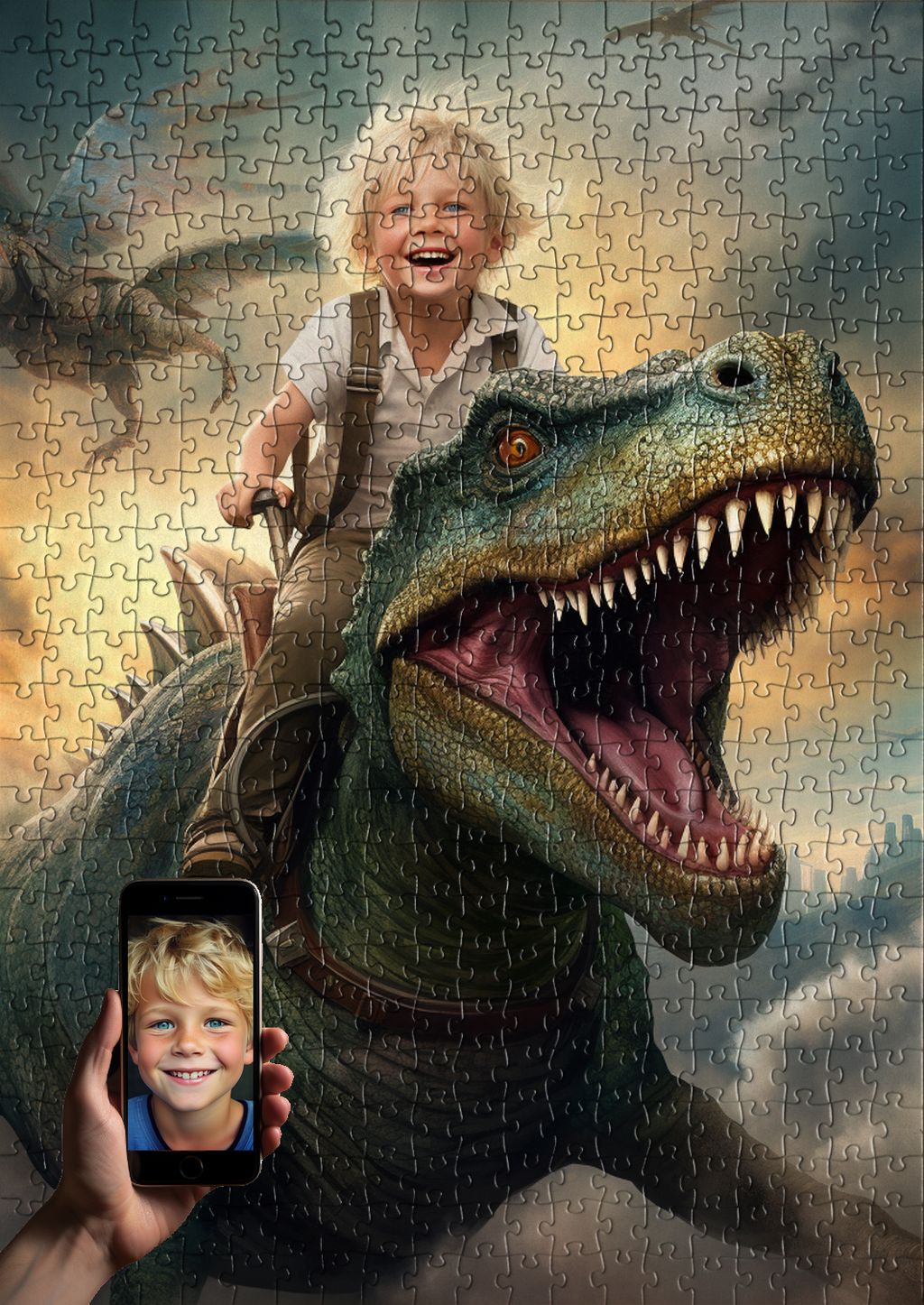
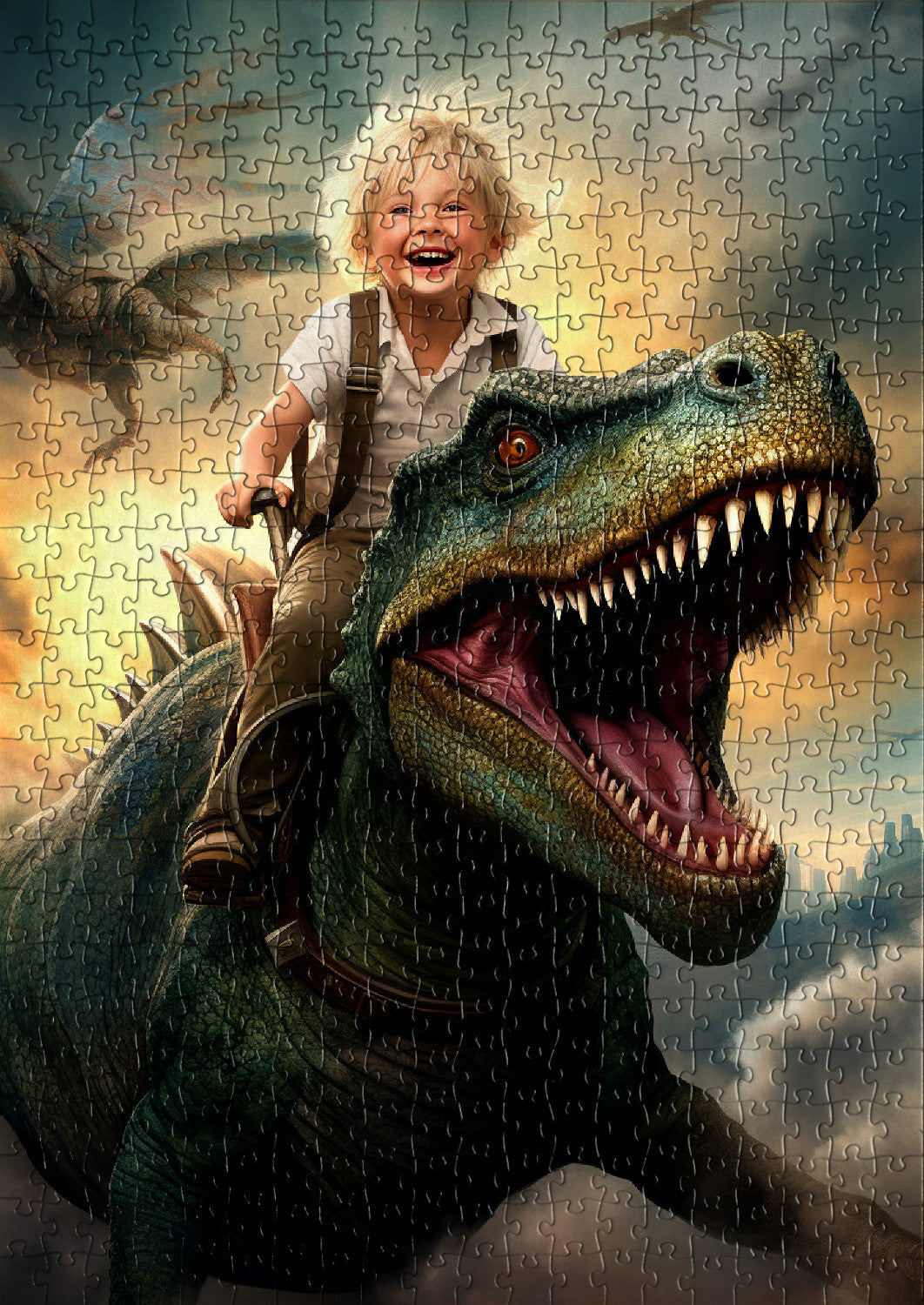
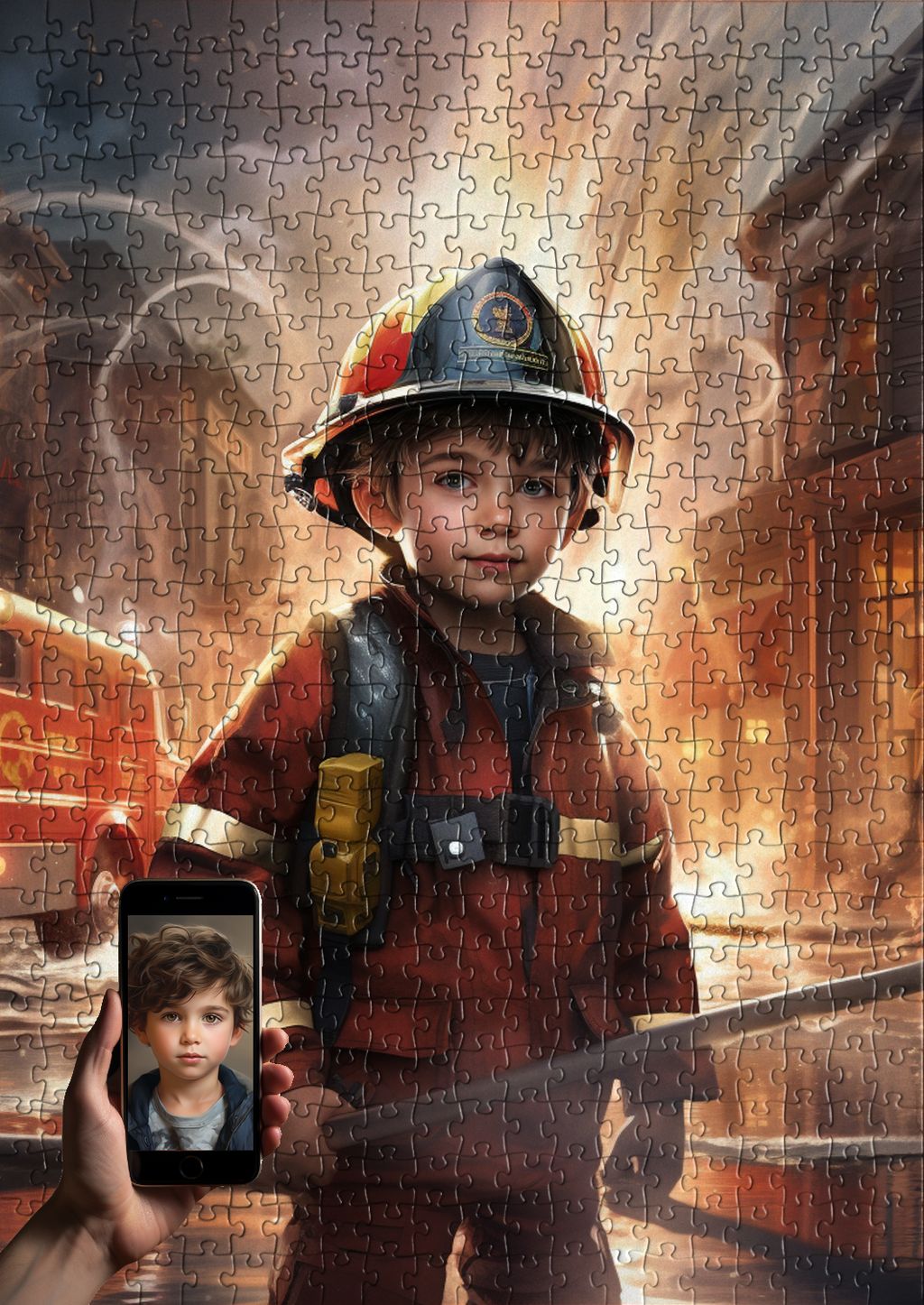
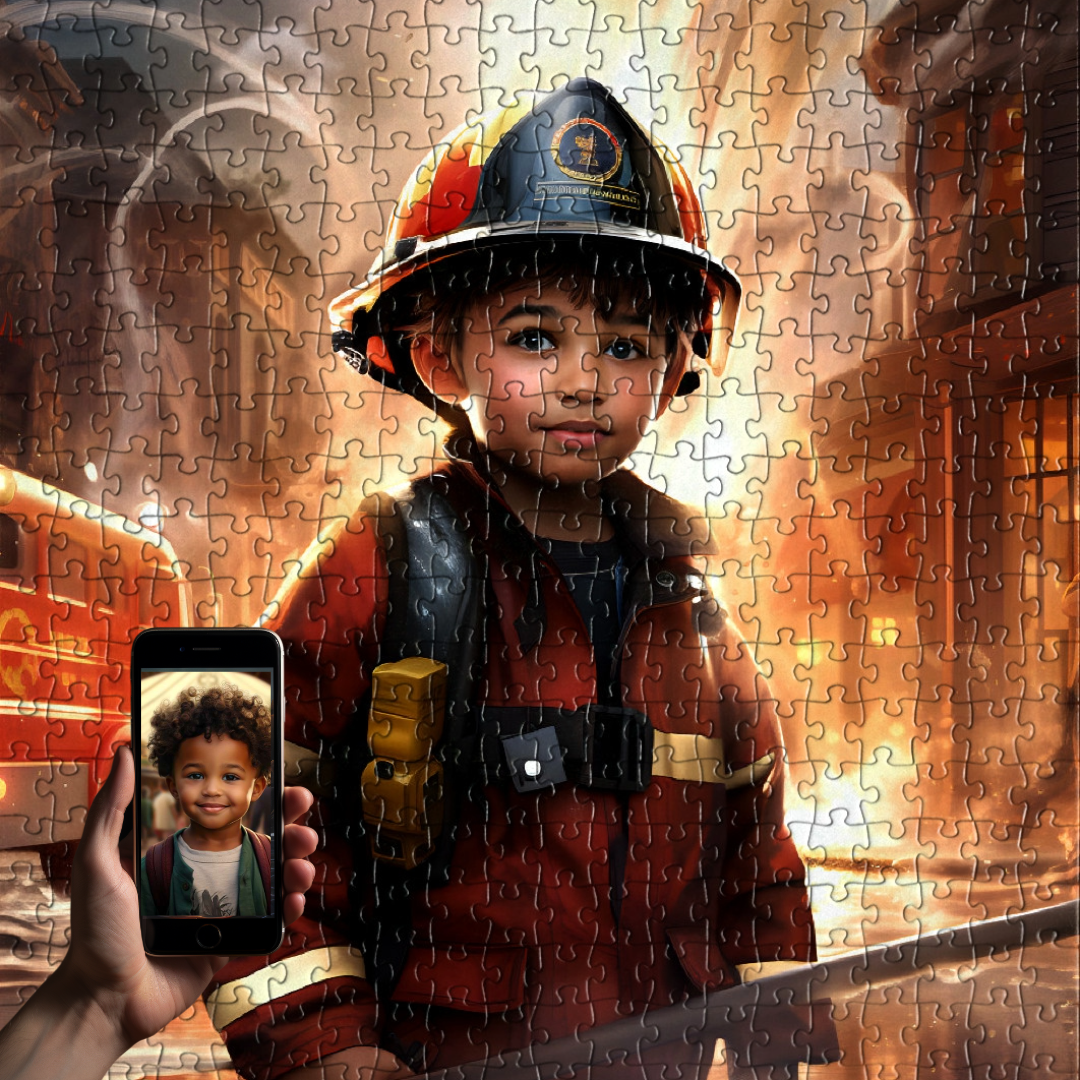
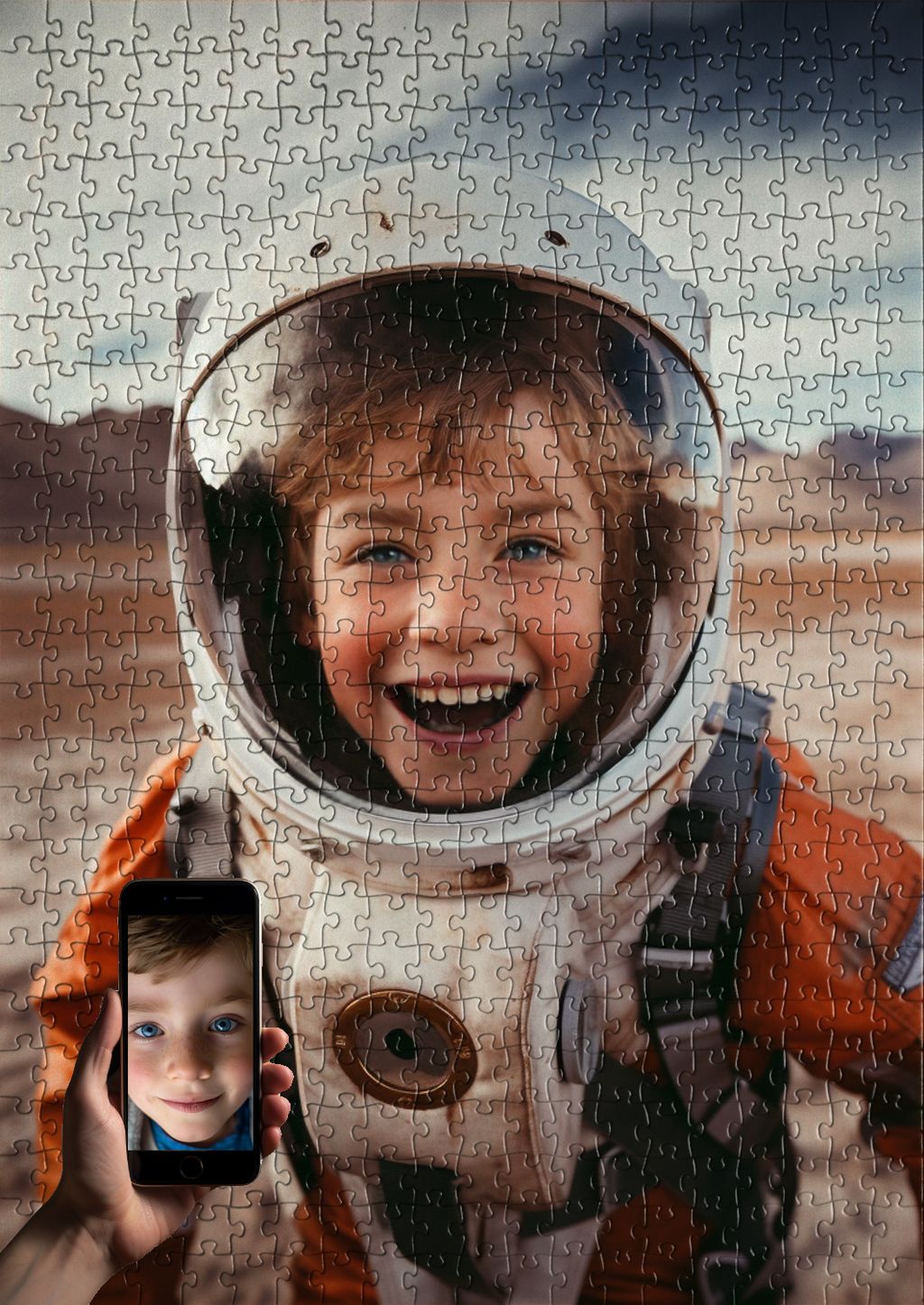
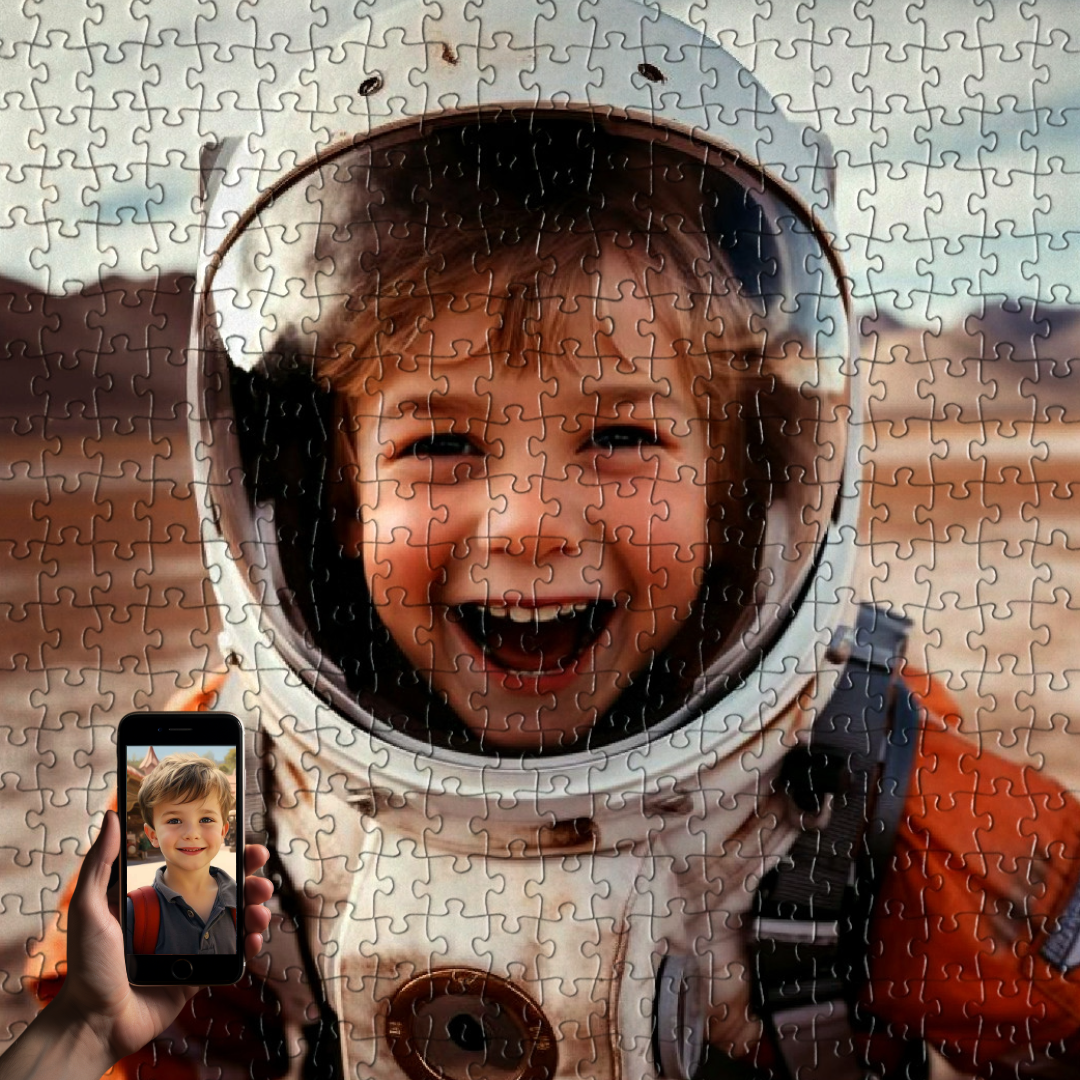
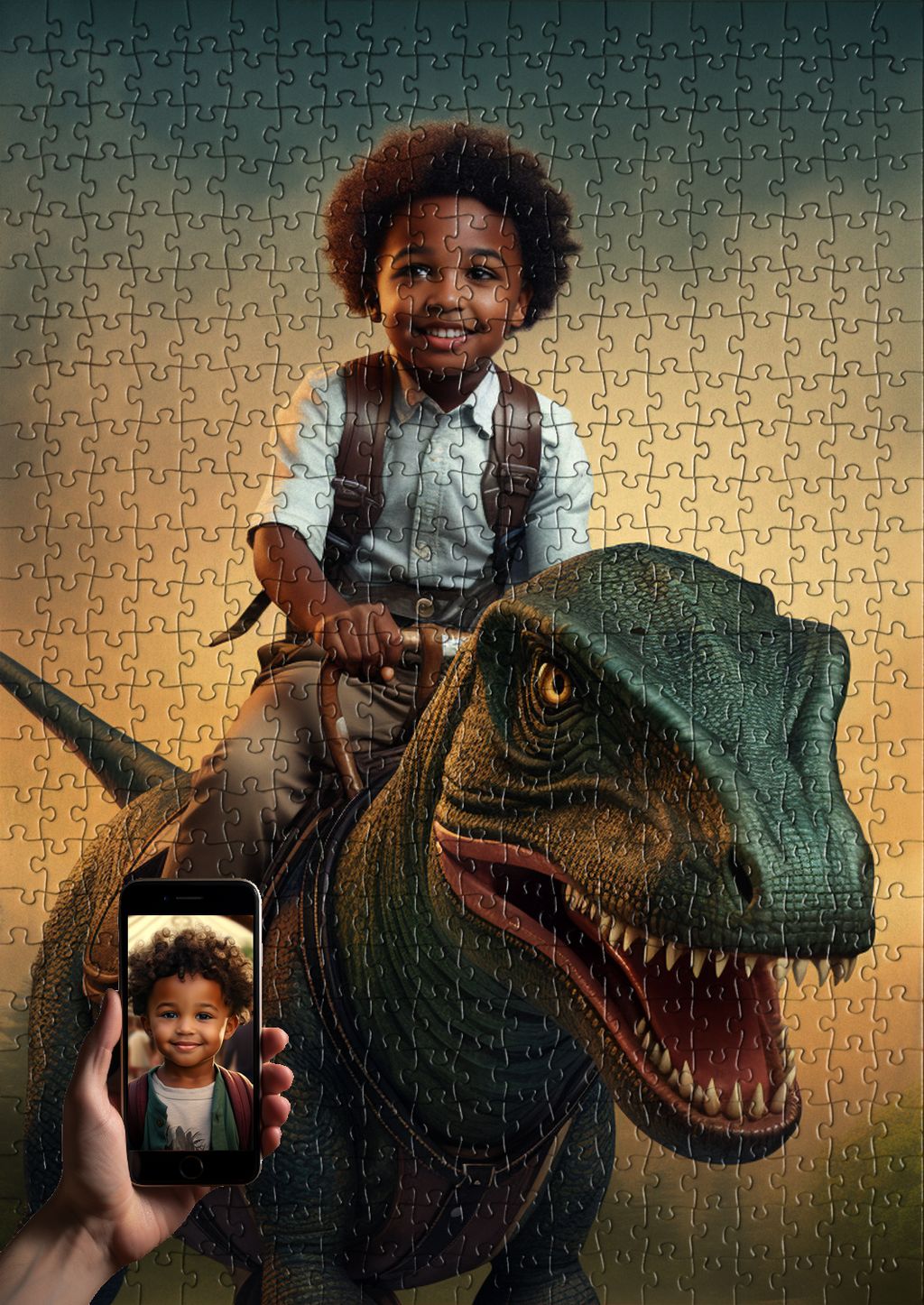
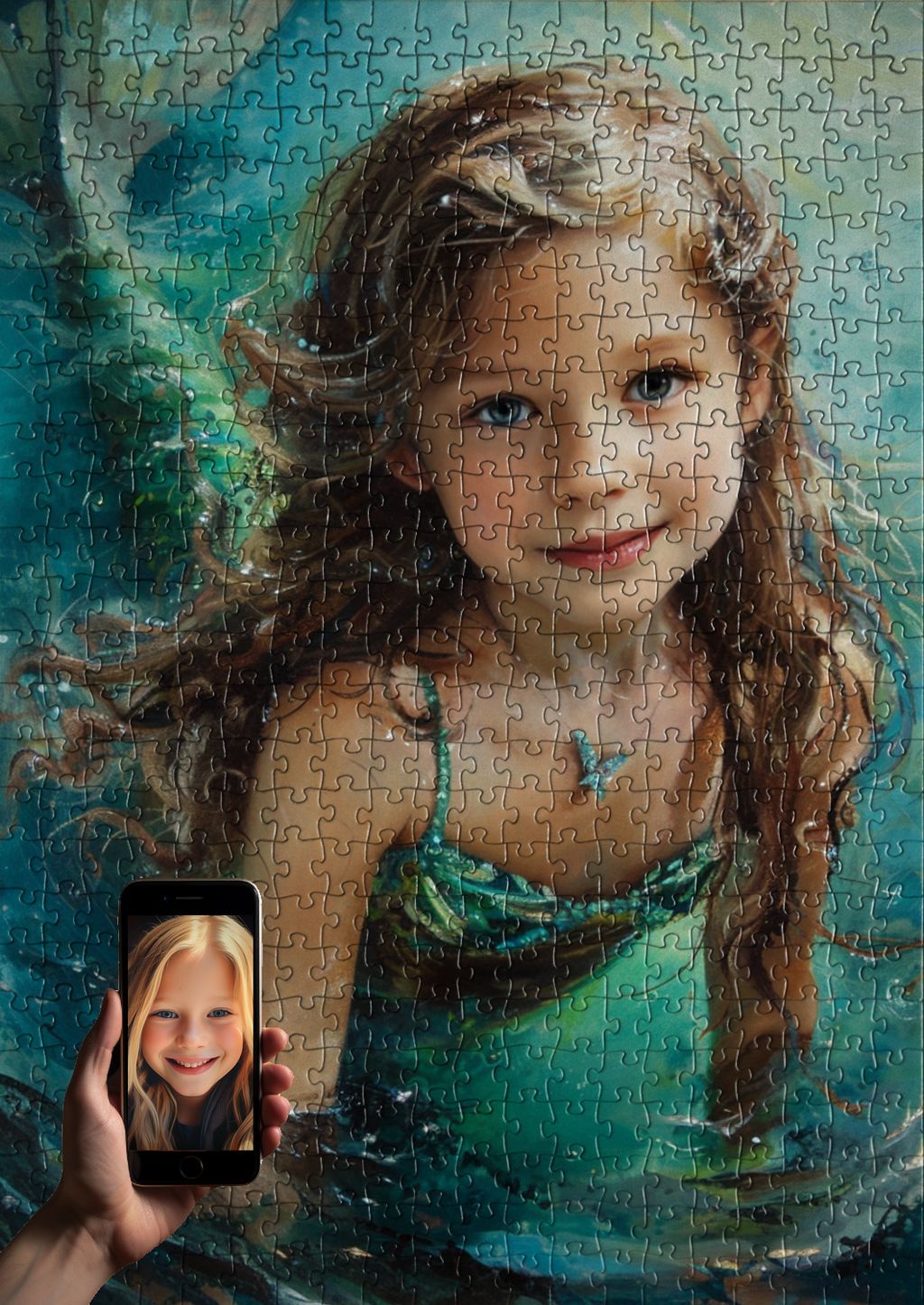
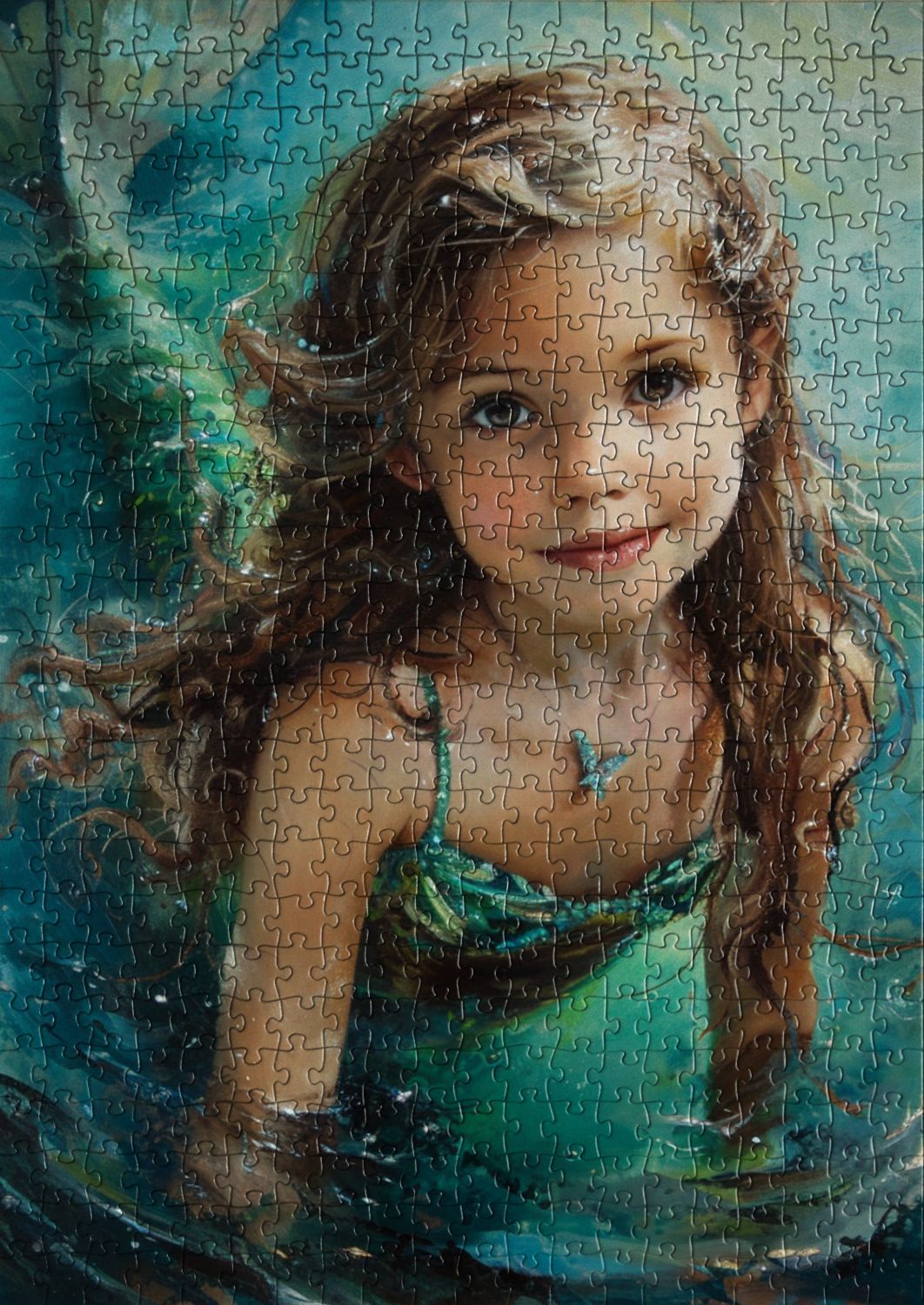
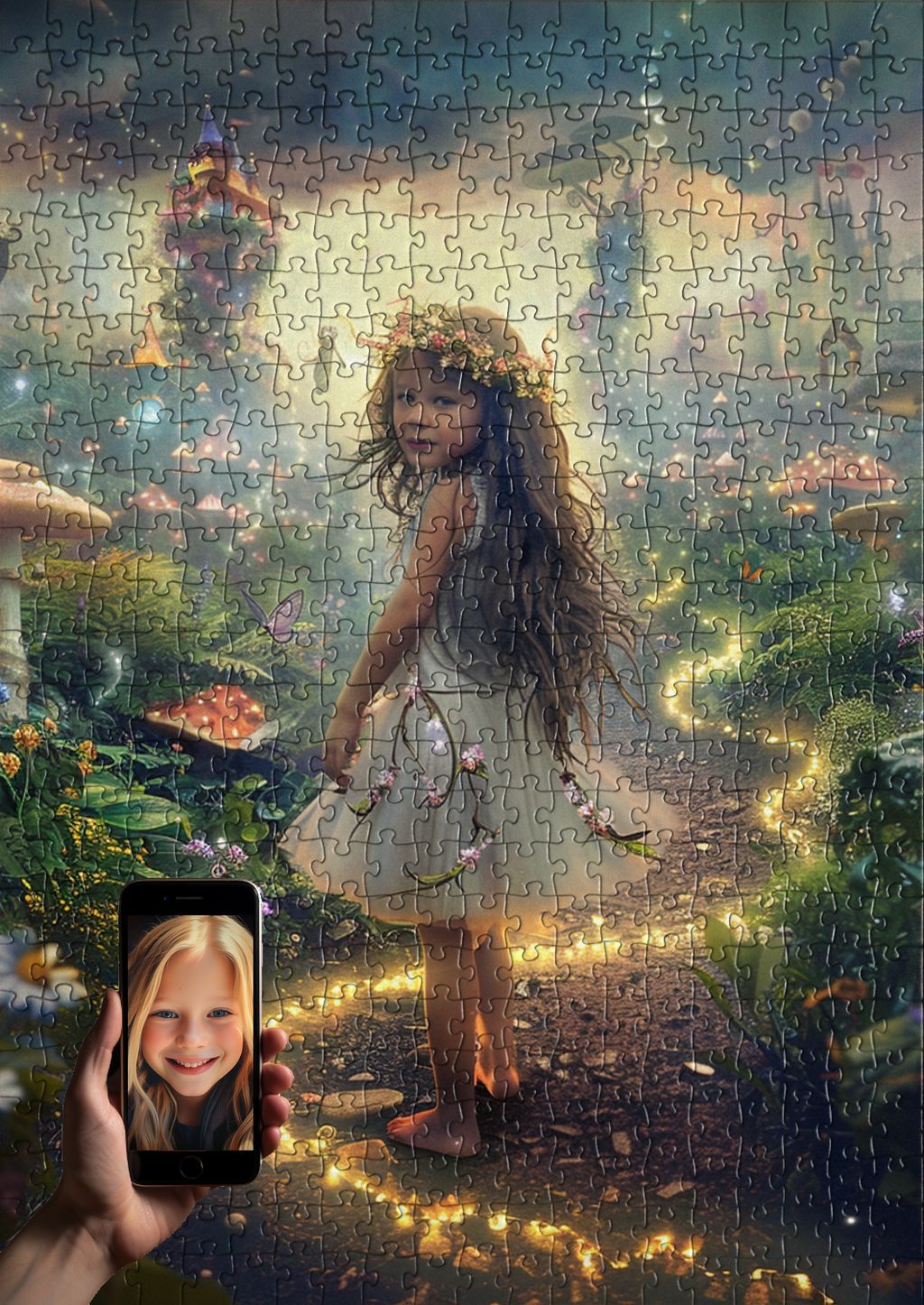
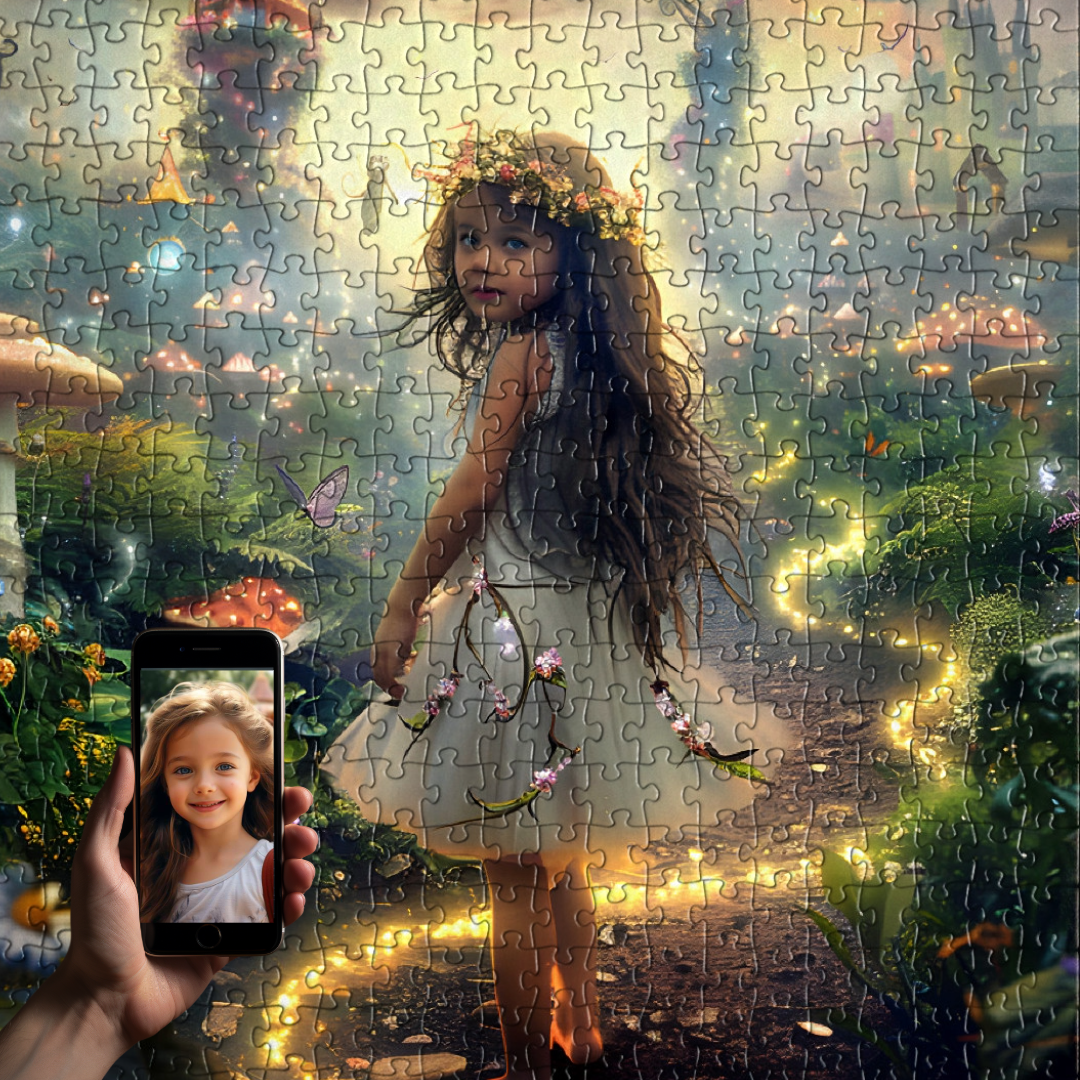
For 6 to 12 year olds, especially on screen-free afternoons, the activities that compete well with games share a few traits. They have a clear endpoint, they reward sustained attention, and they involve the body or the hands. Building, drawing, cooking together, sports, reading, board games with the family, and puzzles all qualify. A 200 to 500 piece puzzle on the dining table, returned to over the course of a weekend, is a quiet way to give a child the experience of focused, finishable work that game design has trained them out of expecting. Personalised puzzles (where the child appears as the hero of a scene, like an astronaut, a soccer player, or a superhero) tend to hold attention better than generic ones, because the child is invested in seeing themselves emerge.
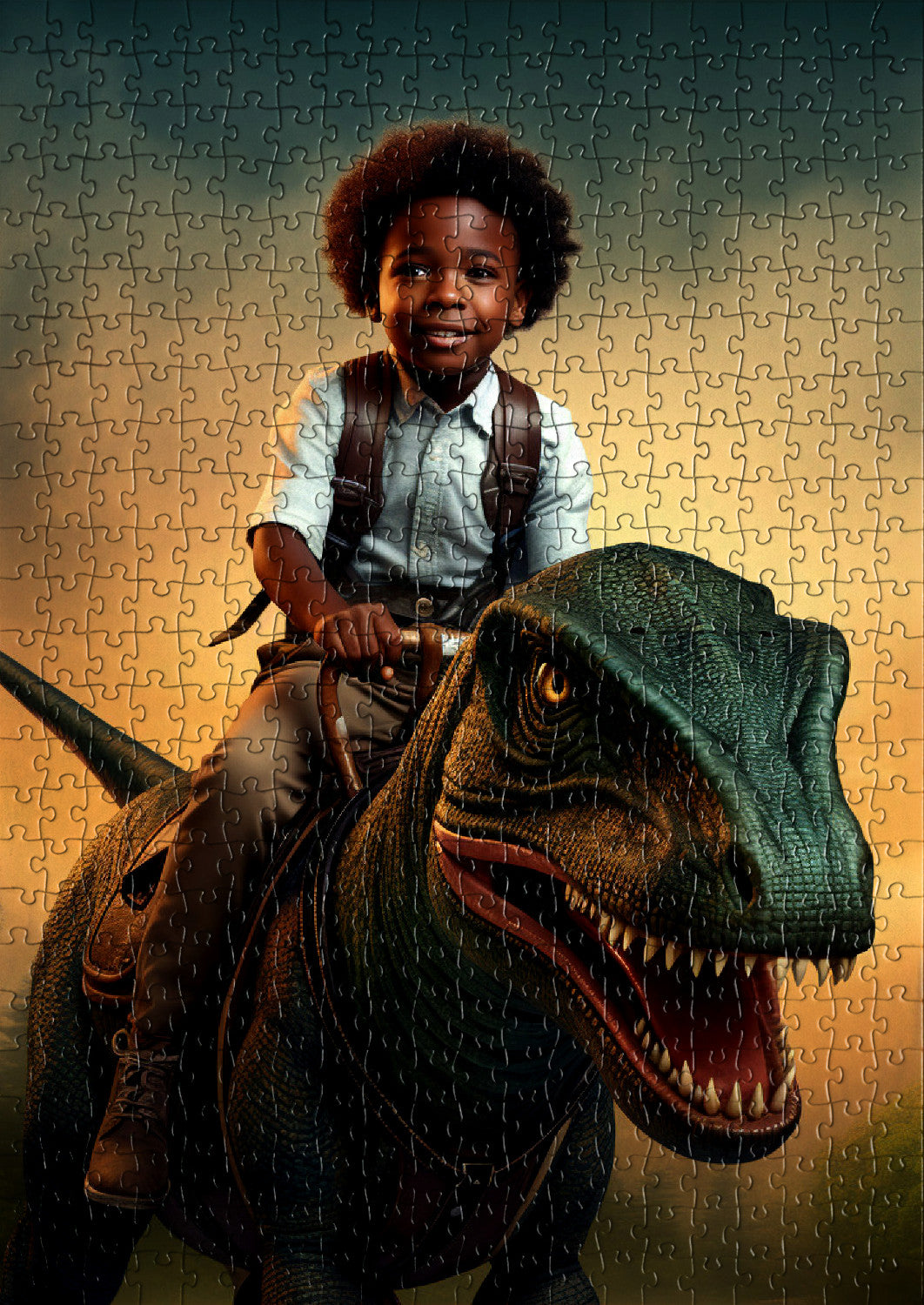
If you have a younger sibling underfoot while the older child games on a Saturday morning, an absorbing offline activity on the floor next to them is also a small gift to the household. A custom photo puzzle of a family memory or a one-of-a-kind puzzle imagined for your child can occupy a five-year-old in the same room without competing for the older one's screen. It is not a war between online and offline. It is a question of which textures of attention your child gets to practice over a week.
Frequently Asked Questions
Is Roblox bad for kids?
Roblox is not inherently bad, but the answer depends on which games on the platform your child plays and whether parental controls are configured. Set Account Restrictions for younger children, require purchase approval for Robux, and keep an eye on the specific experiences they spend time in. Some are charming and creative; some lean heavily on gambling-style mechanics and should be avoided.
What age is appropriate for Fortnite?
Fortnite is rated 12+ by most ratings boards (PEGI, ESRB Teen). The violence is cartoonish and bloodless, but the social dynamics, voice chat with strangers, and spending pressure are real. Many families allow it from around age 10 with controls in place: no voice chat with strangers, purchase approval required, and time limits. Under 9, it is generally too much.
How much do kids actually spend on these games?
It varies enormously. Industry surveys suggest the average paying child on Roblox spends modestly, often under $20 a month, but a meaningful minority spend far more, sometimes hundreds, when controls are absent. The single best protection is requiring email or parent-app approval for every purchase. Storing a credit card with no approval gate is where the surprise bills come from.
My child says all their friends play and I'll ruin their social life if I say no. Is that true?
Partly. By ages 9 to 12, online games are a real venue for friendship, and total bans do have a social cost. But "my friends play" rarely means "all my friends play all day." Limited, supervised access usually preserves the social benefit without the worst of the design hooks. It is reasonable to say yes to the game and no to the always-on lifestyle.
Should I play these games with my child?
Yes, at least once or twice. You do not have to become a player, but sitting next to your child for a full session and asking them to teach you is one of the most useful things you can do. You will see what they see. You will notice the prompts to buy, the streak warnings, the social pressure. And your child will feel taken seriously rather than judged from a distance.
Closing thought
The goal of all of this is not to win an argument with your child about screens. It is to raise a person who, by the time they are 14, has a working sense of how their own attention is being shaped, and the habit of choosing how to spend it. That habit is built in small ways over years: a configured account, a weekly time budget, a Sunday afternoon with the phone on the counter and something absorbing on the table. You do not need to be a gamer to be the parent your child needs in this. You just need to be present, curious, and willing to set rules that are fair enough to hold.



Share and get 15% off!
Simply share this product on one of the following social networks and you will unlock 15% off!