
It is Tuesday morning. Your four-year-old comes downstairs in the same princess dress she has worn for nineteen days running. The tulle is matted, there is a syrup stain near the hem, and one of the sequins is hanging on by a thread. You suggest the new dress with the strawberries on it. She looks at you like you have proposed she change species. The dress goes on. Again.
Or maybe it is the Spider-Man suit your son refuses to peel off, even for the bath. Or the cape, the dinosaur tail, the firefighter helmet, the cowboy hat that has fused permanently to his head. Whatever the specific costume, the pattern is the same, and so is the question forming in the back of your mind: is this normal? Should I be doing something about it?
The short answer, and we want to say this clearly before anything else, is yes, this is completely normal. In fact, it is one of the healthier, more interesting things a child between three and six can do. What looks from the outside like a stubborn wardrobe obsession is actually some of the most important developmental work happening in that little brain right now. Your child is not being difficult. They are doing identity research, and the costume is their lab coat.
Below, we look at why children between three and six fixate on a single costume, what is actually going on underneath the surface, and how to handle the practical headaches (laundry, school, the grocery store stares) without shutting down something genuinely valuable. We will also talk about when, very occasionally, a gentle nudge is helpful, and when the better choice is simply to step back and let the phase run its course. Spoiler: it almost always passes on its own.
The Developmental Work Hiding Inside the Costume
Between roughly age three and age six, children are doing something psychologists call narrative identity work. They are starting to understand that they are a person, separate from their parents, with qualities, preferences, and a story. That is a huge cognitive leap, and it does not happen all at once. It happens through experimentation. Children at this age try on personas the way adults try on jackets, to see how they feel, how they move, how the world responds.
A costume is the most efficient prop ever invented for this kind of work. Slip it on, and suddenly you are not just Maya, you are Maya the brave princess who is also a doctor and also has a pet dragon. The costume gives the child a stable visual anchor for an internal experiment. It tells the world (and, more importantly, tells the child) who they are this week.
The Russian psychologist Lev Vygotsky wrote that in play, a child is always "a head taller than themselves." He meant that pretend play lets children rehearse capacities they do not yet fully own: courage, leadership, gentleness, problem-solving. The costume amplifies that effect. A child in a superhero outfit is more likely to attempt the climbing structure they were too scared of yesterday. A child in a princess dress is more likely to practice graciousness, or bossiness, or whatever quality they have decided princesses possess.
Why the same costume, day after day?
Because the experiment is not finished. Three weeks of being a dinosaur is not three weeks of being stuck. It is three weeks of thoroughly investigating what it feels like to be a dinosaur. Children at this age are not yet bored by repetition the way adults are. Repetition is how they learn. The same book at bedtime, the same song on loop, the same costume every morning, these are all expressions of the same impulse: let me really understand this thing before I move on.
When the persona has been fully absorbed, the costume tends to come off on its own. Often quite suddenly. One day the cape is everything, the next day it is on the floor and your child wants to be a marine biologist. This is not regression or fickleness. It is the natural rhythm of identity exploration in early childhood.
What the Costume Is Really Telling You
Pay attention to which costume your child has chosen, because it usually carries information. The persona they have selected almost always reflects qualities they are working to claim for themselves. A few patterns we see again and again:
- Princess or queen: often about power, beauty, being seen, sometimes about kindness and care for others. Many children gravitate here when they are working through questions of worth and visibility.
- Superhero: almost always about strength, agency, and the ability to protect. Common in children processing fears, or in younger siblings asserting themselves.
- Dinosaur or large animal: bigness, loudness, taking up space. Often appeals to children who feel small in their everyday lives.
- Firefighter, doctor, police officer: competence and helpfulness. The child is rehearsing what it means to be useful and capable.
- Pirate or cowboy: adventure, independence, mild rule-breaking. Especially appealing to children who are testing boundaries.
None of this is rigid, and a child may layer several meanings into a single costume. What matters is that the costume is not random. It is the outer expression of an inner question your child is currently working through. This is the same identity work we explored in our piece on why pretend play matters more than you think for ages 3 to 8, just expressed in a more visible, more laundry-intensive form.
The Practical Stuff: Laundry, School, and the Grocery Store
Understanding the developmental purpose is comforting, but it does not solve the immediate problem that the costume now smells. Let us talk practicalities.
Buy doubles. Possibly triples.
This is the single most useful piece of advice we can offer. If your child has clearly committed to a costume for the long haul, invest in a second (and possibly third) identical copy. Wash one while they wear the other. The cost of a second princess dress is small compared with the daily standoff over whether the original is clean enough, and you preserve the persona without the hygiene crisis.
If the costume is expensive or hard to replicate, look for a "house version" (a softer, more washable approximation) and a "going-out version" (the original). Many children will accept this distinction surprisingly easily, especially if you frame the house version as the "everyday" one and the original as the "special" one.
School dress codes and structured settings
Most preschools and kindergartens are accommodating about costumes, but some have rules, and elementary school usually draws a firmer line. If your child's setting does not allow full costumes, look for compromises:
- A subtle accessory that goes under regular clothes: a superhero T-shirt under the uniform, princess underwear, a small charm in the pocket.
- A "transition object" that lives in the backpack. The cape does not come out at school, but it is there for the ride home.
- Costume time bracketing the school day: full regalia at breakfast, full regalia at pickup.
Children are remarkably good at understanding that different settings have different rules, as long as the rule is not framed as a judgment of the persona itself. "Spider-Man stays home today because school is for regular clothes" lands very differently from "you are too old for this."
The grocery store, the restaurant, the in-laws
This is where parental embarrassment tends to peak. You are out in public with a child who looks like they wandered out of a theme park, and people are looking, and you can feel the silent judgment about your parenting choices.
Here is what we would gently suggest: let it go. The strangers in the cereal aisle are mostly delighted, occasionally indifferent, and almost never thinking what you fear they are thinking. The relatives who comment ("are you really letting her go out like that?") are expressing their own discomfort, not a real concern about your child. The phase will pass, often within weeks. The memory of you walking through the produce section next to a small, determined Elsa will become one of the warmest stories you tell about this period of their childhood.
Forcing the costume off for public outings, on the other hand, tends to backfire. The child senses that their chosen identity is something to be ashamed of, and either the persona becomes more entrenched (the only way to be safe is to insist harder) or the identity work goes underground, which is harder to support.
When to Gently Broaden, and When to Leave Well Alone
Most of the time, the right move is to do nothing. But there are a few situations where a soft nudge can help.
Situations where you might gently expand the menu
- Hygiene has genuinely become a problem. A costume that has not been washed in two weeks and is being worn to bed is fair game for a "it needs a spa day" conversation.
- The costume is interfering with activities your child wants to do. The princess dress that keeps getting caught on the climbing frame, the cape that is a real safety issue on the scooter. Reframe, do not remove: "Let's keep the cape safe inside while we ride."
- The child seems to be using the costume to hide rather than to explore. Rare, but worth noticing. If the costume goes on and the child becomes more withdrawn rather than more expansive, that is worth a gentle conversation with your pediatrician.
A friendly script that almost always works
If you do want to introduce variety without shaming the current persona, try the "rotation" approach. "What if princess is for Mondays and Wednesdays, and we try out astronaut on Tuesdays?" Children of this age love rules and systems, and a costume schedule often feels exciting rather than restrictive. It also gives them the experience of trying on a second persona without abandoning the first.
What almost never works is direct opposition. "You can't wear that today" tends to escalate. The persona becomes something to defend rather than something to play with, which is the opposite of what you want.
Identity Anchors Beyond the Costume
Costumes are one way children anchor a persona, but they are not the only way. Books featuring the chosen character, drawings, stories you tell together at bedtime, and yes, images of the child themselves as the persona, all serve a similar function. They give the imagination something solid to hold onto.
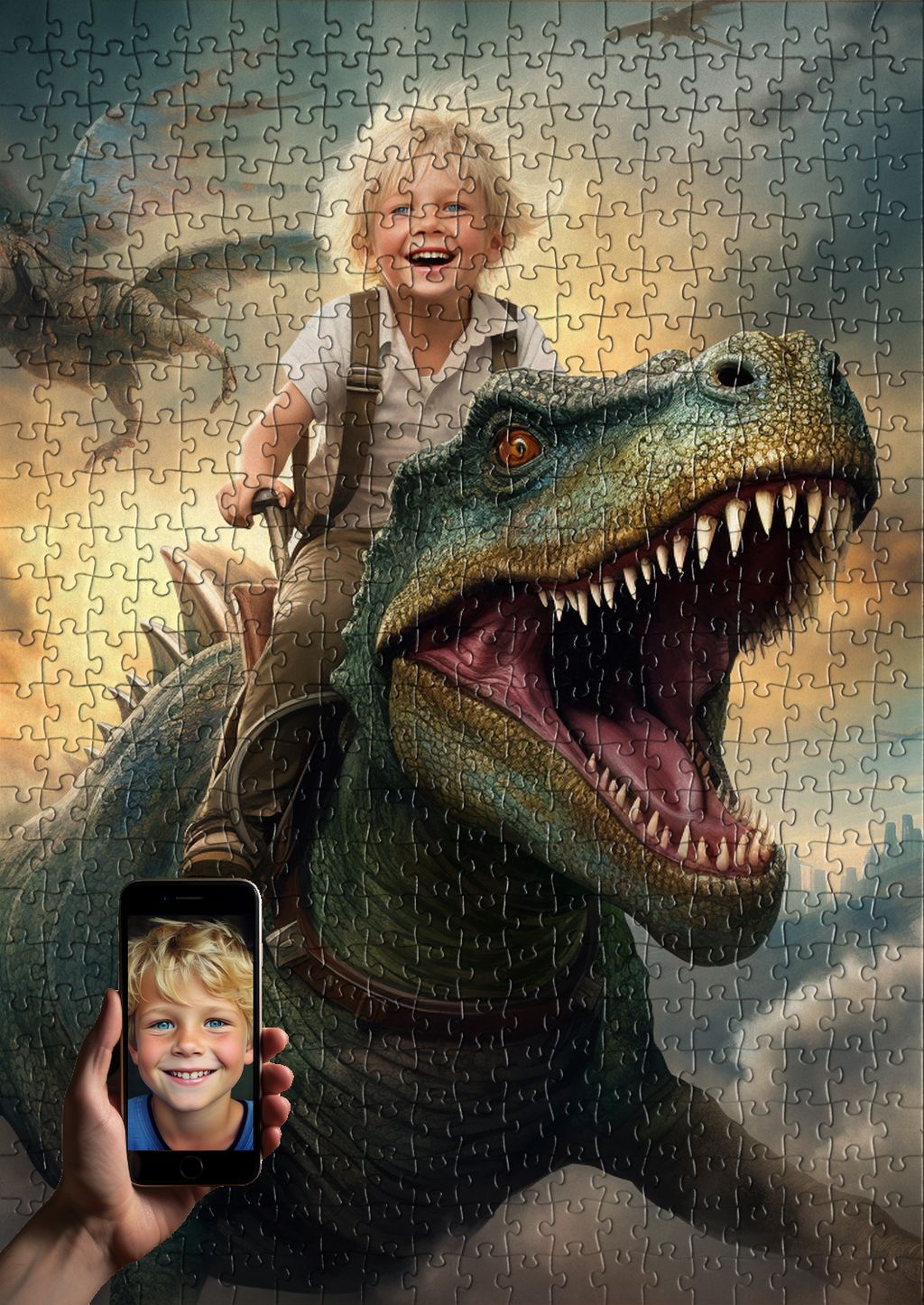
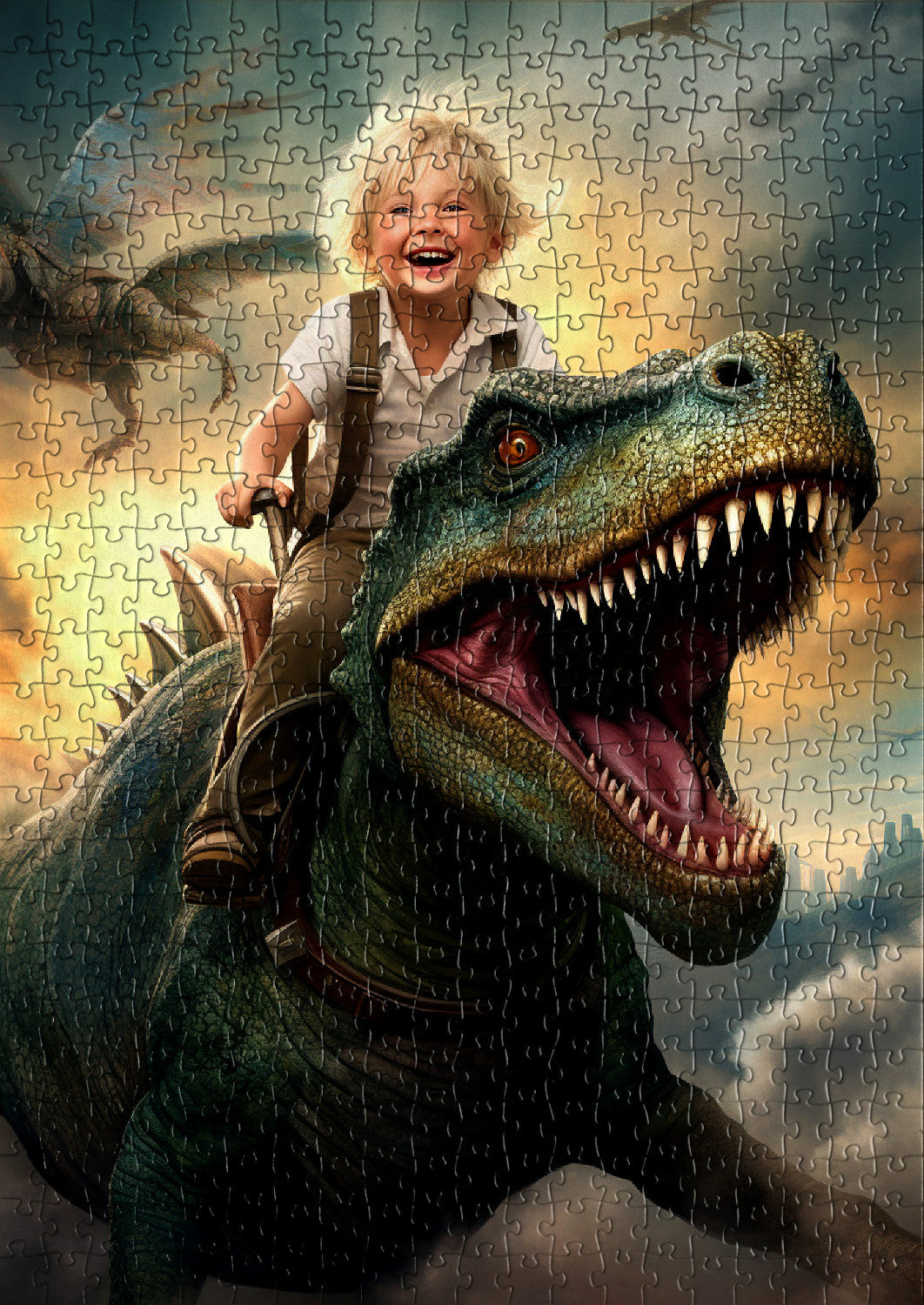
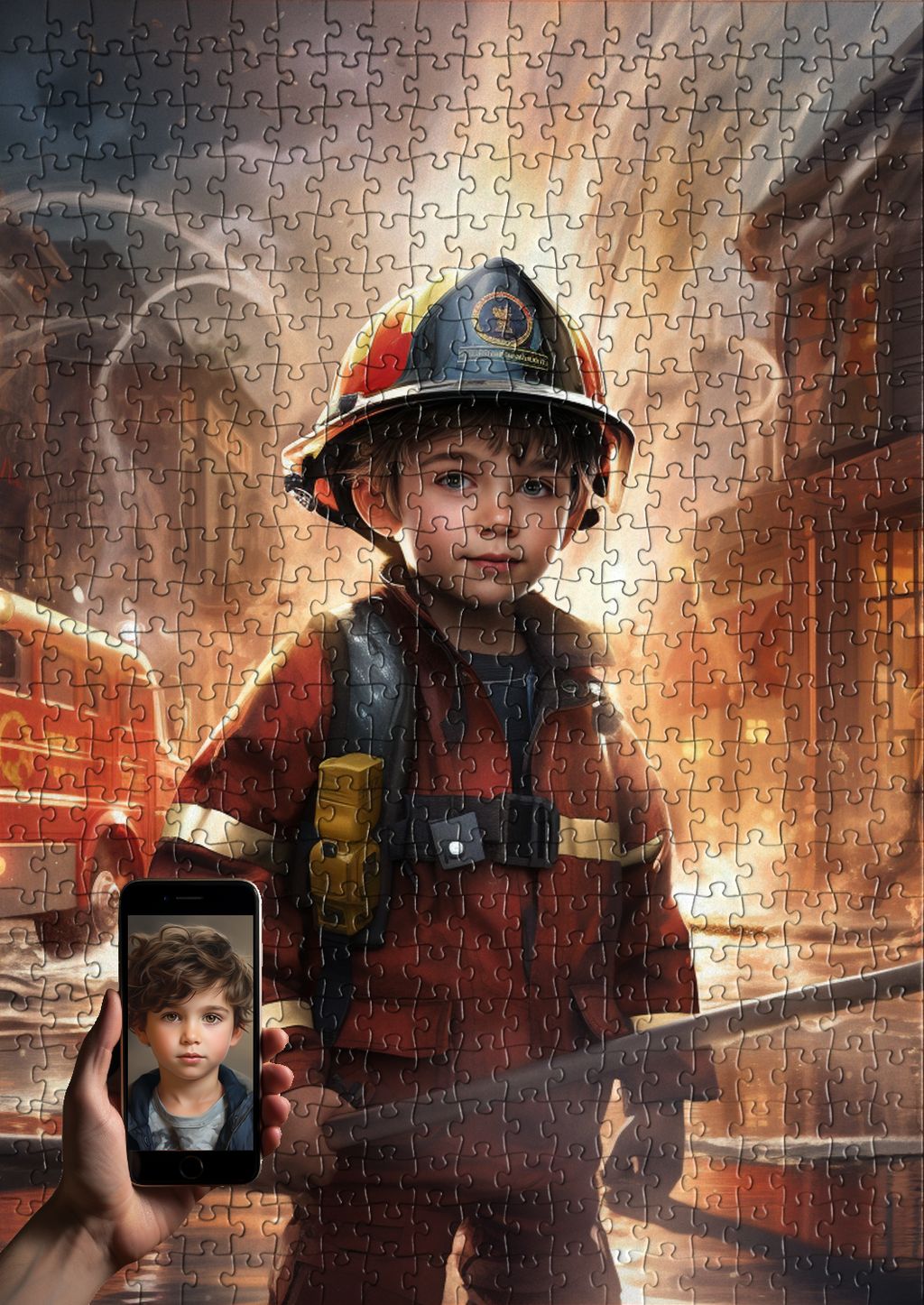
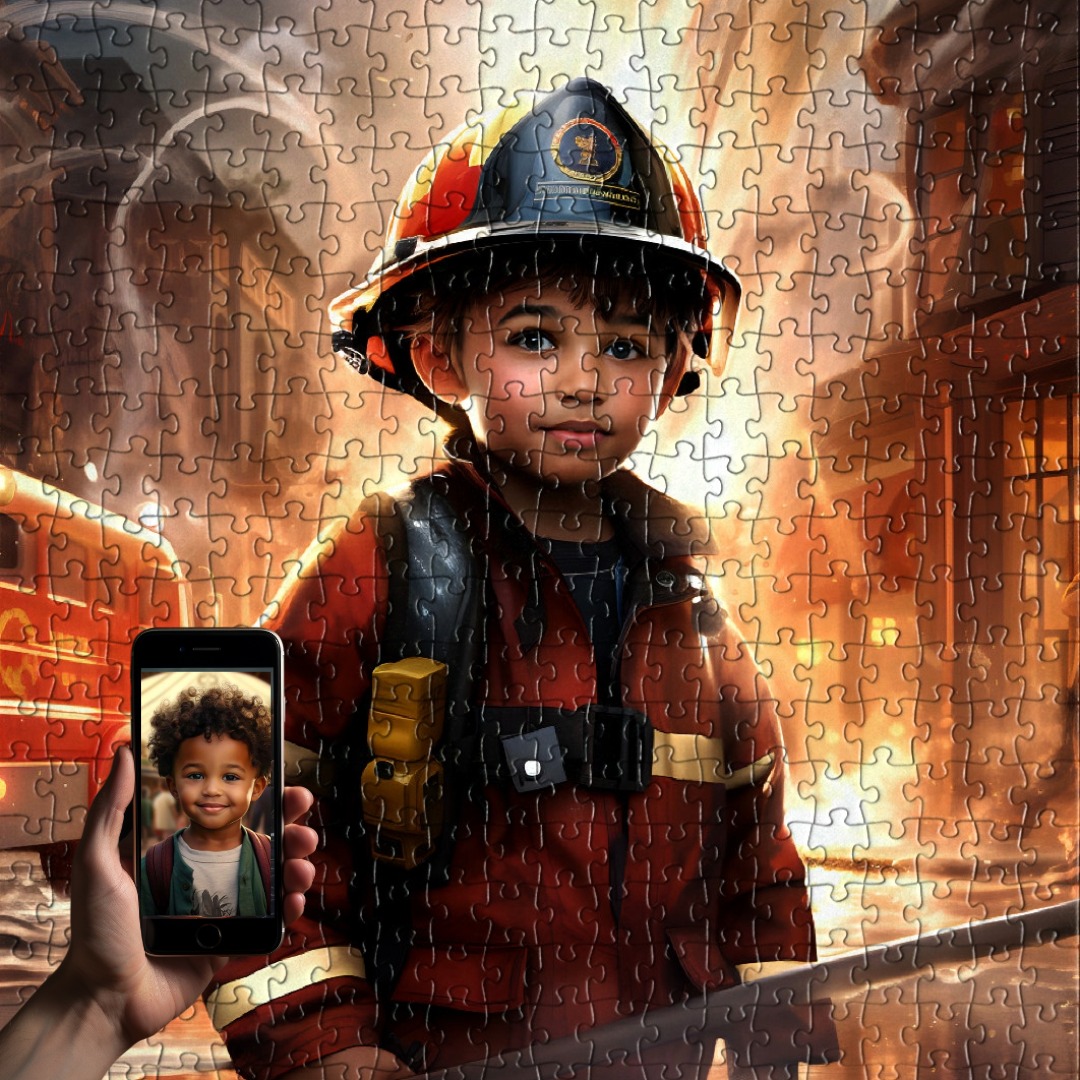
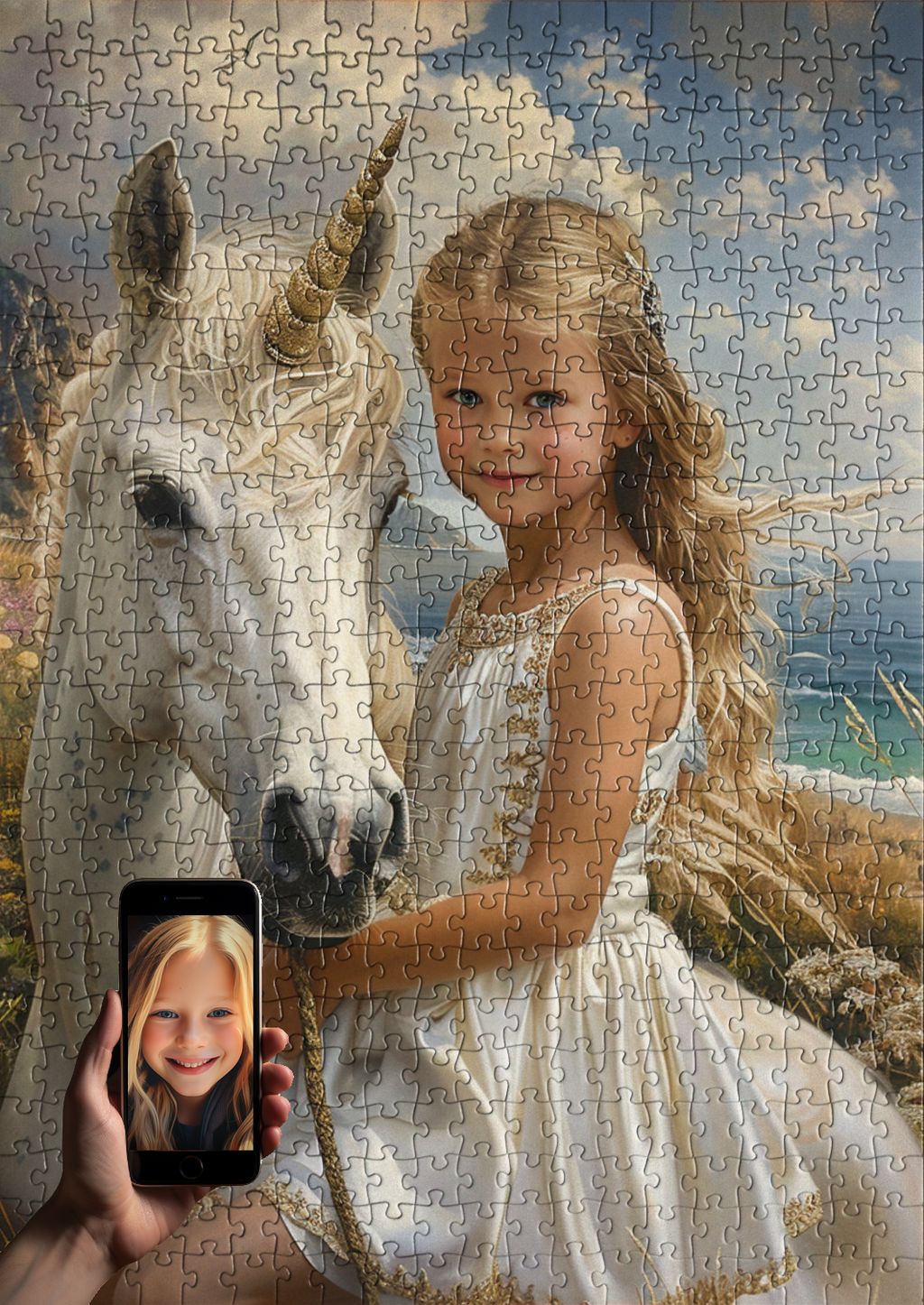
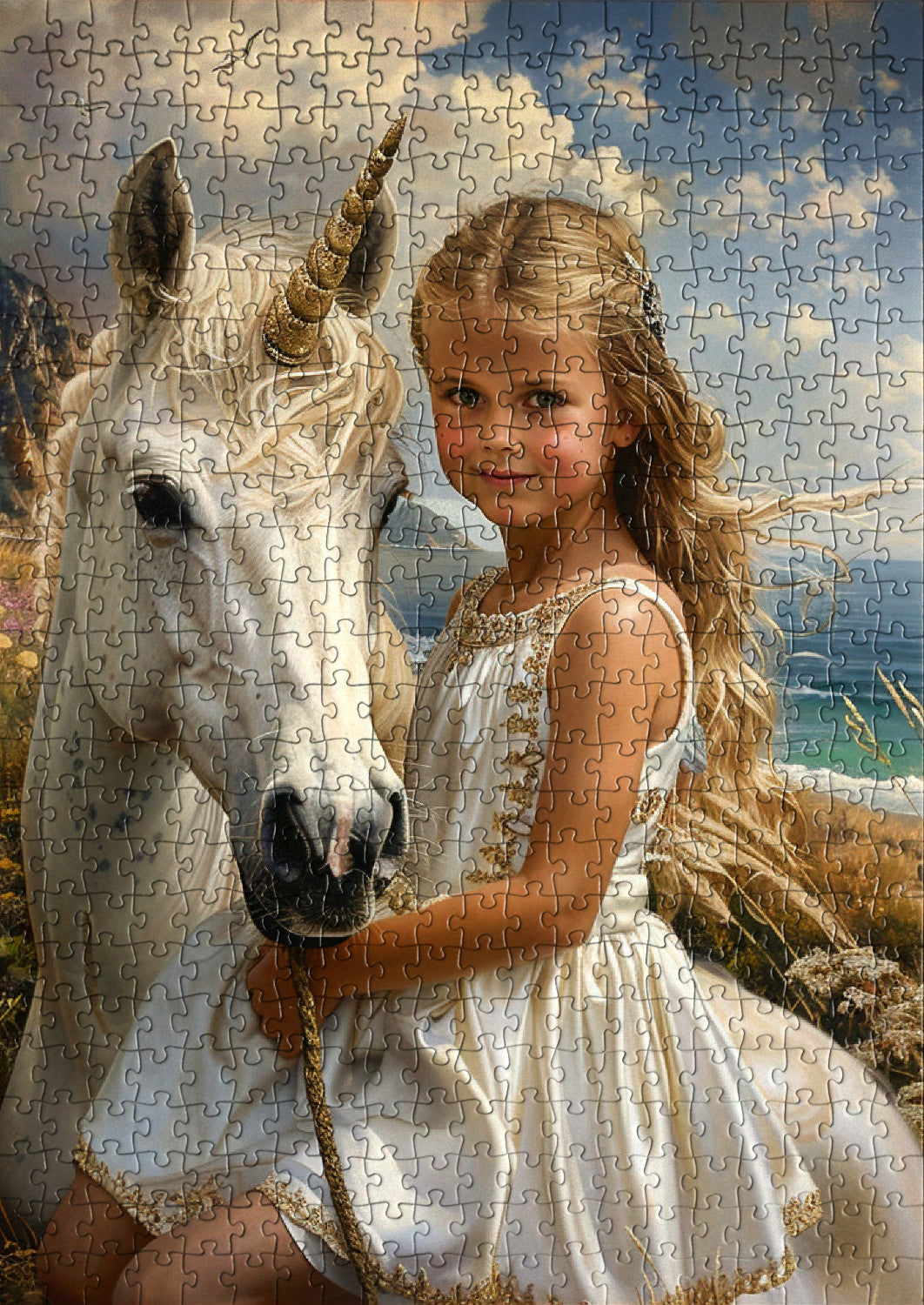
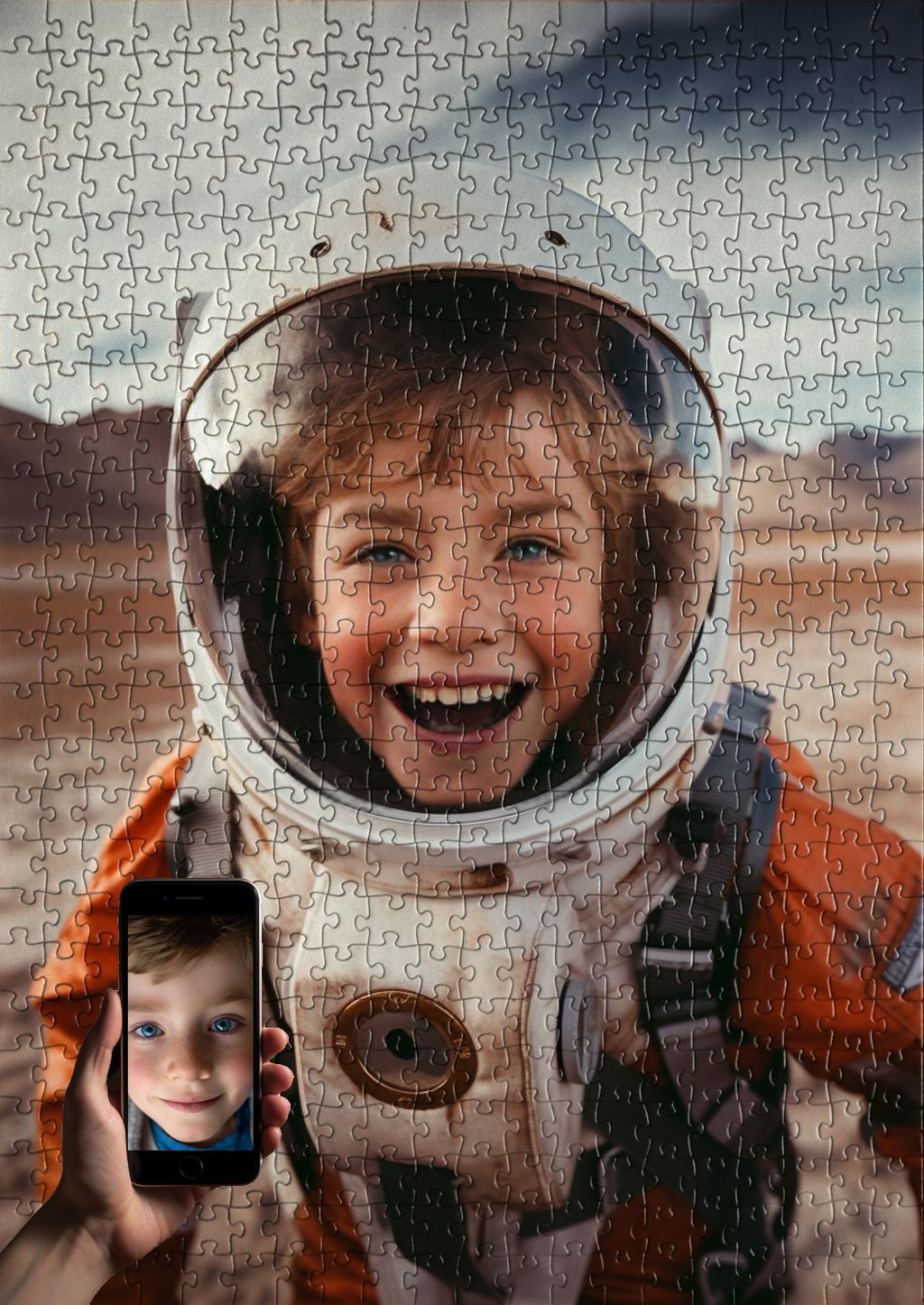
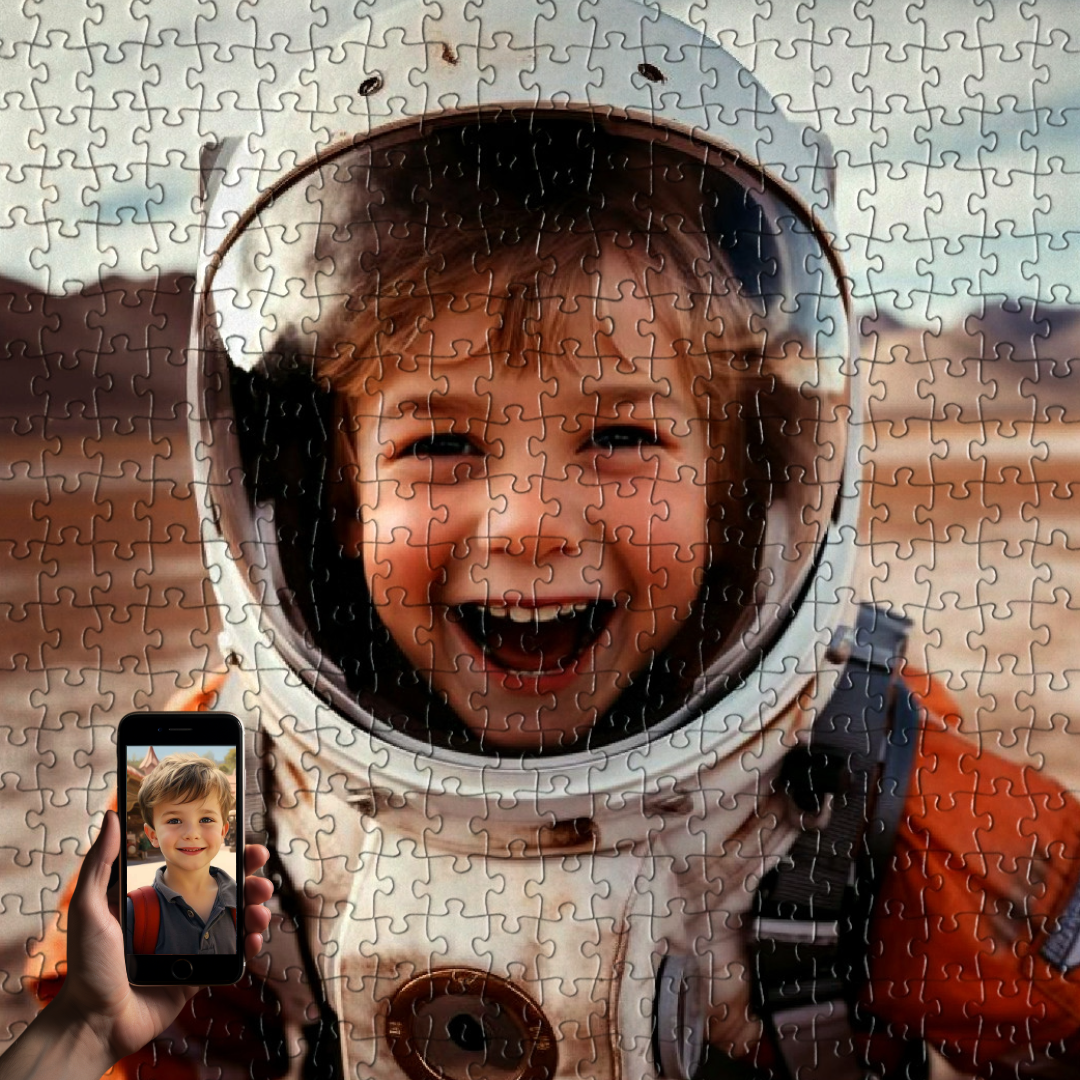
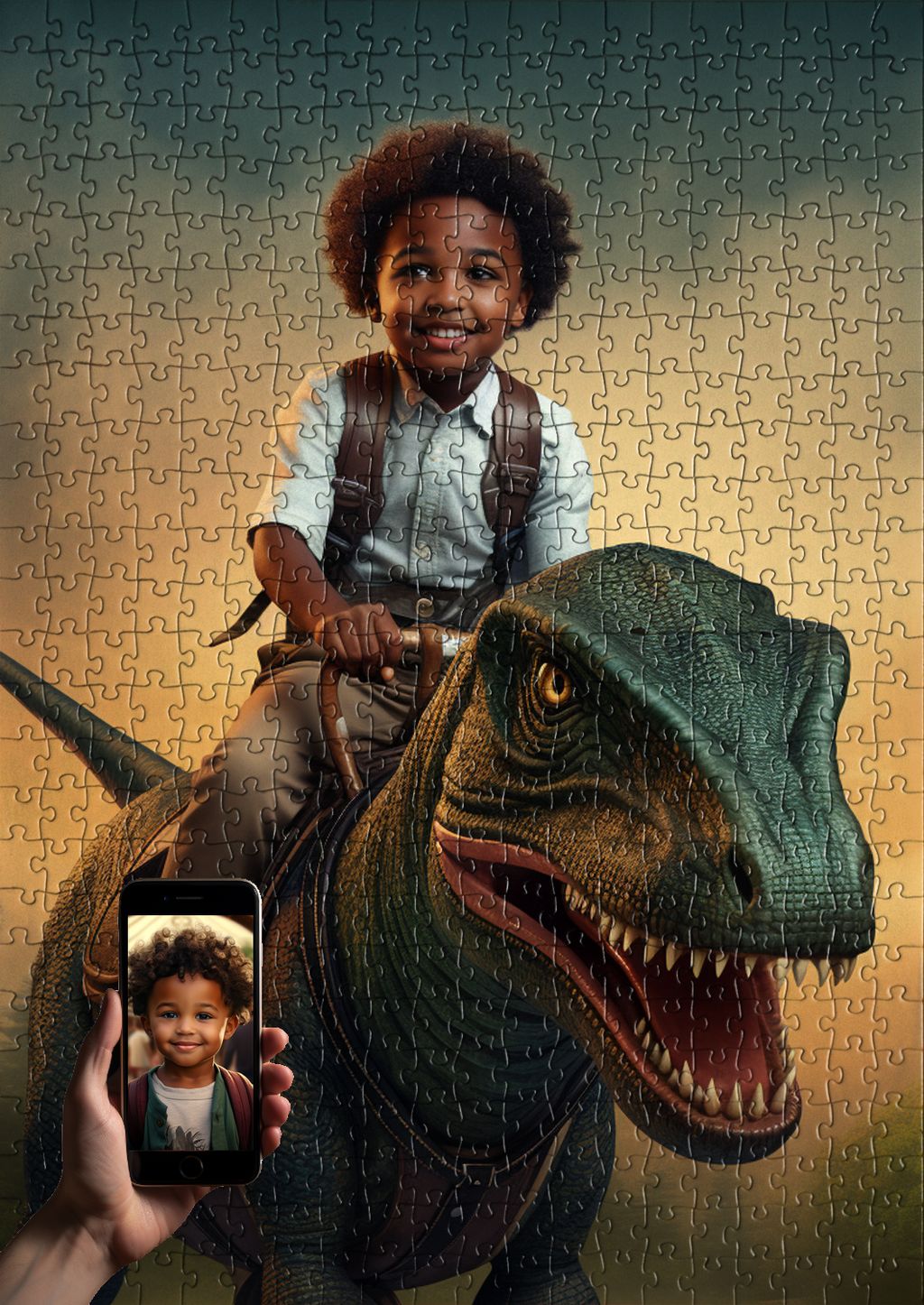
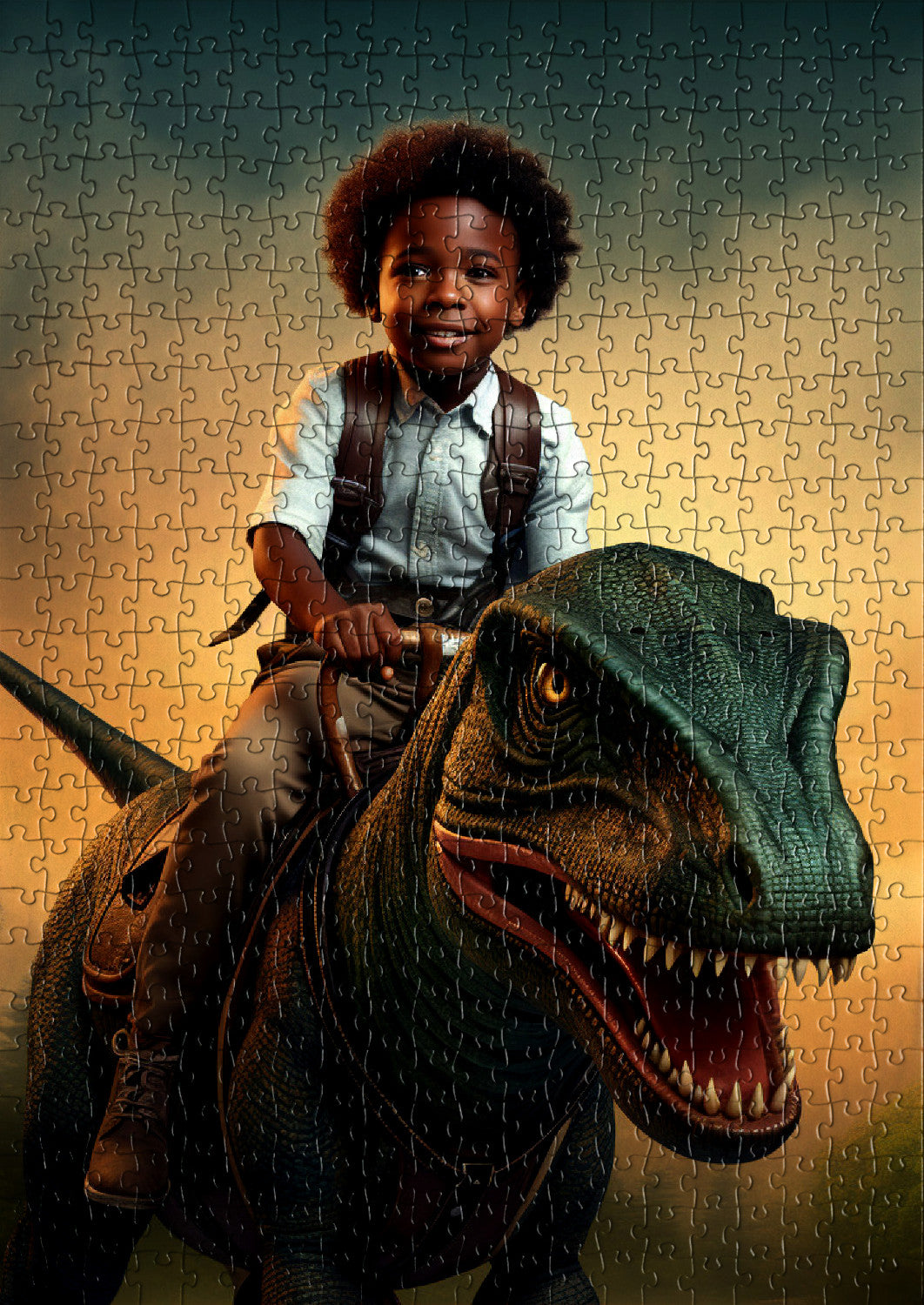
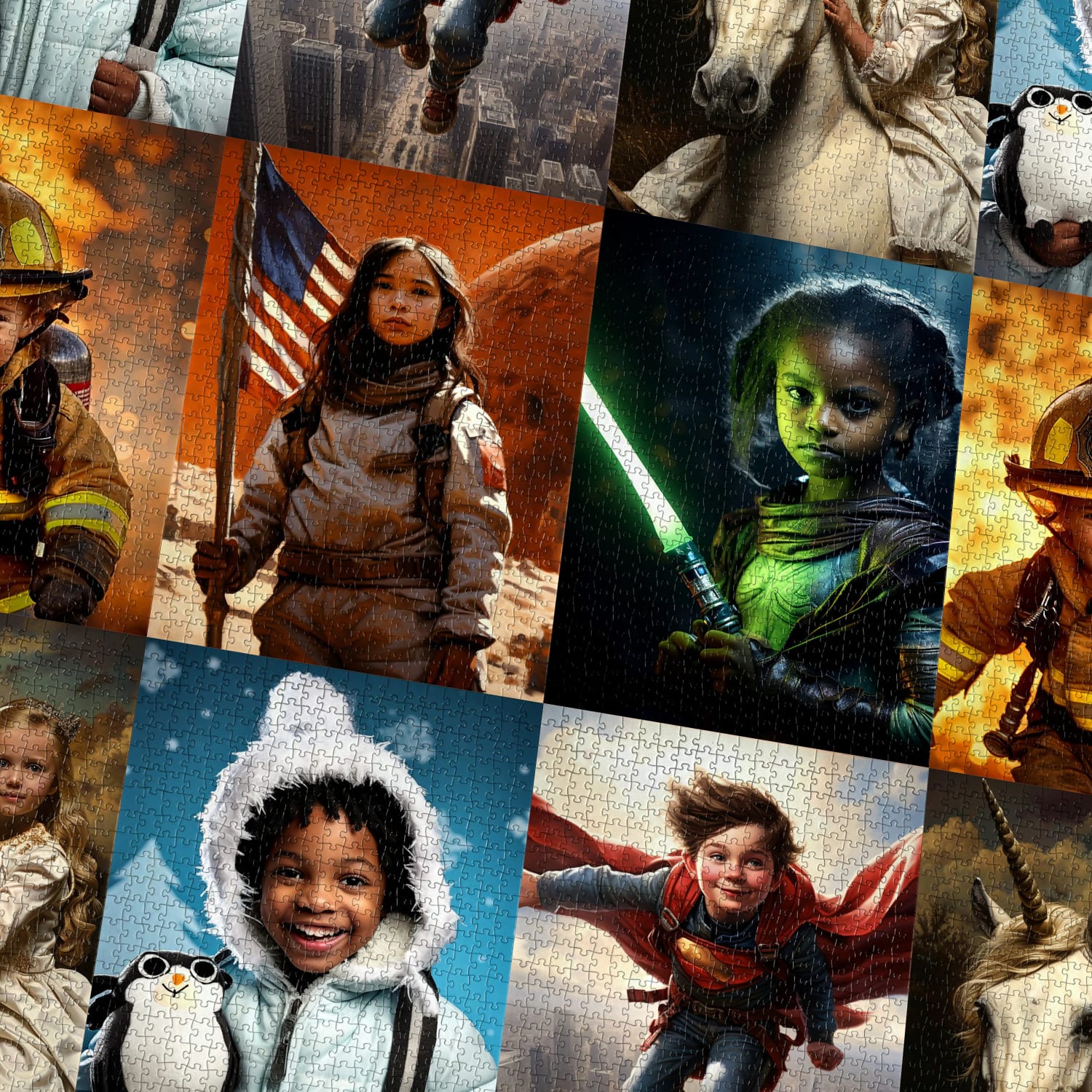
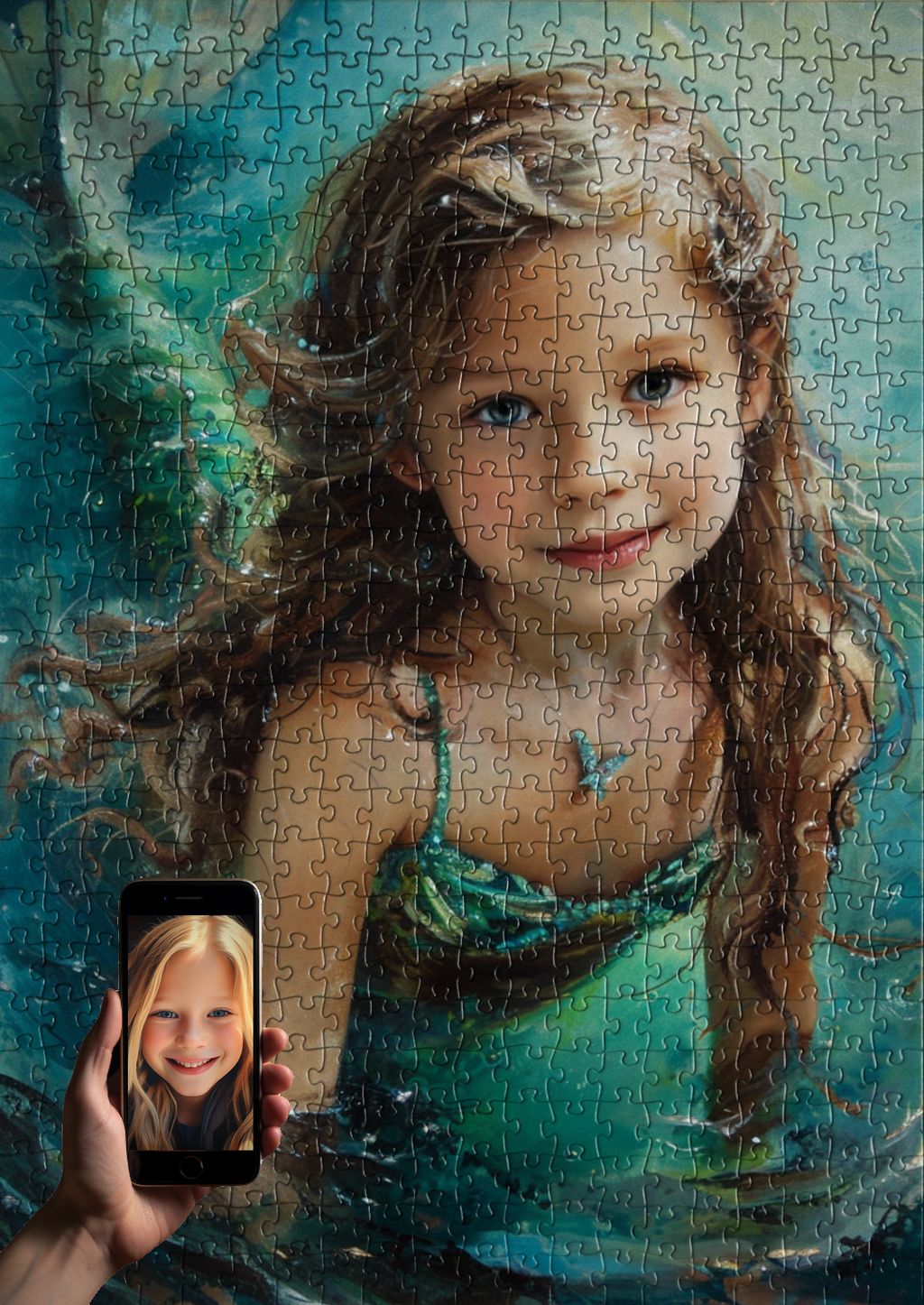
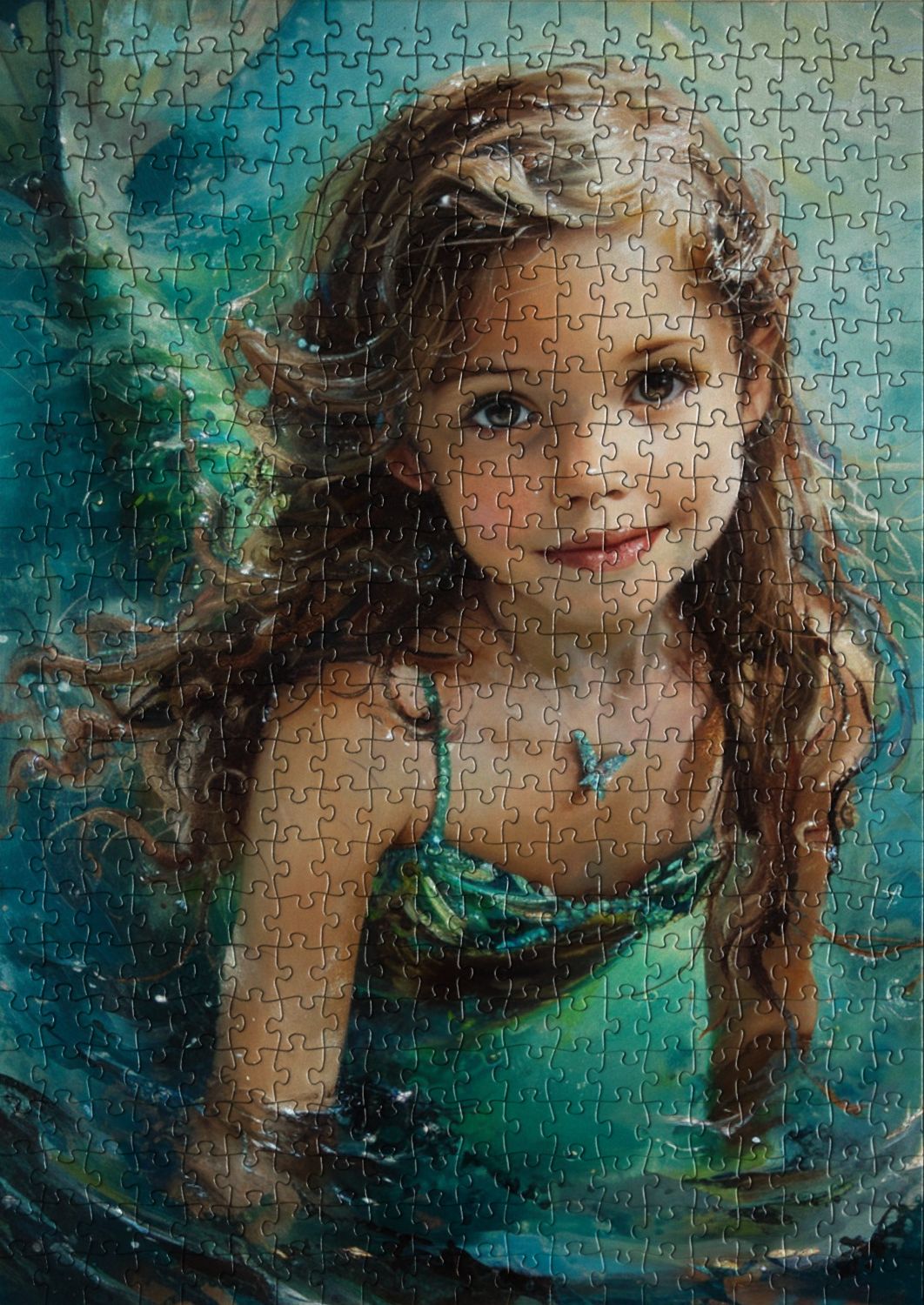
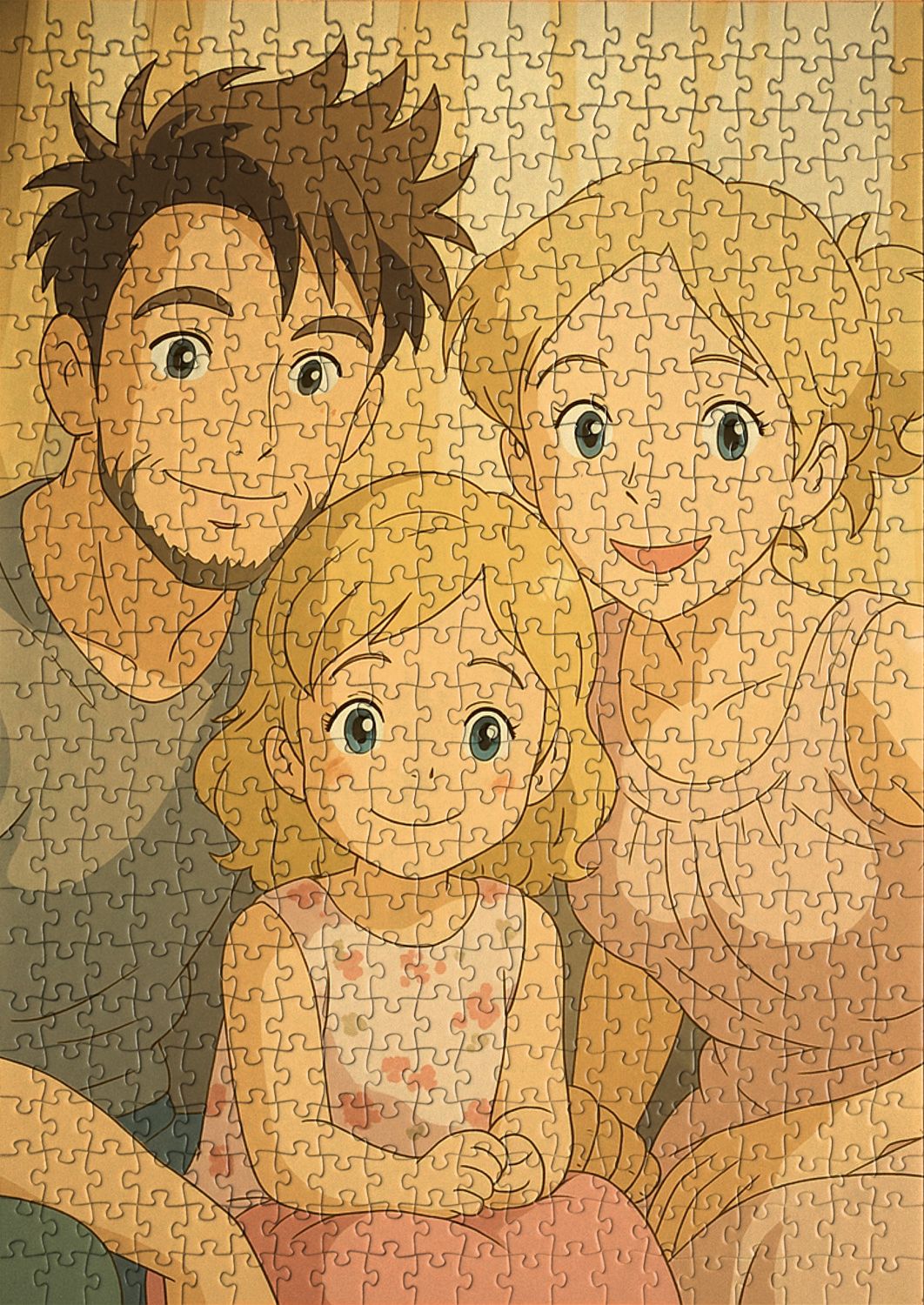
This is part of why personalized images and puzzles featuring your child as the character they are exploring tend to land so well. A puzzle of your daughter as a beautiful young princess in a royal castle, or your son as a superhero kid with cape and mask, is not a replacement for the costume. It is a parallel anchor. The child sees themselves in the role, on the wall, in their hands as they piece it together. The persona feels witnessed and real, which often makes the costume itself less essential to wear every minute.
For children who are circling through several personas, or whose chosen identity is unusual enough that no off-the-shelf product fits, a fully custom puzzle can capture whatever the current obsession happens to be. This connects to what we have written elsewhere about helping children feel like the main character of their own story, which is the deeper need the costume is trying to meet.
What to Hold Onto
If you remember nothing else from this article, hold onto this: a child who is deeply invested in a single costume is not a child who is stuck. They are a child who is working. The work is invisible to us, but it is real, and it is one of the most important things they will do between three and six. They are figuring out who they are by trying on who they could be.
The costume will come off. The phase will end. Some other obsession will take its place, and one day you will look back and realize you have not seen the princess dress in months. What stays is the underlying capacity: a child who knows how to imagine themselves into a different shape, who has practiced courage and kindness and bigness in the safety of dress-up, who has learned that their identity is something they get to participate in shaping.
Frequently Asked Questions
My child has worn the same costume for over a month. Is that too long?
A month is well within the normal range. Some children stay in a single persona for two or three months, occasionally longer. As long as your child is otherwise engaged with the world (playing, eating, sleeping, connecting with you), the duration itself is not a concern. The phase ends when the inner work is done, not on a calendar.
Should I worry if my son only wants to wear princess dresses, or my daughter only wants superhero suits?
No. Cross-gender costume play is extremely common between three and six and tells you nothing predictive about your child's future identity. They are exploring qualities (beauty, strength, care, power) that are not actually gendered, even though our culture often packages them that way. Following the qualities your child is drawn to is more useful than worrying about the packaging.
What if other kids tease my child about the costume?
This is one of the few situations worth a real conversation. You do not have to make the costume the problem, but you can help your child anticipate and respond. "Some kids might say something. What do you want to say back?" Rehearsing a calm response ("I like it, that's why I wear it") often gives the child enough armor. If teasing escalates, talking to the teacher is appropriate.
How can I tell the difference between healthy persona play and using the costume to avoid something?
Healthy persona play expands the child. They move more freely, attempt new things, engage more confidently with others. Avoidant costume use contracts the child. They become quieter, more withdrawn, less willing to connect. Trust your instinct here. If the costume is opening your child up to the world, it is doing its job. If it seems to be closing them off, that is worth a deeper look.
My child wants to sleep in the costume. Should I allow it?
Within reason, yes. A soft costume that is safe to sleep in (no choking hazards, no tight elastic, no scratchy components) is fine. If the costume is genuinely uncomfortable or unsafe for sleep, this is one of those gentle-reframe moments: "The cape needs to rest too. It sleeps on the chair so it is ready for tomorrow." Most children accept this once the ritual is established.
If your child is currently three weeks into the same dinosaur suit, or counting the days until they get the princess dress back from the wash, we hope this has given you some breathing room. The costume is not the problem to be solved. It is the visible edge of work your child is doing well. Whether that work shows up in a tutu, a cape, or a custom puzzle that lets them see themselves as the hero of their own story, what they are really asking for is to be witnessed in the person they are becoming. That is something worth saying yes to.

Share and get 15% off!
Simply share this product on one of the following social networks and you will unlock 15% off!