
You are at the playground bench, half a coffee in hand, listening to your four-year-old narrate the entire history of their morning to a slightly bewildered grandmother on the next bench. "And then I put on MY socks, and MY socks have stripes, and I have a scooter, and my scooter is faster than everyone's, and one time I went really fast, and..." The grandmother smiles politely. You smile too, but inside a small alarm has started ringing. Is this normal? Is my child... a little self-absorbed? Are we raising someone who will one day be that adult at a dinner party?
Take a breath. We promise: what you are watching is not a character flaw, and it is almost certainly not a parenting failure either. It is one of the most well-documented stages in all of child development. Between roughly age two and age seven, children move through what psychologist Jean Piaget called the preoperational stage, and one of its central features is something called developmental egocentrism. That is a clinical-sounding phrase for a very ordinary thing: young children genuinely struggle to imagine that other people see, feel, or know things differently than they do. So they talk about what they know. Themselves.
This article is for the parent who has googled "child talks about themselves all the time" at 10pm after a long day and felt a little knot of worry. We will walk through what is actually happening in your child's brain, why it peaks when it does, when it naturally fades, and what you can do (gently, without shaming) to help broaden their view of the world. We will also be honest about the rare cases where it is worth a conversation with your pediatrician, so you can stop scanning the playground for warning signs and go back to enjoying your coffee.
Yes, It Is Normal. Here Is Why.
Let's start with the reassurance, because that is what you came for. A three, four, or five-year-old who monologues about themselves, interrupts to share an unrelated story, or assumes everyone in the room is interested in their new shoes is behaving exactly like a healthy preschooler. This is not narcissism. Narcissism is a personality structure that develops much later and looks very different. What you are seeing is a brain that has not yet finished installing one of its most sophisticated features: the ability to model other minds.
Researchers call this feature theory of mind, and it is the understanding that other people have their own thoughts, beliefs, knowledge, and feelings that are separate from yours. Adults take this for granted. We assume our coworker does not know what we ate for breakfast unless we tell them. A four-year-old does not assume that. A four-year-old often acts as if everyone has access to the same mental contents they do, which is why your child will start telling you about "the red one" with no further context and be genuinely surprised that you do not know which red one.
The classic experiment
The most famous demonstration is the "Sally-Anne" task. A child watches a puppet, Sally, put a marble in a basket and leave the room. While Sally is away, Anne moves the marble to a box. Sally comes back. Where will Sally look for her marble? Children under about four say "the box," because that is where the marble actually is, and the child knows it. They cannot yet hold the idea that Sally has different information. Around age four or five, this flips. By six or seven, almost all neurotypical children pass the task easily.
That little developmental jump is the same one that gradually quiets the constant self-monologue. As theory of mind comes online, children start to notice that other people might not want to hear about their socks for ten minutes straight.
The Age Map: What to Expect and When
It helps to know roughly where your child sits on the curve, so you can stop comparing them to the unusually composed seven-year-old at preschool pickup who asks polite questions about your weekend.
- Ages 2 to 3: Almost total egocentrism. The world is an extension of the self. Sharing, turn-taking, and "you go first" are genuinely hard concepts, not defiance.
- Ages 3 to 5: Peak self-focus. Expect long monologues, constant "look at me," and a strong belief that their feelings are everyone's feelings. This is also the golden age of imaginative play, which is wonderful and connected to the same cognitive shift.
- Ages 5 to 6: Theory of mind is rapidly developing. You will start to see flashes of empathy, real questions about other people, and the beginnings of "I wonder if she feels sad."
- Ages 6 to 7: Most children can reliably take another person's perspective, understand that others have different knowledge, and adjust their conversation (a bit) accordingly.
- Age 7 and beyond: Self-focus continues to soften, though it will resurface in waves during adolescence for entirely different reasons.
If your five-year-old is still the star of every story they tell, you are not behind schedule. You are on time.
Why It Is Actually a Good Sign
Here is a reframe that might help next time you are at a birthday party listening to your child explain, at length and unprompted, why their drawing is the best one. The fact that your child has a strong, vocal sense of self is developmentally healthy. Children who feel secure, loved, and important talk about themselves. Children who have been chronically ignored or shamed often do the opposite: they go quiet, they shrink, they wait to see what the adults want before sharing anything.
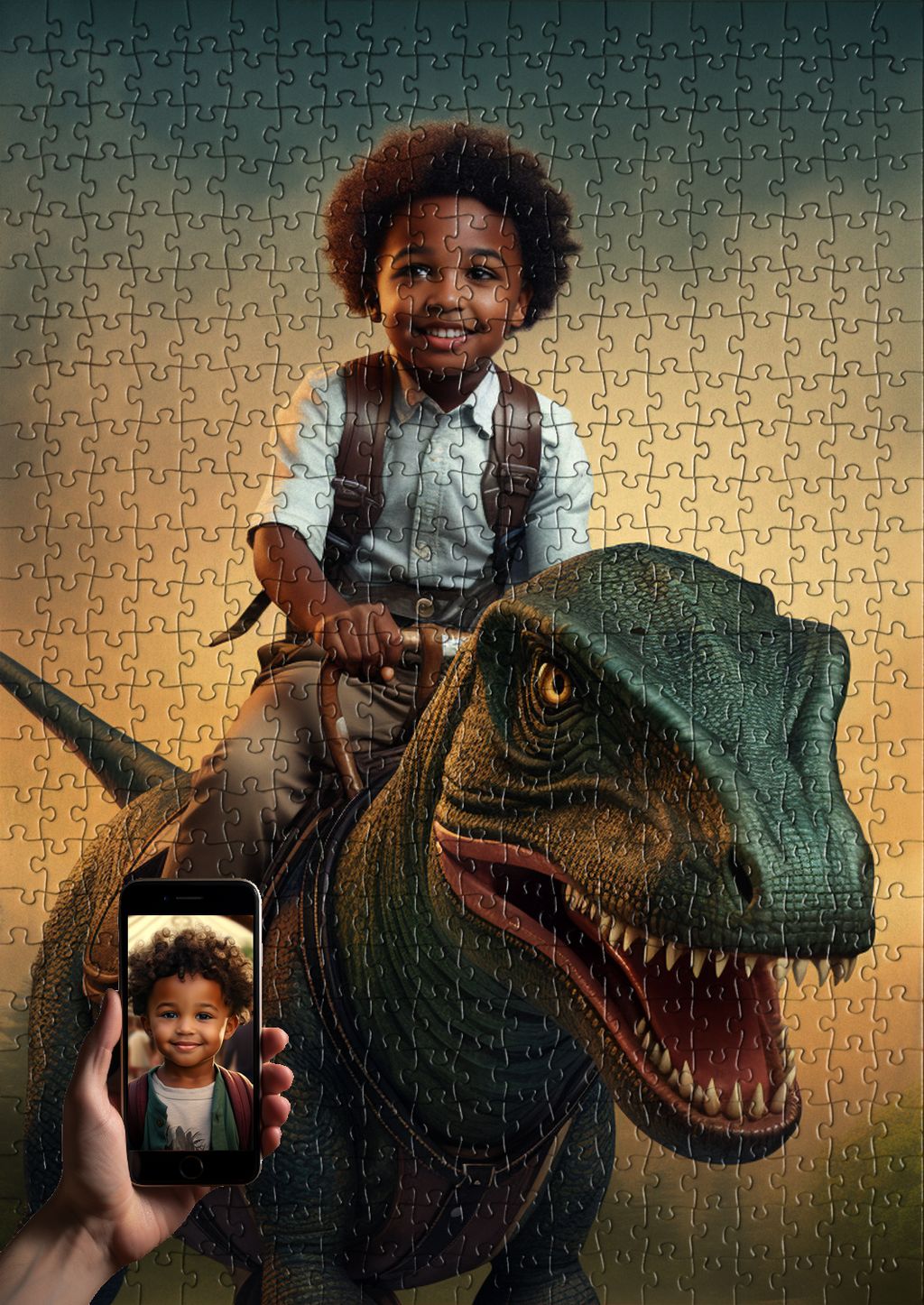
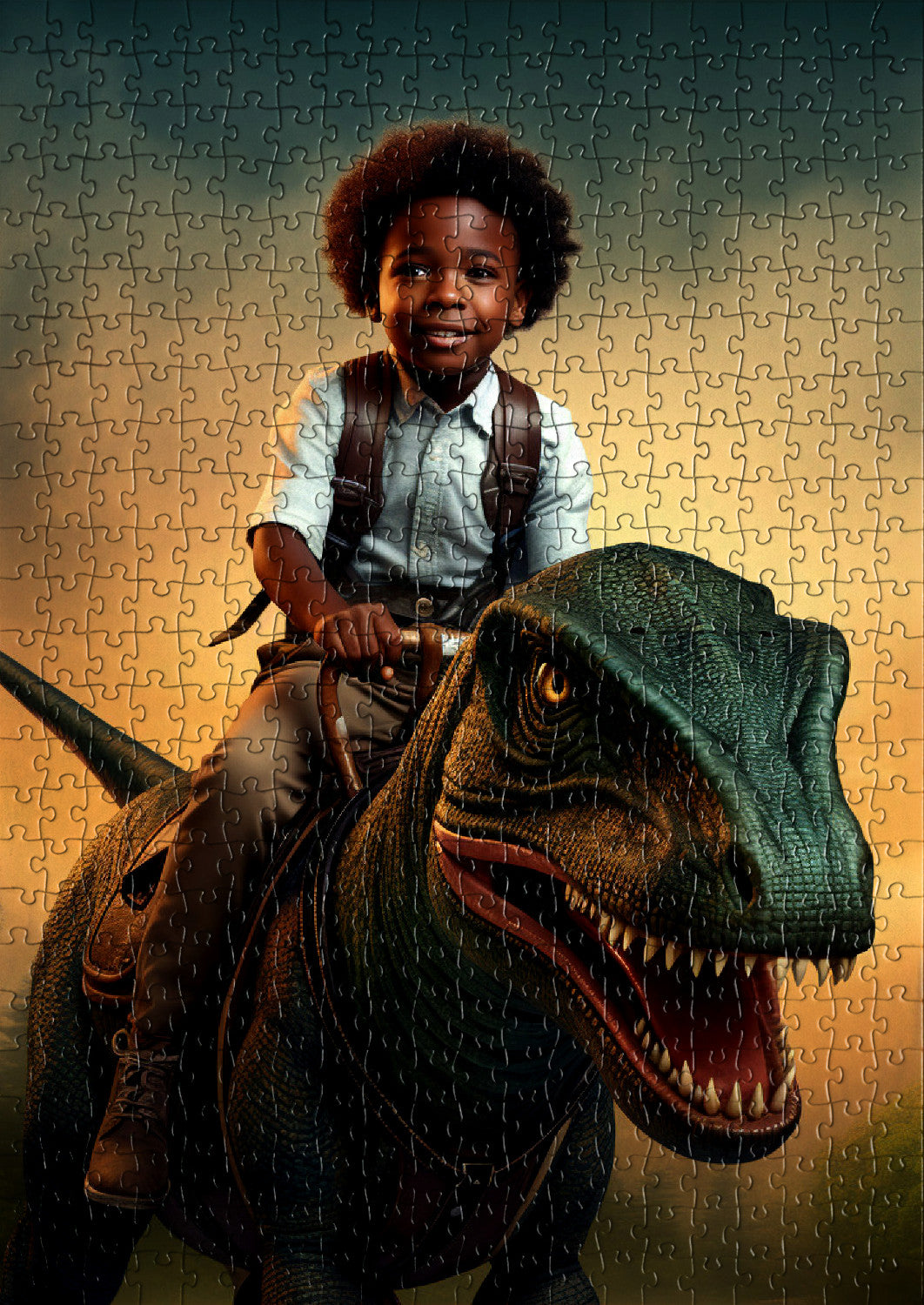
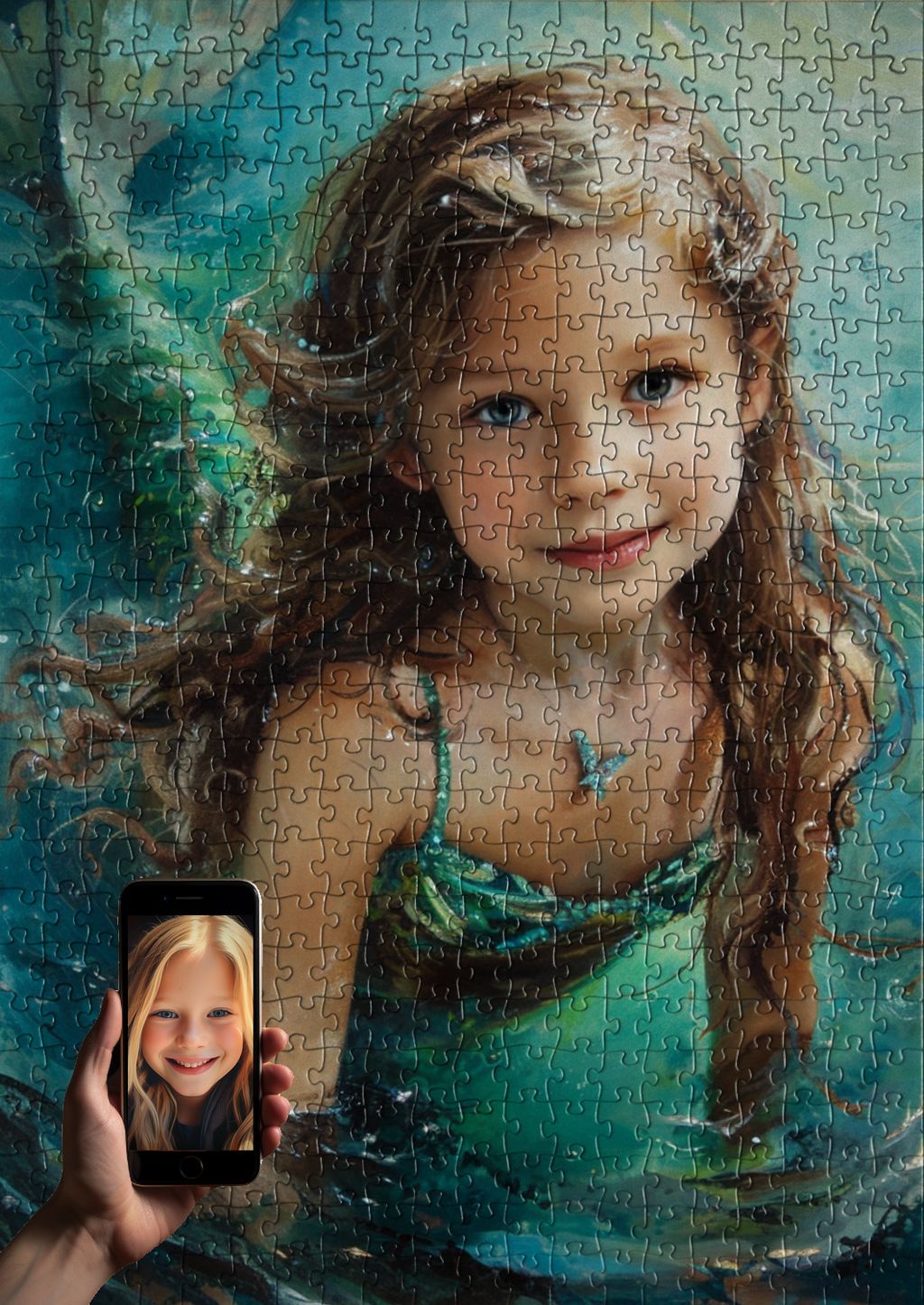
A child who narrates their inner world out loud is also doing something cognitively useful. They are practicing language, organizing their experiences into stories, and rehearsing identity. This is closely related to why so many preschoolers love stories where they themselves are the hero. (We wrote more about this in our piece on the "main character" stage, and it pairs with what is happening here.) Personalized play, like seeing yourself as a superhero girl or the first girl on the moon, gives that healthy self-focus a constructive outlet. The child gets to be the protagonist on purpose, which is satisfying, and then can go back to listening to others.
Gentle Ways to Broaden the View (Without Shaming)
So your child is on track. Lovely. But you still want to nudge them, over time, toward noticing other people. Good news: you do not need a curriculum. Theory of mind develops largely through everyday conversation, especially conversation that names mental states out loud. Here is what actually works.
Narrate other people's inner lives
This is the single most powerful tool, and it is free. When you are with your child, casually narrate what other people might be thinking or feeling. "Look how happy your sister is that you sat next to her." "I think Grandpa is a little tired today, that's why he is quiet." "The dog looks scared of the vacuum, doesn't he?" You are not lecturing. You are just modeling the mental move of guessing what is happening inside someone else's head.
Ask "how do you think they feel?" during stories
Books and puzzles are wonderful for this because the stakes are low. While reading, pause and ask: "How do you think the bear feels now that his friend left?" "Why do you think she is hiding?" Children love being asked their opinion, and they get to practice perspective-taking without it being about them or their sibling. The same works with images. A puzzle like the blonde girl with a cute penguin invites questions like "What do you think the penguin is thinking about?" That little wondering, repeated over months, builds the muscle.
Model empathy in your own talk
Children copy the language they hear. If they hear you say "I bet Daddy had a long day, let's give him a minute," they learn that this is a normal way to think about other people. If they only ever hear instrumental talk ("put your shoes on, eat your dinner"), they have fewer templates to borrow from.
Give the monologue a container
Sometimes children need to dump all their self-narration somewhere. Bath time, the car, bedtime. Give them a dedicated audience for it, and they often become more willing to take turns the rest of the time. "I love hearing about your day. Tell me everything at dinner. Right now Auntie is talking, so let's listen."
Practice turn-taking in low-stakes moments
- Play "your turn, my turn" with a simple back-and-forth question game.
- At dinner, ask each person to share one thing about their day, including the quiet ones.
- When your child interrupts, try a calm hand on the shoulder and "I will come back to you in one minute." Then actually come back.
- Praise the moment of noticing: "You saw that he was sad and you brought him your bear. That was kind."
Avoid shame-based fixes
Telling a four-year-old "stop talking about yourself, it's rude" does not accelerate theory of mind. It just teaches them that their voice is unwelcome. The goal is widening, not silencing.
Other Healthy Forms of Self-Focus
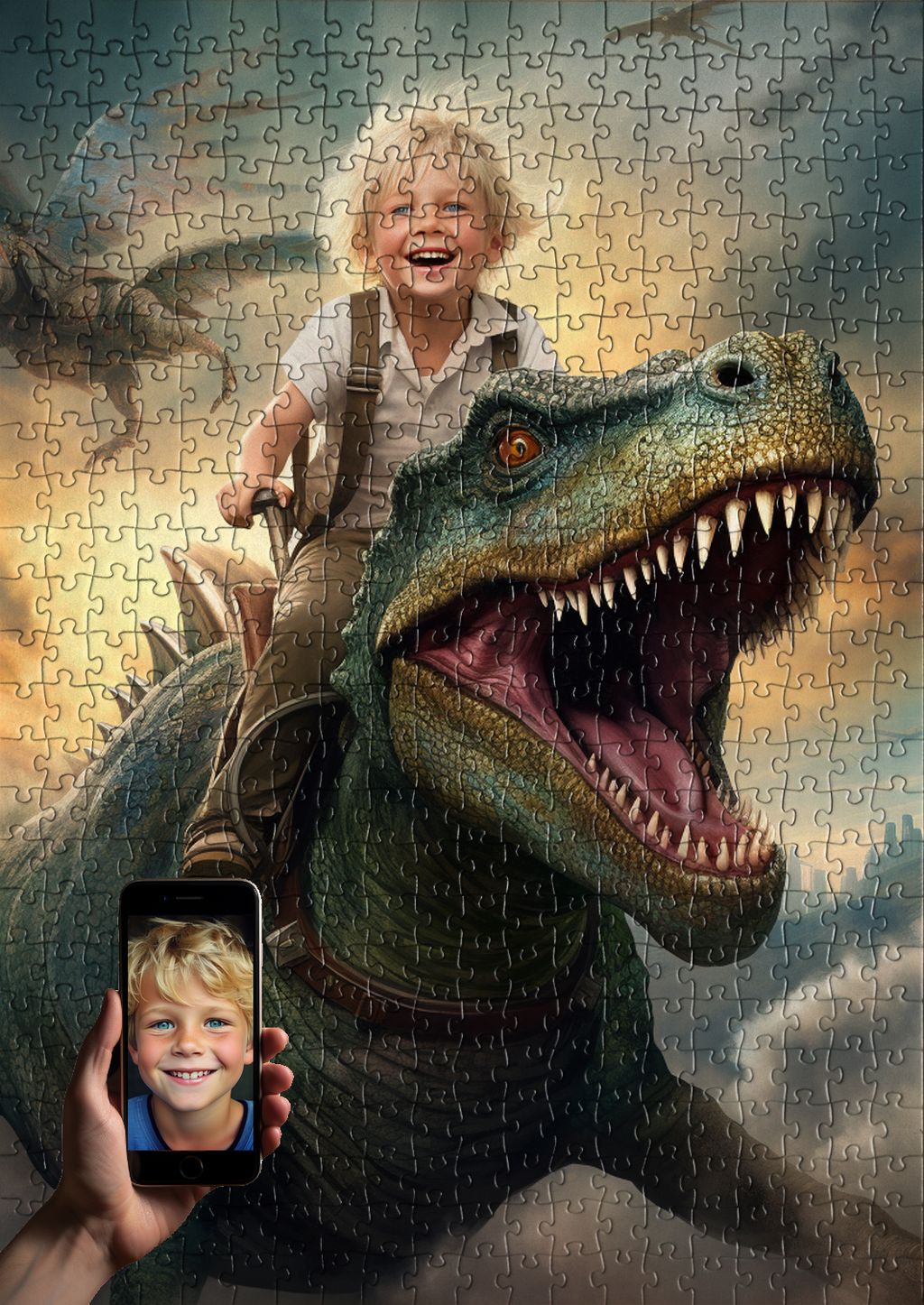
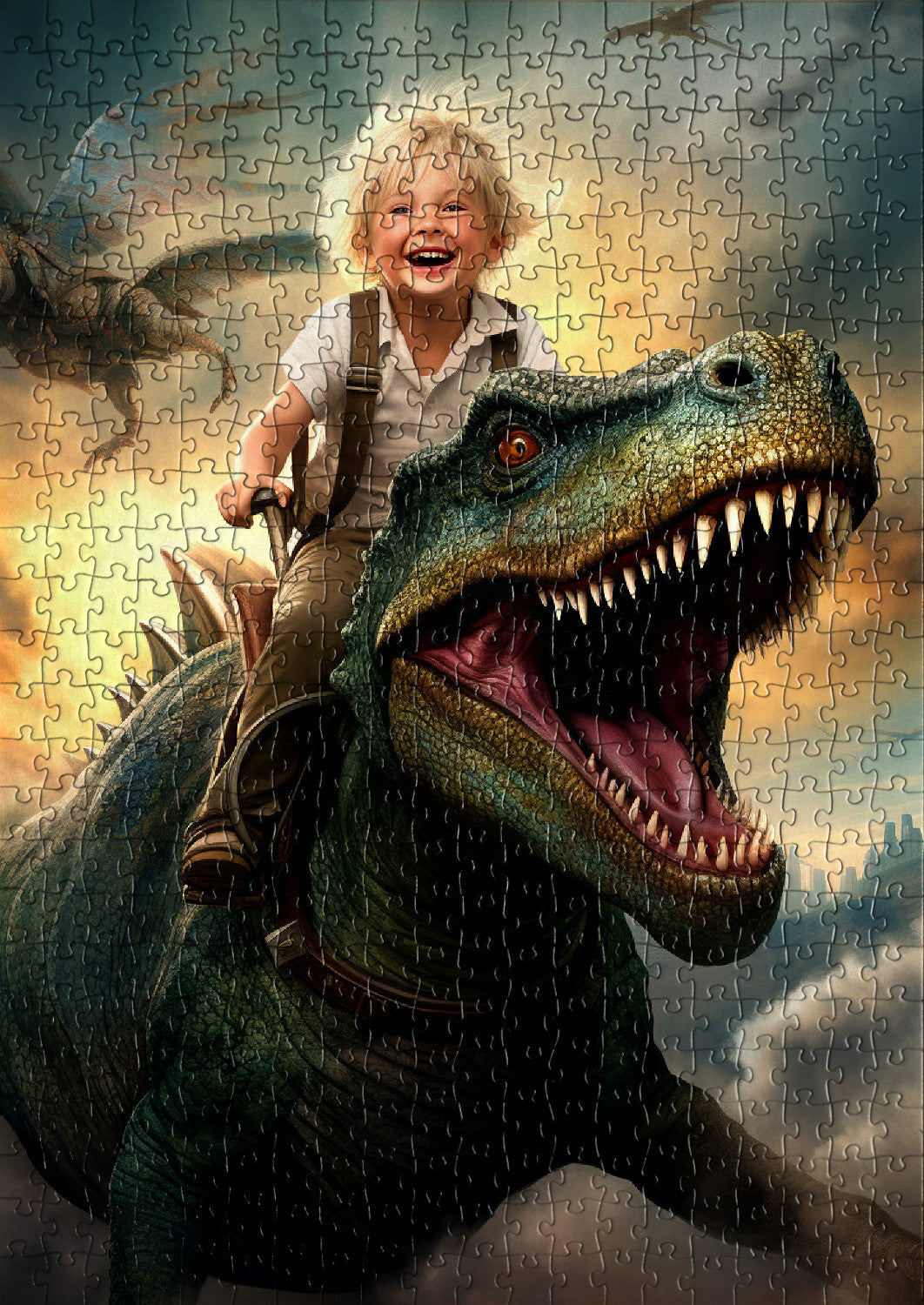
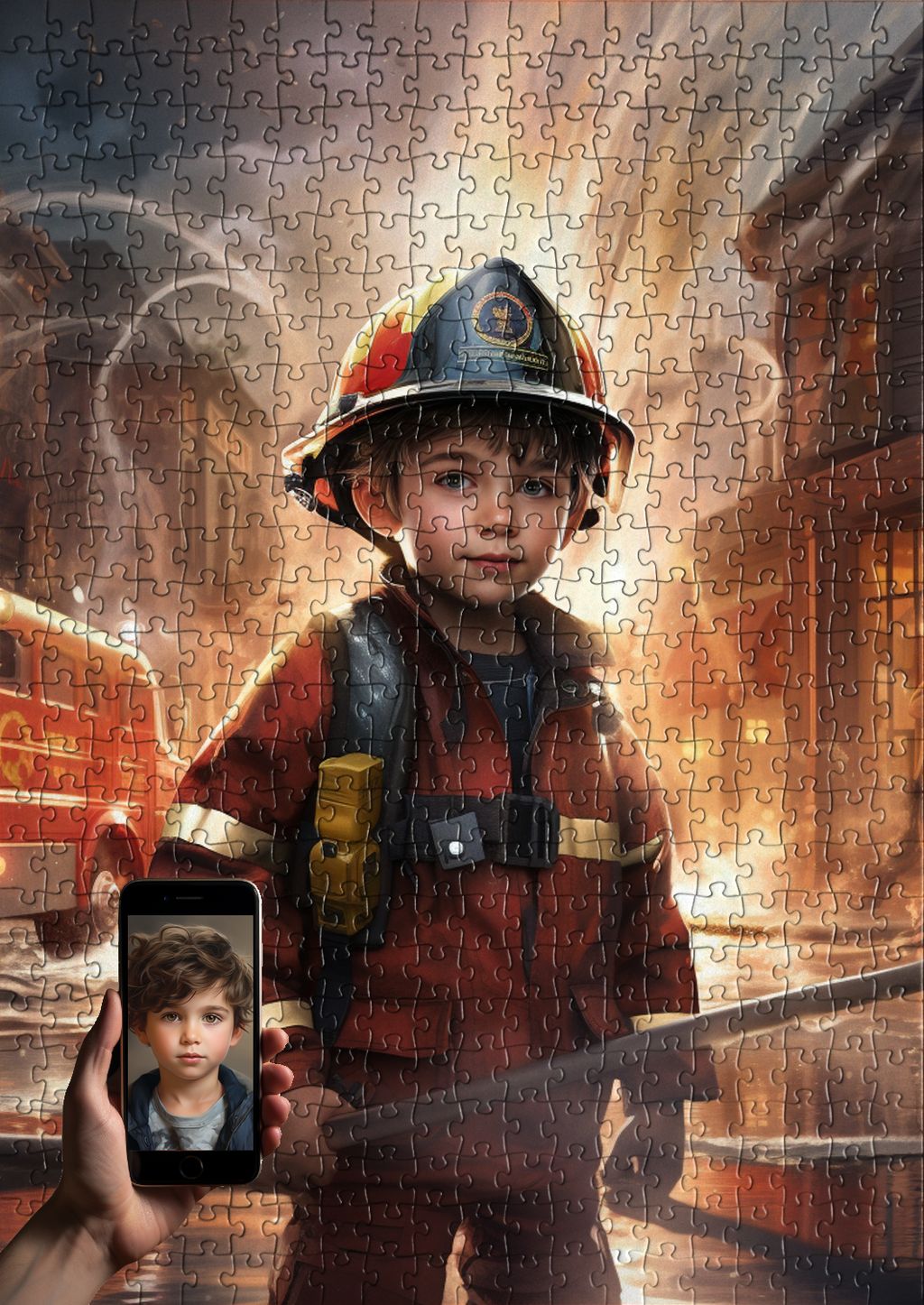
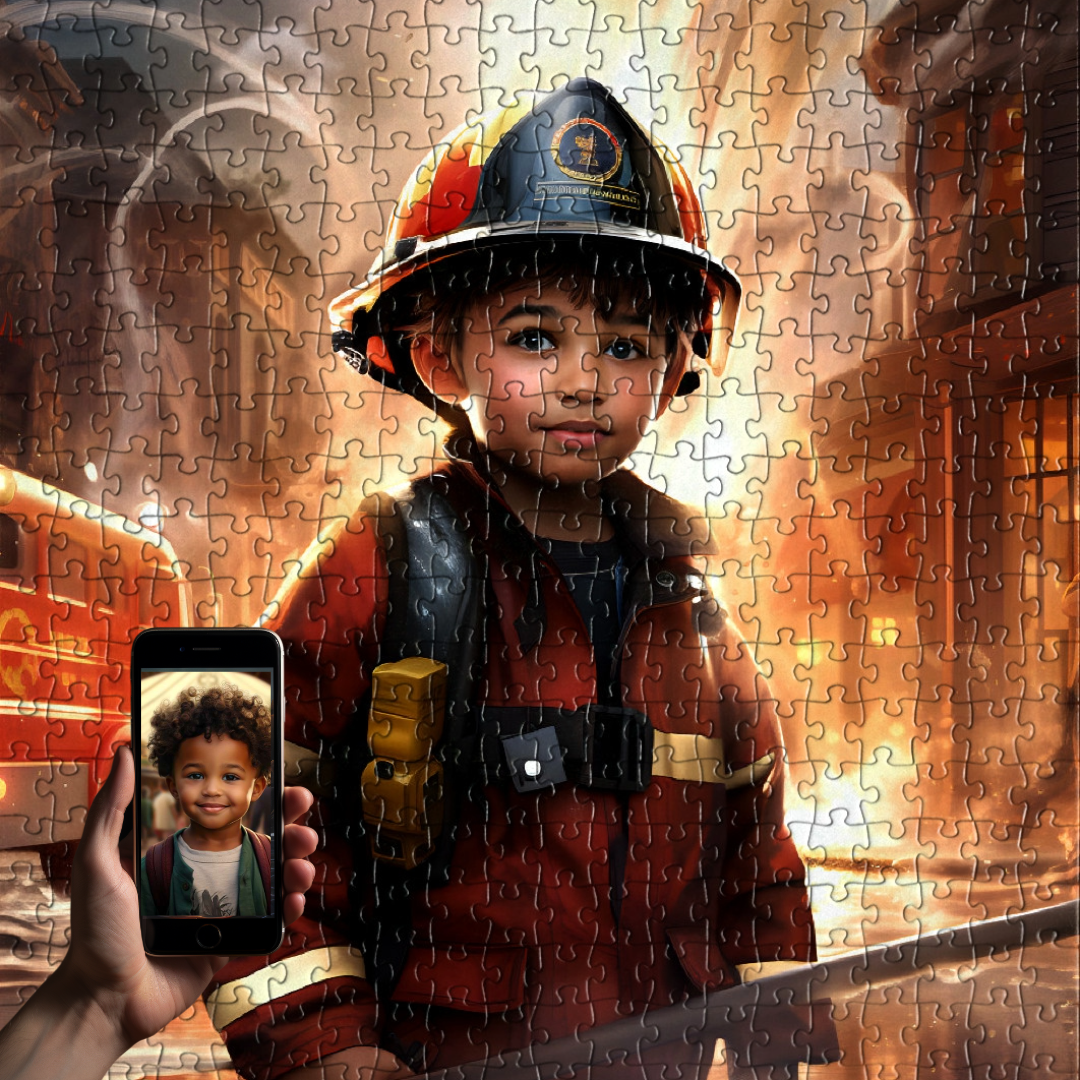
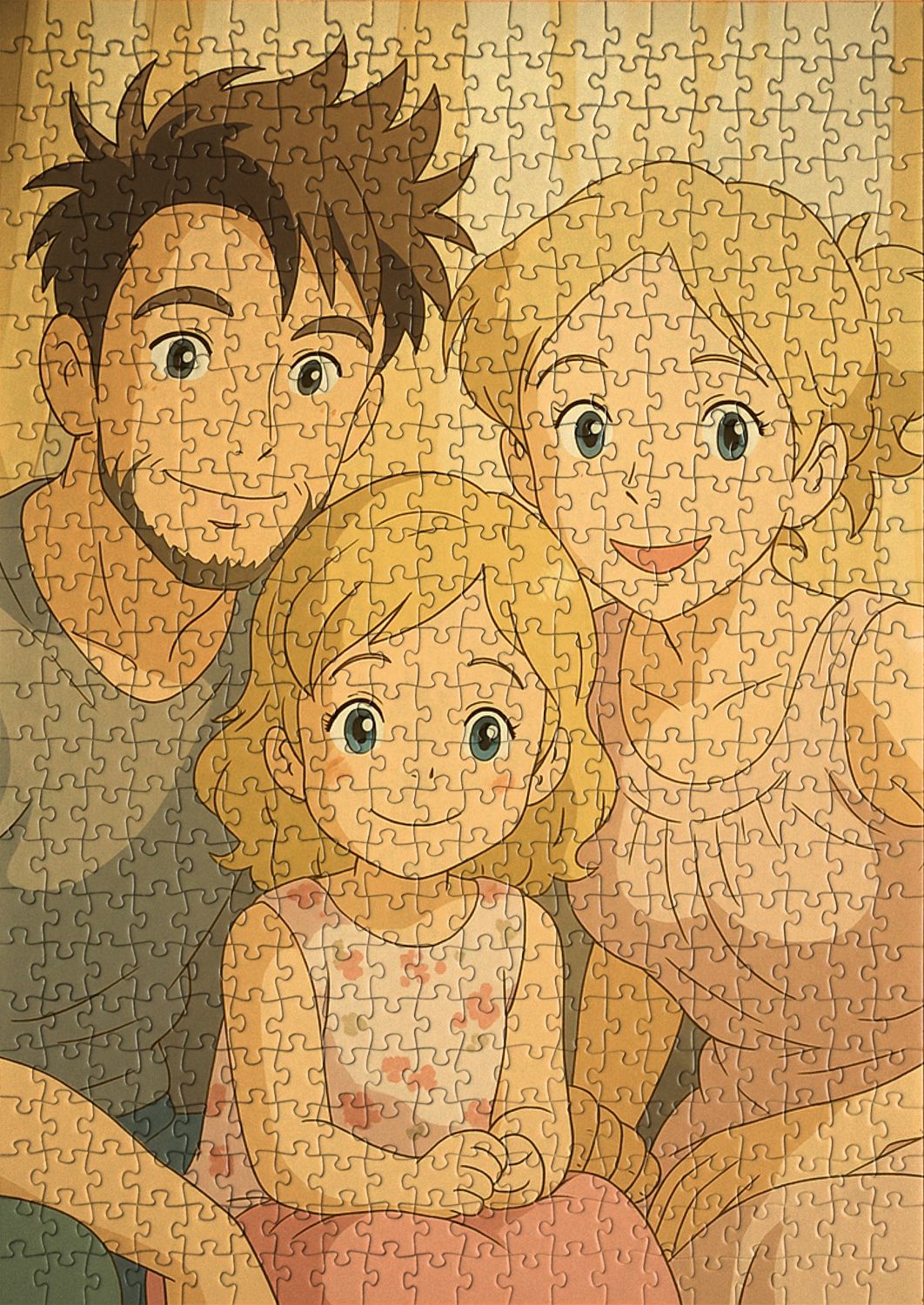
While we are reassuring you: a lot of behaviors that look self-centered in preschoolers are actually creative, normal, and even valuable. Imaginative play where your child is the queen, the pilot, or the dinosaur rider is the same developmental engine at work. We wrote a related piece on imaginary friends that explores another version of this: children using a rich inner world to make sense of life. Both behaviors share a common thread, which is a child practicing identity, agency, and emotion in a safe sandbox. Tools that let them be the hero of a story, like a custom photo puzzle featuring their own face, are not feeding narcissism. They are giving healthy self-focus a creative shape, and then it tends to settle on its own.
When (Rarely) to Have a Conversation With Your Pediatrician
We want to be careful here, because the internet has trained us all to over-diagnose and under-trust our kids. The vast majority of self-focused preschoolers are completely fine. That said, here are the patterns that, taken together and persisting past age seven, would be worth mentioning at a routine pediatric visit. Not for diagnosis at home, just for a conversation.
- By age seven or eight, your child still shows no awareness that others have different feelings, even when those feelings are obvious and named for them.
- Persistent difficulty with reciprocal conversation, eye contact, or back-and-forth play across many settings, not just at home.
- Distress or indifference when others are clearly hurt, with no shift even when prompted.
- Significant difficulty making or keeping friends past the early elementary years, paired with not noticing why.
- Other developmental markers your pediatrician has already flagged.
Notice that none of these are "my five-year-old talks too much about themselves at parties." A loud, self-narrating preschooler with strong emotions and a love of being the center of attention is, almost without exception, a perfectly typical loud, self-narrating preschooler.
The Embarrassment Is About You, Not Them
One last gentle thing. A lot of the worry about kids who talk about themselves is really worry about how other adults are reading us as parents. We hear our child holding court at a family lunch and we feel the relatives' eyes on us. We imagine they are thinking: spoiled, indulged, no manners. That story is almost always in our head, not theirs. Most adults who have spent any time around small children know exactly what a four-year-old sounds like. They are not grading you.
And even if one of them is, the right answer is still the same. You do not need to silence your child to perform good parenting. You can warmly redirect, model curiosity about others, and trust the developmental clock. It is working, even when you cannot see it.
Frequently Asked Questions
My three-year-old never asks me how my day was. Should I worry?
Not at all. Three-year-olds are not developmentally capable of consistently initiating that kind of perspective-taking question. You can model it ("How was your day, sweetheart? Mine was busy because..."), but expecting reciprocal interest at that age is like expecting them to drive. It comes later, usually somewhere between five and seven.
Is it bad that my child wants to be the main character in every game?
It is not bad. It is the developmental default. Wanting to be the hero is how children practice agency and identity. Over time, especially with siblings, friends, and gentle parent modeling, they learn to share the spotlight. Letting them be the protagonist on their own terms sometimes (in play, in stories, in a personalized puzzle) often makes them more willing to share it elsewhere.
How can I tell the difference between confidence and arrogance in a young child?
At ages three to six, there is essentially no such thing as arrogance. A child saying "I am the best at running" is reporting a feeling, not making a comparative claim about others. Confidence at this age sounds boastful by adult standards because the cognitive machinery to compare oneself accurately to others is still under construction. Just keep modeling humility and noticing others. The proportionality comes with time.
Will my child grow out of interrupting?
Mostly, yes. Interrupting peaks around three to five and gradually fades as theory of mind develops and as you practice turn-taking. Some children take longer than others. By around age seven, with consistent gentle modeling, most children can wait, listen, and respond to others most of the time. Most. They are still children.
Does screen time make self-focus worse?
The research is mixed, but heavy passive screen use does seem to reduce the kind of face-to-face conversation that builds theory of mind. The fix is not necessarily less screen time, but more of the conversational moments described above: narrating feelings, asking about characters, taking turns in real exchanges. Those are the building blocks, regardless of how much your child watches.
Your child talking endlessly about themselves is not a red flag. It is the sound of a small person figuring out who they are, with you as their favorite audience. Keep listening, keep gently widening the lens to include other hearts and heads in the room, and trust the long, slow work of growing up. Whether that means picking a story together, asking what a character in a puzzle might be feeling, or simply naming the look on a sibling's face at breakfast, the small moments add up. One day, sooner than you think, you will catch your child asking someone else how their day was. And you will remember this season, and smile.







Share and get 15% off!
Simply share this product on one of the following social networks and you will unlock 15% off!